JaanYar
Home

Fruits

Fresh and dried fruits sit at the heart of Persian wellness — from the cooling pomegranate and grape to the warming date and fig. Each fruit below opens a full guide covering its traditional Persian uses, modern scientific evidence, nutritional profile, preparation methods, and healthy-aging relevance.

Featured Fruits

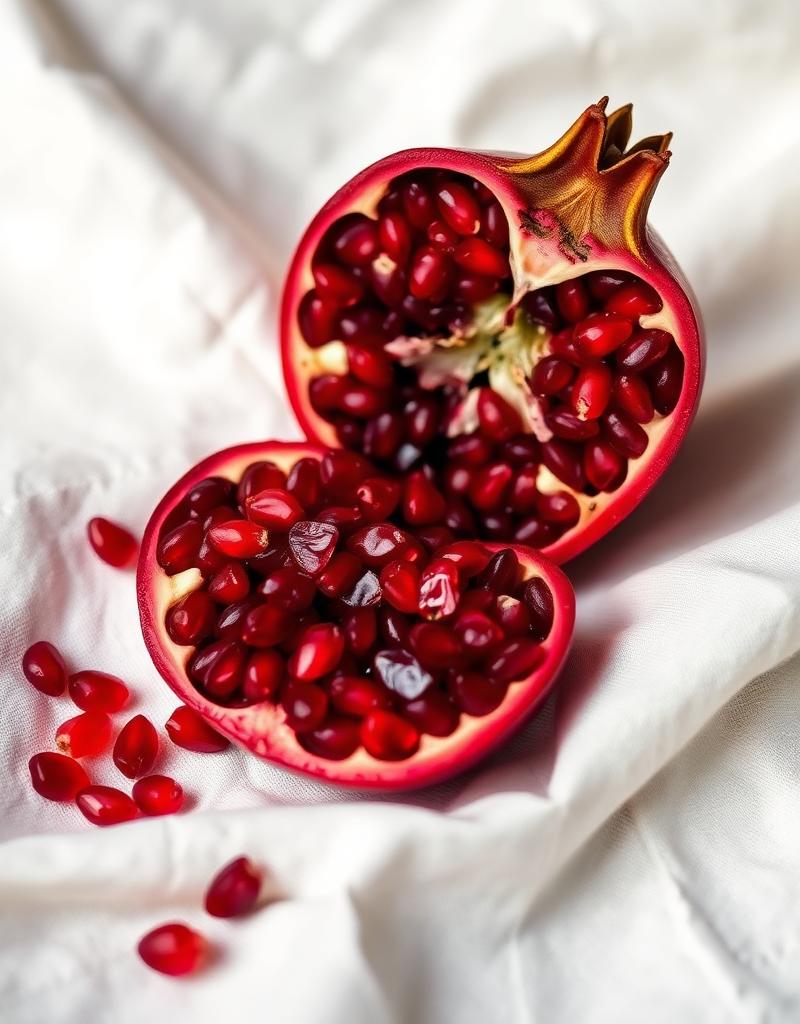
Pomegranate

Pomegranate

Cool · Moist

Cools the blood, brightens skin.

Read the whole guide on one page
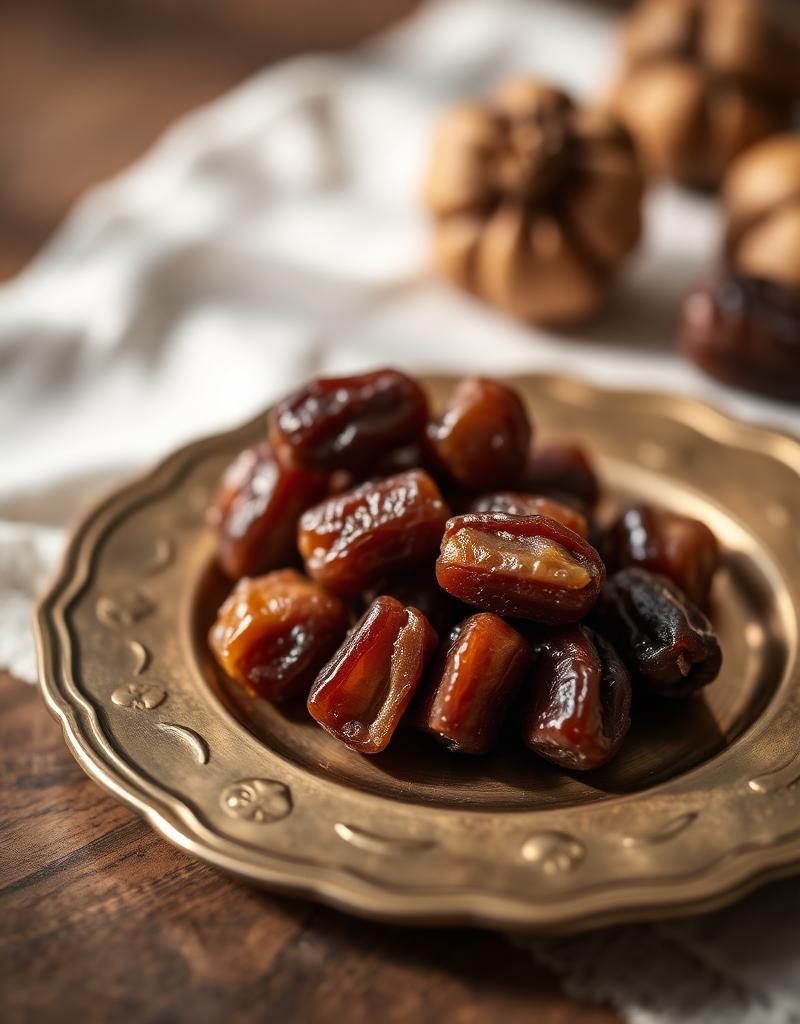
Dates

Dates

Warm · Moist

Restores vitality, nourishes nerves.

Read the whole guide on one page
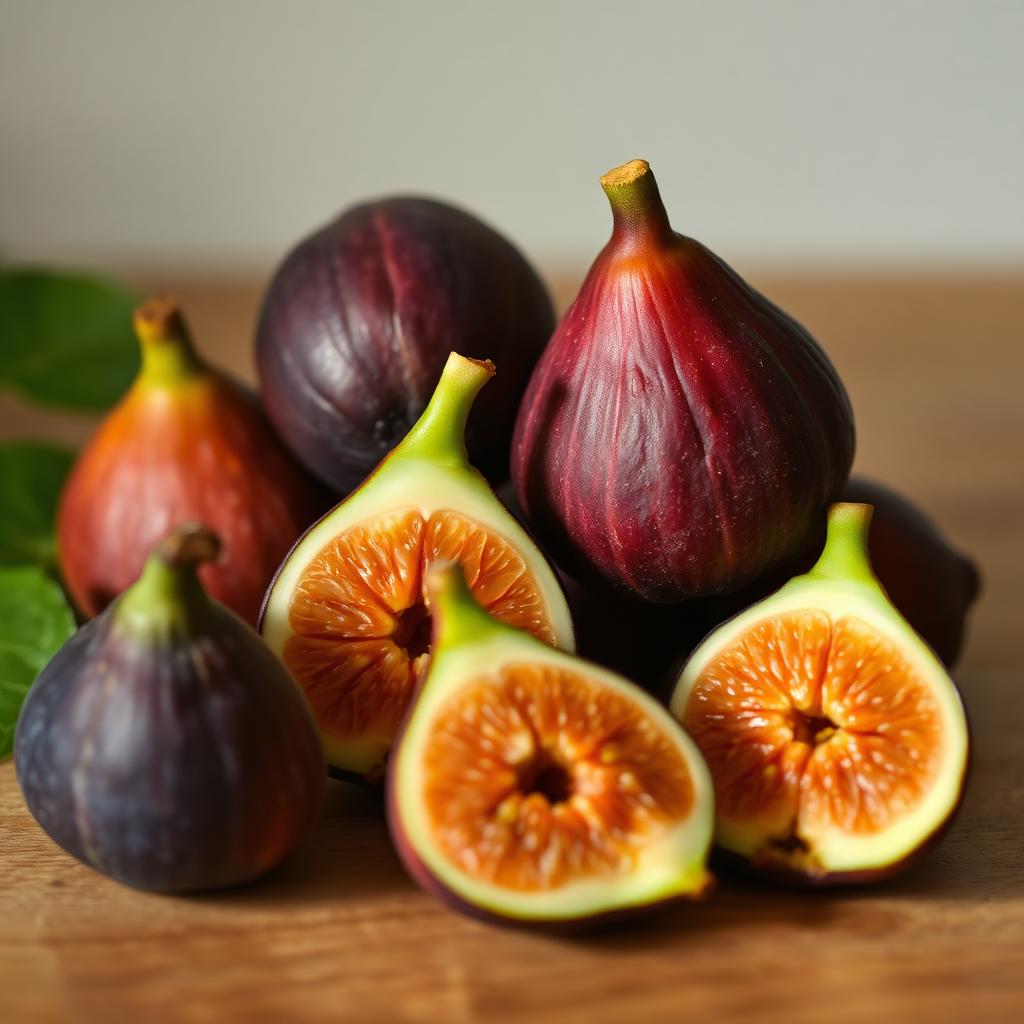
Figs

Figs

Warm · Moist

Cleanses the gut, nourishes the blood.

Read the whole guide on one page
Grapes

Grapes

Warm · Moist

Restores fluids, gentle on the liver.

Read the whole guide on one page
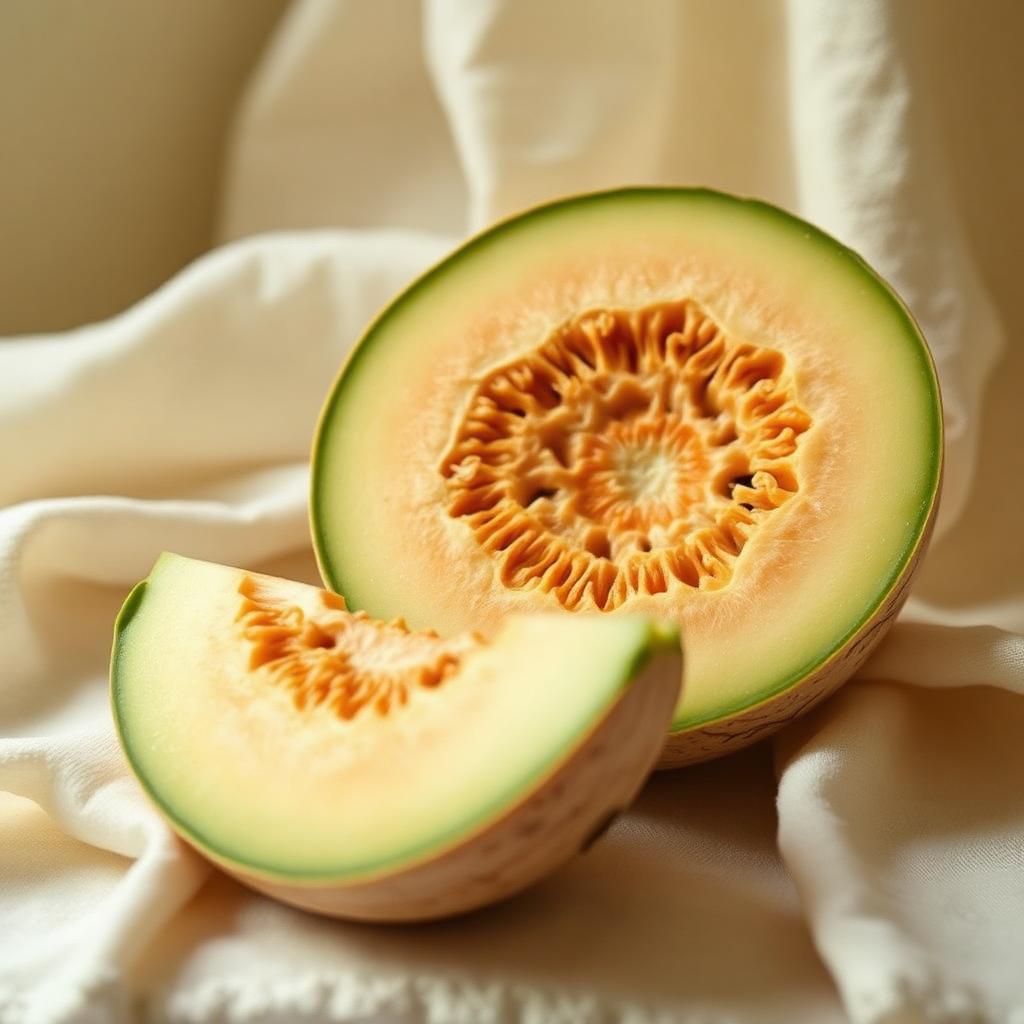
Melon

Melon

Cool · Moist

Quenches thirst, flushes the kidneys.

Read the whole guide on one page
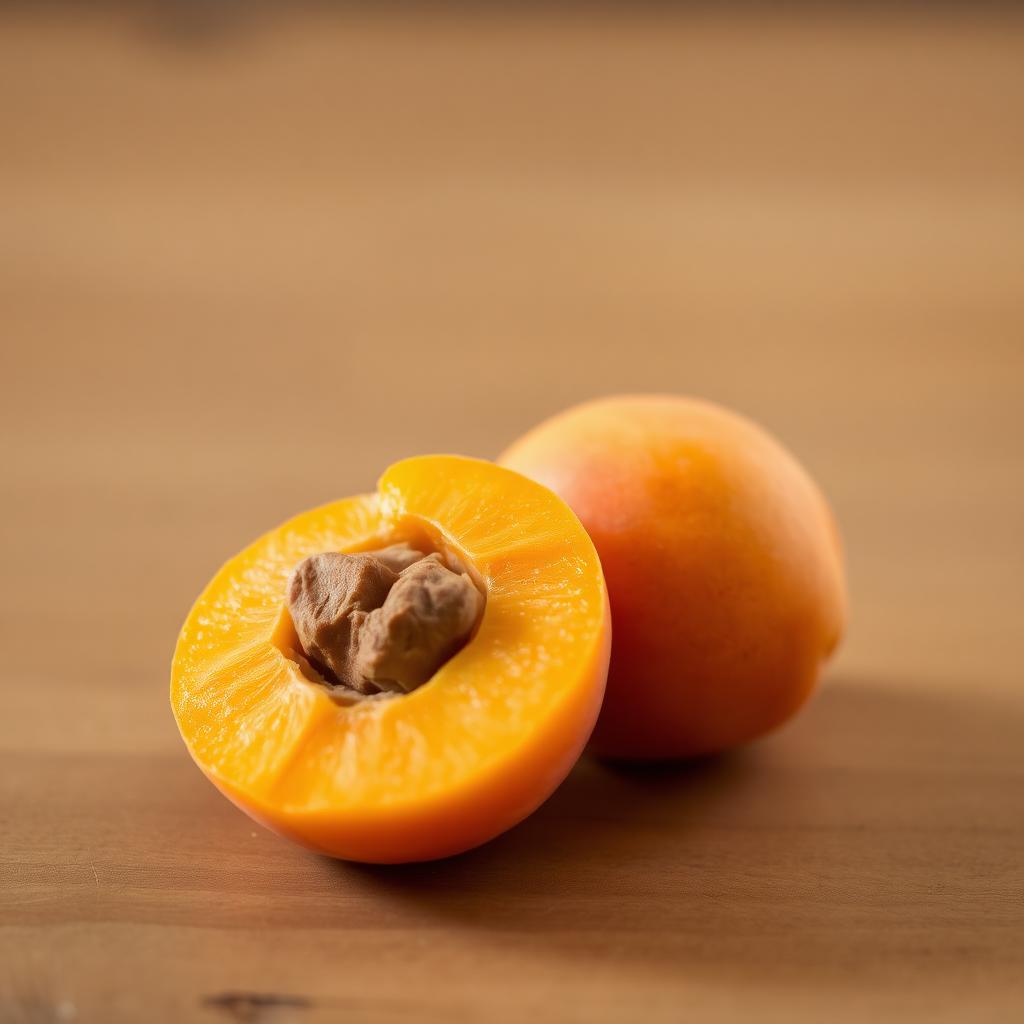
Apricot

Apricot

Warm · Moist

Brightens the skin, opens the chest.

Read the whole guide on one page
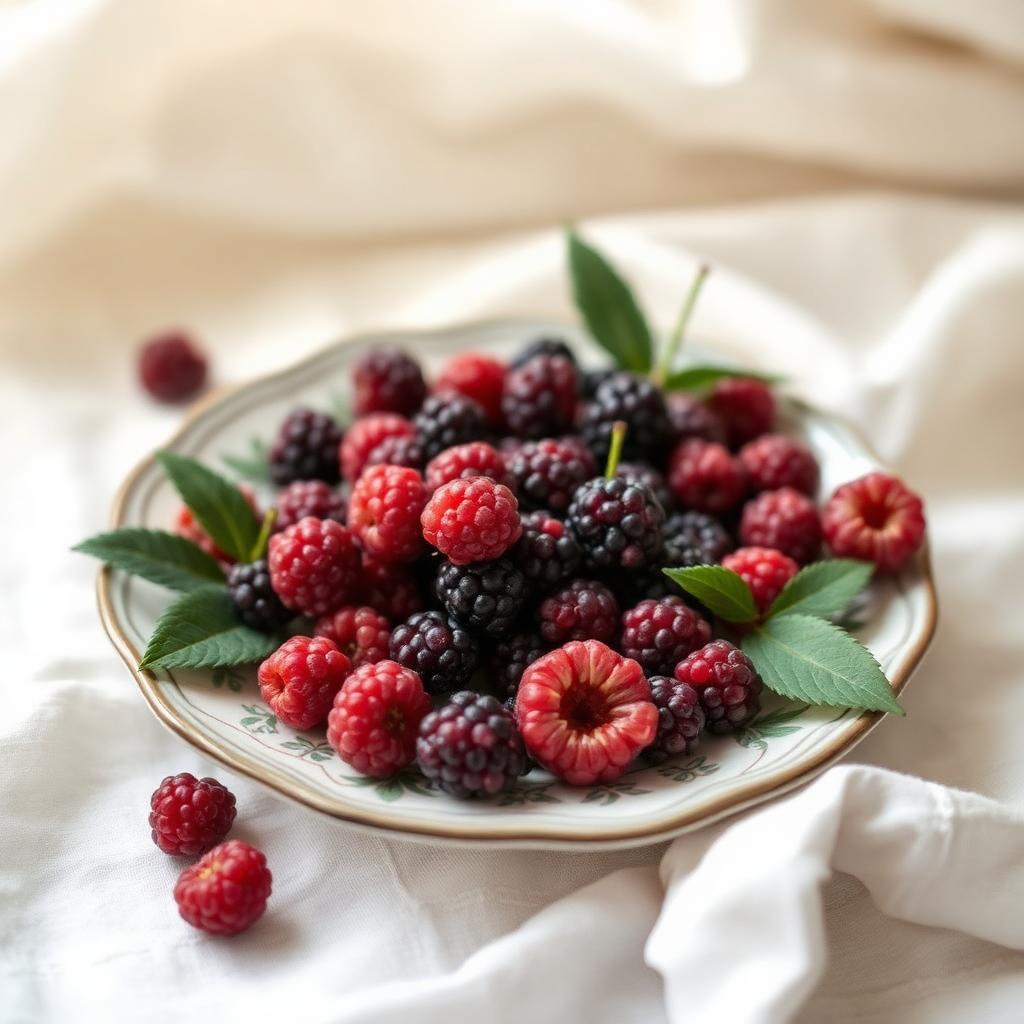
Mulberry

Mulberry

Warm · Moist

Cleans the blood, lifts mood in summer.
Read the whole guide on one page
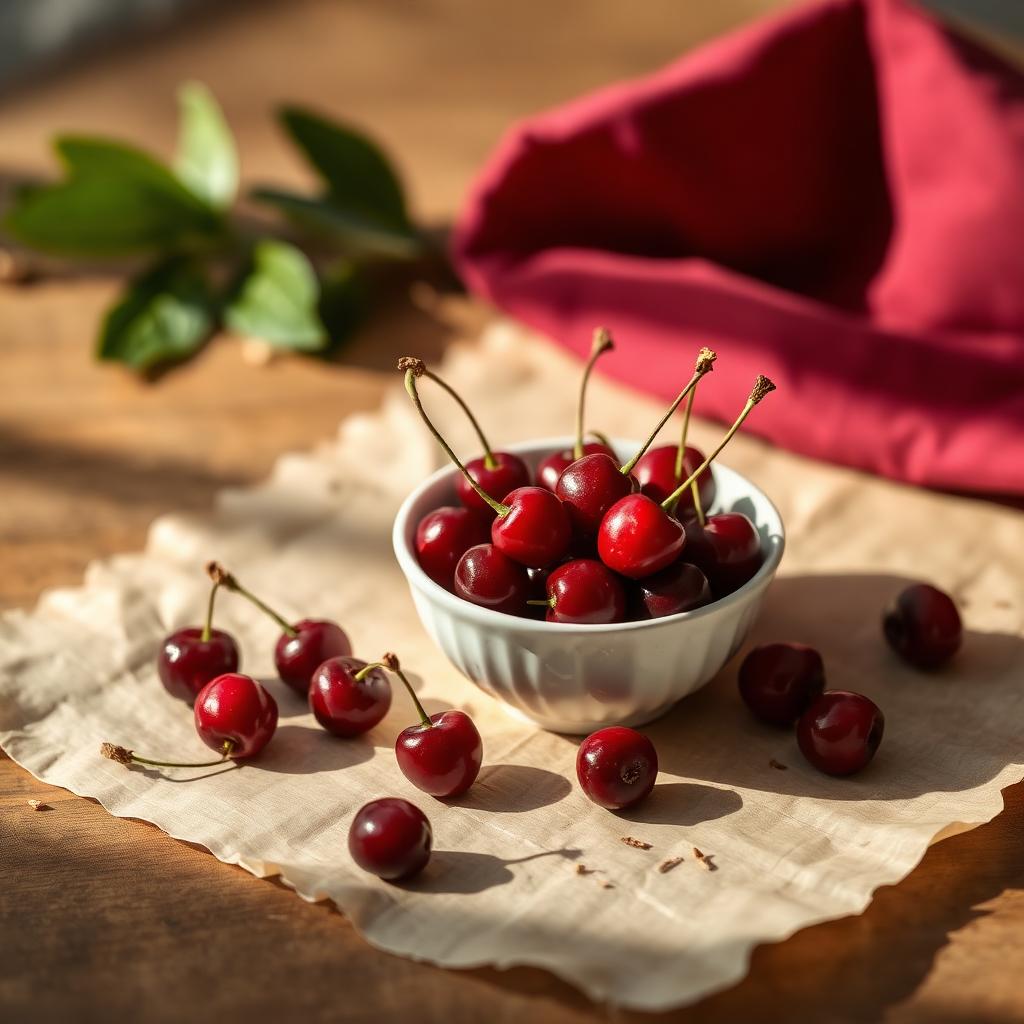
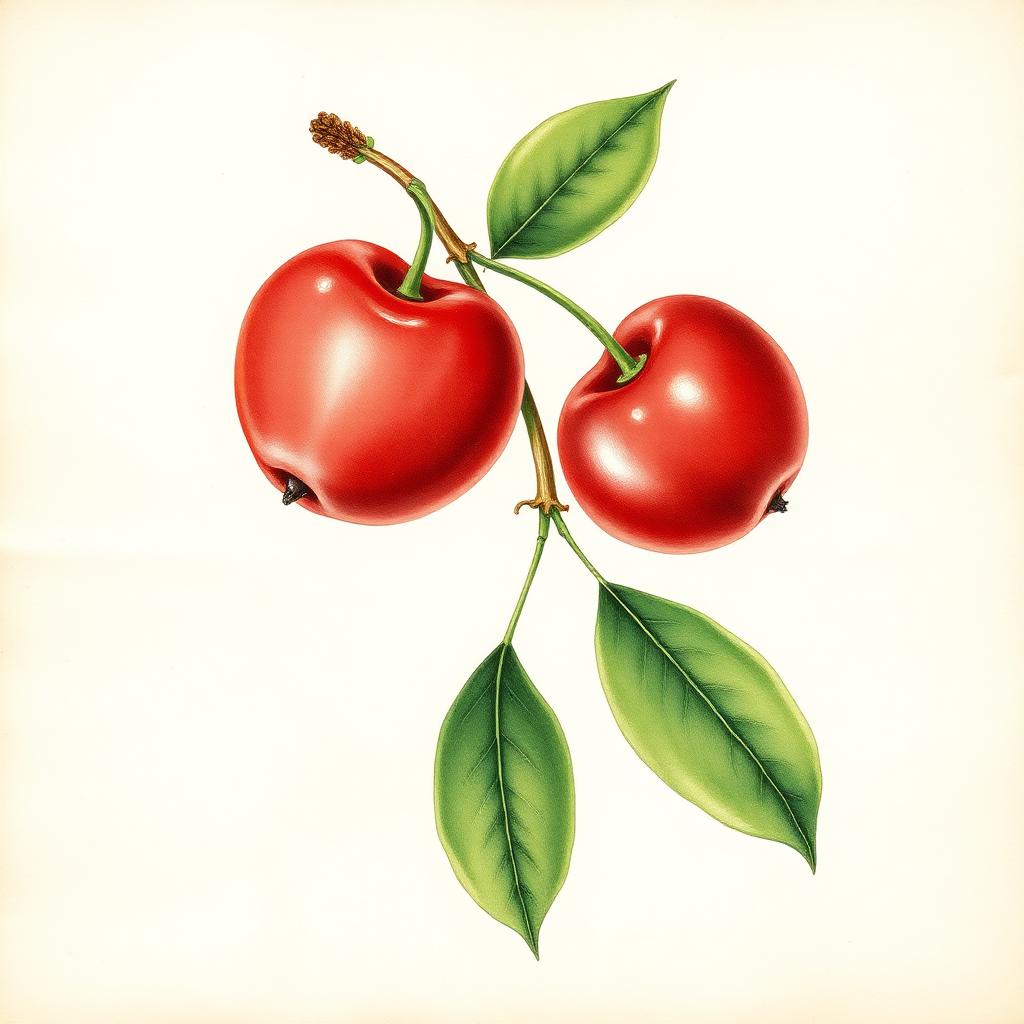
Sour Cherry

Sour Cherry

Cool · Dry

Cools the liver, refreshes the blood, lifts summer heat.
Read the whole guide on one page
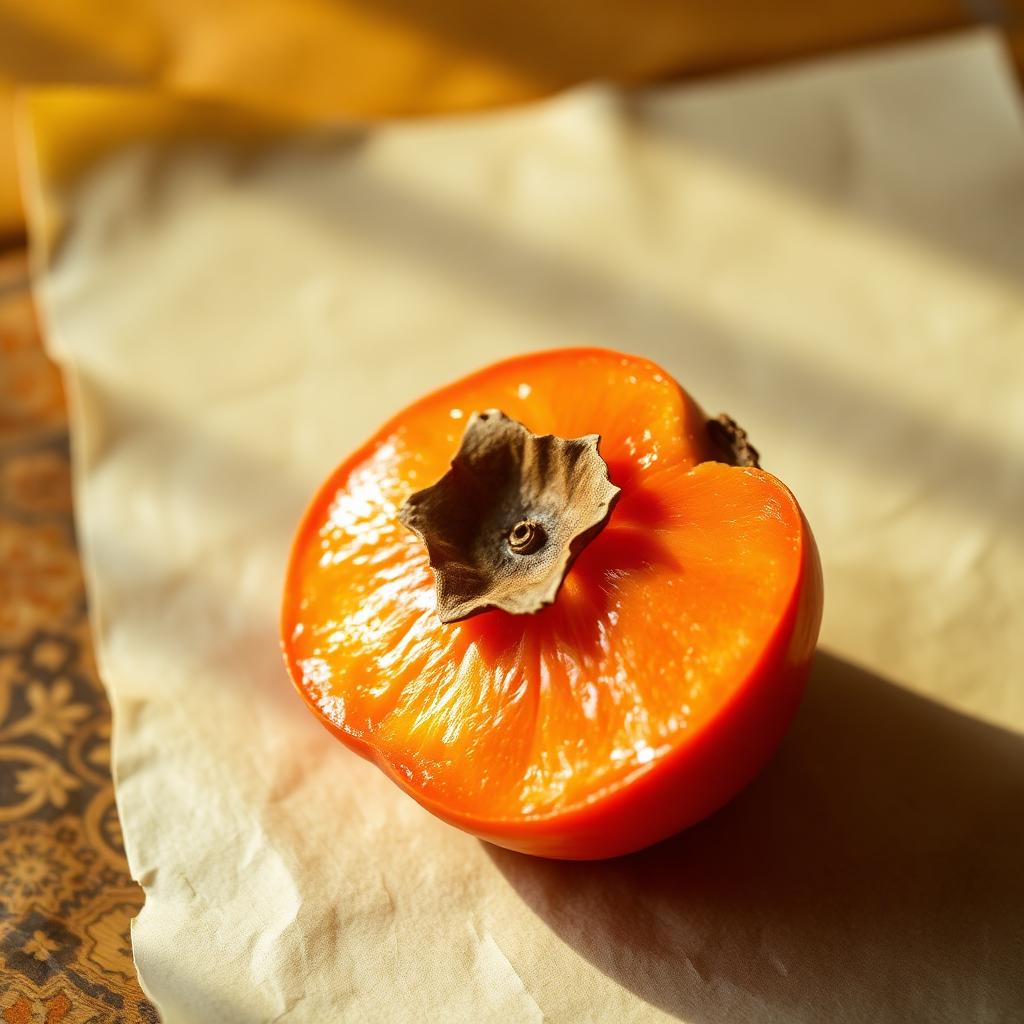
Persimmon

Persimmon

Cool · Moist

Soothes the throat, cools the chest, gentle on the lungs.

Read the whole guide on one page
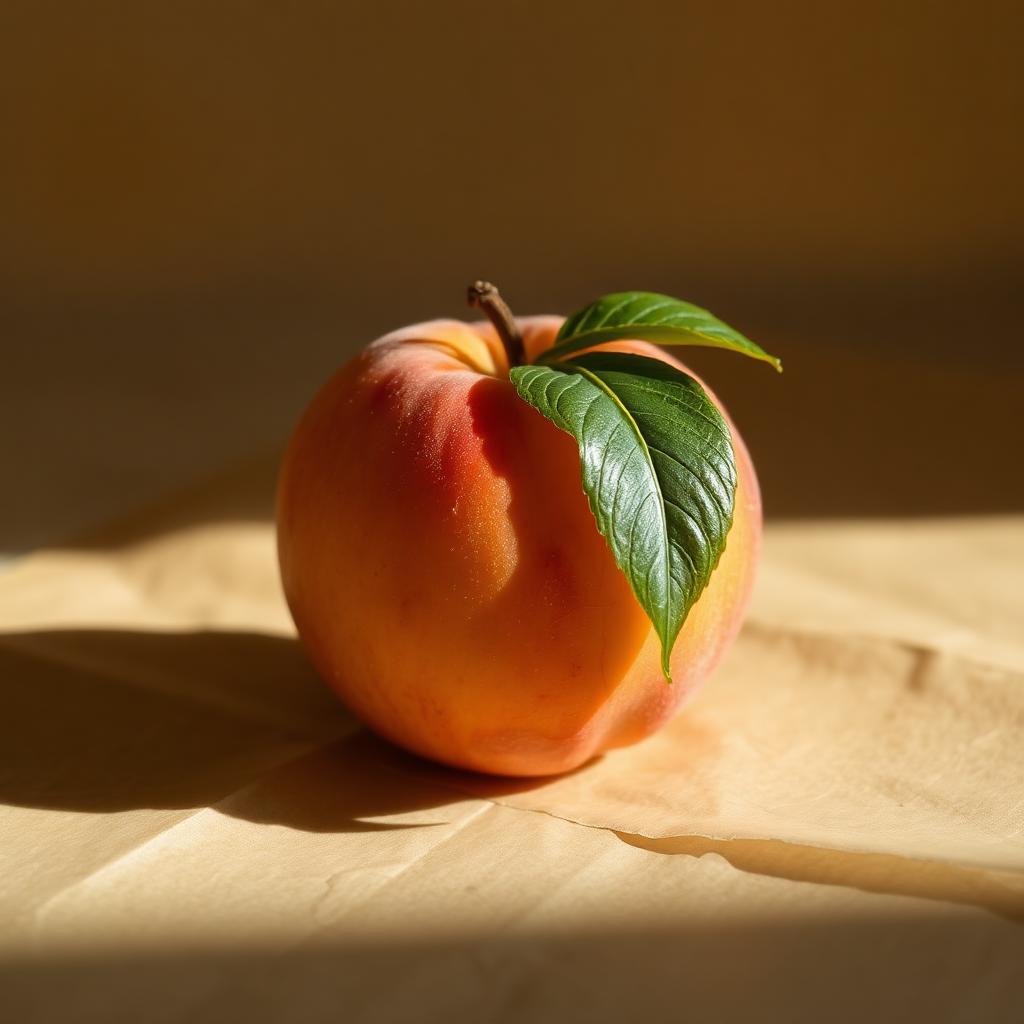
Peach

Peach

Cool · Moist

Refreshes the body, cools summer heat, gentle on the gut.

Read the whole guide on one page
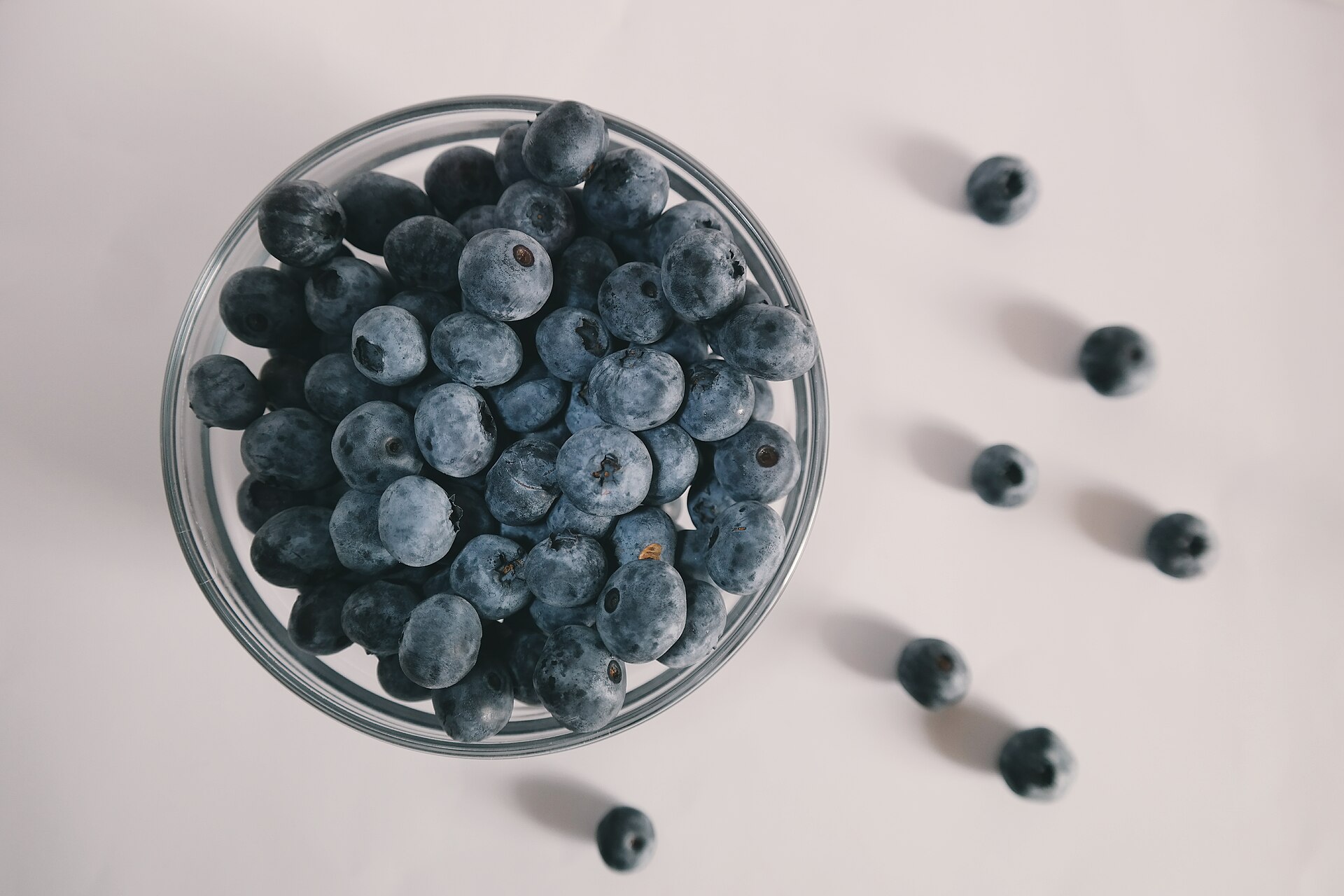
Blueberries

Blueberries

Cool · Moist

Antioxidant-rich berries linked to brain and heart health.

Read the whole guide on one page
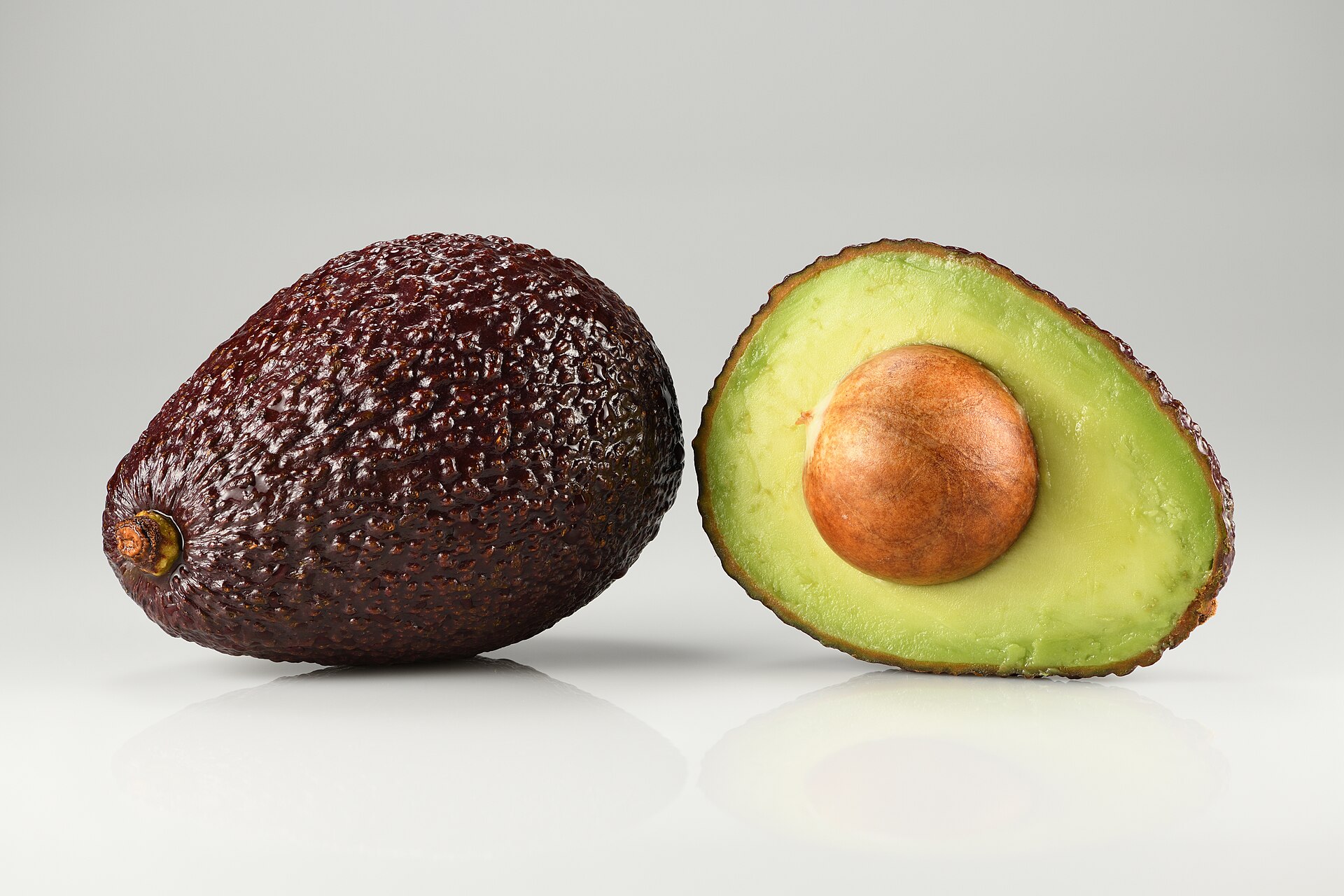
Avocado

Avocado

Warm · Moist

Creamy source of monounsaturated fats, fiber, and potassium.

Read the whole guide on one page
Quince

Quince

Cool · Dry

Strengthens the stomach, calms the heart.

Read the whole guide on one page
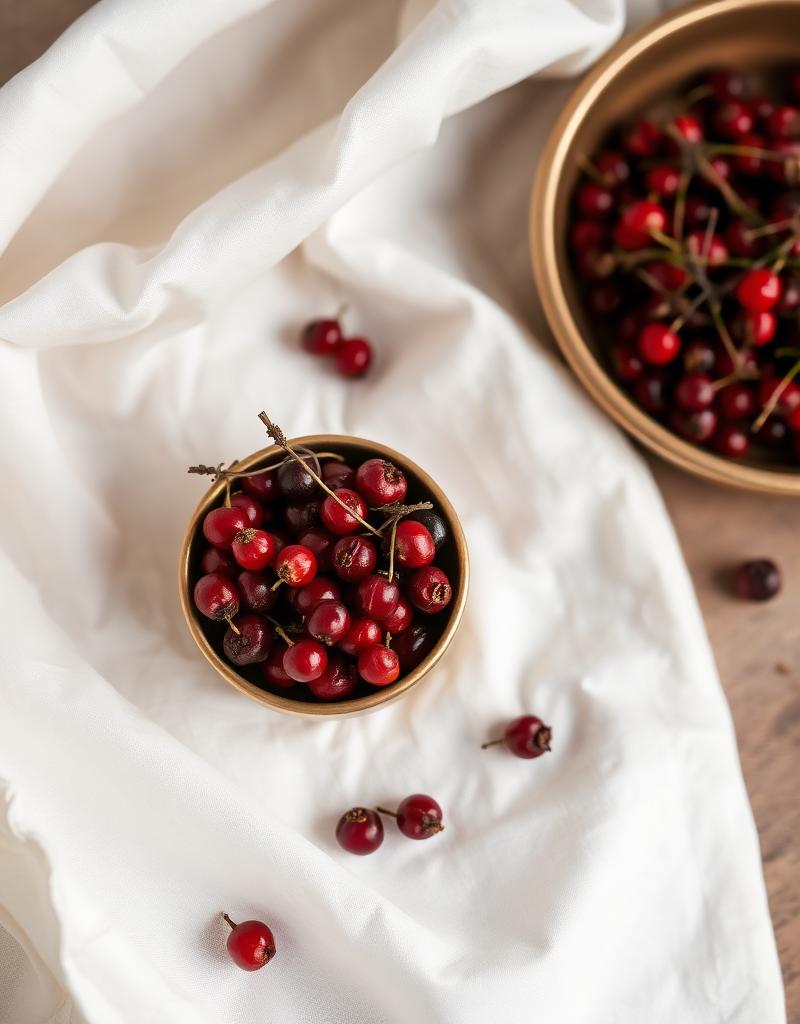
Barberry

Barberry

Cool · Dry

Refreshes the liver, balances heat.

Read the whole guide on one page
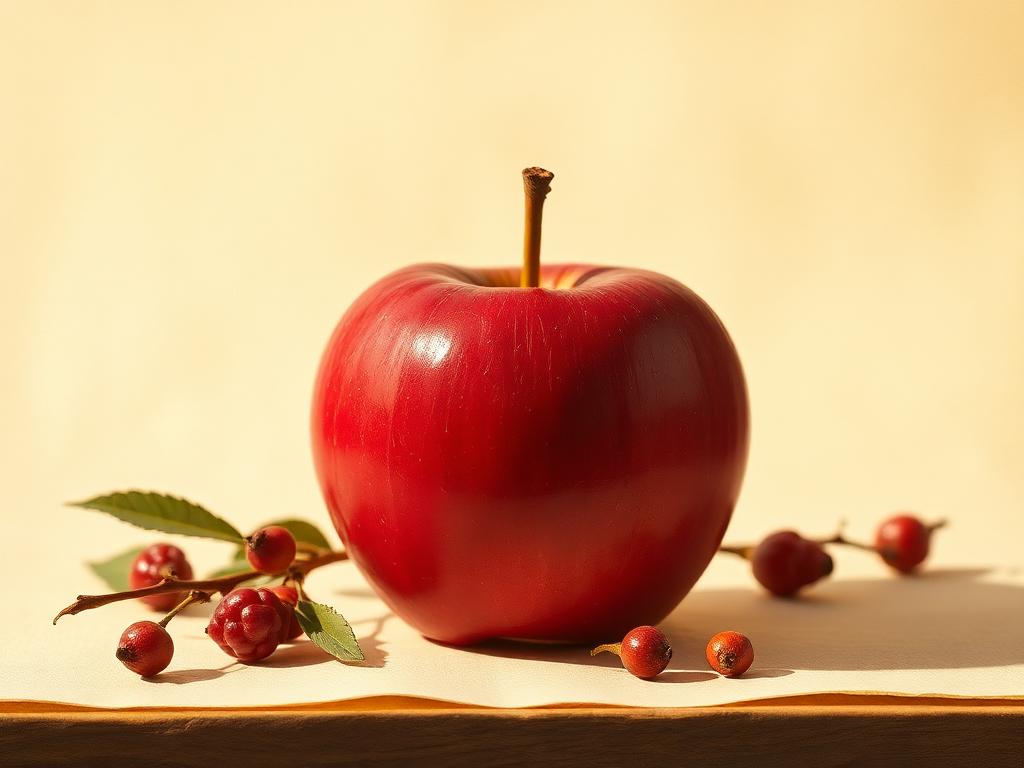
Apple

Apple

Cool · Moist

A daily fruit rich in fiber, polyphenols, and quercetin that supports gut, heart, and metabolic health.

Read the whole guide on one page
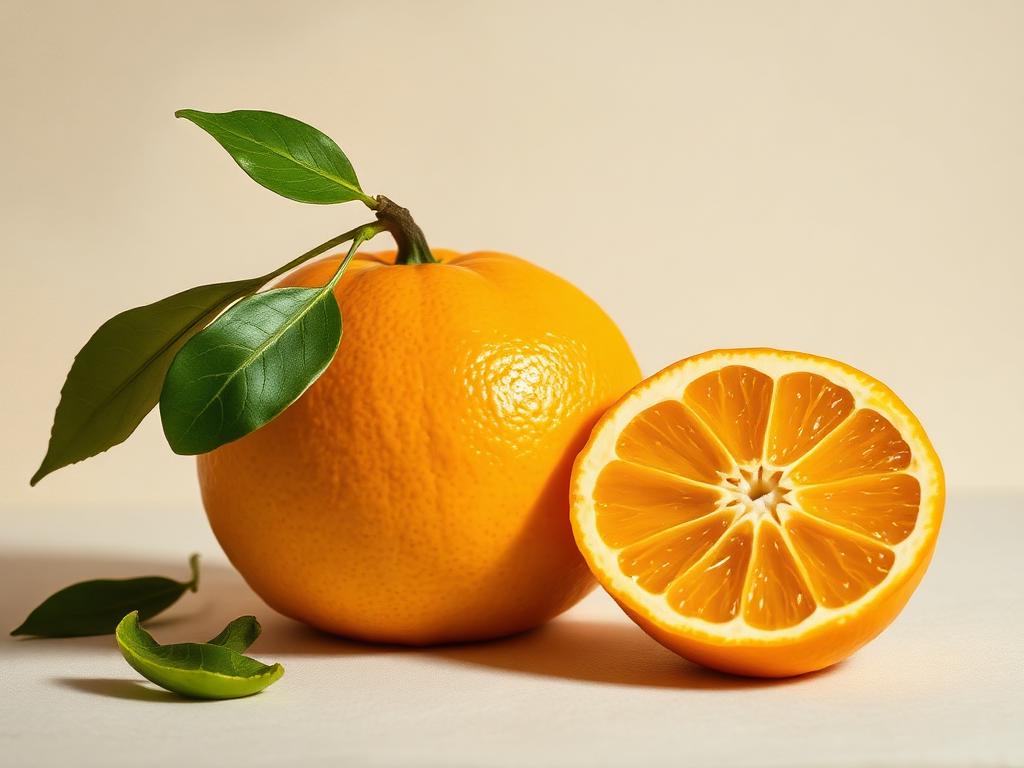
Orange

Orange

Cool · Moist

Vitamin-C powerhouse with flavonoids that support immunity, heart health, and skin.

Read the whole guide on one page
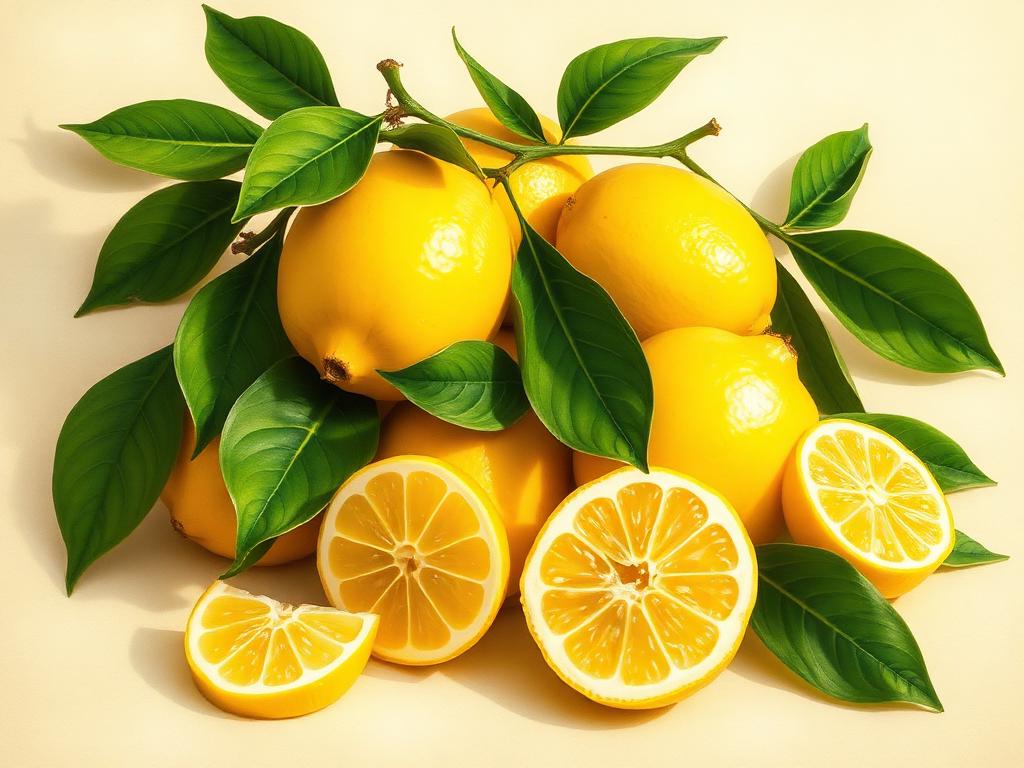
Lemon

Lemon

Cool · Dry

Bright citrus that supports digestion, hydration, and vitamin-C status.

Read the whole guide on one page
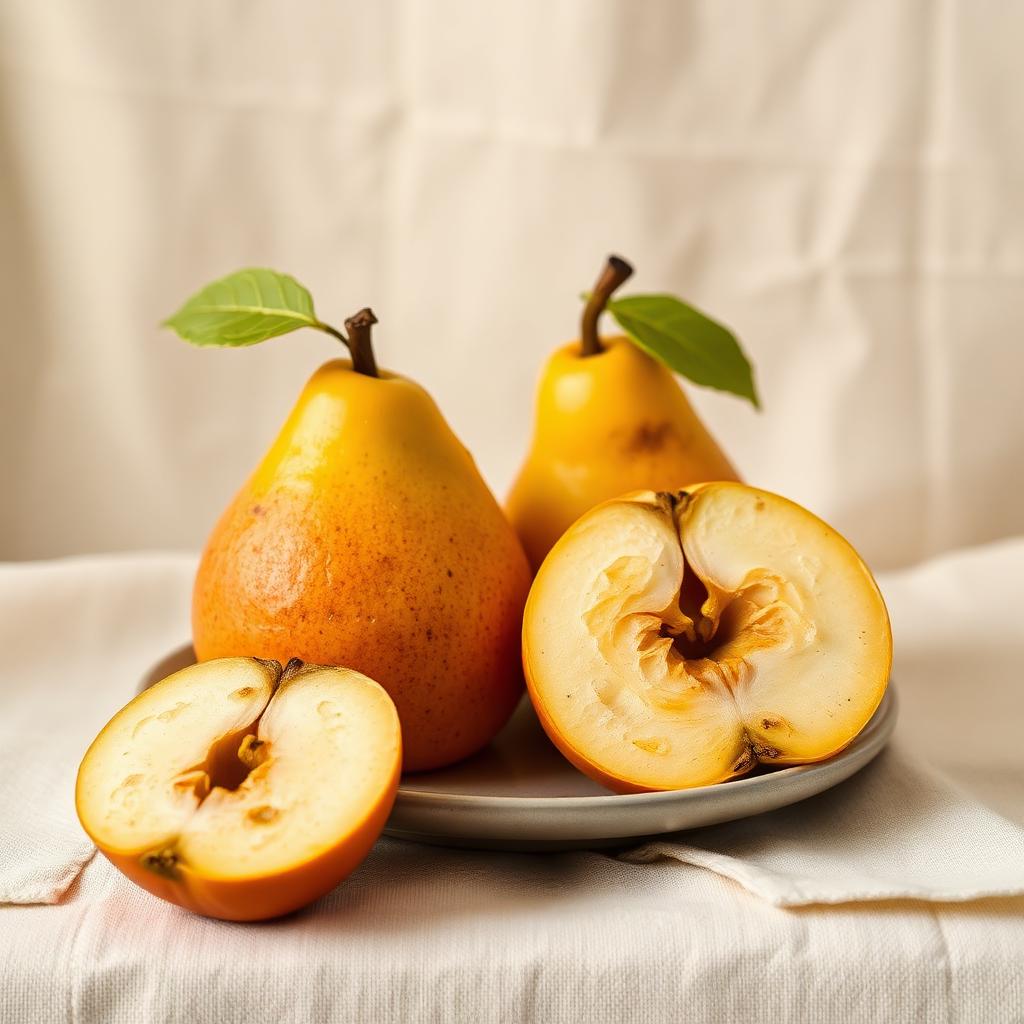
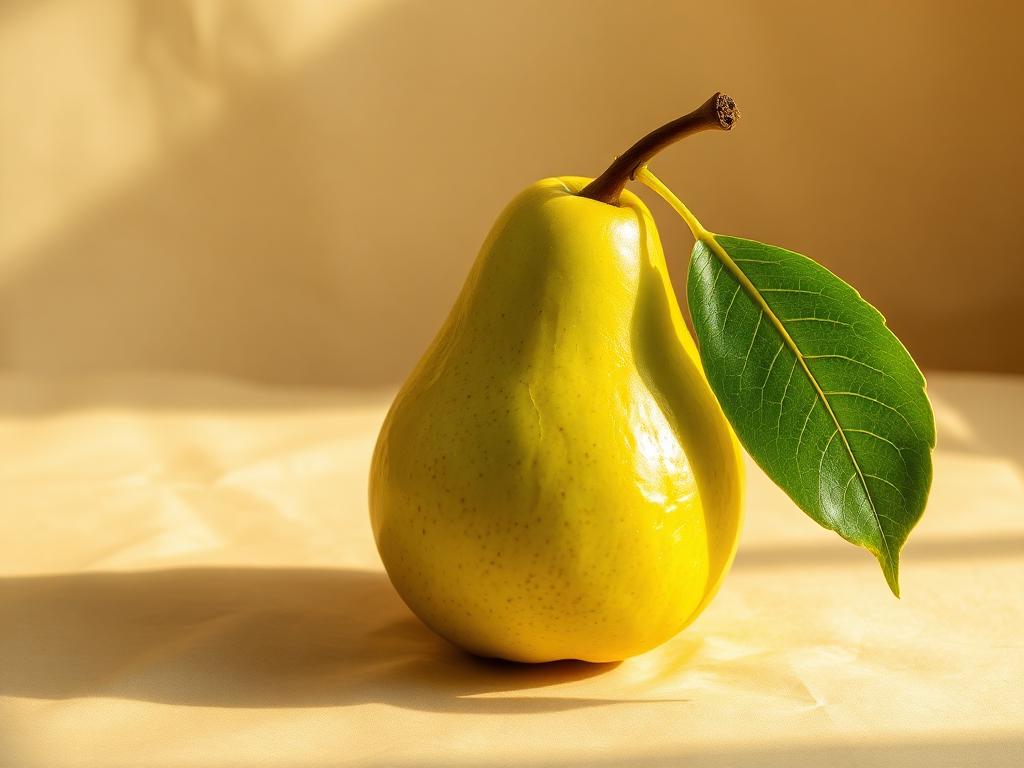
Pear

Pear

Cool · Moist

Hydrating, fiber-rich fruit that soothes the chest and supports gentle digestion.

Read the whole guide on one page
Jujube

Jujube

Warm · Moist

Persian annab — a calming, sleep-friendly fruit traditionally used to nourish the blood.

Read the whole guide on one page
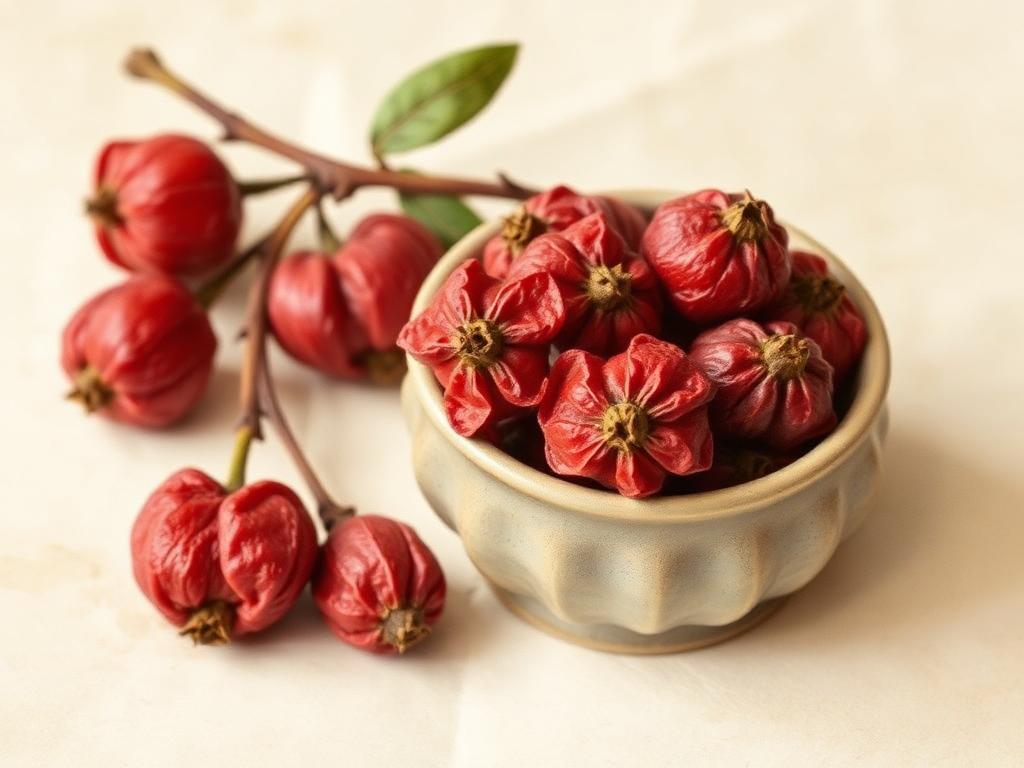
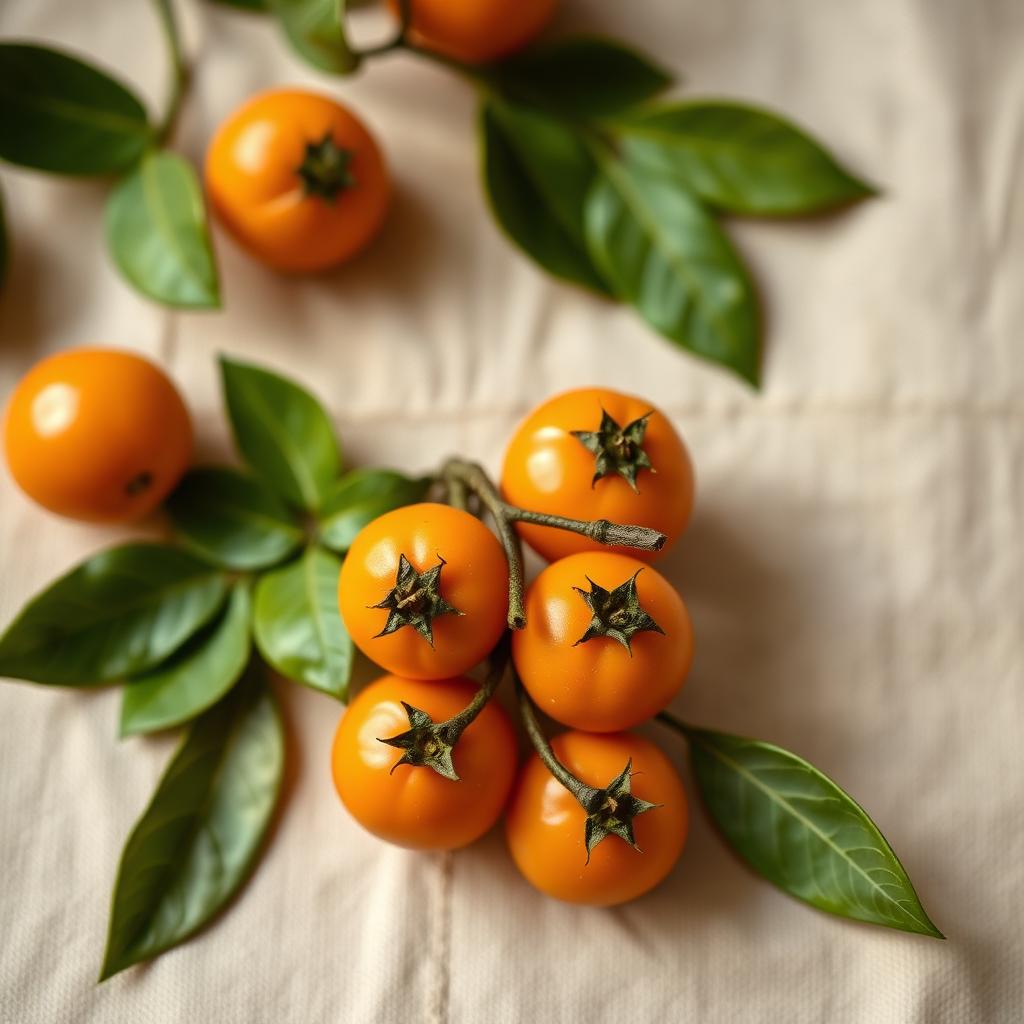
Cornelian Cherry

Cornelian Cherry

Cool · Dry

Persian zoghal akhteh — tart, antioxidant-rich fruit traditionally used to cool and tonify.

Read the whole guide on one page
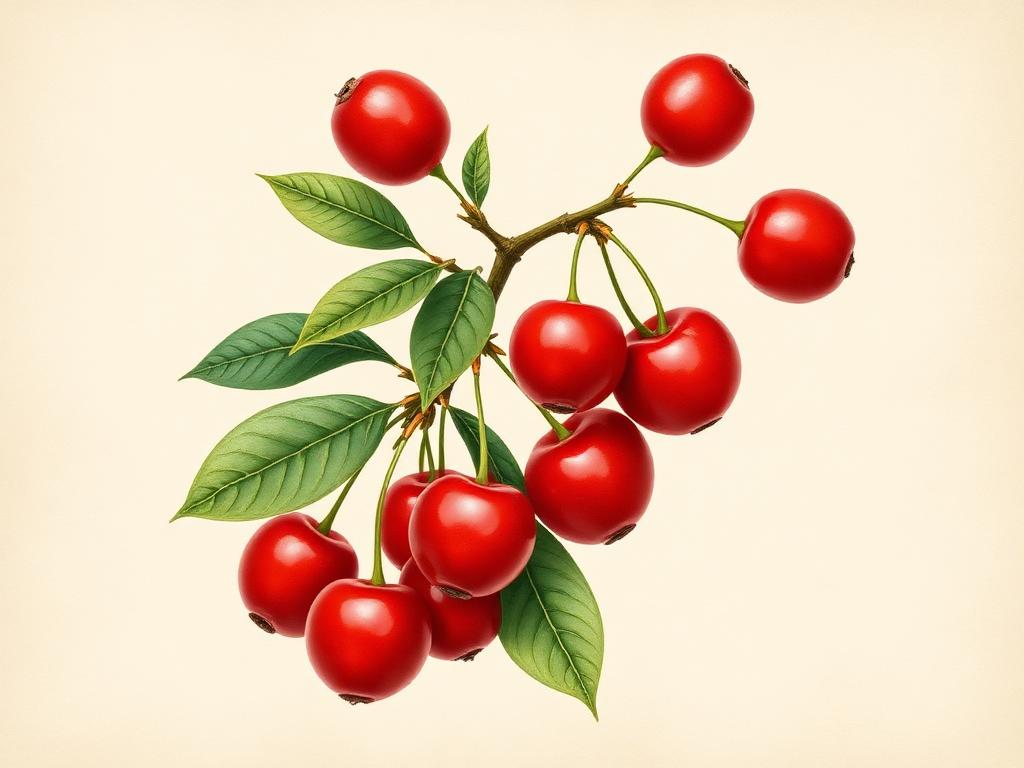
Cherry

Cherry

Cool · Moist

Gilās — sweet summer fruit traditionally used to cool the blood and ease joint inflammation.

Read the whole guide on one page
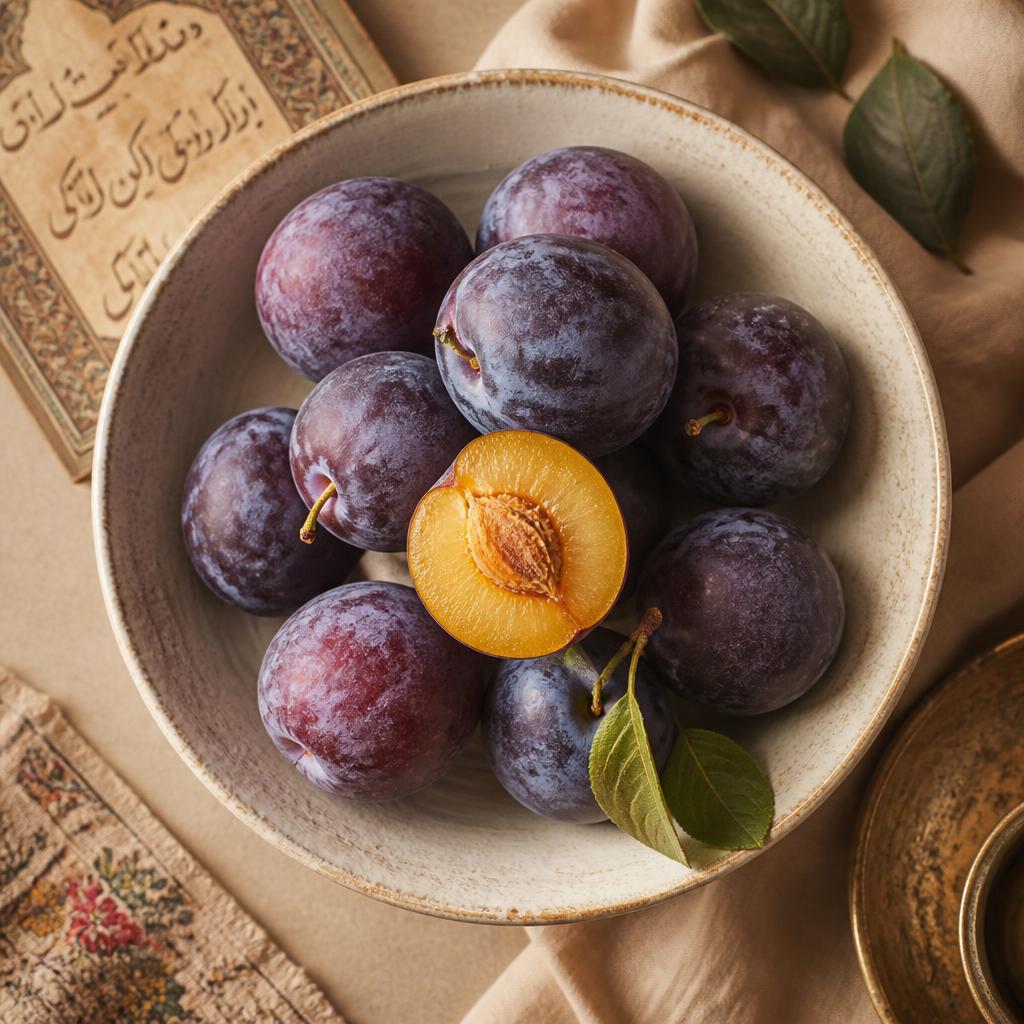
Plum

Plum

Cool · Moist

Ālu — juicy summer stone fruit traditionally used to cool heat, moisten the gut, and ease constipation.

Read the whole guide on one page
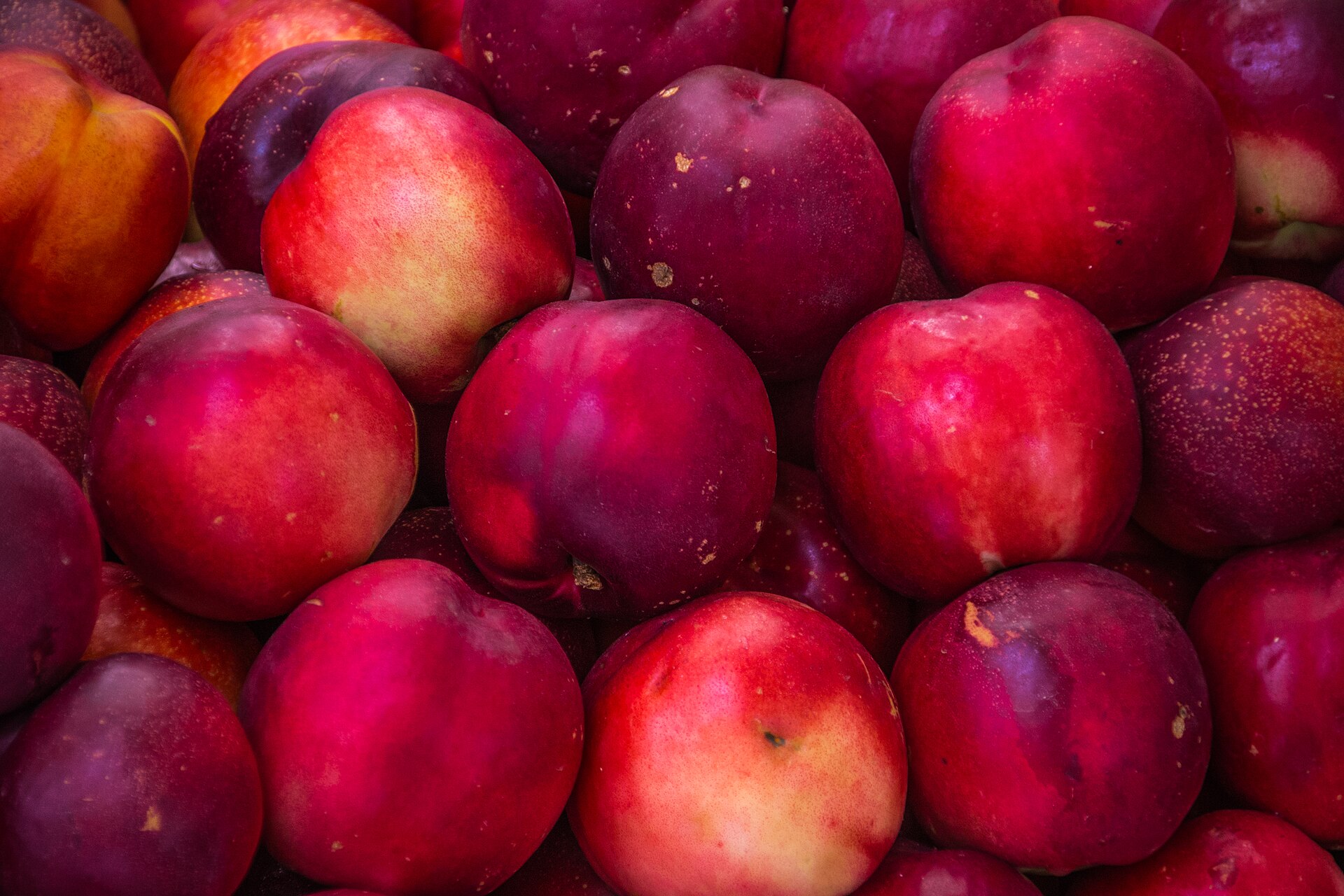
Nectarine

Nectarine

Cool · Moist

Shalil — smooth-skinned cousin of the peach; refreshes the body and gentles summer heat.

Read the whole guide on one page
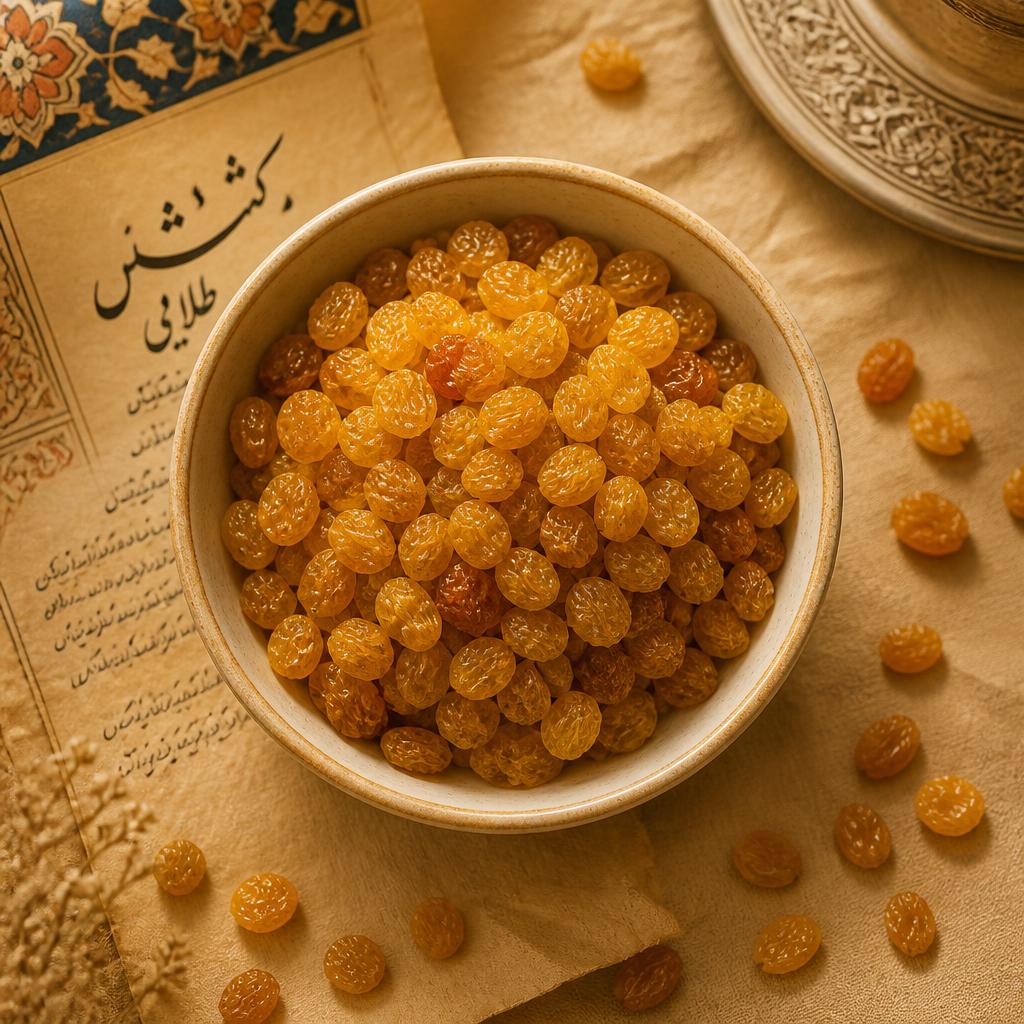
Raisins

Raisins

Warm · Moist

Keshmesh — sun-dried grapes prized as a heart tonic, blood builder, and gentle daily energy.

Read the whole guide on one page
Banana

Banana

Cool · Moist

Moz — potassium-rich fruit that steadies energy, soothes the gut, and supports the heart.

Read the whole guide on one page
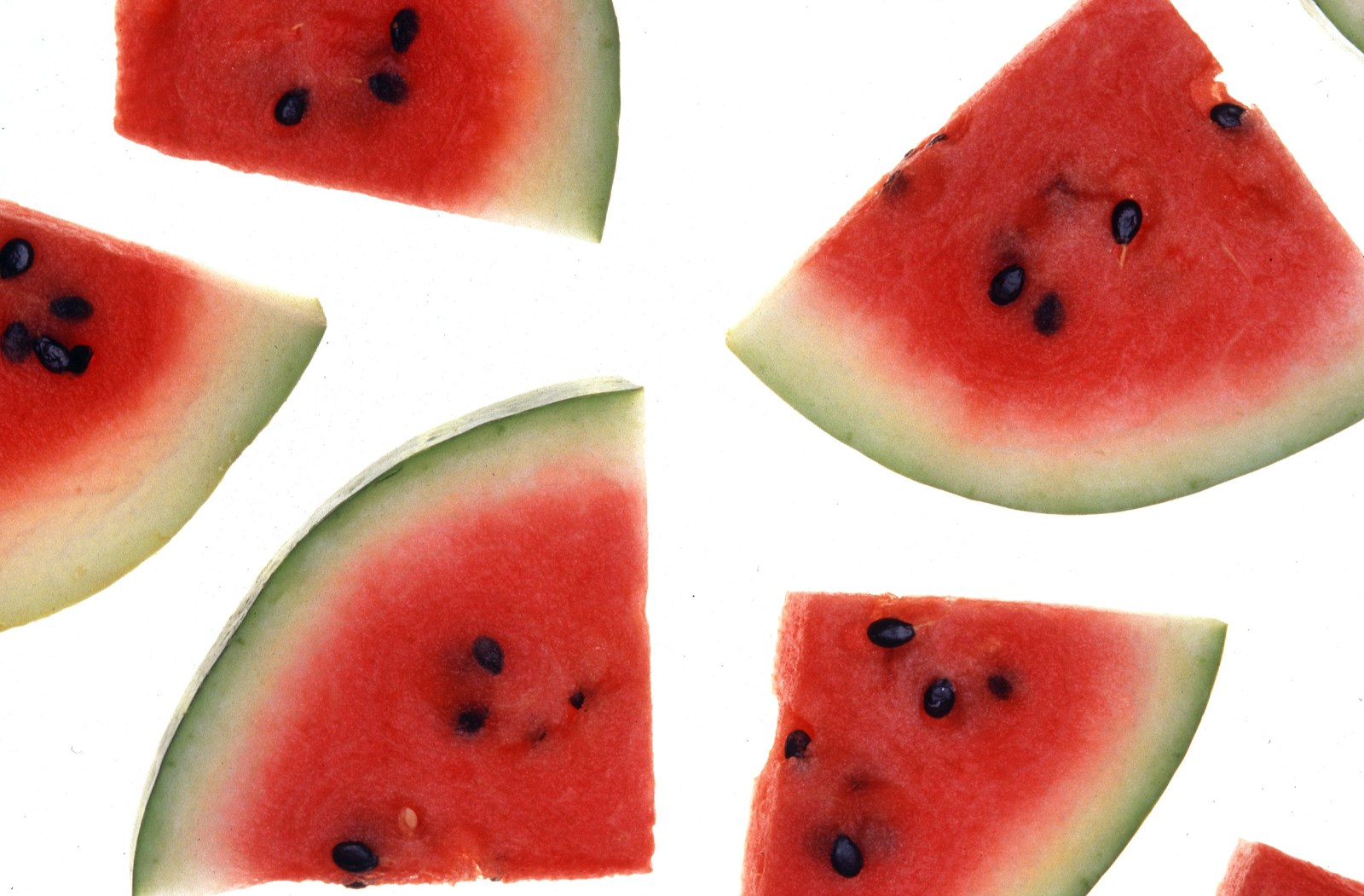
Watermelon

Watermelon

Cold · Moist

Hendevāneh — the classic Persian summer fruit; hydrates, cools, and flushes the kidneys.

Read the whole guide on one page
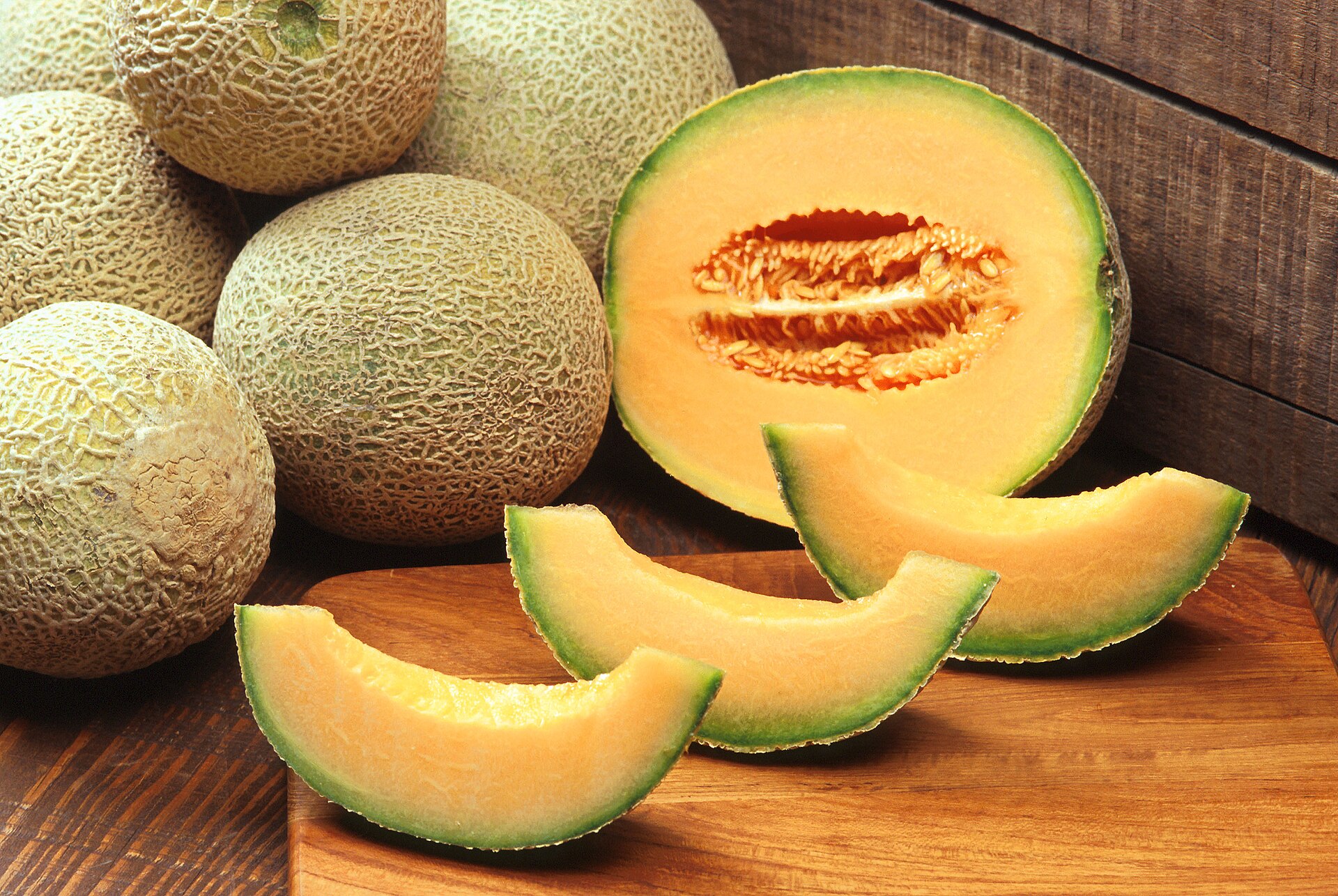
Cantaloupe

Cantaloupe

Cool · Moist

Tālebi — fragrant Persian musk melon that hydrates, cools the liver, and refreshes the spirit.

Read the whole guide on one page
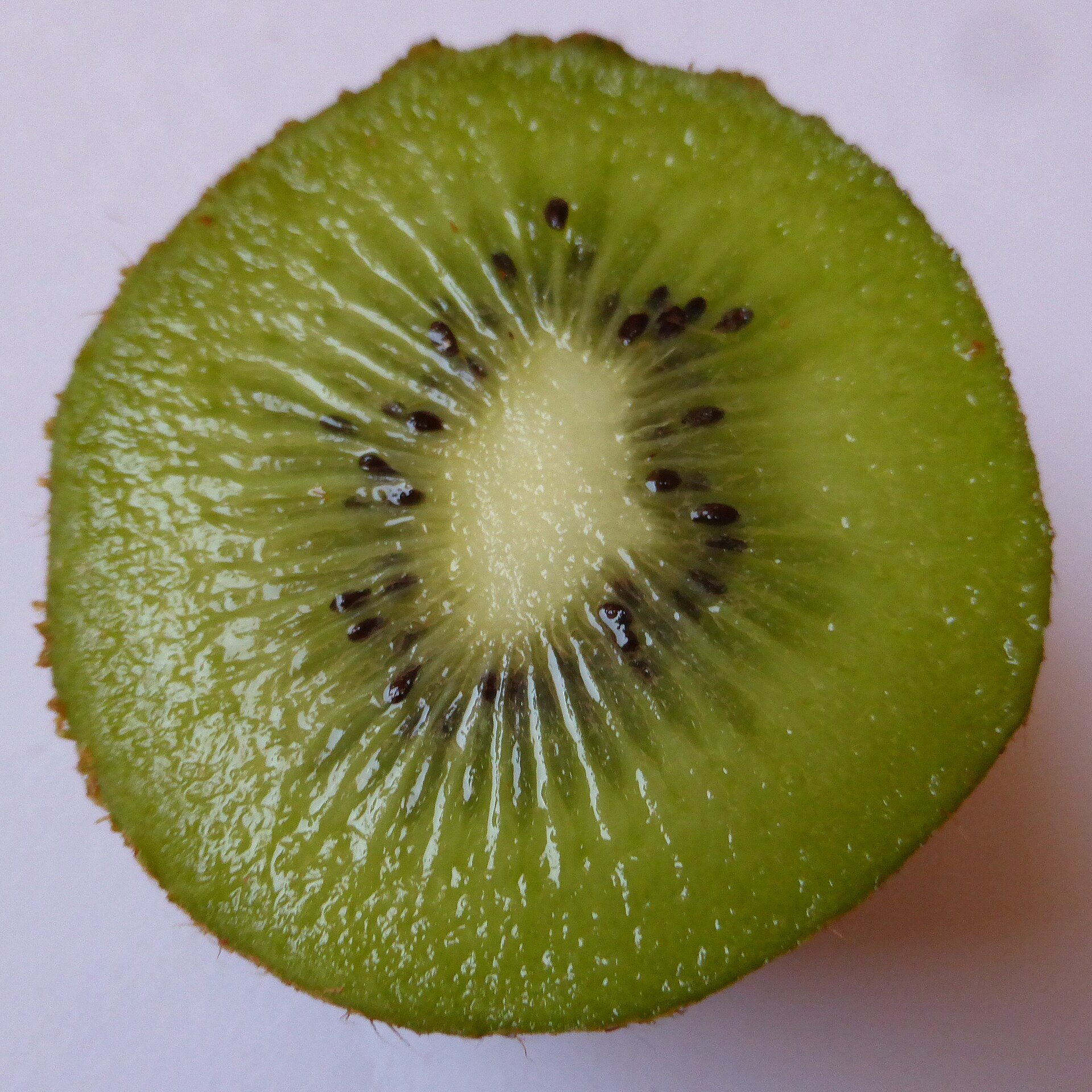
Kiwi

Kiwi

Cool · Moist

Kivi — vitamin-C powerhouse that supports immunity, digestion, and vascular health.

Read the whole guide on one page
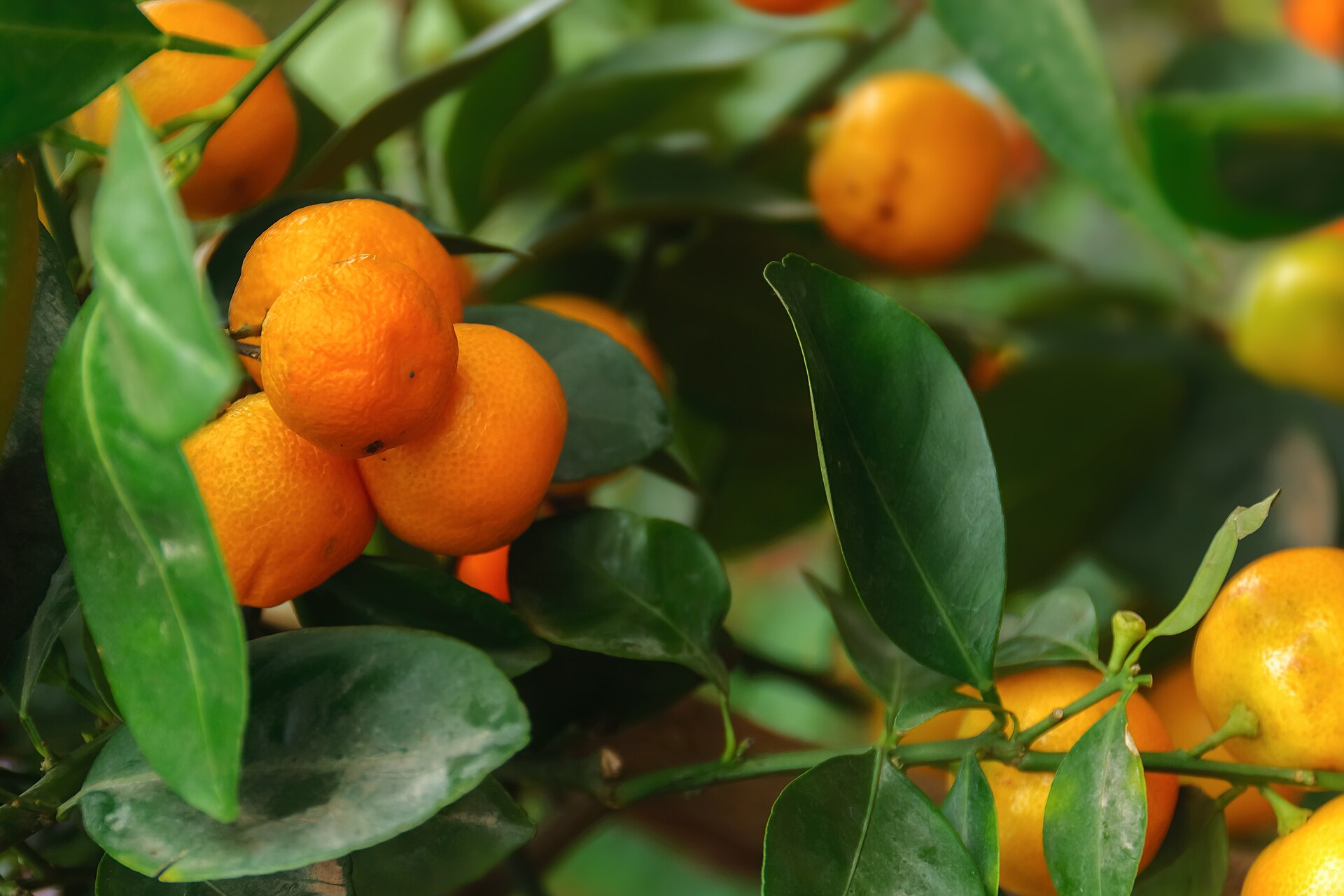
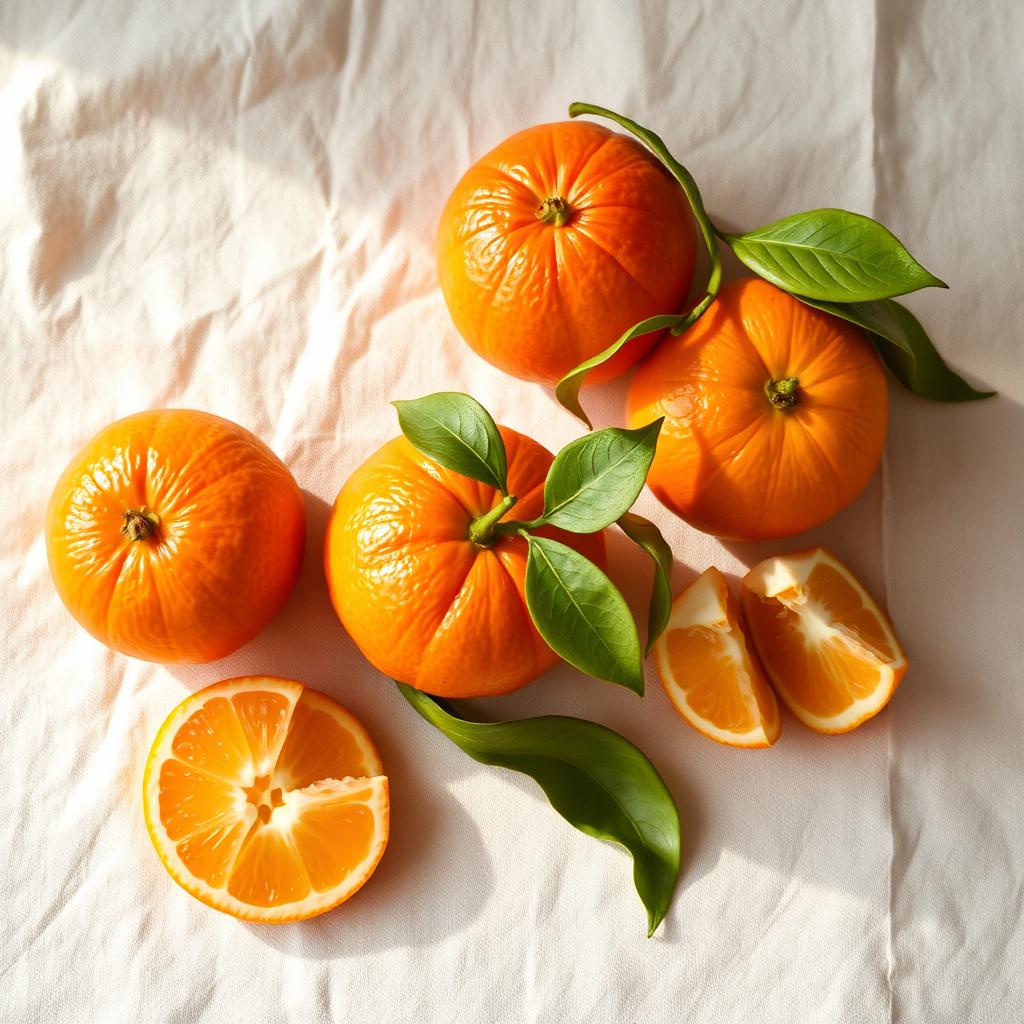
Mandarin

Mandarin

Cool · Moist

Nārengi — easy-peel citrus rich in vitamin C and flavonoids; a gentle winter immune ally.

Read the whole guide on one page
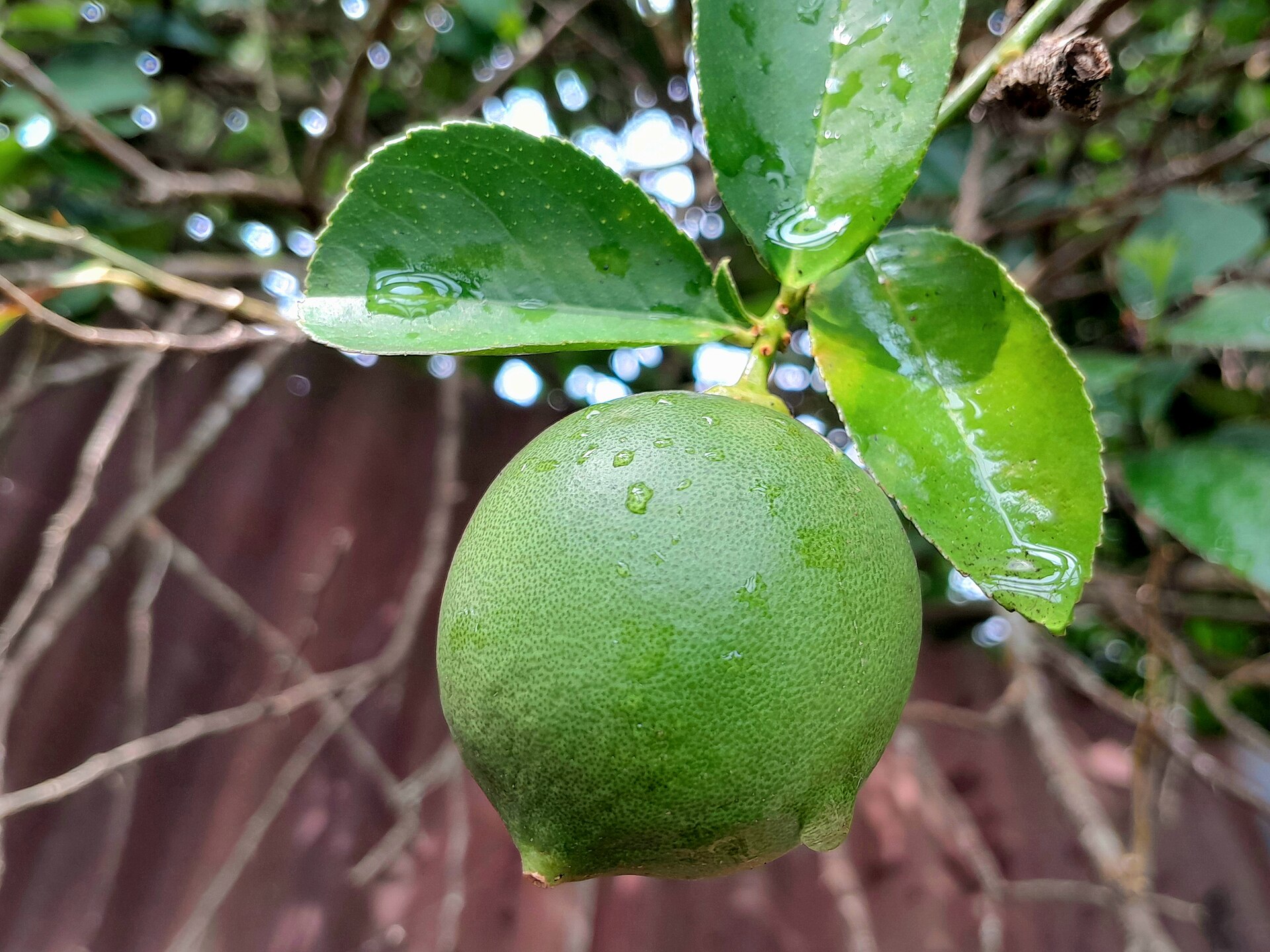
Lime

Lime

Cool · Dry

Limu torsh — Persian kitchen essential; brightens digestion, freshens the palate, and supports vitamin C.

Read the whole guide on one page
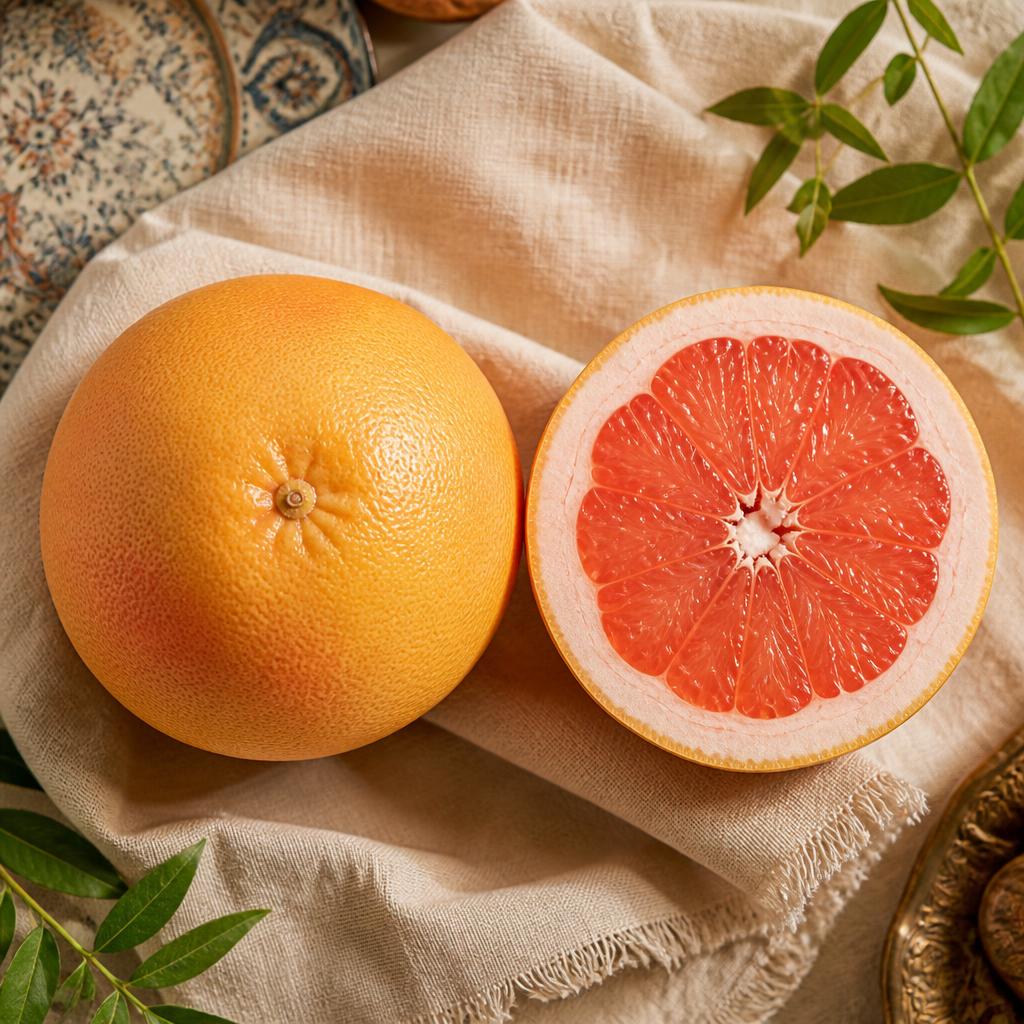
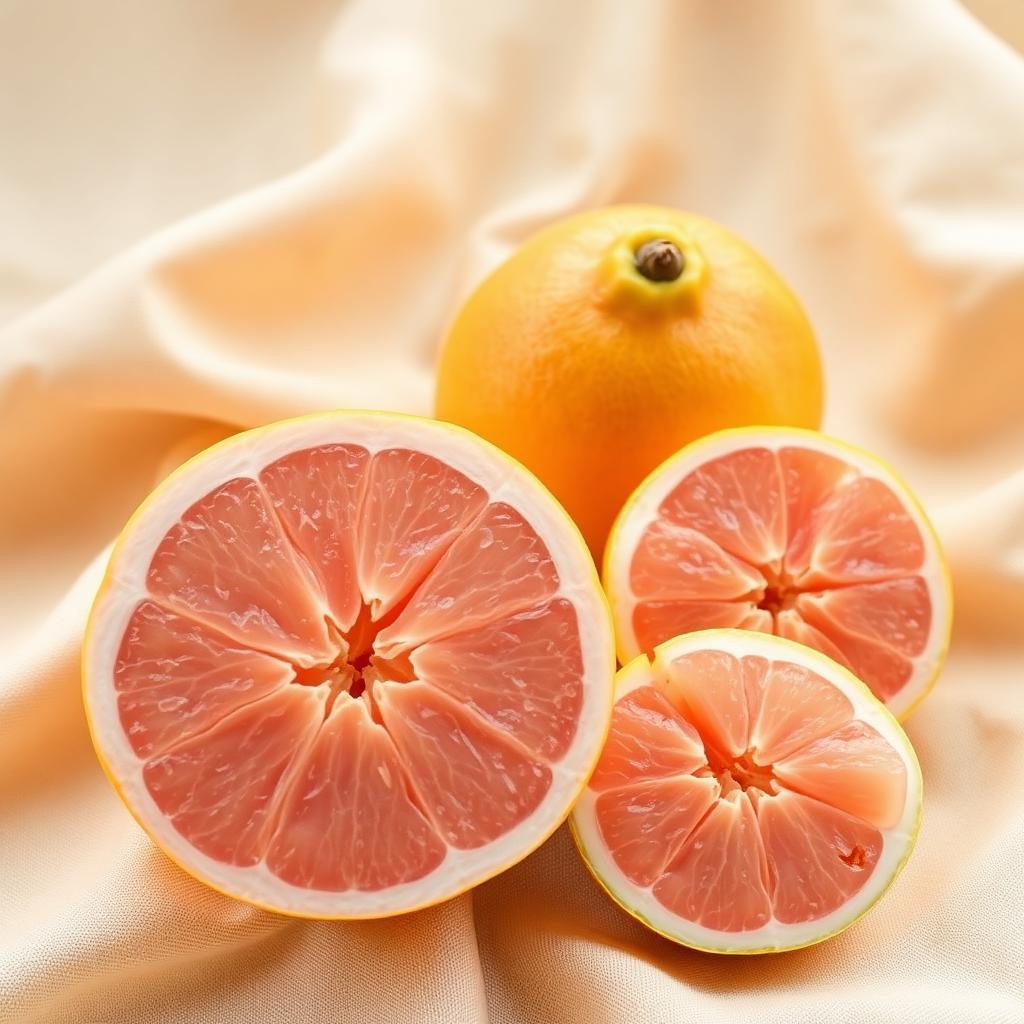
Grapefruit

Grapefruit

Cool · Moist

Greypfrut — bitter-sweet citrus rich in flavonoids that support metabolism, heart, and liver.

Read the whole guide on one page
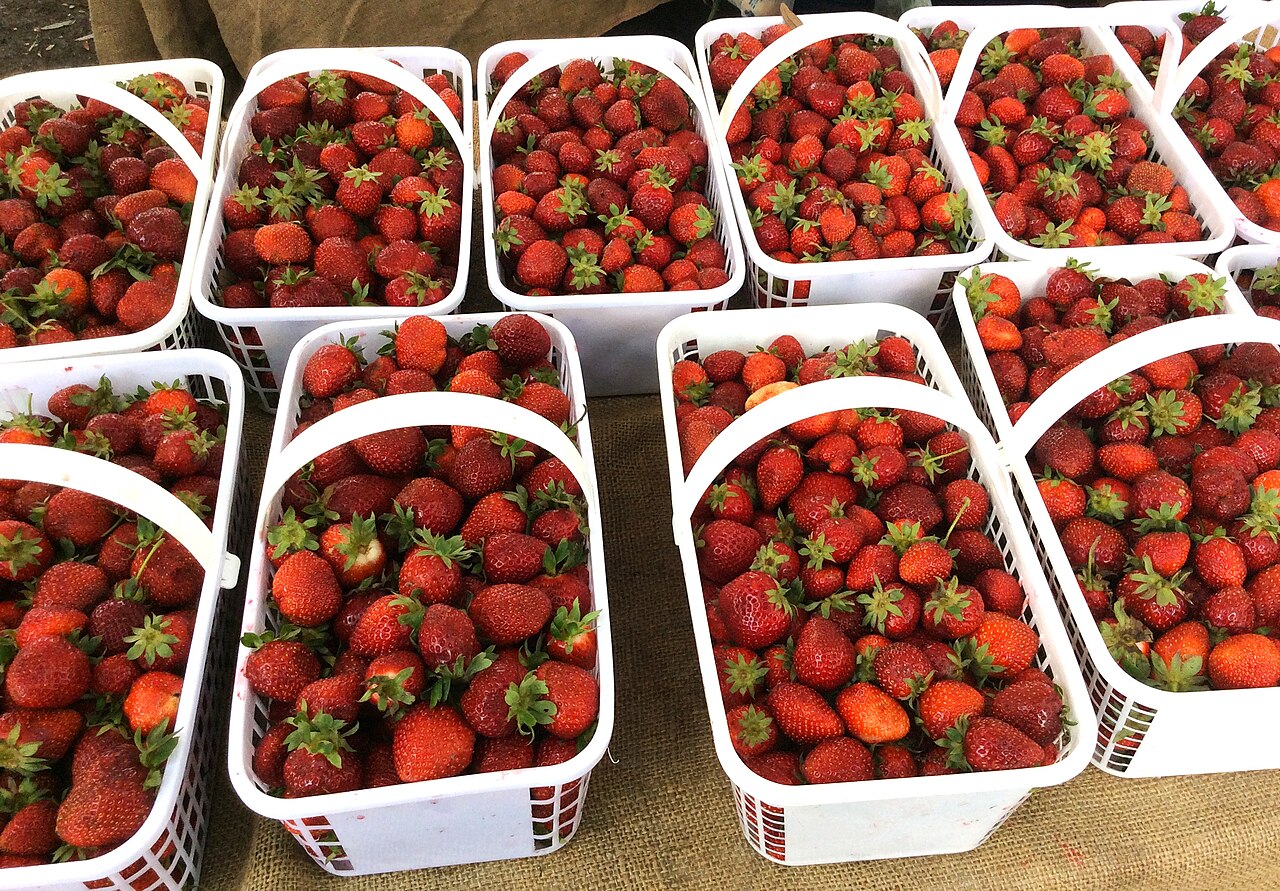
Strawberry

Strawberry

Cool · Moist

Tut-farangi — polyphenol-rich berry linked to heart, brain, and blood-sugar health.

Read the whole guide on one page
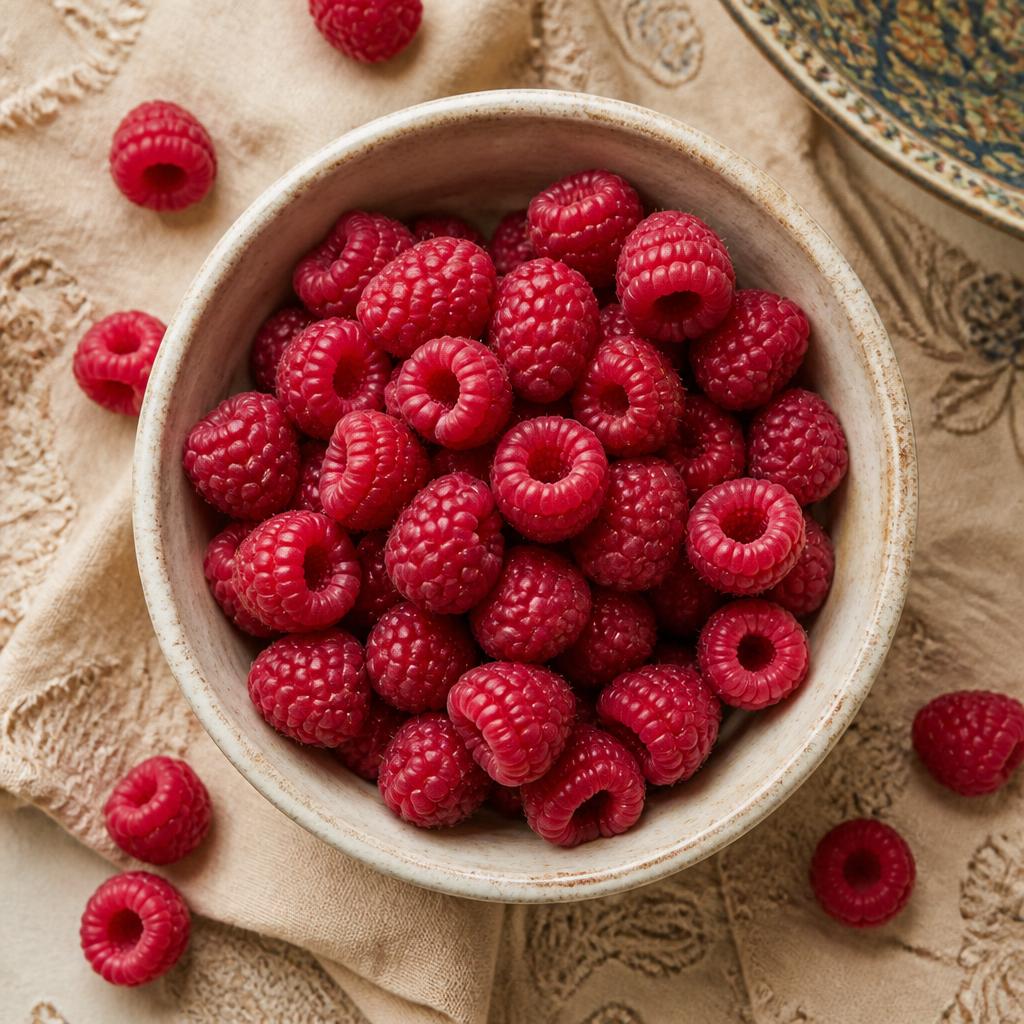
Raspberry

Raspberry

Cool · Moist

Tameshk — delicate berry rich in ellagitannins and fiber; supports the gut and vascular system.

Read the whole guide on one page
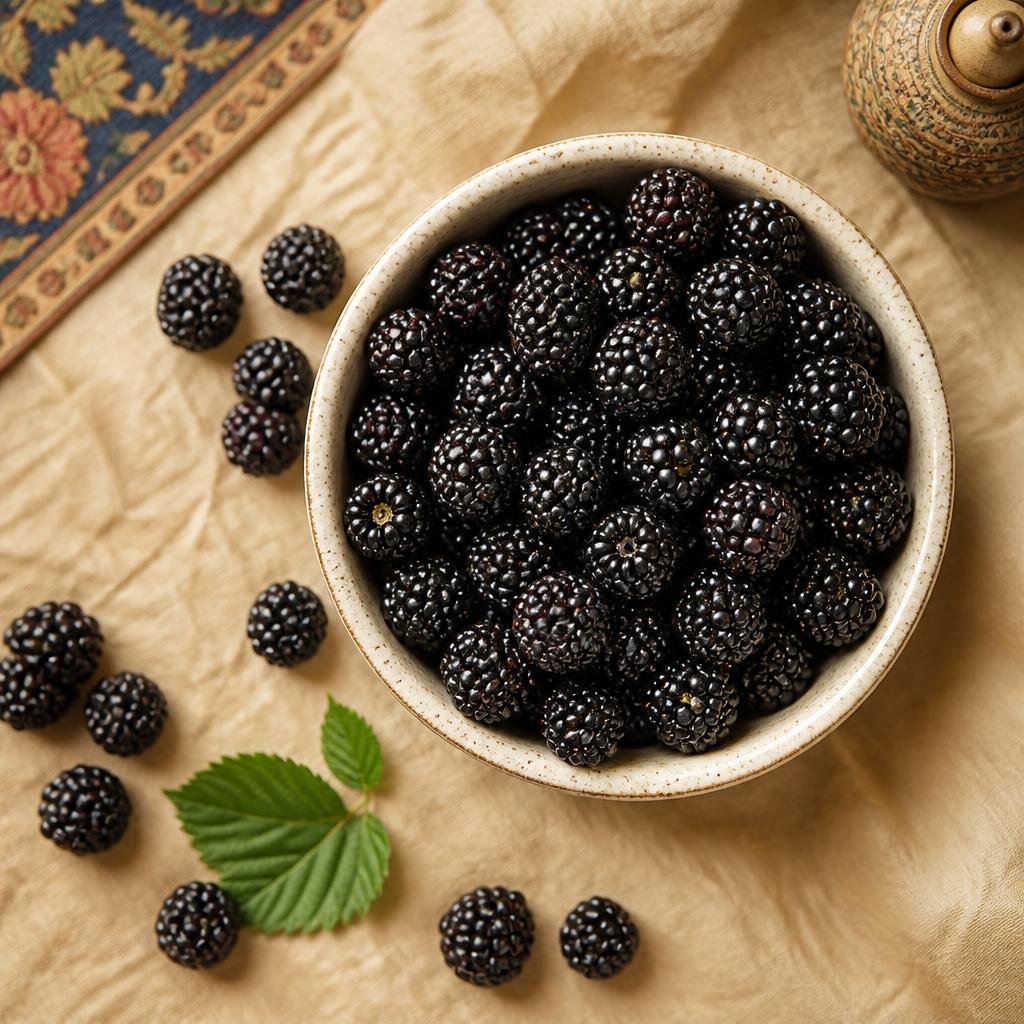
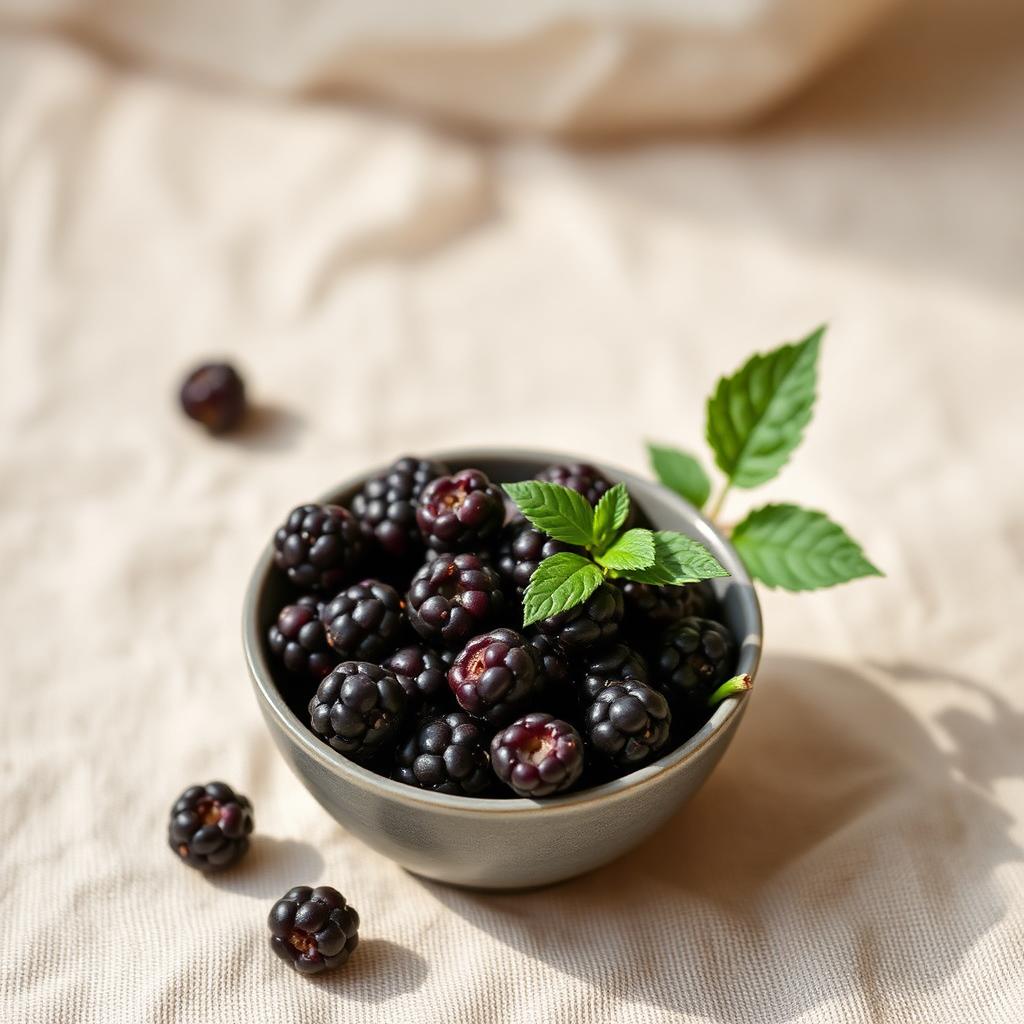
Blackberry

Blackberry

Cool · Moist

Tut-e siāh — dark drupelet berry packed with anthocyanins that support brain and heart health.

Read the whole guide on one page
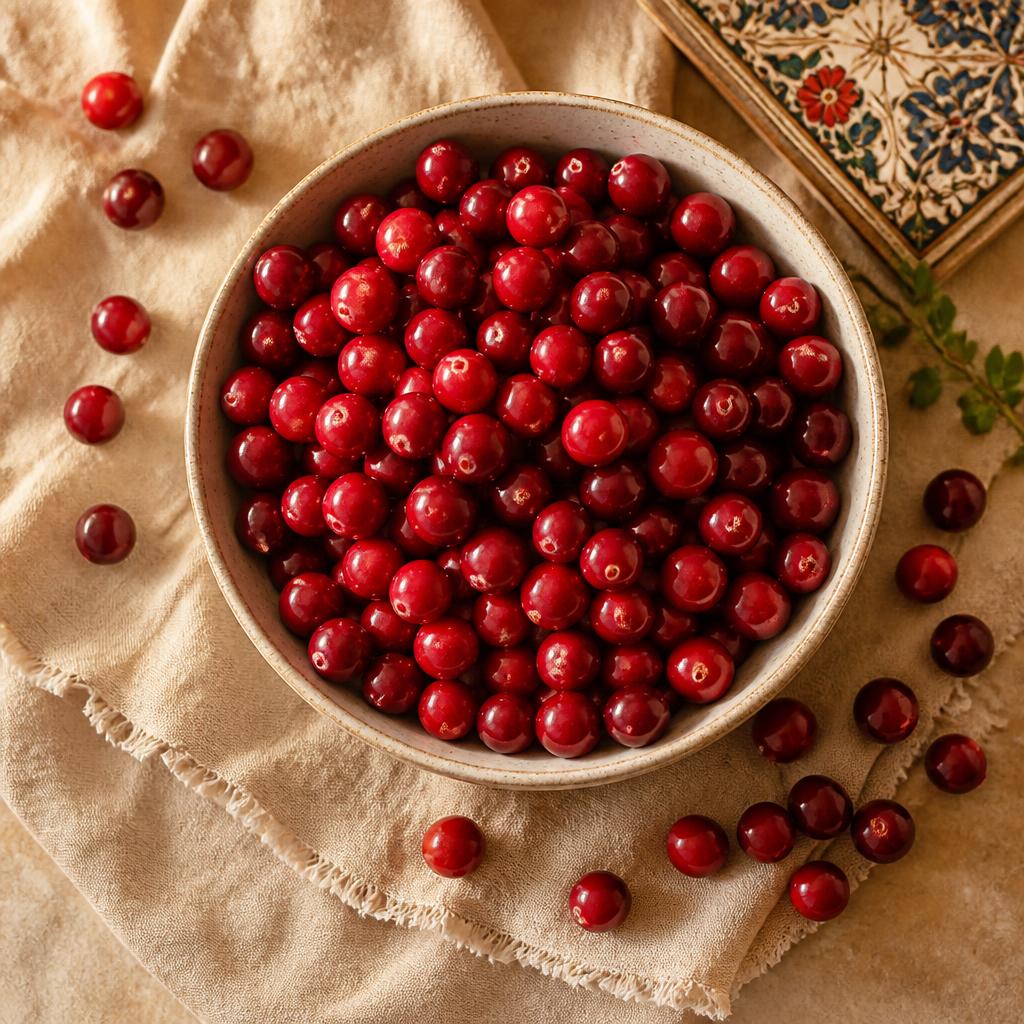
Cranberry

Cranberry

Cool · Dry

Kranberi — tart berry classically studied for urinary tract and vascular health.

Read the whole guide on one page
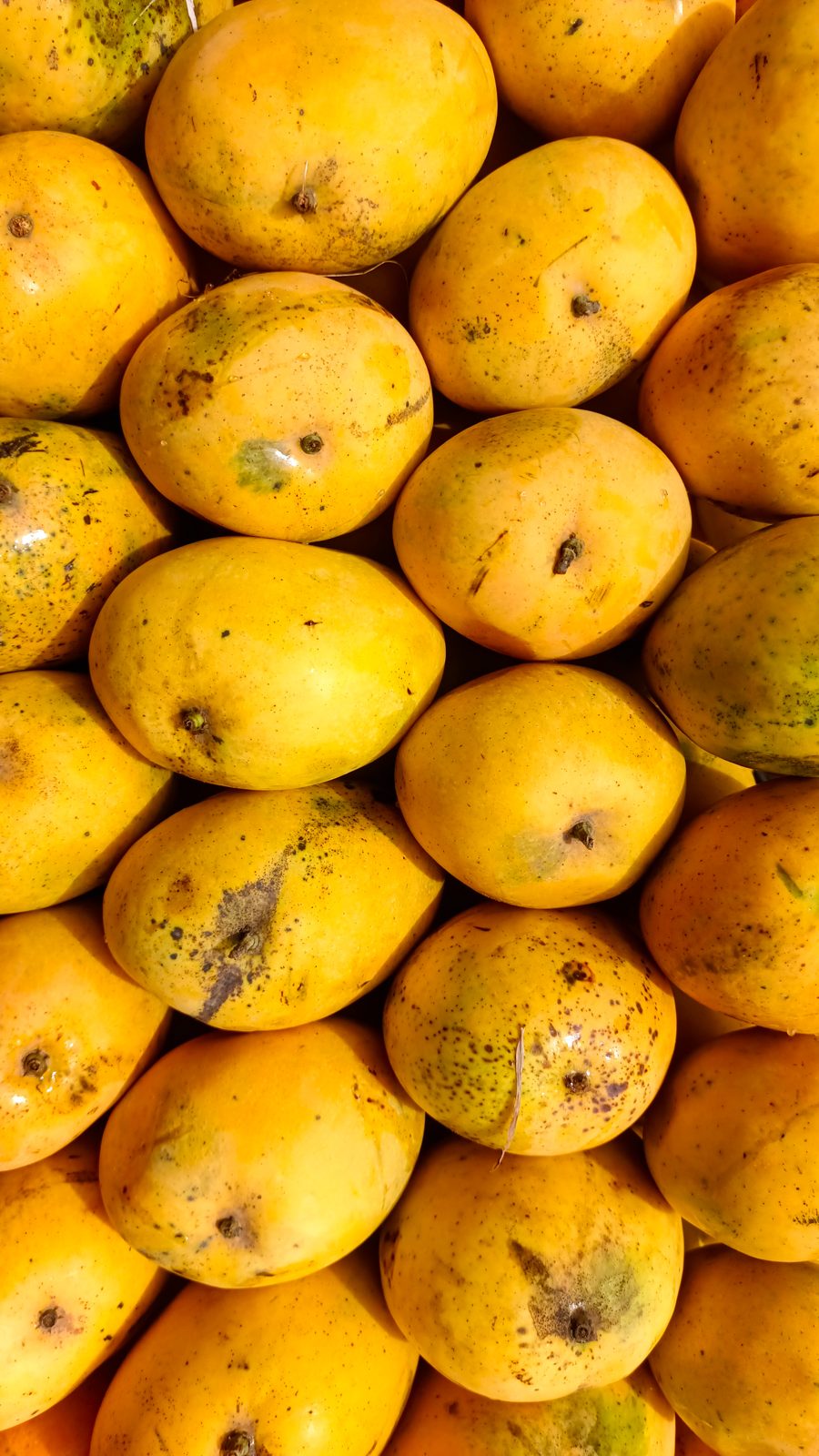
Mango

Mango

Warm · Moist

Anbeh — tropical stone fruit rich in vitamin A, C, and polyphenols that nourish skin and immunity.

Read the whole guide on one page
Pineapple

Pineapple

Warm · Moist

Ānānās — bromelain-rich tropical fruit that supports digestion and gentle recovery from inflammation.

Read the whole guide on one page
Papaya

Papaya

Warm · Moist

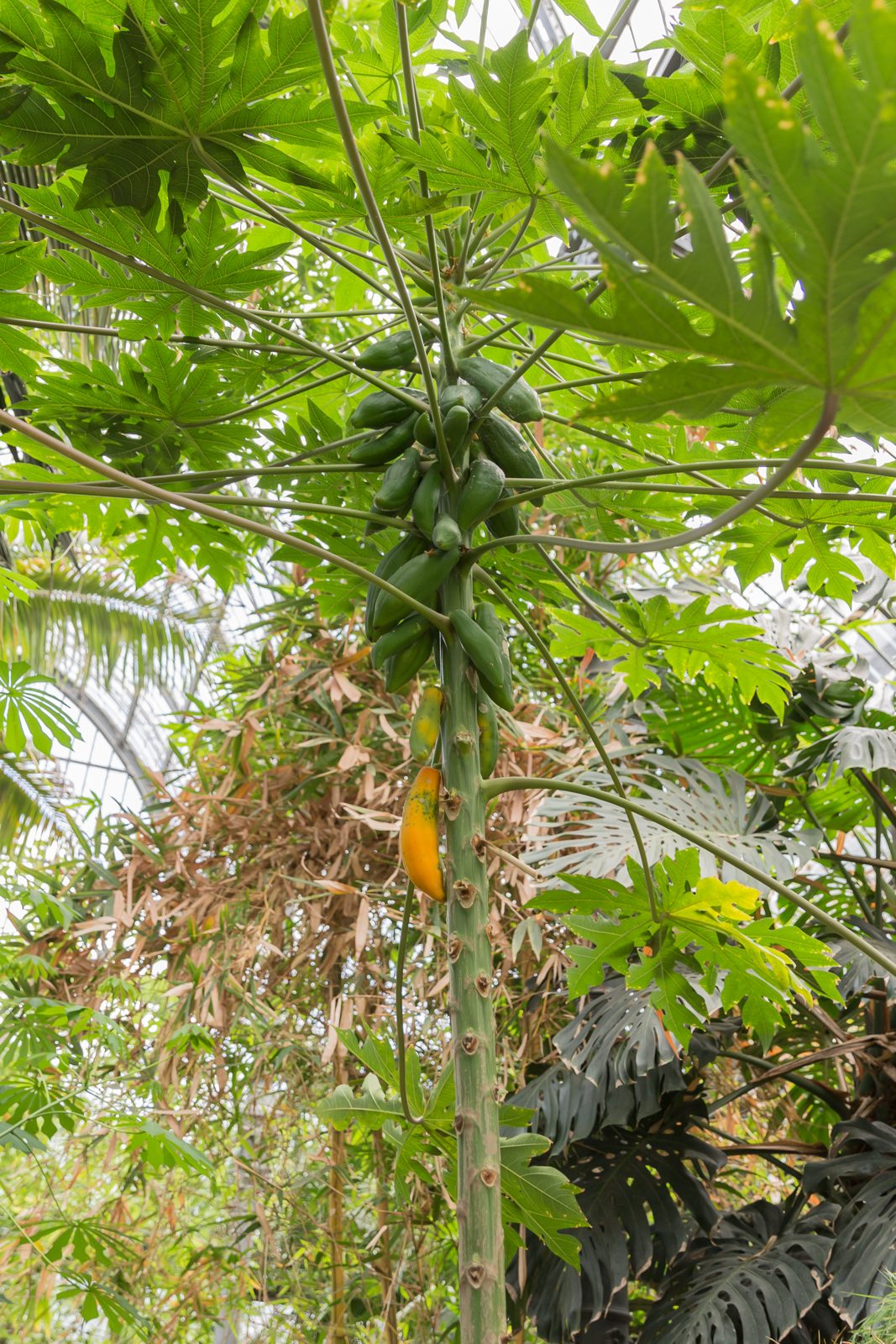
Pāpāyā — enzyme-rich tropical fruit that aids digestion and delivers vitamins A and C.

Read the whole guide on one page
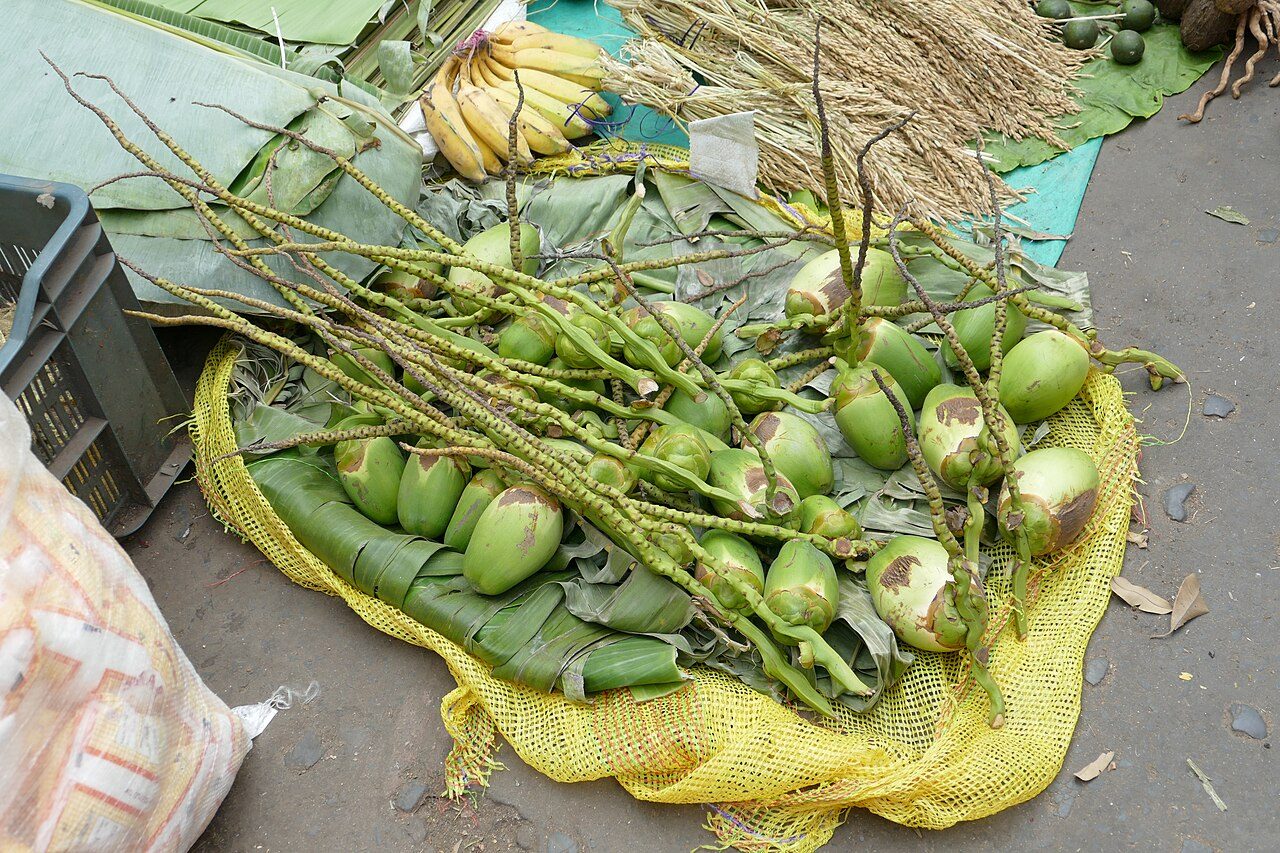
Coconut

Coconut

Warm · Moist

Nārgil — tropical drupe whose water hydrates and flesh nourishes; source of medium-chain fats.

Read the whole guide on one page
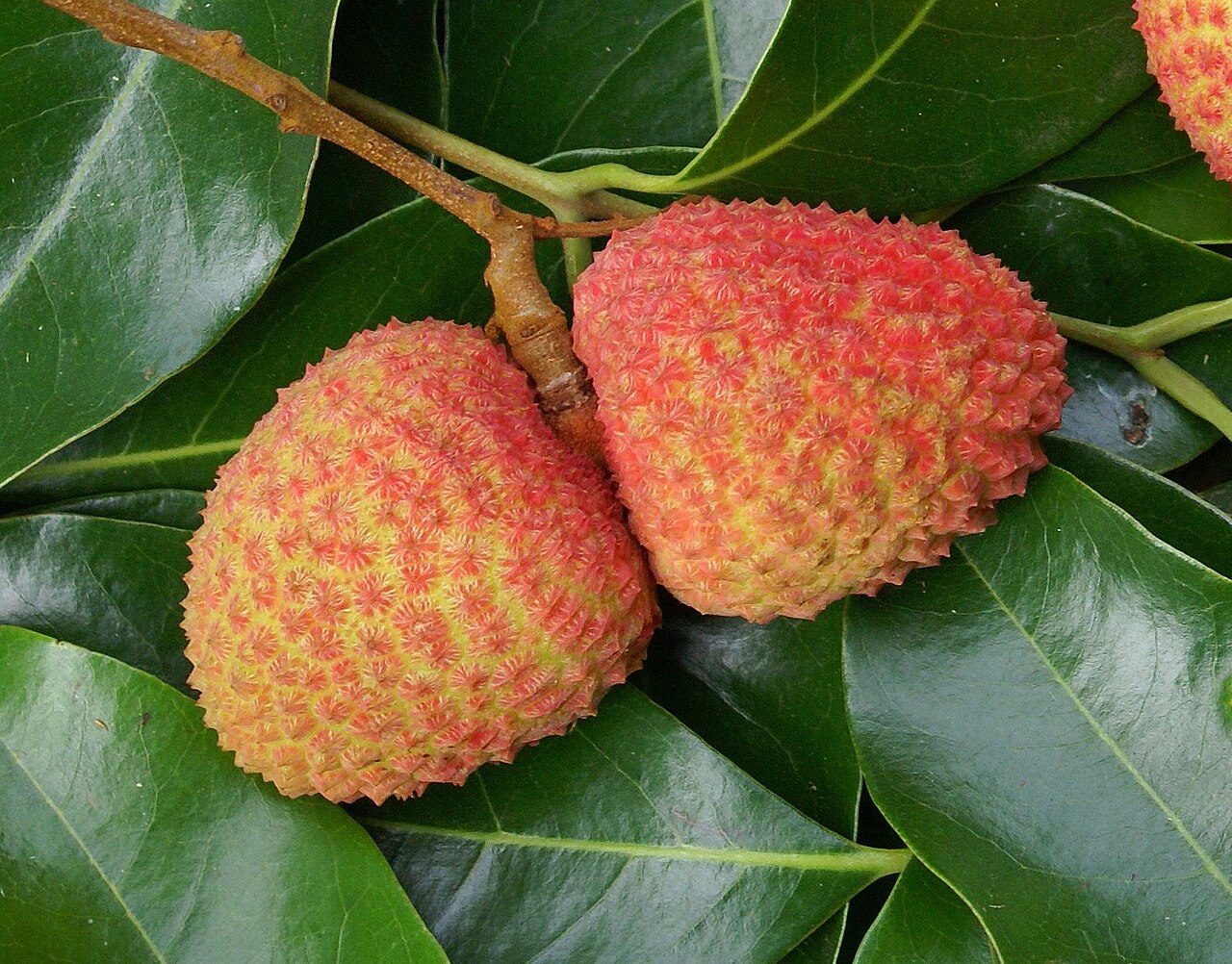
Lychee

Lychee

Warm · Moist

Lichi — fragrant tropical fruit rich in vitamin C and polyphenols; a delicate summer refresher.

Read the whole guide on one page
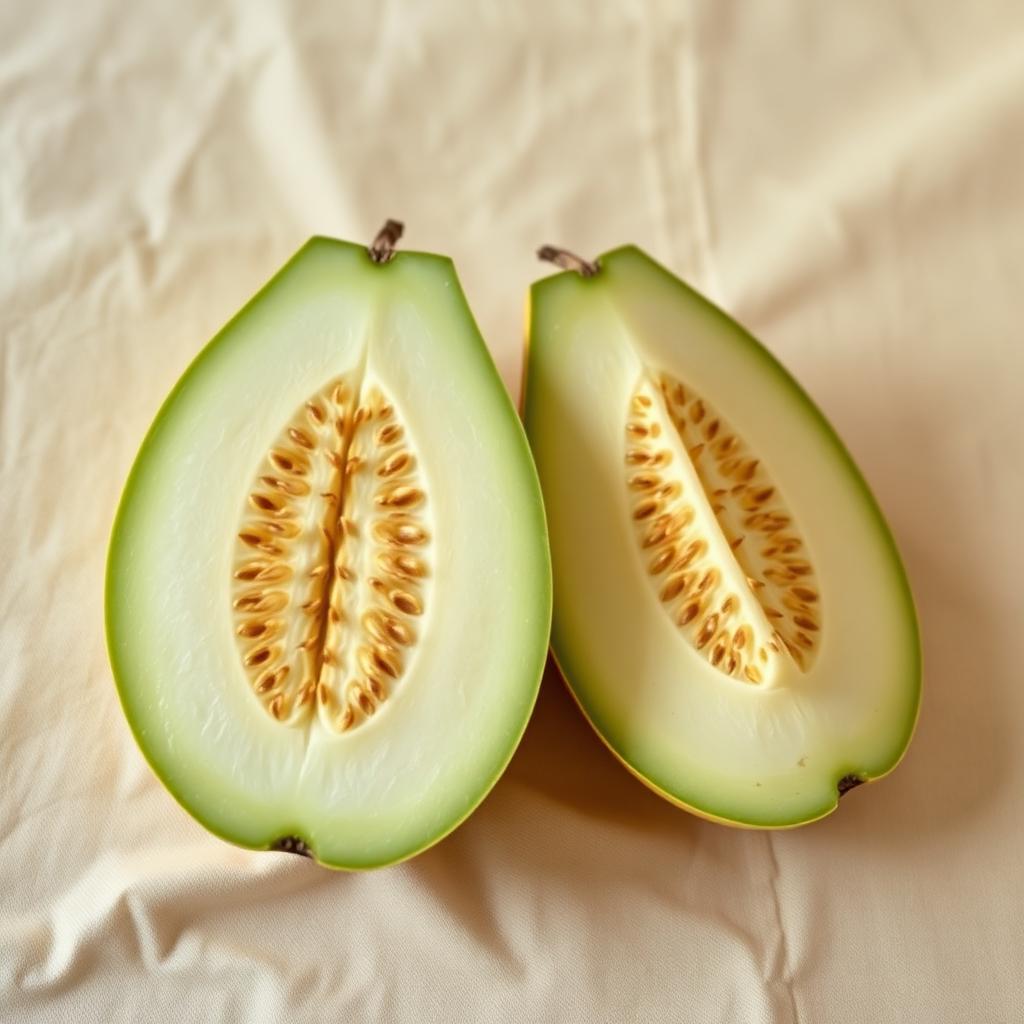
Honeydew

Honeydew

Cool · Moist

Kharbozeh-ye asali — pale green melon that hydrates the body and cools summer heat.

Read the whole guide on one page
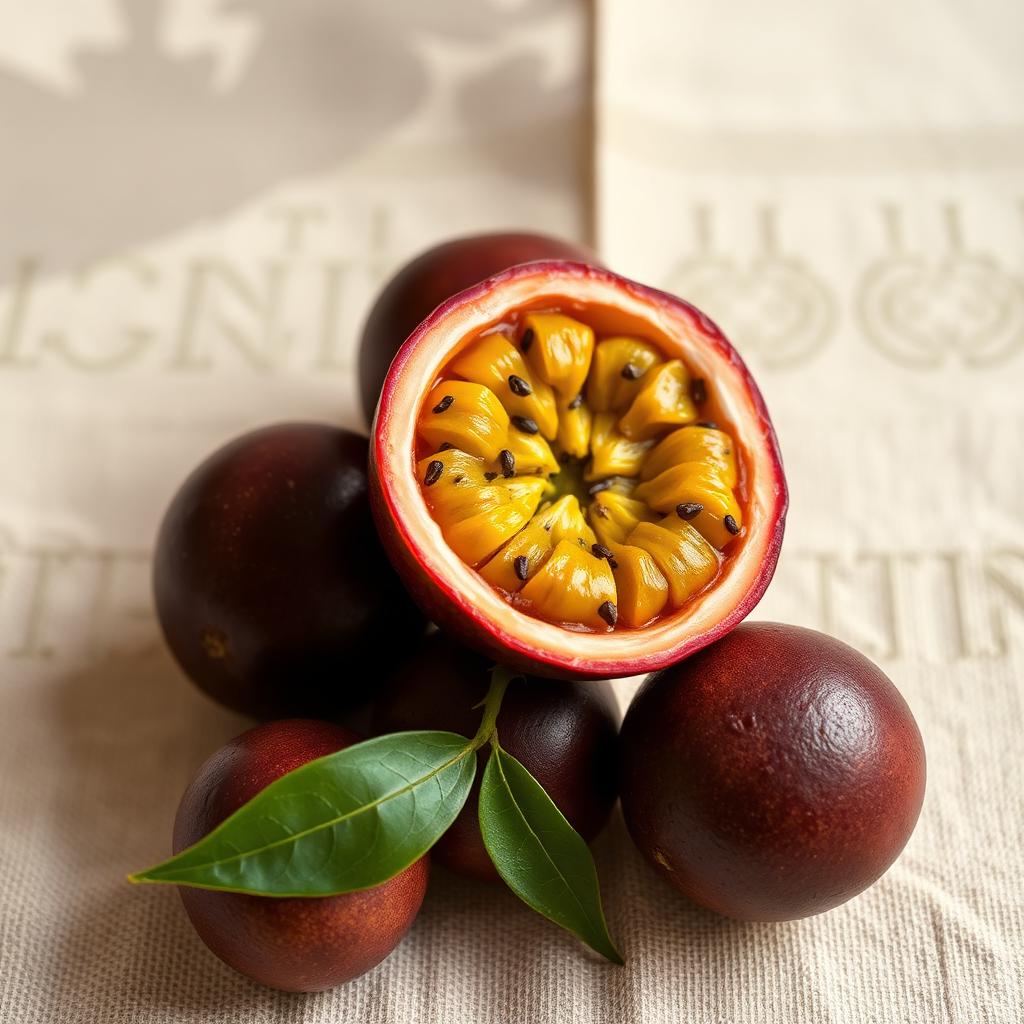
Passion Fruit

Passion Fruit

Cool · Moist

Fragrant tropical fruit rich in vitamin C, fiber, and polyphenols that support digestion and immunity.

Read the whole guide on one page
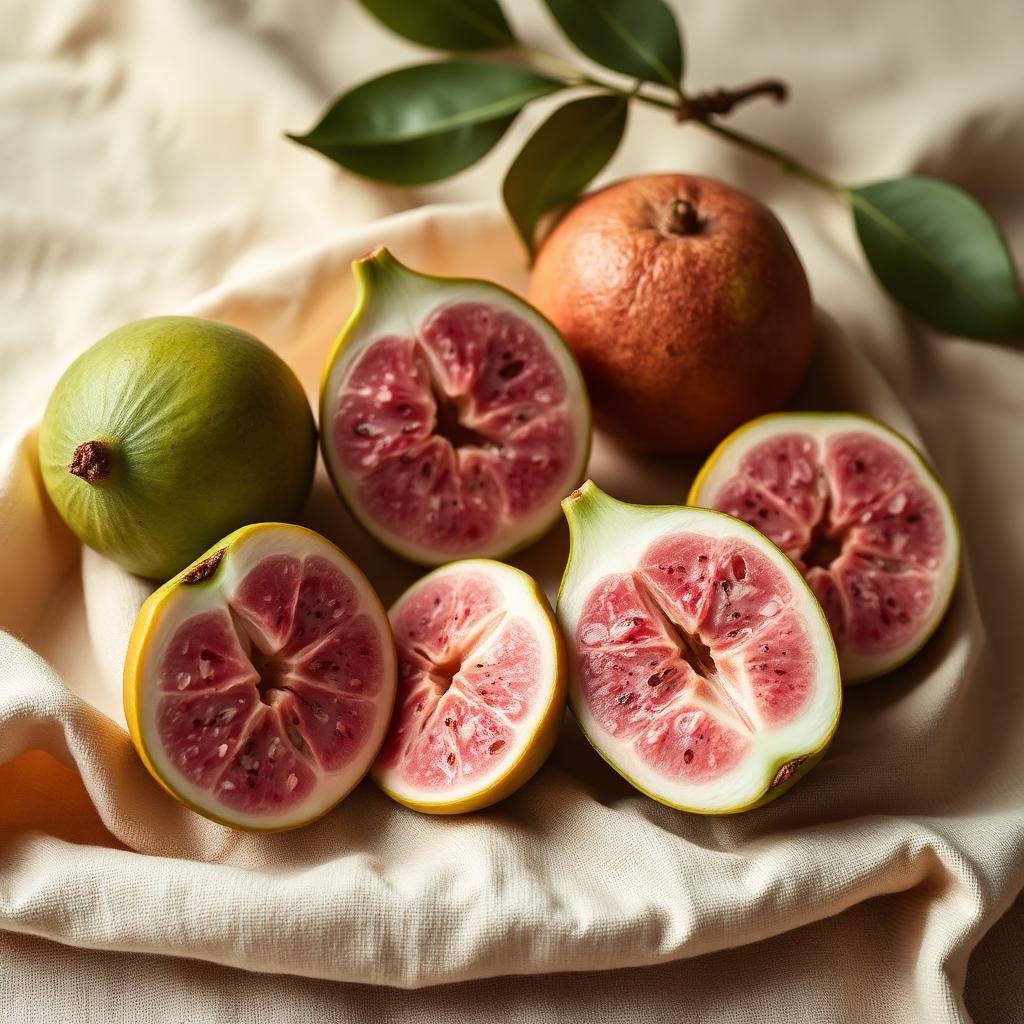
Guava

Guava

Warm · Moist

Vitamin-C powerhouse whose pink flesh supports immunity, skin, and gentle digestion.

Read the whole guide on one page
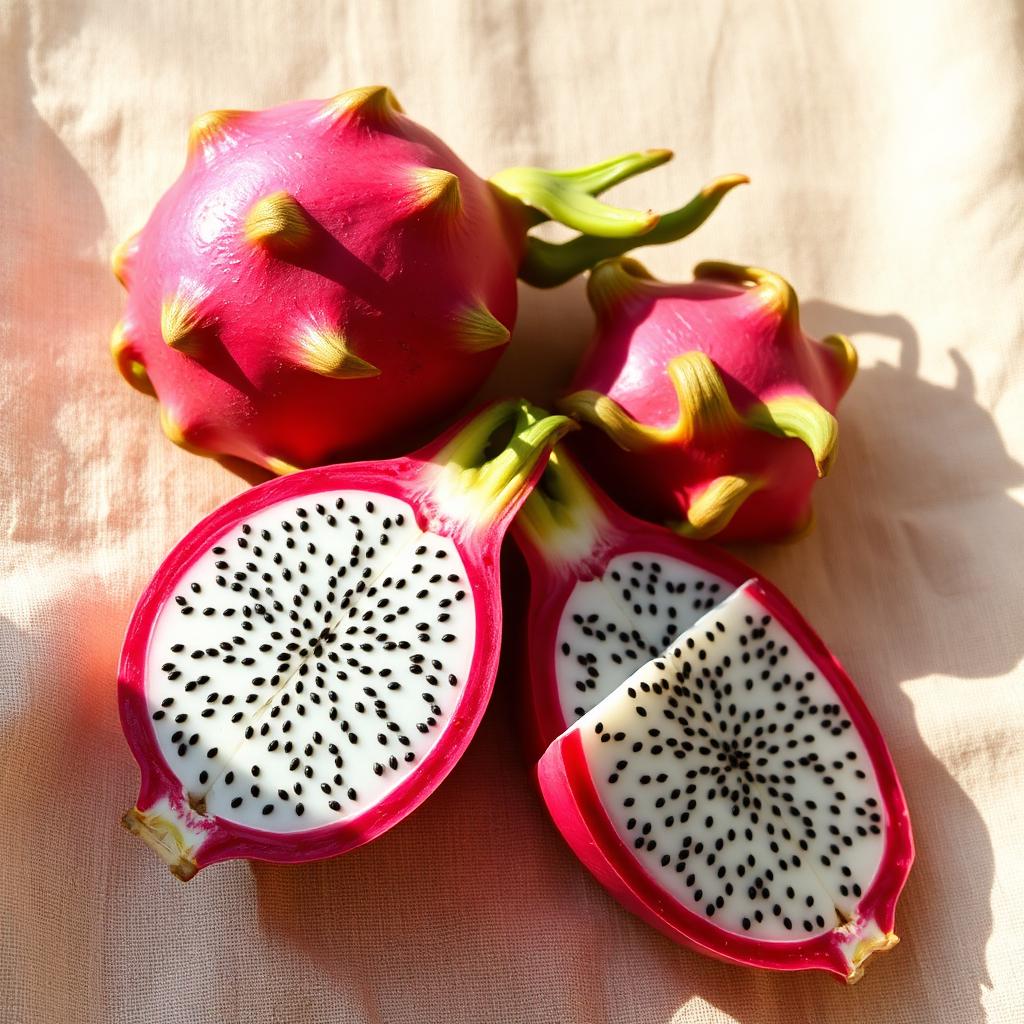
Dragon Fruit

Dragon Fruit

Cool · Moist

Pitaya — hydrating tropical fruit rich in prebiotic fiber and antioxidants; refreshes the body.

Read the whole guide on one page
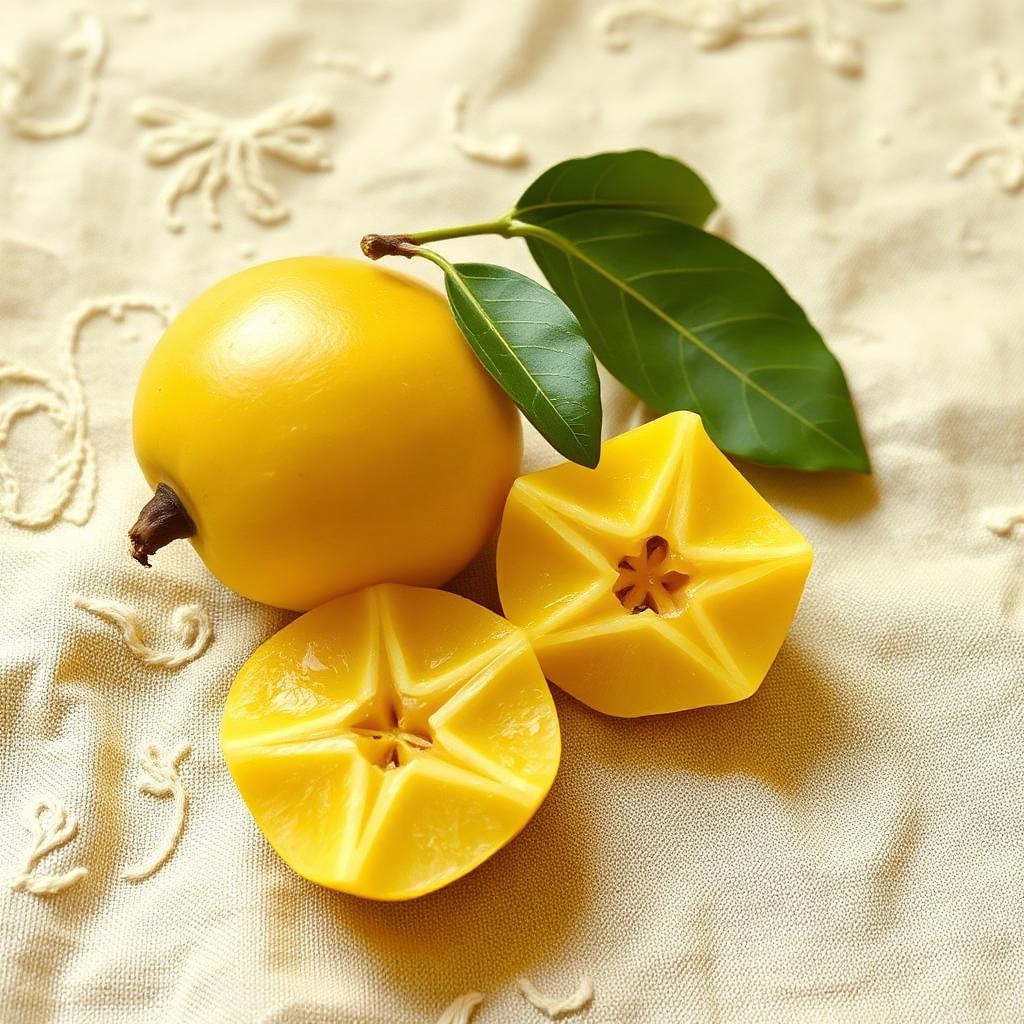
Star Fruit

Star Fruit

Cool · Moist

Carambola — tart-sweet tropical fruit rich in vitamin C. Caution: not safe with kidney disease.

Read the whole guide on one page
Pomelo

Pomelo

Cool · Moist

Large citrus ancestor of grapefruit; hydrates, supports vitamin C status, and freshens digestion.

Read the whole guide on one page
Clementine

Clementine

Cool · Moist

Sweet, easy-peel citrus rich in vitamin C and flavonoids — a gentle daily immune ally.

Read the whole guide on one page
Kumquat

Kumquat

Warm · Dry

Tiny whole-eaten citrus with edible peel; concentrates flavonoids and vitamin C.

Read the whole guide on one page
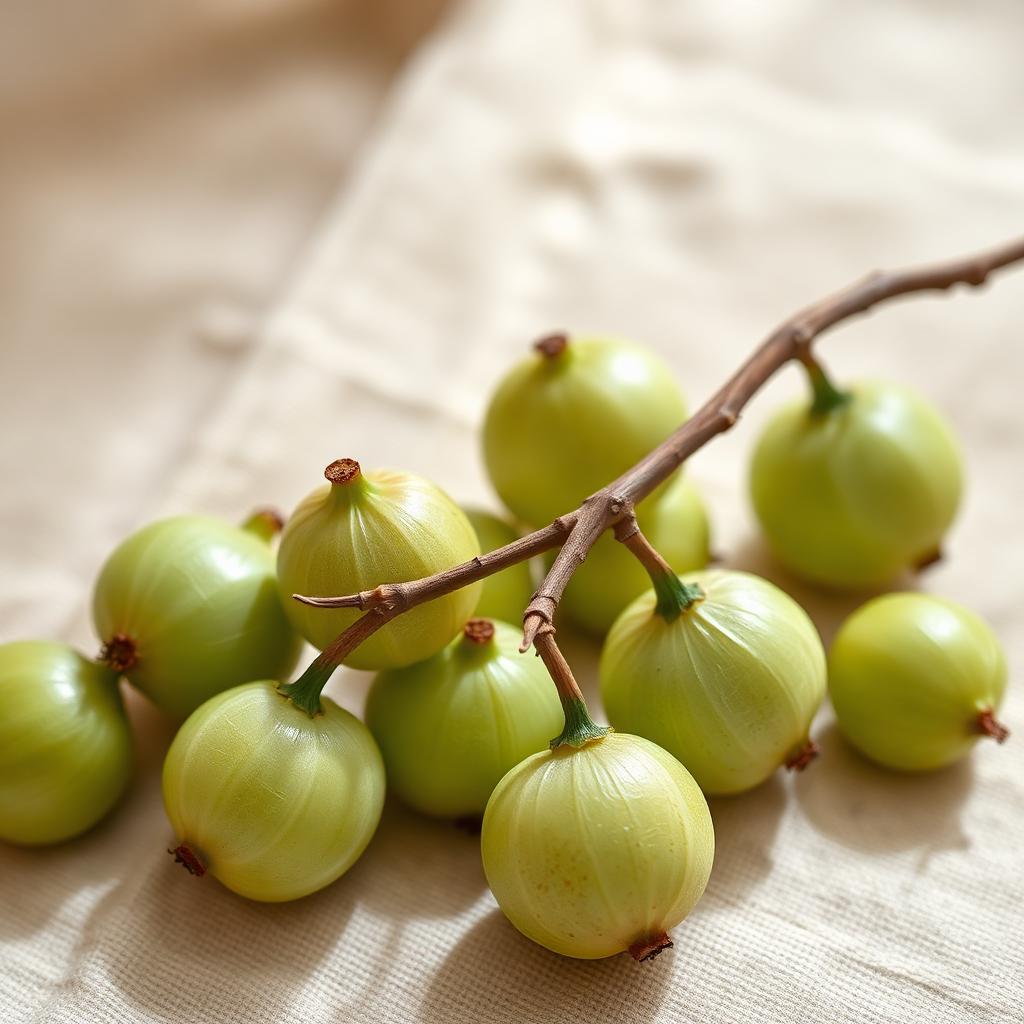
Gooseberry

Gooseberry

Cool · Dry

Angur-farangi — tart translucent berry rich in vitamin C, fiber, and polyphenols.

Read the whole guide on one page
Boysenberry

Boysenberry

Cool · Moist

Deep-purple cross of raspberry and blackberry — rich in anthocyanins that support heart and brain.

Read the whole guide on one page
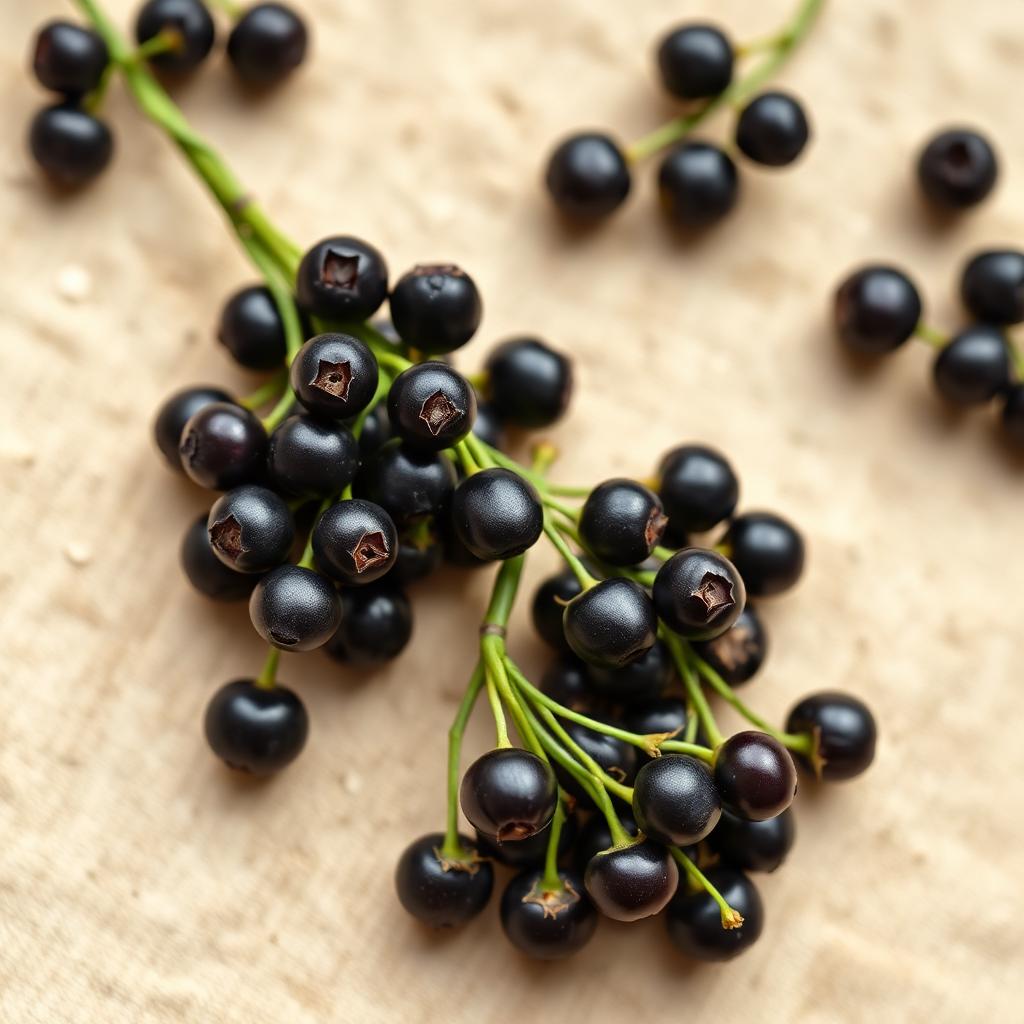
Elderberry

Elderberry

Warm · Dry

Āqti — dark berry traditionally used to support immunity, especially during cold and flu season. Cook before eating.

Read the whole guide on one page
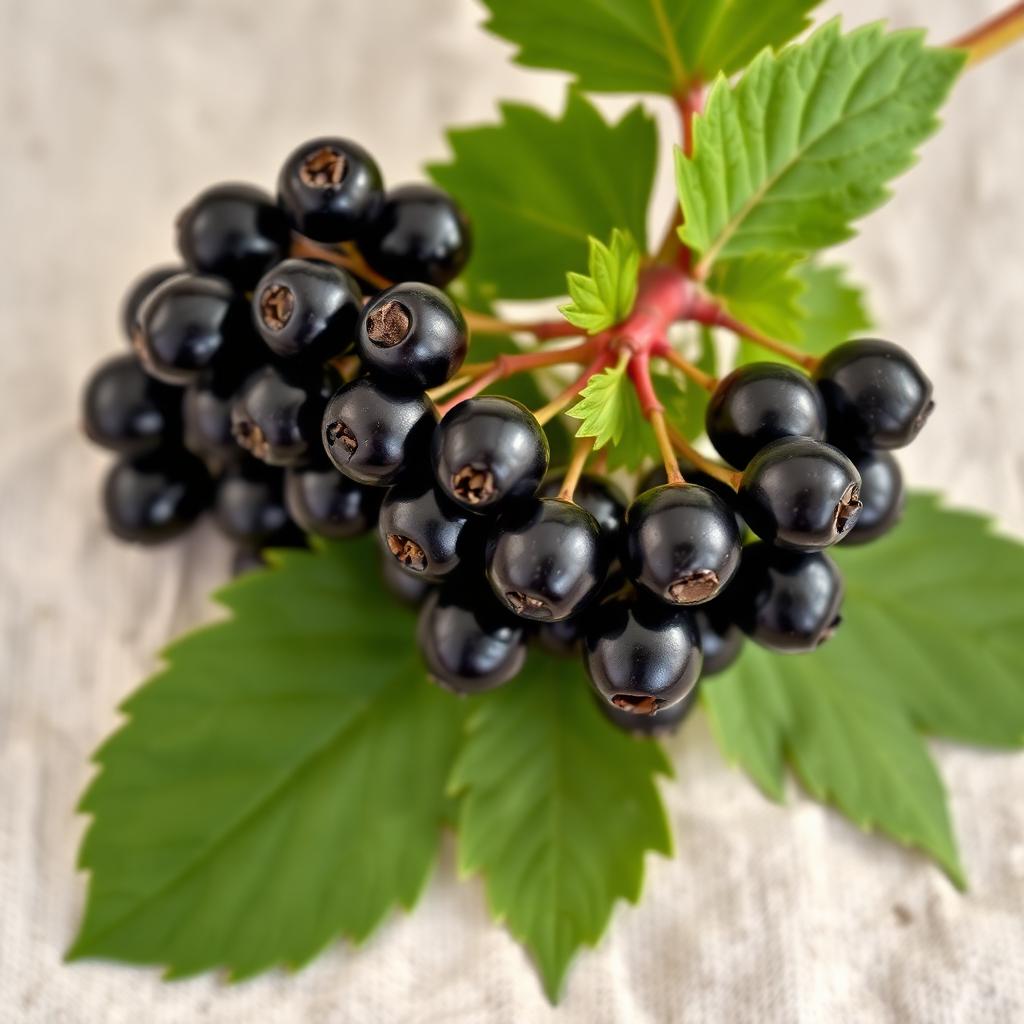
Blackcurrant

Blackcurrant

Cool · Moist

Anthocyanin-rich dark berry — one of the most vitamin-C-dense fruits; supports vascular and eye health.

Read the whole guide on one page
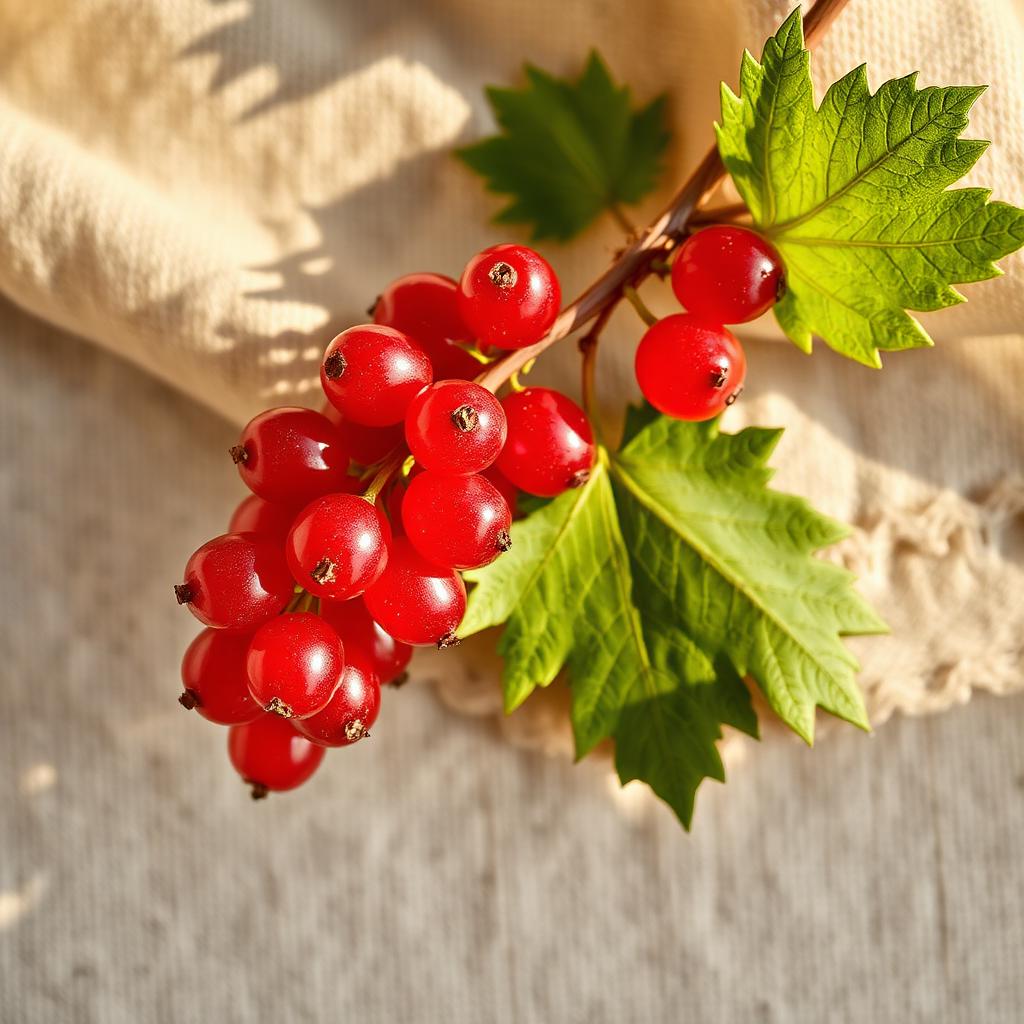
Redcurrant

Redcurrant

Cool · Moist

Translucent red berry rich in vitamin C and pectin; tart, refreshing, and gentle on the gut.

Read the whole guide on one page
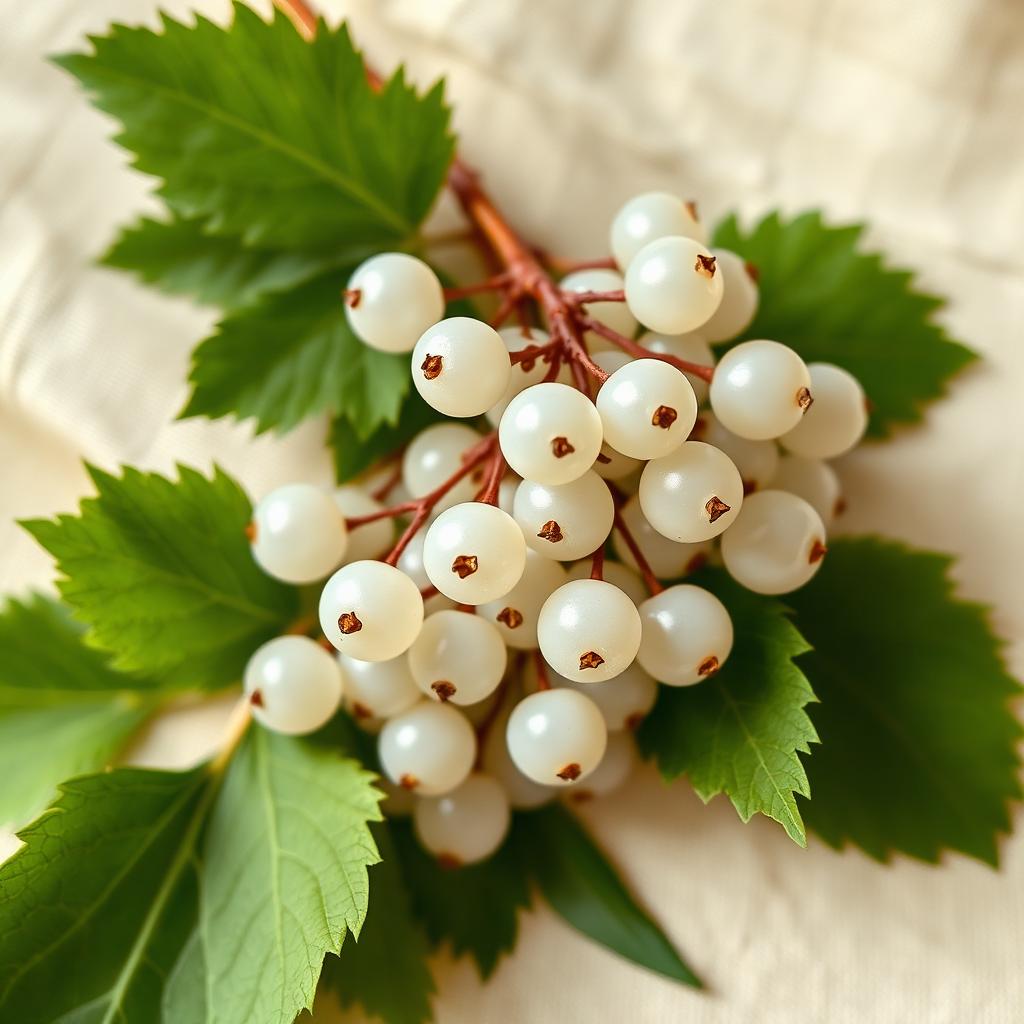
Whitecurrant

Whitecurrant

Cool · Moist

Sweetest of the currants — pale, translucent berry rich in vitamin C and gentle fiber.

Read the whole guide on one page
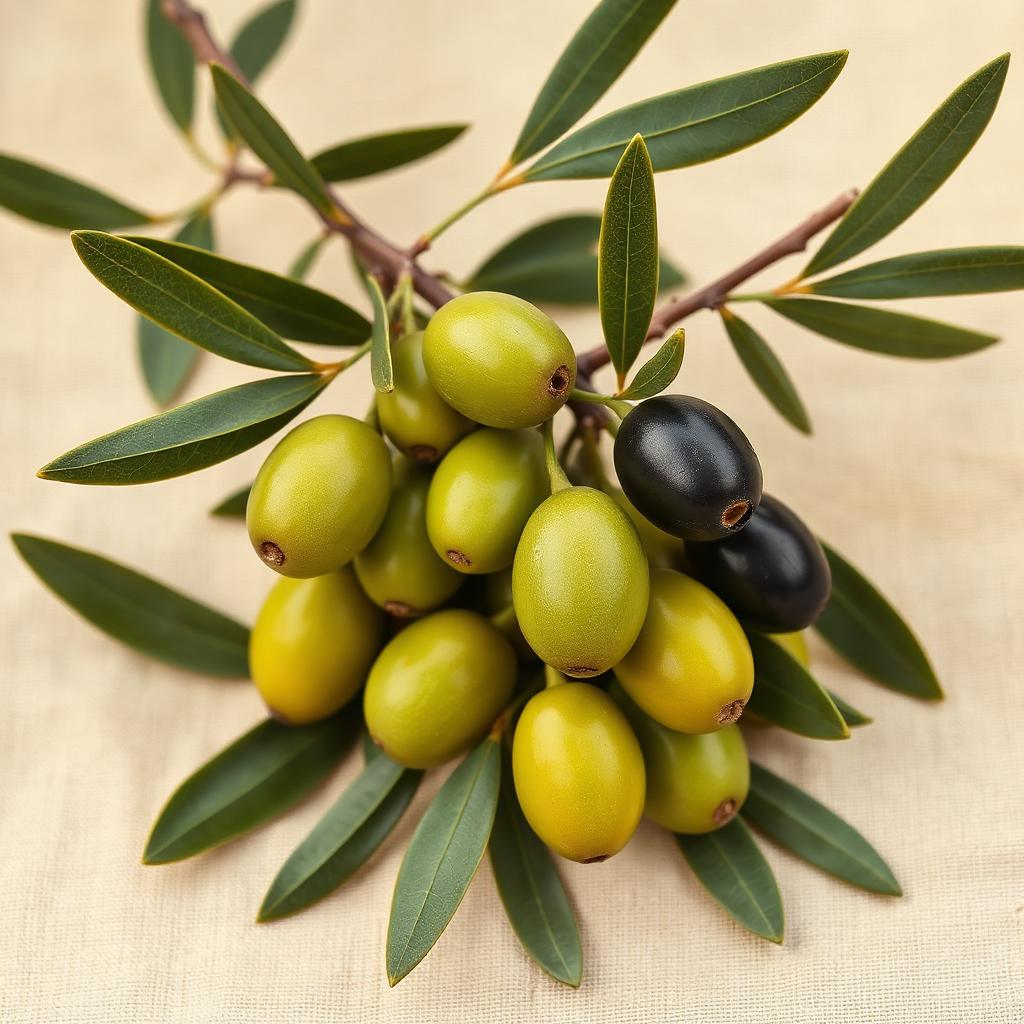
Olive (Fruit)

Olive (Fruit)

Warm · Moist

Zeytoon — the fruit itself; source of monounsaturated fats, polyphenols, and Mediterranean tradition.

Read the whole guide on one page
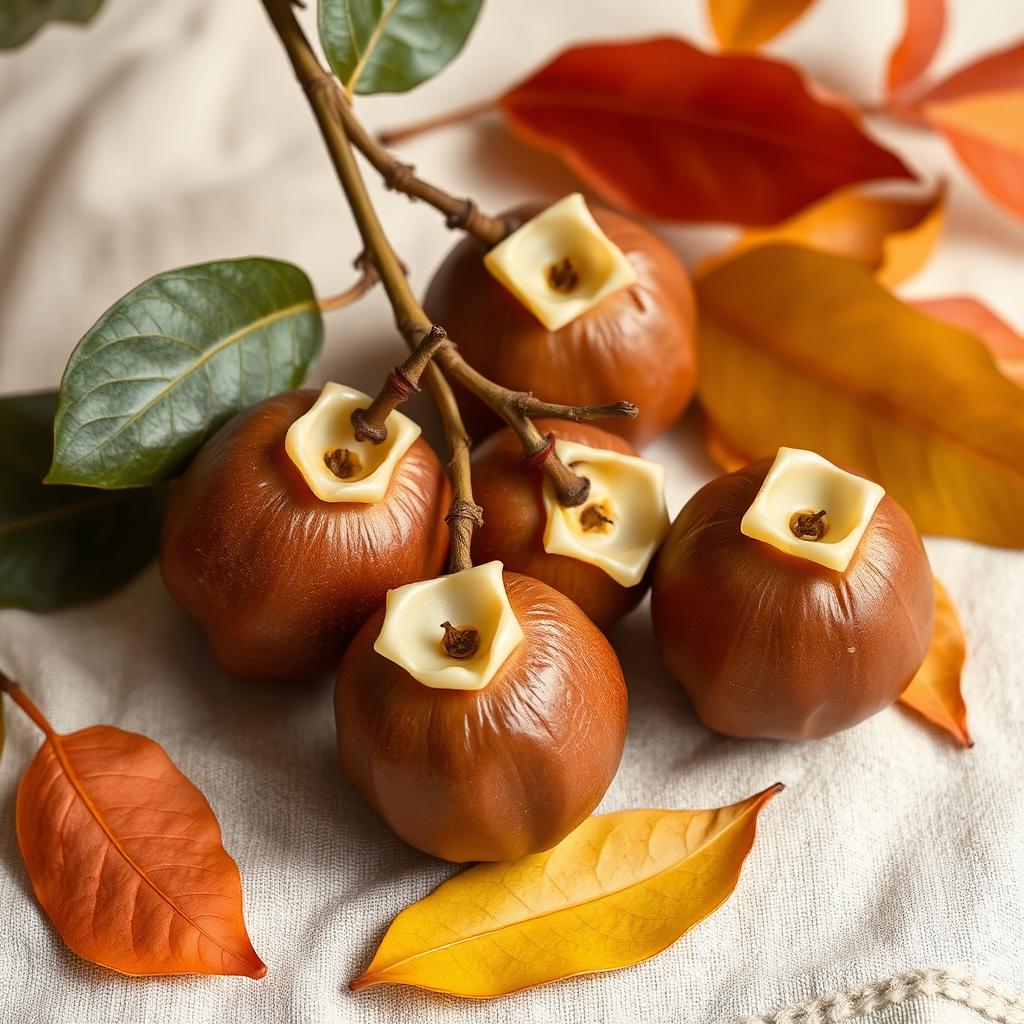
Medlar

Medlar

Cool · Dry

Azgil — ancient Persian autumn fruit eaten bletted; astringent and traditionally used to settle the gut.

Read the whole guide on one page
Loquat

Loquat

Cool · Moist

Azgil-e zhāponi — golden spring fruit traditionally used to moisten the lungs and ease cough.

Read the whole guide on one page
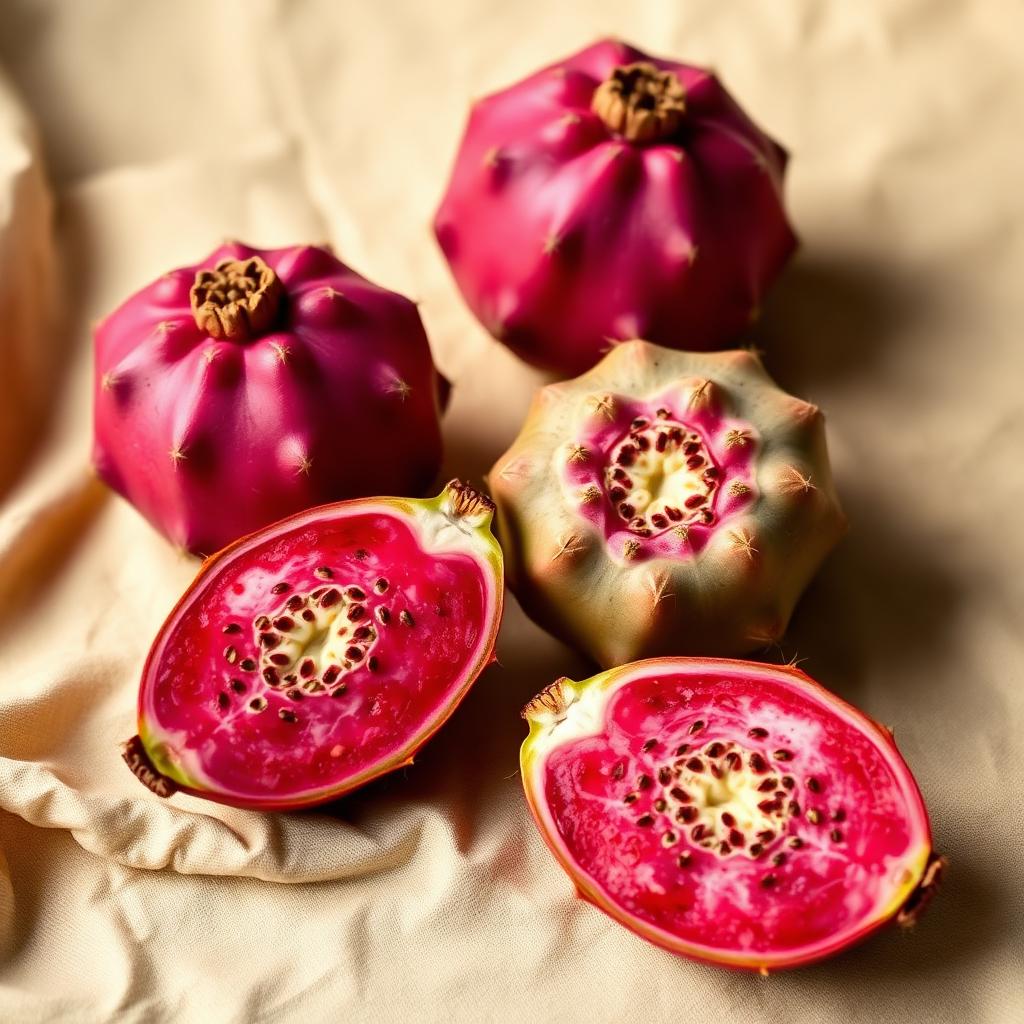
Prickly Pear

Prickly Pear

Cool · Moist

Anjir-e hendi — cactus fruit rich in betalains, fiber, and vitamin C; hydrates and supports metabolism.

Read the whole guide on one page
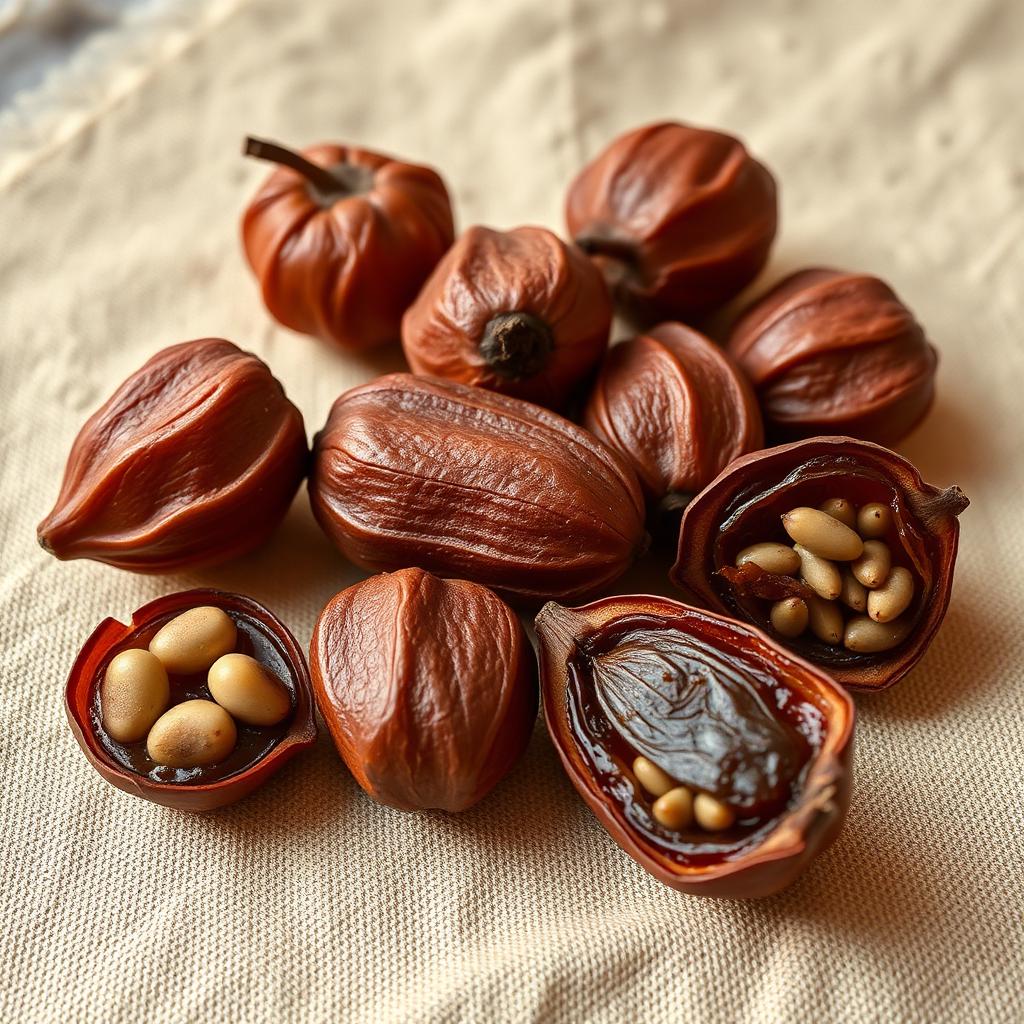
Tamarind

Tamarind

Cool · Moist

Tamr-e hendi — sweet-tart pod traditionally used to cool the body, aid digestion, and gently move the bowels.

Read the whole guide on one page
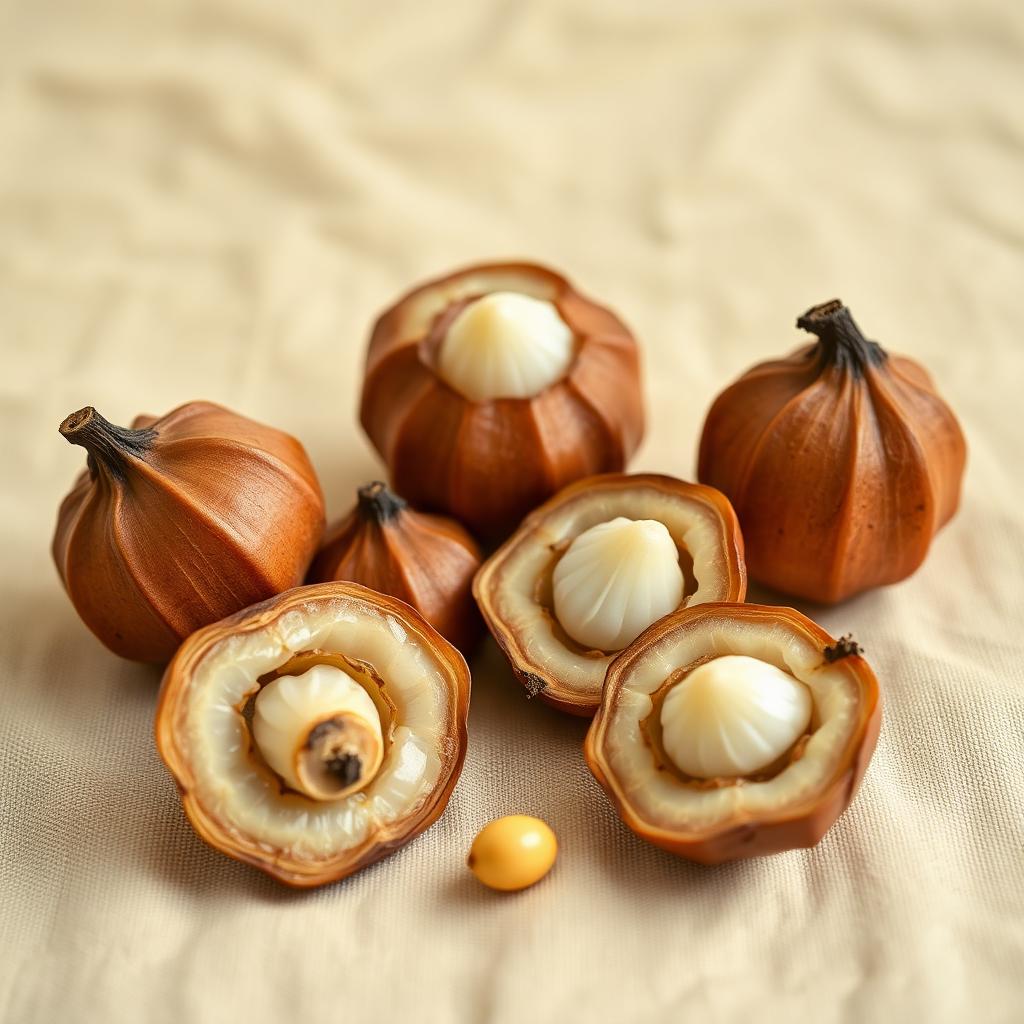
Longan

Longan

Warm · Moist

Dragon-eye fruit — translucent tropical drupe traditionally used to nourish the blood and calm the mind.

Read the whole guide on one page
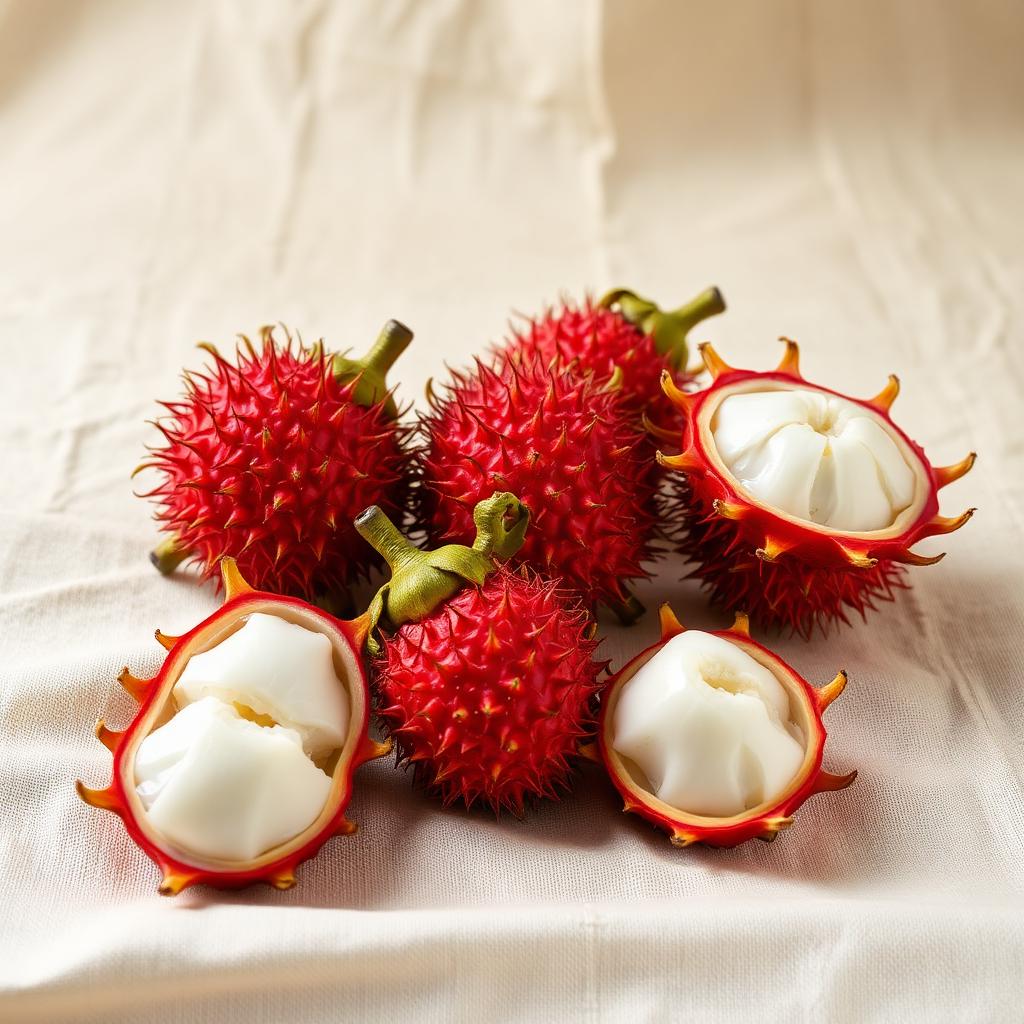
Rambutan

Rambutan

Warm · Moist

Hairy red tropical fruit related to lychee; sweet translucent flesh rich in vitamin C.

Read the whole guide on one page
Mangosteen

Mangosteen

Cool · Moist

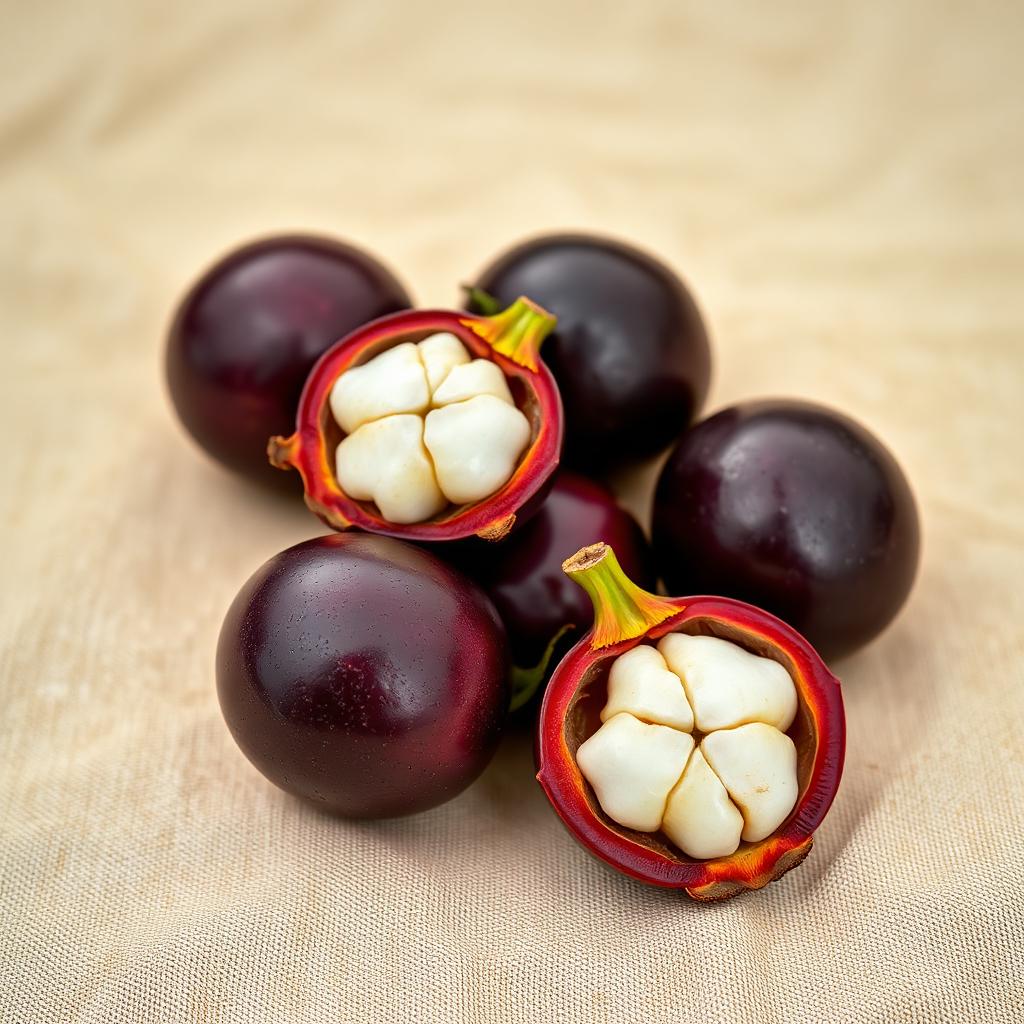
Queen of tropical fruits — segmented white flesh rich in xanthones and antioxidants.

Read the whole guide on one page
Durian

Durian

Warm · Moist

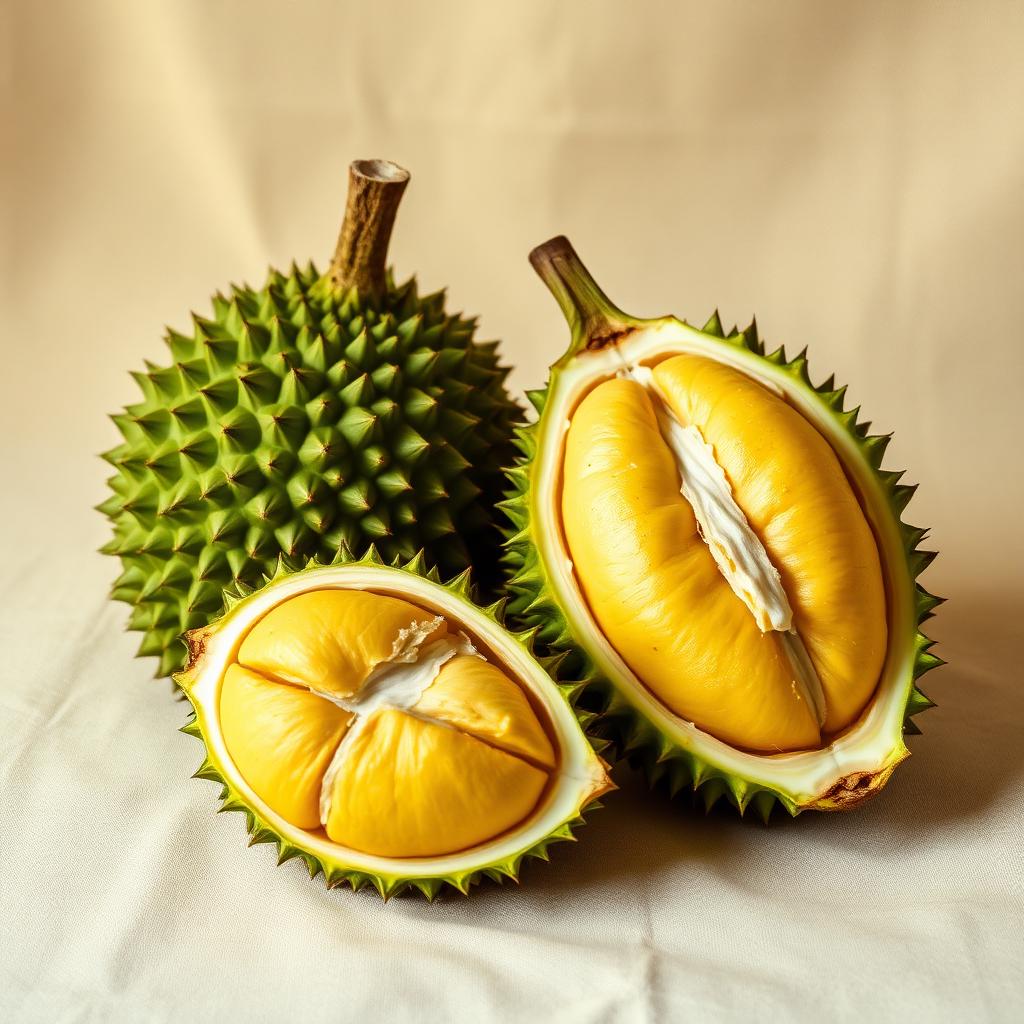
King of tropical fruits — custardy, aromatic flesh rich in healthy fats, potassium, and B vitamins.

Read the whole guide on one page
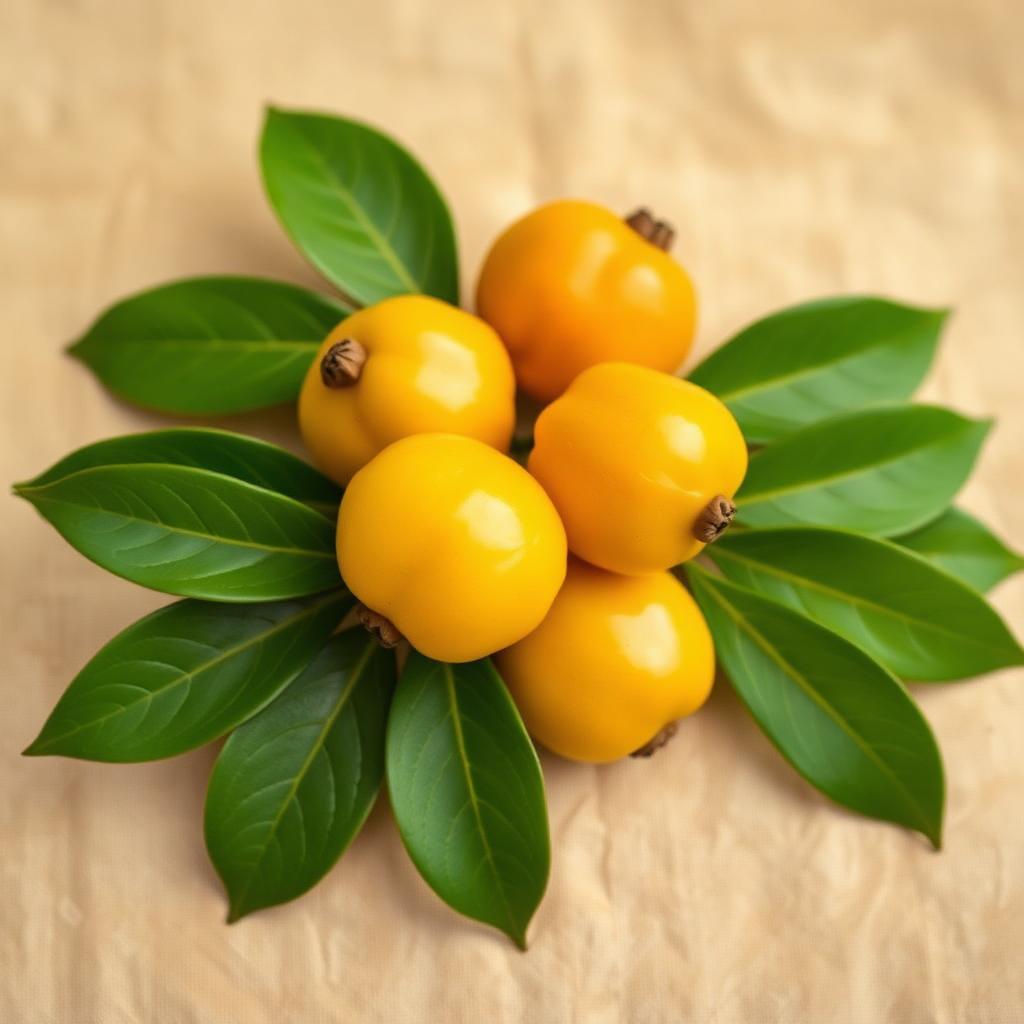
Persian Sweet Lemon

Persian Sweet Lemon

Cool · Moist

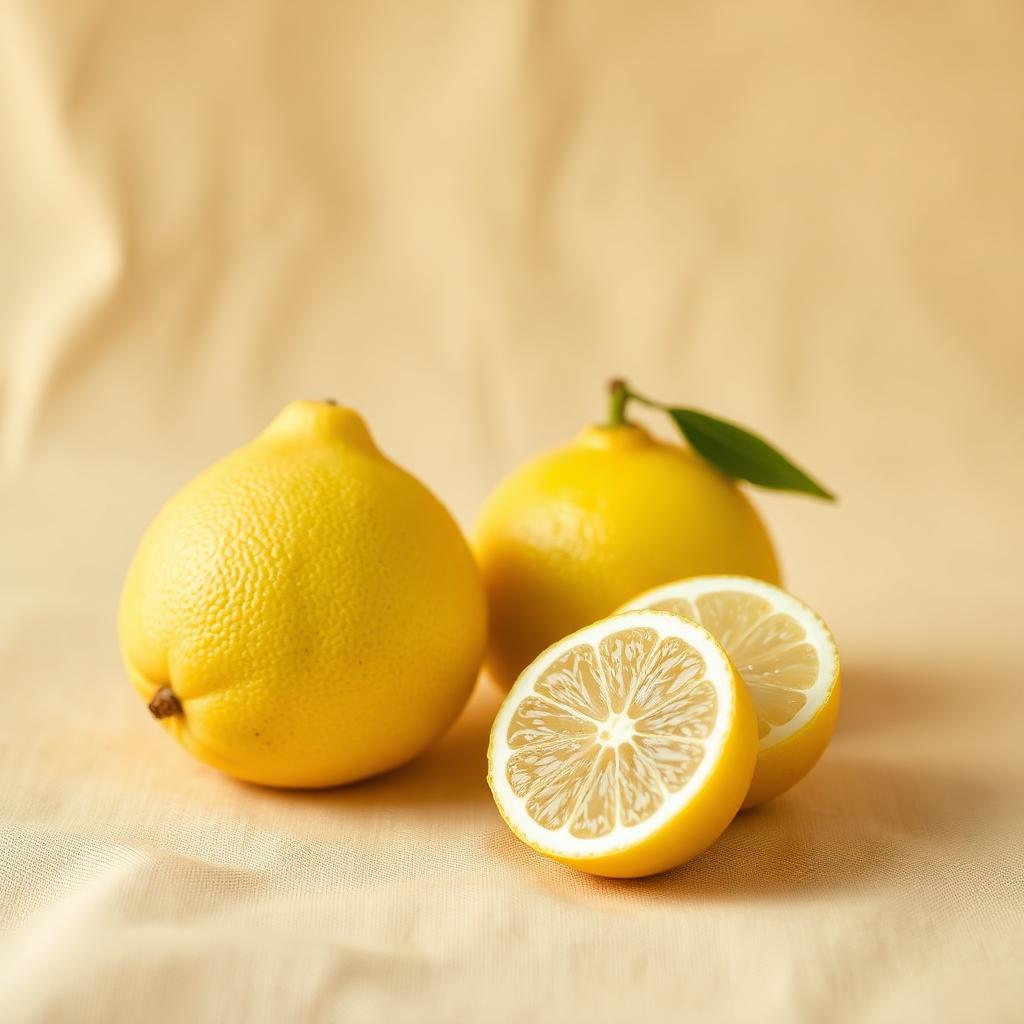
Limu shirin — Persian sweet lemon with pale-yellow rind and mild, low-acid flesh; traditionally sipped to hydrate, soothe colds, and support digestion.

Read the whole guide on one page
Knowledge Hub

Fruits — Nature's Functional Foods

From pomegranate and dates to apple and quince, fruit brings fiber, polyphenols, and micronutrients in a naturally portioned package. Persian medicine also looks at how each fruit suits a person's temperament and the season.

Why this matters

  • People who eat more whole fruit tend to have lower rates of heart and blood-vessel disease, stroke, type 2 diabetes, and death from any cause.
  • Fiber and polyphenols feed the helpful microbes in your gut, which support immunity, mood, and metabolic health.
  • Choosing fruit in season is one of the simplest and most affordable ways to improve how you eat.
Traditional Persian
  • Pomegranate is known as the 'fruit of paradise.' It is considered cooling and blood-building, and it has a special place on Yalda night.
  • Dates and figs are considered warming and deeply nourishing. They are eaten to break fasts and help rebuild strength.
  • In summer, quince and sour cherry are used to calm heat and support the heart and stomach.
Modern Science
  • Across several studies, pomegranate juice lowered systolic blood pressure (the top blood-pressure number — the pressure while the heart beats) by ~5 mmHg (Pharmacol Res, 2017).
  • In healthy adults, eating dates every day (3–7/day) improved blood fats and bowel regularity without raising blood sugar (Br J Nutr, 2014).
  • Eating apples is linked to a lower risk of stroke and a healthier gut lining (BMJ, 2013).
Healthy Aging
  • Plant compounds such as ellagic acid (pomegranate), anthocyanins (sour cherry, mulberry), and quercetin (apple) help protect the blood vessels and brain.
  • The fiber in whole fruit helps keep blood sugar steady, which matters greatly as we age.
  • Vitamin C from citrus and barberry helps your body make collagen and keeps the immune system resilient.
Preparation Methods
  • Choose whole fruit instead of juice to keep the fiber and slow the absorption of glucose.
  • Eat fruit with nuts or yogurt to soften a rise in blood sugar.
  • Dried fruit (dates, figs, apricots) is concentrated, so choose 2–4 pieces rather than a handful.

Frequently Asked Questions

How much fruit per day is ideal?

Most guidelines suggest 2–4 servings (about 2 cups) of whole fruit each day. If you have diabetes, favor fruits that have a gentler effect on blood sugar — berries, apple, pear, sour cherry — and eat them with protein or fat.

Is dried fruit as healthy as fresh?

Dried fruit keeps most of its fiber and minerals, but its sugar is more concentrated. A handful of dates or apricots equals several pieces of fresh fruit, so keep the portion smaller.