About one cup a day, or 150 g, is the amount used in most of the trials.
Frozen berries work. They're picked ripe and the anthocyanins (the natural colour pigments that make fruit red, purple or blue) survive freezing.
The evidence is strongest for blood vessel function and modest for memory.
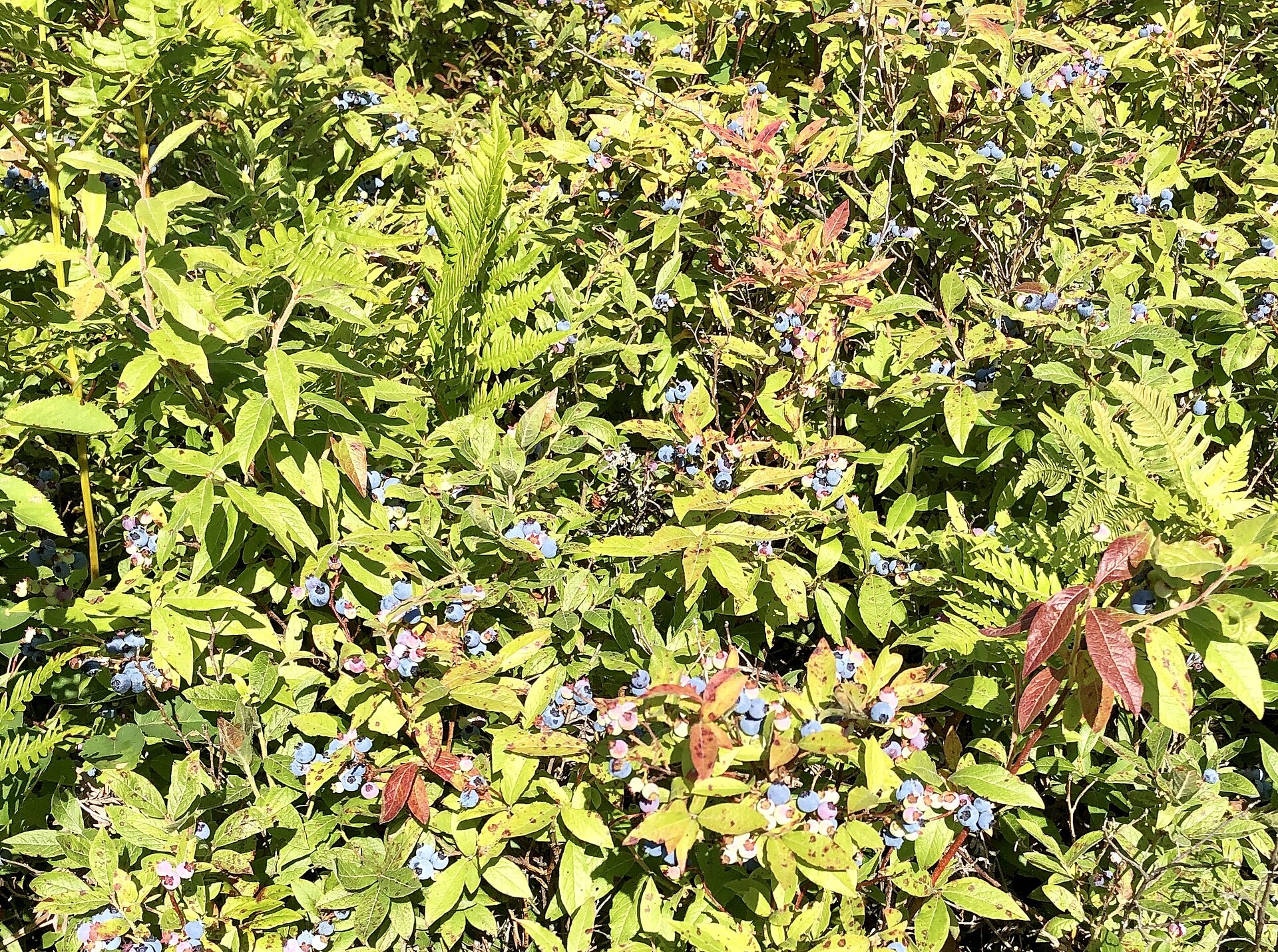
Wild and smaller berries carry more pigment per gram than large cultivated ones.
Chapter 2 of 15
Getting to Know Blueberries
Blueberries get their dark colour from anthocyanins, the pigments behind much of the research. Small amounts of these compounds reach the bloodstream and seem to act on the lining of blood vessels. That may help explain the results seen for memory and blood pressure. Blueberries aren't Persian, but their Iranian cousin zoghal-akhteh, the cornelian cherry, has been eaten on the plateau for centuries and carries similar pigments.
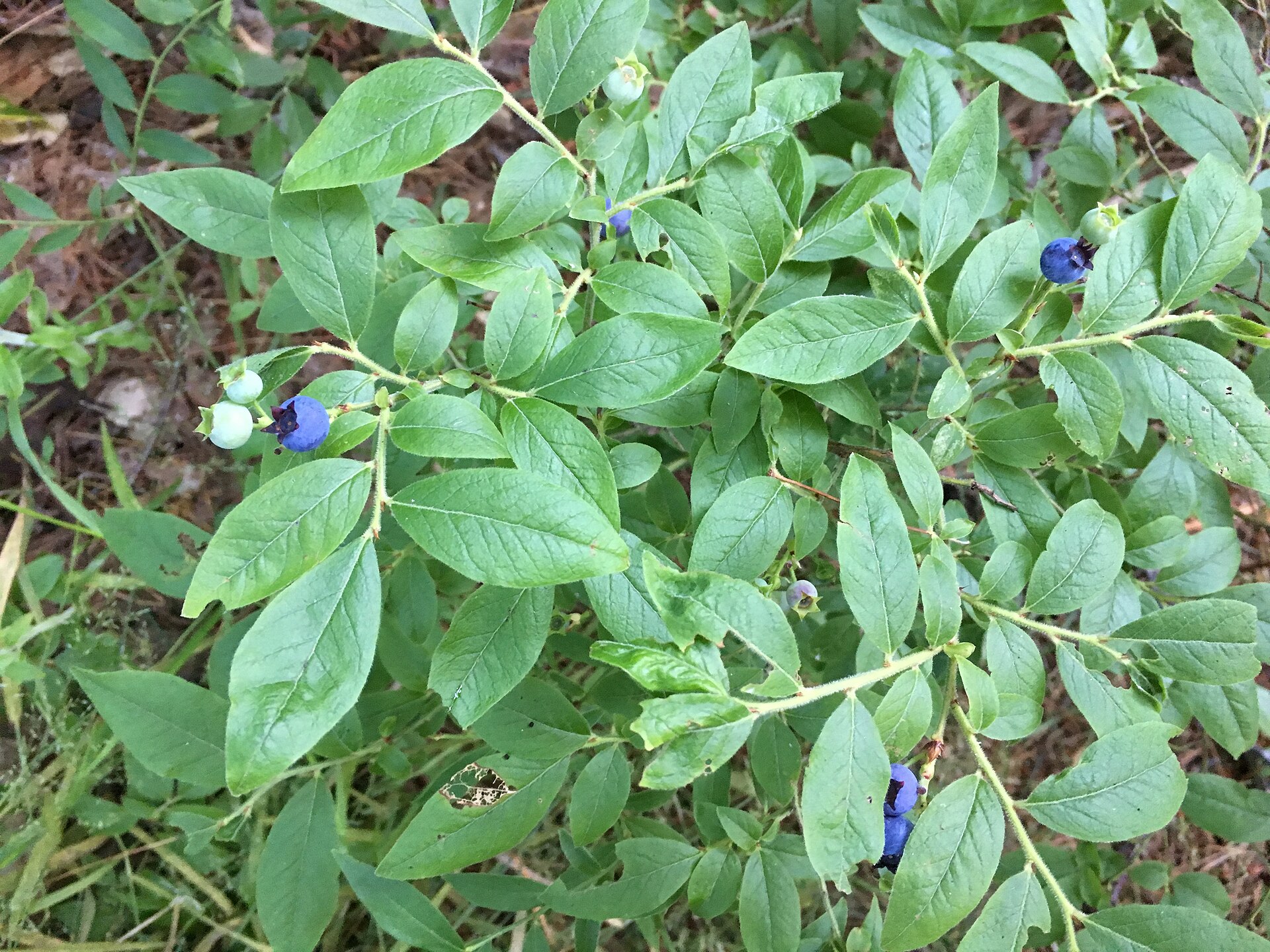
Known to botanists as Vaccinium corymbosum.
Chapter 3 of 15
Why It Matters
Very few single foods have been tested properly in people over months rather than weeks. Blueberries have, several times, both in older adults and in people with metabolic syndrome (a group of problems including high blood sugar, blood pressure and waist size). The effects are modest, but they're repeatable and easy to bring into your own kitchen. That puts this berry ahead of many products sold for the brain.
What That Means Day to Day
The most useful trials here were run in older adults. Daily blueberry powder or juice over twelve to twenty-four weeks improved some measures of memory and executive function, though not all of them. Blood vessel flexibility improved more consistently. In long cohort studies, people who ate berries a few times a week showed slower cognitive (to do with thinking and memory) decline over decades. The effect isn't dramatic, but it's more than almost any other single fruit can claim.
One cup carries about 3.6 g of fibre and roughly 15 g of sugar, which is low for a fruit that sweet.
Chapter 4 of 15
What It Contains
Primary compounds
Anthocyanins are the blue-purple pigments and the compounds nearly all the research follows.
Pterostilbene is a relative of resveratrol (a natural compound in grape skins that scientists study for heart health) found in the skin, studied mostly in laboratory work so far.
Vitamin C and manganese, both at useful levels for a low-sugar fruit.
Soluble fibre, which is part of why the sugar in a cup lands gently.
Other notable constituents
Minerals: Potassium · Antioxidants: Quercetin (a plant compound found in onions, apples and tea) · Fiber: About 3.6 g per cup
Chapter 5 of 15
What Studies in People Show
Strong evidence
Daily blueberry intake improved endothelial (relating to the thin inner lining of your blood vessels) function in randomised controlled trials (a study where people are put into groups by chance) in adults.Strong evidence
Moderate evidence
Higher berry intake was associated with slower rates of cognitive (to do with thinking and memory) decline over two decades of follow-up.Moderate evidence
Blueberry intake was associated with lower risk of type 2 diabetes across three large cohorts.Moderate evidence
Early research
Twelve weeks of daily blueberry improved memory and executive function measures in older adults with mild cognitive (to do with thinking and memory) complaints.Emerging evidence
Chapter 6 of 15
Preparation and Kitchen Use
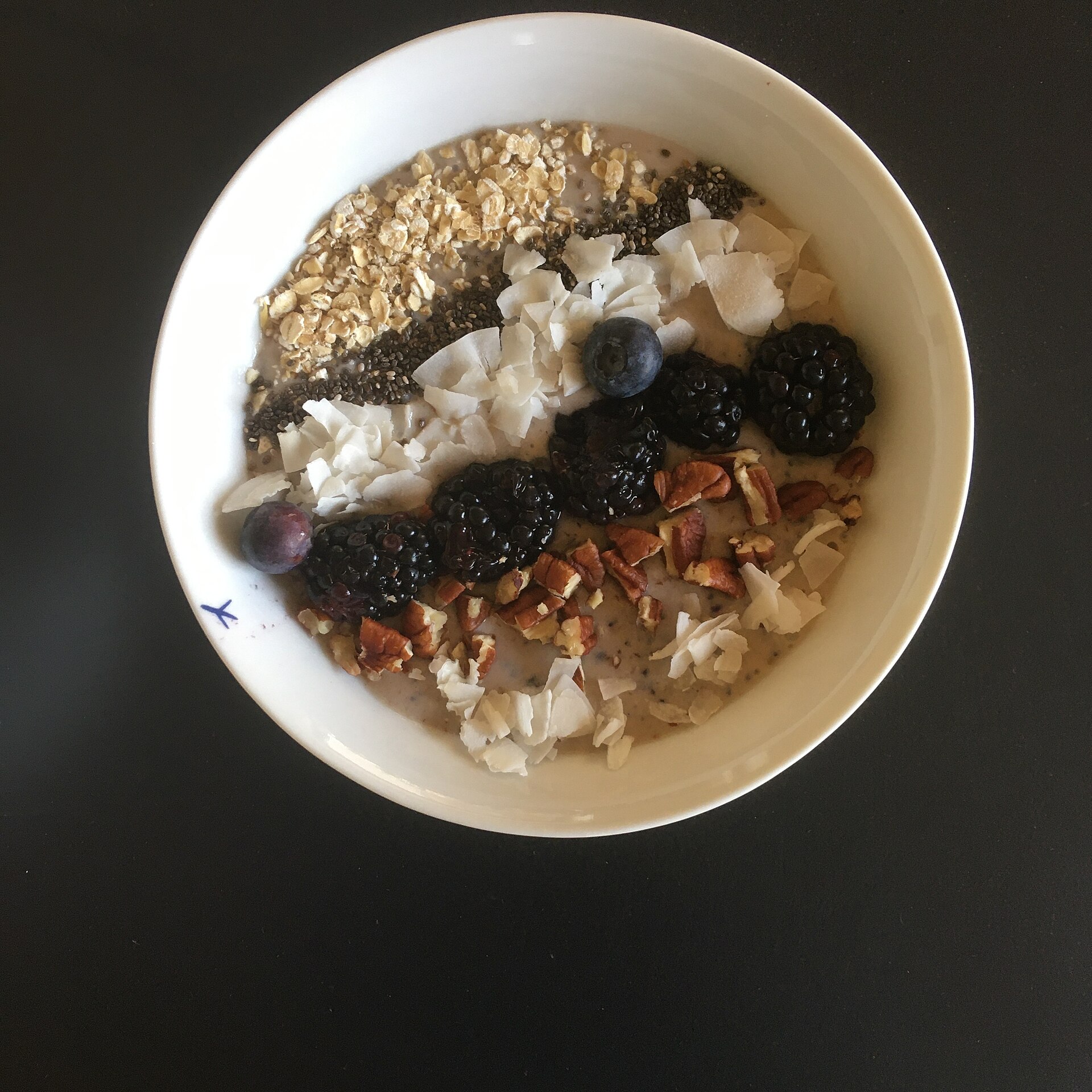
Breakfast, in yogurt or porridge, which is how the trials delivered them.
In the kitchen: stirred whole into thick yogurt with a spoon of honey and scattered over rice pudding in place of the usual cinnamon alone.
Try them frozen straight from the bag after dinner when you want something sweet.
In the kitchen: cooked briefly into a loose compote for the last of a soft batch. One cup, about 150 g, most days, fresh or frozen.
Keep a bag of frozen berries ready. It makes the habit easier to keep even during a busy week.
Rinse only the berries you're about to eat. Once wet, they can go soft in the fridge within a day.
Add them near the end of cooking rather than the start. Long heat dulls both their colour and pigment.
Chapter 7 of 15
Medicines and Interactions
Medication interaction:
Warfarin — Blueberries carry moderate vitamin K. Steady intake is what matters, not avoidance. Tell your clinic if you start eating a cup a day. (low concern)
Chapter 8 of 15
Who Should Be Careful
General caution:
A large portion can loosen the bowels in people not used to that much fibre. Half a cup is a fair place to start.
General caution:
The price is the real limit for most households. Frozen costs a fraction of fresh and performs the same in the research.
Allergy:
Known berry allergy (uncommon).
Chapter 9 of 15
Pregnancy, Children and Older Adults
Pregnancy and breastfeeding
Pregnancy and breastfeeding:
Safe and easy. The fibre helps with constipation and the sugar load is low for a sweet fruit. Wash fresh berries well, especially if they are eaten uncooked.
Children
Children:
Good from around eight months, though whole small round fruit is a choking risk under about four. Squash them or halve them first. No added sugar is needed, which is most of their value at that age.
Older adults
Older adults:
This is the group the research was mostly done in. Soft, needs no chewing, and easy to add to a breakfast that's already happening. Frozen berries in porridge is the version that survives a low-appetite morning.
Chapter 10 of 15
Traditional Persian Perspective
Persian temperament: Cool & Dry (1st degree). Placed near zoghal-akhteh by extension. Cooling and mildly astringent (tightens tissue and leaves a dry feeling in the mouth), suited to heat and a loose gut rather than a cold one.
Gathered wild across northern North America long before any commercial planting.
In the Household
Bred into the highbush varieties sold today during the early twentieth century.
Studied seriously as a food for cognition (to do with thinking and memory) only in the past thirty years.
Blueberries arrived in Iranian shops as an imported luxury and mostly stayed that way, sold in small boxes at prices that make people pause. In Iranian homes abroad, they often take the place of familiar sour berries, folded into yogurt or scattered over rice pudding. They also fit naturally into the older Persian habit of keeping a bowl of seasonal berries on the summer table.
Chapter 11 of 15
What It Goes With
Dairy:
Yogurt
Fat and acid together slow the sugar and make the berries taste sweeter than they're.
Pairing:
Walnuts
Both sit in the same cognitive (to do with thinking and memory) research, and the fat helps carry the fat-soluble pigments.
Grain:
Oats
Soluble fibre against berry sugar. This is the breakfast used in several of the trials.
Honey:
Honey
A small spoon lifts a batch of underripe berries without turning the bowl into dessert.
Chapter 12 of 15
Through the Year
Spring:
Spring
Imported fruit, expensive and often flat in flavour. Frozen is the better buy.
Summer:
Summer
Peak season. Buy them fresh, eat them cold, and freeze what you can't finish.
Autumn:
Autumn
The last of the crop. Cook the soft ones down into a compote for yogurt.
Winter:
Winter
Frozen all the way, straight into porridge or yogurt while still icy.
Chapter 13 of 15
Questions People Ask
How many do I need?
The trials use about one cup a day, or 150 g fresh, or a tablespoon or two of freeze-dried powder. Less than that has not really been tested.
Do they really help memory?
Modestly, and not in every study. The clearer effect is on blood vessel function, and better blood flow to the brain is the most likely reason the memory results show up at all.
Are they too sugary?
About 15 g of sugar in a cup, held inside fibre and skin. That lands very differently from the same sugar in juice.
What is the Persian equivalent?
Zoghal-akhteh, the cornelian cherry, carries the same family of pigments and has been eaten in Iran for centuries. Sour cherry and barberry are in the same territory.
Chapter 14 of 15
Sources
Sad Giah Hezar Darman (صد گیاه و هزار درمان) — One Hundred Plants and One Thousand Remedies — Dr. Hossein Erfani, 4th edition (1375 / 1996–1997). Primary traditional Persian herbal reference cited throughout this platform. Presented as traditional knowledge, not as modern medical proof.
Office of Dietary Supplements: fact Sheets — US National Institutes of Health (NIH). https://ods.od.nih.gov/factsheets/list-all/.
Herbal Database: memorial Sloan Kettering Cancer Center. https://www.mskcc.org/cancer-care/diagnosis-treatment/symptom-management/integrative-medicine/herbs.
Herbs at a Glance: uS NIH National Center for Complementary and Integrative Health (NCCIH). https://www.nccih.nih.gov/health/herbsataglance.
FoodData Central: searchable nutrient database — US Department of Agriculture (USDA). https://fdc.nal.usda.gov/.
Chapter 15 of 15
Sources (continued)
The Nutrition Source: harvard T.H. Chan School of Public Health. https://www.hsph.harvard.edu/nutritionsource/.
PubMed — peer-reviewed biomedical literature — US National Library of Medicine. https://pubmed.ncbi.nlm.nih.gov/