About 90% water is a food that hydrates and it feeds.
Low in calories for its size, so a generous portion costs little.
Late varieties store for weeks, which is why melon reaches the winter table.
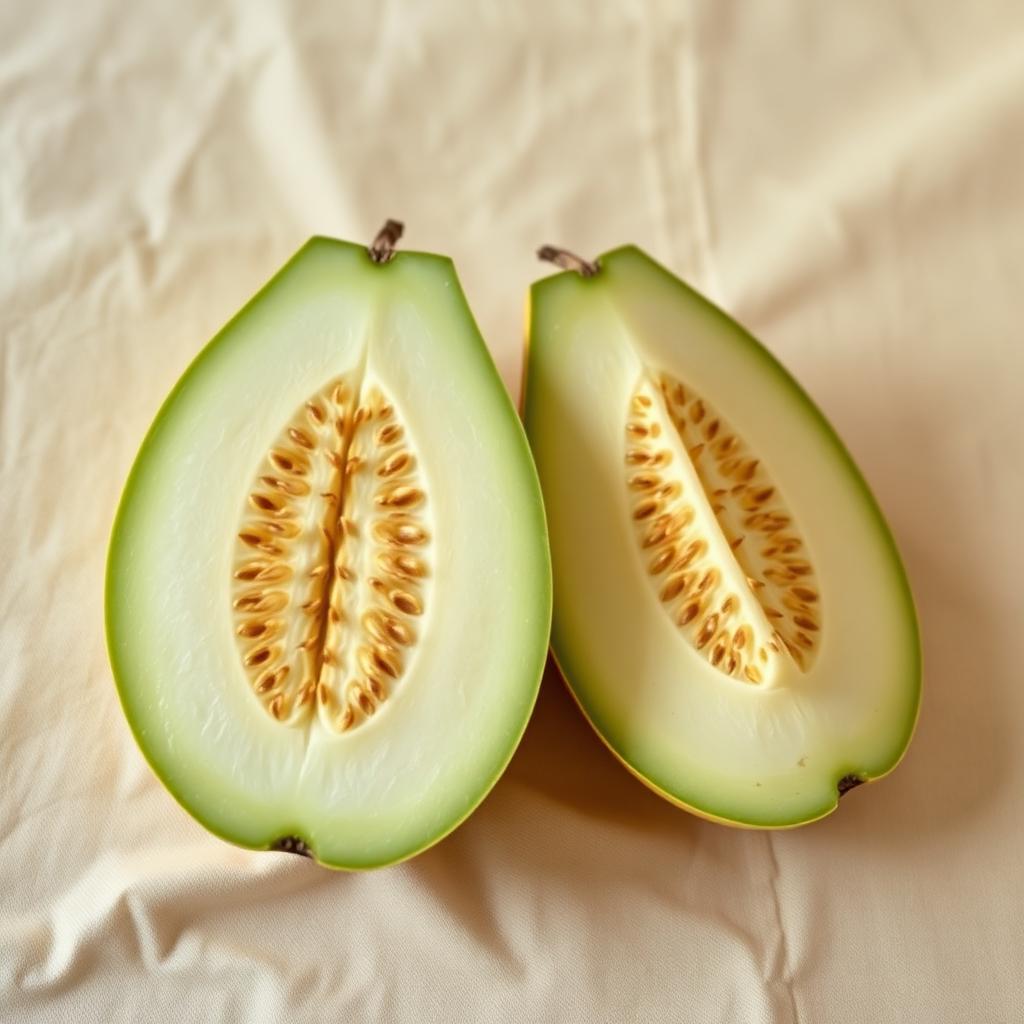
Iran is one of the world's great melon countries. In summer, kharbozeh appears on the table almost every day, cut into long boats. It returns at Yalda night in December because late varieties keep so well. Honeydew is the smooth, quiet member of the family — less fragrant than cantaloupe, but sweeter and firmer. It's mostly water, and that's exactly the point. On a hot day, a cold slice gives you fluid, sugar, and potassium in one of the easiest forms to enjoy.
Known to botanists as Cucumis melo var. inodorus.
Chapter 2 of 14
Why It Matters
Dehydration is easy to miss in hot weather, especially as we get older and thirst becomes less obvious. Melon is water people actually want. Put a plate of cold kharbozeh on the table and it will usually do more good than another reminder to drink.
Thirst can fade with age, and mild dehydration may show up as tiredness, dizziness, or confusion before anyone thinks about a drink. Melon is an easy answer because few people need persuading to eat it. A cold plate on the afternoon table is a quiet, practical form of care.
It was used: potassium for blood pressure and fluid balance. Vitamin C in a low-calorie form. Gentle on a hot, irritated stomach.
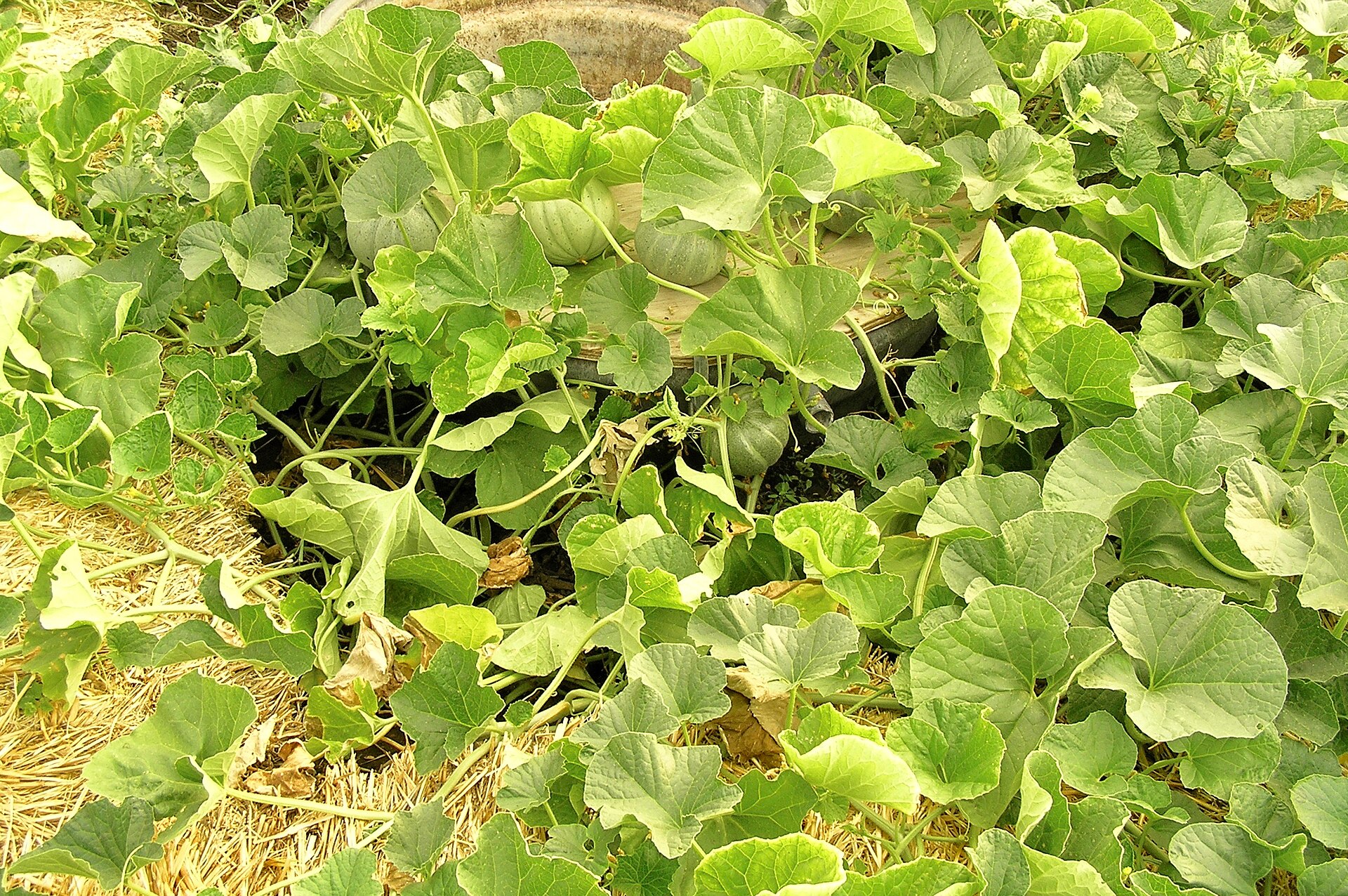
Honeydew is a smooth-skinned melon with a pale cream or greenish rind and firm, pale green flesh. Unlike a cantaloupe it has no netting and almost no smell through the skin, which is where its Latin name inodorus comes from. It ripens late and keeps for weeks, which is why the same family of melons is called winter melon.
Family: Cucurbitaceae (gourd family).
Primary compounds
Cucurbitacins (trace). Folate.
Other notable constituents
Minerals: Magnesium · Antioxidants: Beta-carotene (trace) · Fiber: ~1.4 g per cup
Chapter 4 of 14
What Studies in People Show
What studies in people show
Water-rich fruit contributes meaningfully to daily hydration and is a practical option for older adults with reduced thirst.Moderate evidence
Cut melon has been repeatedly linked to listeria and salmonella outbreaks when the rind isn't washed before cutting.Strong evidence
Chapter 5 of 14
Preparation and Kitchen Use
Cut into boats and served cold in the hottest part of the afternoon.
Kharbozeh with panir and mint, as a plate rather than a dessert.
Melon sharbat is blended flesh with ice and a drop of rose water.
In the kitchen: dried salted melon seeds, sold as tokhmeh. Chilled slices in the afternoon heat. Cubed with feta and mint for a salty-sweet plate.
Blended with ice for a summer drink.
In the kitchen: seeds washed, dried and lightly salted as a snack. Kept whole in a cool room for weeks and opened at Yalda.
Chapter 6 of 14
Medicines and Interactions
General caution:
Potassium-sparing diuretics — Melon carries a fair amount of potassium. Large daily quantities alongside these tablets are worth mentioning to a prescriber. (low concern)
Medication interaction:
Diabetes medicine — Melon raises blood sugar faster than most fruit for the same weight. Portion matters if you're managing glucose. (low concern)
Chapter 7 of 14
Who Should Be Careful
General caution:
People with advanced kidney disease should watch potassium intake.
General caution:
Always wash the rind before cutting — bacteria on the skin transfer to the knife.
General caution:
Eat cut melon within two days and keep it cold.
General caution:
The classical advice not to eat a heavy melon late at night is worth keeping if it disturbs your sleep.
General caution:
Cut melon must be refrigerated; it's a known carrier of listeria when left warm.
Chapter 8 of 14
Pregnancy, Children and Older Adults
Pregnancy and breastfeeding
Pregnancy and breastfeeding:
A good hydrating fruit in pregnancy. Wash the rind before cutting, because listeria on the skin can be dragged through the flesh by the knife, and eat cut melon the same day.
Children
Children:
Easy, popular, and gently sweet. Cut into fingers rather than cubes for small children, and keep it cold.
Older adults
Older adults:
Thirst fades with age and dehydration creeps in unnoticed. Melon is one of the easiest ways to drink without drinking, particularly in hot weather.
Chapter 9 of 14
Traditional Persian Perspective
Persian temperament: Cold & Moist (2nd degree). Classic cooling melon. Persian practice treated it as food for heat and thirst, and warned against eating it late at night on a cold stomach.
Persian medicine reads kharbozeh as cold and moist. It was given for heat, thirst, dry skin, and a hot, irritated bladder, and it was believed to help the kidneys flush. Because it was seen as strongly cooling and watery, the old texts warned against eating it late at night or on a full stomach, and advised not to drink water immediately after. This reflects traditional use, not a modern medical recommendation — melon and melon-seed preparations aren't a treatment for bladder or kidney problems, which need medical advice.
Chapter 10 of 14
Traditional Persian Perspective: In the Household
It was used: heat and thirst in summer. Hot, burning urination.
Dry skin and dryness of the body.
Melon is one of the great Persian summer foods, and specific towns are famous for their varieties — Garmsar and Mashhad melons are named the way wine regions are named elsewhere. A late-keeping melon cut open on Yalda night, the longest night of the year, is a small act of holding on to summer.
Chapter 11 of 14
What It Goes With
§ More Pairings
Pairing:
Feta
Salt against sweet water. A wedge of melon with white cheese is a whole small meal in a Persian summer.
Herb:
Mint
Torn mint over cold melon changes the smell of the plate before you taste anything.
Fruit:
Lime
A squeeze sharpens flat melon, which is the most common problem with fruit bought too early.
Pairing:
Cucumber
Cube both into one bowl with salt and you get the coldest thing you can eat without ice.
Chapter 12 of 14
Through the Year
Spring:
Spring
Early fruit is watery and pale. Wait, or buy something else.
Summer:
Summer
The whole point of the fruit. Cold wedges after a hot meal are a Persian summer habit.
Autumn:
Autumn
Late melons are often the sweetest of the year. Buy heavy fruit with a waxy, not shiny, skin.
Winter:
Winter
Out of season and rarely worth it. Preserved and dried melon appears instead.
Chapter 13 of 14
Questions People Ask
How do I pick a ripe honeydew?
Go by weight and skin, not smell. A ripe one feels heavy for its size, and the rind turns from green-white to a creamy yellow with a slightly waxy, tacky feel rather than a slippery one.
Is melon too sugary?
It tastes sweet but is mostly water, so a generous slice carries less sugar than a small glass of juice. For anyone managing blood sugar, eat it as part of a meal rather than alone.
Why does Persian tradition warn about melon at night?
Because it's read as cold and moist, and heavy with water. In practice, a large amount of melon late in the evening does disturb sleep for many people — usually with trips to the bathroom.
Chapter 14 of 14
Sources
Water intake, hydration and health in older adults — Nutrition Reviews. https://pubmed.ncbi.nlm.nih.gov/20646222/
Dietary potassium and blood pressure: bMJ. https://pubmed.ncbi.nlm.nih.gov/23558164/.