Most of the fat is monounsaturated, the same kind that makes olive oil useful.
One whole fruit carries roughly 7 g of fibre and about 700 mg of potassium.
Eating it with a salad raises how much carotenoid (the orange and yellow plant pigments your body can use) you absorb from the vegetables.
Half a fruit is a serving. It's food, not a garnish, and the calories are real.
Chapter 2 of 16
Getting to Know Avocado
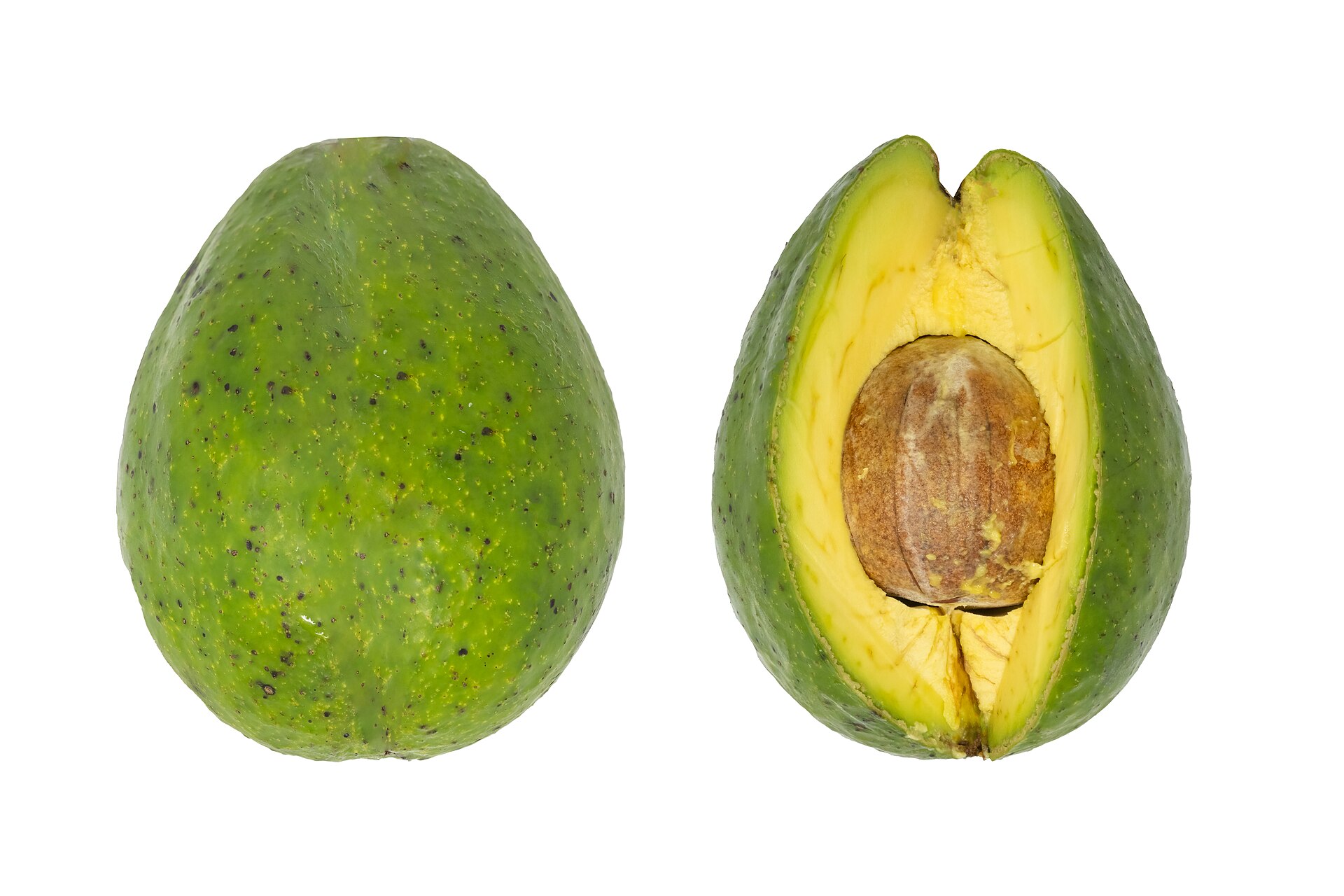
Avocado is technically a fruit, though it doesn't feel like one when you eat it. Around three quarters of its calories come from fat, mostly the same monounsaturated kind found in olive oil. It also gives you more potassium per gram than a banana and about 7 g of fibre in a whole fruit. It arrived in Iran fairly recently, first as shir-avokado in juice bars and then at Tehran breakfast tables. Now it sits beside bread and cheese as though it has always belonged there.
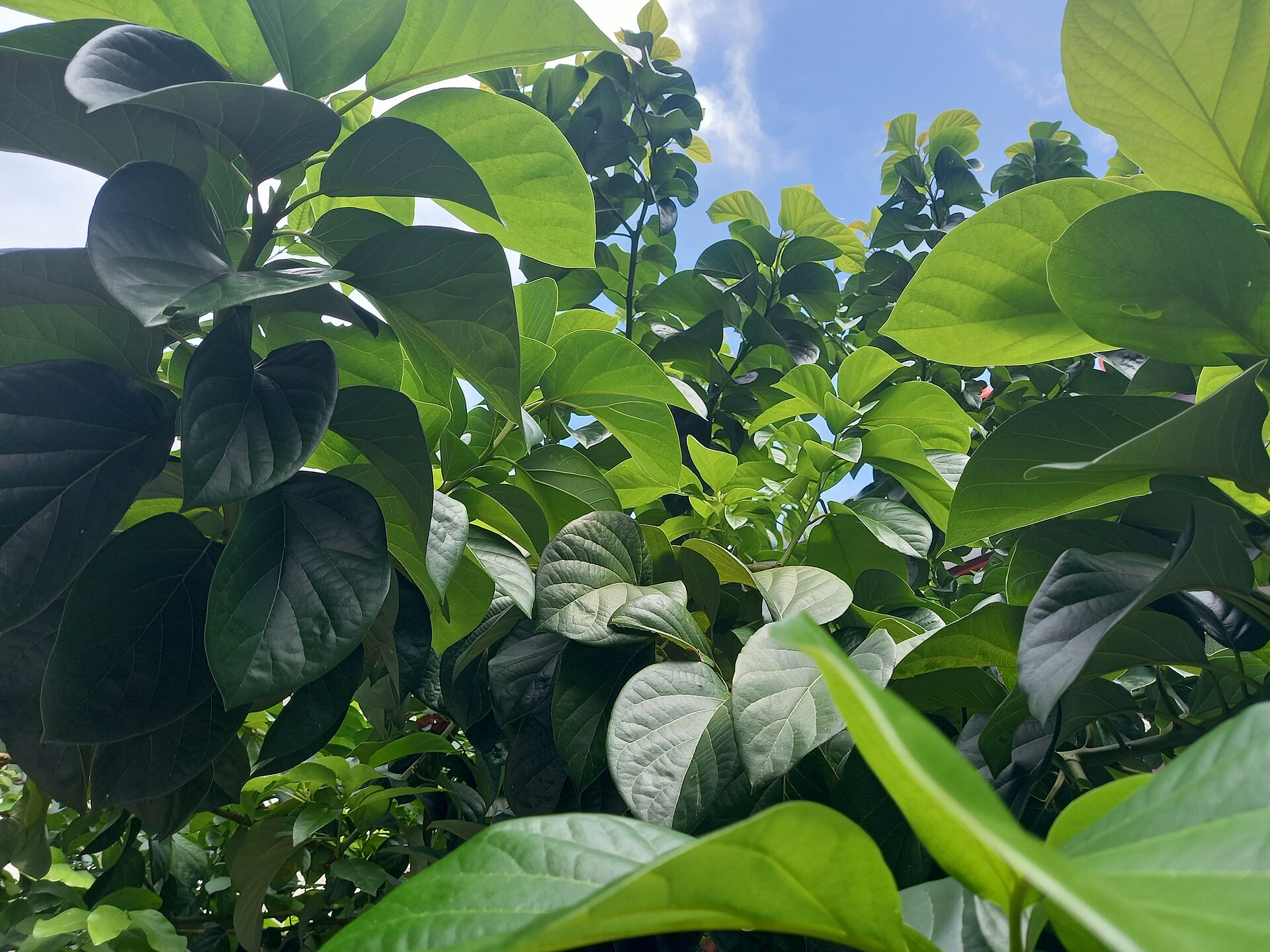
Known to botanists as Persea americana.
Chapter 3 of 16
Why It Matters
Avocado brings plenty with those calories. Its fat improves the fat balance of a meal, its potassium helps fill a gap in most diets, and its fibre makes breakfast last longer than ten minutes. It also helps your body absorb more from the vegetables beside it, something few foods do so well.
Avocado speaks to two changes that come with age. Blood vessels stiffen, and replacing saturated fat with monounsaturated fat can improve the cholesterol pattern behind that change. The eye also loses lutein (a yellow pigment linked to eye health) from the macula. Avocado gives you lutein and helps you absorb more from the rest of the plate. In one trial, older adults who ate one a day for six months made modest gains on attention tests.
Chapter 4 of 16
Why It Matters: What That Means Day to Day
Swapping saturated fat for the fat in avocado lowers LDL (the harmful type of cholesterol) cholesterol in controlled feeding studies.
About 700 mg of potassium per fruit, which works against sodium in the blood-pressure balance.
Roughly 7 g of fibre per fruit, most of it in a form that keeps you full past mid-morning.
Adding avocado to a salad multiplies the carotenoid (the orange and yellow plant pigments your body can use) you absorb from the tomatoes and carrots several times over.
Chapter 5 of 16
What It Contains
Primary compounds
Oleic acid is the main fat, the same monounsaturated fat that dominates olive oil.
Beta-sitosterol is a plant sterol that competes with cholesterol for absorption in the gut.
Lutein (a yellow pigment linked to eye health) and zeaxanthin collect in the macula of the eye and are what the vision research is about.
Other Constituents
Potassium and magnesium, both of which most people eat less of than they should.
Vitamins
Vitamin K, Folate, Vitamin E, Vitamin B6
Other notable constituents
Minerals: Copper · Fiber: About 7 g per whole fruit
Chapter 6 of 16
What Studies in People Show
Strong evidence
Diets substituting avocado for saturated fat lowered LDL (the harmful type of cholesterol) cholesterol compared with a matched lower-fat diet.Strong evidence
Moderate evidence
Adding avocado to a salad increased carotenoid (the orange and yellow plant pigments your body can use) absorption from the vegetables several-fold.Moderate evidence
Higher avocado intake was associated with lower heart and blood vessel disease risk across two long-running cohorts.Moderate evidence
Early research
Older adults eating one avocado daily for six months improved on a measure of attention, with no change on other cognitive (to do with thinking and memory) tests.Emerging evidence
Chapter 7 of 16
Preparation and Kitchen Use
Breakfast, where the fat and fibre hold off the mid-morning drop.
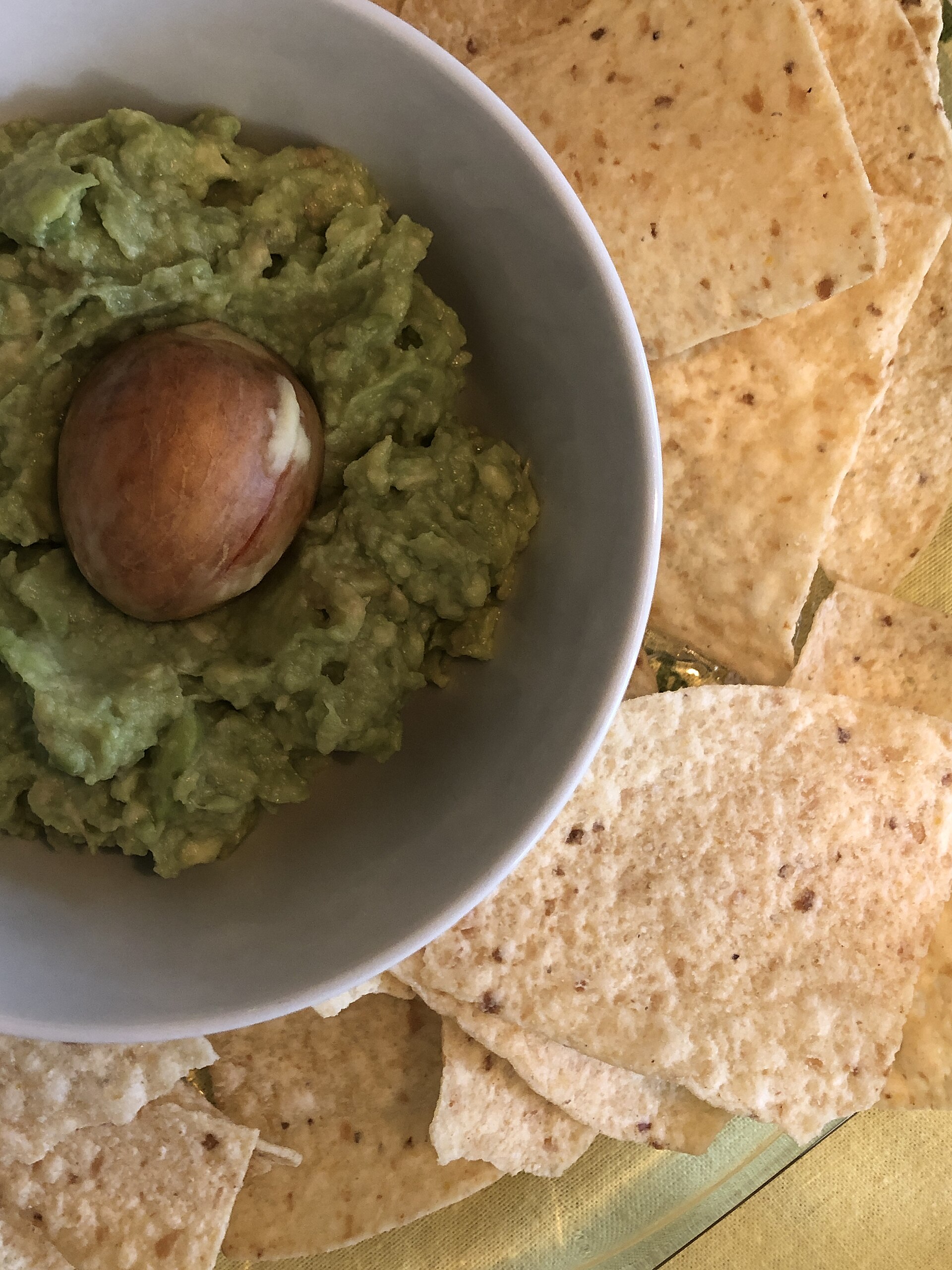
In the kitchen: mashed with lemon, salt and olive oil for the breakfast sofreh. Blended with milk and honey as shir-avokado.
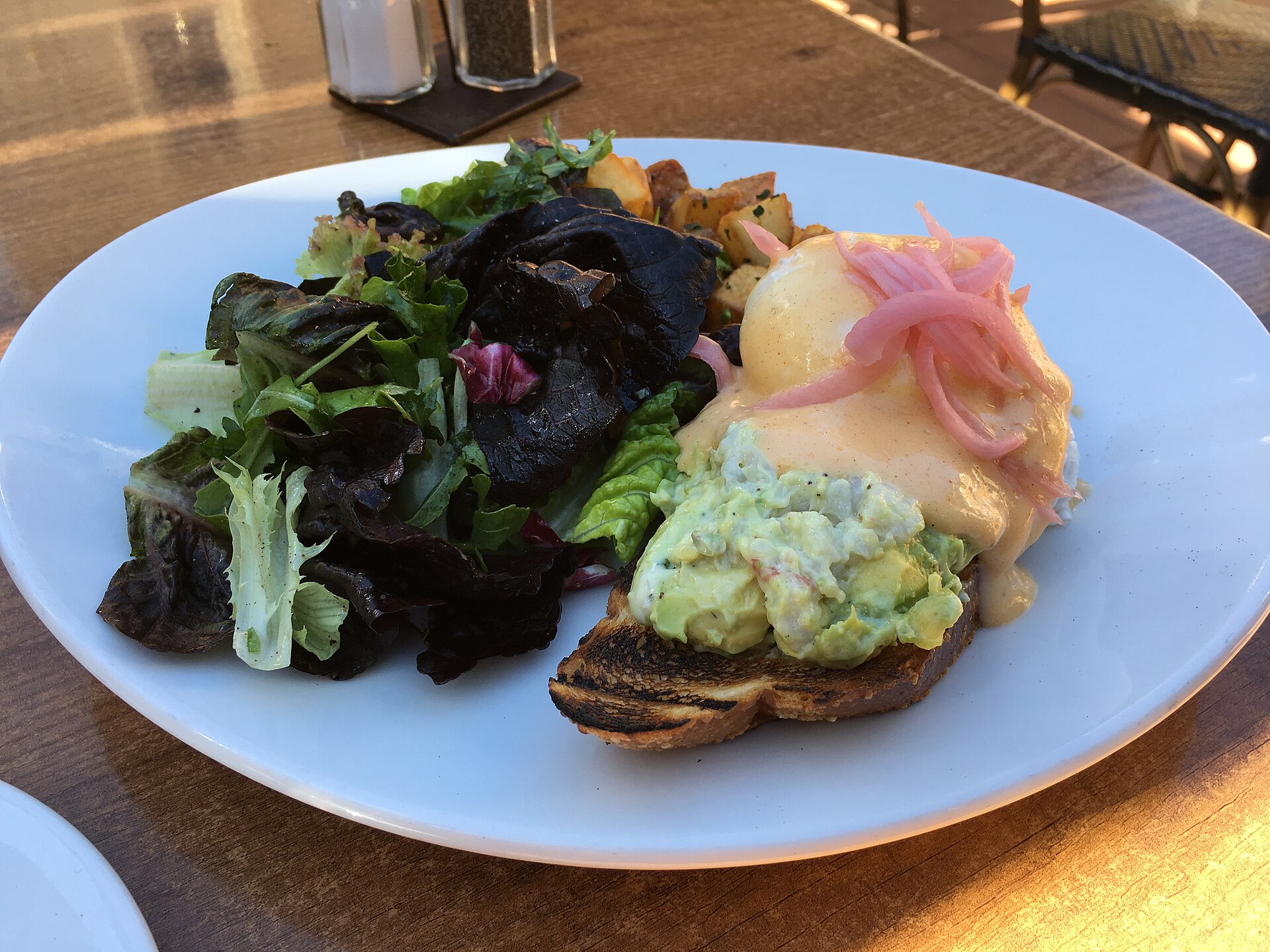
sliced over herbs and cucumber in a salad shirazi that has been pushed slightly sideways.
spooned plain from the shell with salt, which is how most people actually eat it.
Half a fruit a day is the amount used in most of the research.
Ripen on the counter, then move to the fridge. Cold stops a ripe one dead for three or four days.
Press the stem end with a thumb. Slight give means ready. A soft dent means you waited too long.
Cut, then squeeze lemon or lime over the face of the flesh before it meets air.
Speed up a hard one by leaving it in a paper bag with a banana overnight.
Chapter 8 of 16
Medicines and Interactions
Medication interaction:
Warfarin — Avocado carries vitamin K, which works against warfarin. The problem is a sudden change in how much you eat, not avocado itself. Keep your intake steady and tell your clinic. (moderate concern)
Medication interaction:
MAOI antidepressants — Overripe avocado carries some tyramine. Eat it fresh rather than soft and dark if you take an MAOI. (low concern)
Chapter 9 of 16
Who Should Be Careful
General caution:
The calories are real. A whole fruit is roughly 240 kcal, which is fine if it replaces something and less fine if it joins it.
Allergy:
Latex allergy sometimes travels with avocado. If bananas, kiwi or chestnut make your mouth itch, treat your first avocado carefully.
General caution:
Never cut one held in your palm. Emergency departments in several countries see enough of these injuries to have named them.
Allergy:
Known latex-fruit allergy.
Allergy:
Avocado allergy.
Chapter 10 of 16
Pregnancy, Children and Older Adults
Pregnancy and breastfeeding
Pregnancy and breastfeeding:
A good pregnancy food. Folate matters in the first trimester, the fibre helps with the constipation that comes with the territory, and the fat helps you absorb the vitamins in everything else on the plate. No special limit applies.
Children
Children:
One of the easiest first foods there is. Mashed plain, no cooking, no sugar, soft enough for a baby with no teeth. Introduce it on its own the first few times so any reaction is easy to read.
Older adults
Older adults:
Soft, needs no chewing, and dense in calories at a time of life when appetite often fades and weight quietly falls. Half a fruit at breakfast is an easy way to add nourishment without adding volume.
Chapter 11 of 16
Traditional Persian Perspective
Persian temperament: Warm & Moist (1st degree). A modern assignment rather than a classical one. Read as nourishing and softening, similar to sweet almond, and heavy for a cold weak stomach.
You won't find avocado in the classical Persian texts. It reached Iran in the twentieth century, long after the mizaj system was written down. Practitioners who use it today see it as warm and moist, much like butter and sweet almonds: nourishing and softening, but heavy on a cold weak stomach. This is a modern reading.
It was used: grown in Mesoamerica for thousands of years before any European saw one. Carried into Iran commercially in the twentieth century, first as a juice-bar fruit. Adopted into Tehran breakfast in the past two decades, mashed with lemon beside cheese.
Chapter 12 of 16
What It Goes With
Fruit:
Lime
Acid stops the browning and lifts flesh that's otherwise flat on the tongue.
Pairing:
Tomato
The fat carries lycopene (the red pigment in tomatoes) across the gut wall. Together they deliver more than either alone.
Pairing:
Feta
Salt against cream. This is the Tehran breakfast plate, and it needs nothing else.
Grain:
Barbari bread
Warm bread turns half an avocado into a meal rather than a side dish.
Chapter 13 of 16
Through the Year
Spring:
Spring
Hass fruit from the main crop is at its best. Buy firm and let it come round on the counter.
Summer:
Summer
Blend with milk and ice for shir-avokado, or fold through a cold salad instead of oil.
Autumn:
Autumn
Iranian southern fruit reaches the market. Thinner skin, softer flesh, shorter shelf life.
Winter:
Winter
Mash with lemon and eat it on warm bread with cheese. It sits well against a heavy breakfast.
Chapter 14 of 16
Questions People Ask
How do I know when it's ripe?
Press gently at the stem end. A slight give means ready. If your thumb leaves a dent, it has gone past. Colour is unreliable and varies by variety.
How do I stop it going brown?
Acid and air are the whole story. Lemon or lime juice on the cut face, then plastic pressed directly onto the flesh. The stone in the bowl does nothing except shield the patch it touches.
Can I freeze it?
Only mashed with lemon juice, and only for cooking or blending afterwards. Frozen slices thaw into something watery you'll not want to eat.
Is Iranian avocado different from imported?
Southern Iranian fruit tends to have thinner skin and softer flesh, so it doesn't travel or keep as well. Eat it within a couple of days of ripening.
Chapter 15 of 16
Sources
Sad Giah Hezar Darman (صد گیاه و هزار درمان) — One Hundred Plants and One Thousand Remedies — Dr. Hossein Erfani, 4th edition (1375 / 1996–1997). Primary traditional Persian herbal reference cited throughout this platform. Presented as traditional knowledge, not as modern medical proof.
Office of Dietary Supplements: fact Sheets — US National Institutes of Health (NIH). https://ods.od.nih.gov/factsheets/list-all/.
Herbal Database: memorial Sloan Kettering Cancer Center. https://www.mskcc.org/cancer-care/diagnosis-treatment/symptom-management/integrative-medicine/herbs.
Herbs at a Glance: uS NIH National Center for Complementary and Integrative Health (NCCIH). https://www.nccih.nih.gov/health/herbsataglance.
FoodData Central: searchable nutrient database — US Department of Agriculture (USDA). https://fdc.nal.usda.gov/.
Chapter 16 of 16
Sources (continued)
The Nutrition Source: harvard T.H. Chan School of Public Health. https://www.hsph.harvard.edu/nutritionsource/.
PubMed — peer-reviewed biomedical literature — US National Library of Medicine. https://pubmed.ncbi.nlm.nih.gov/