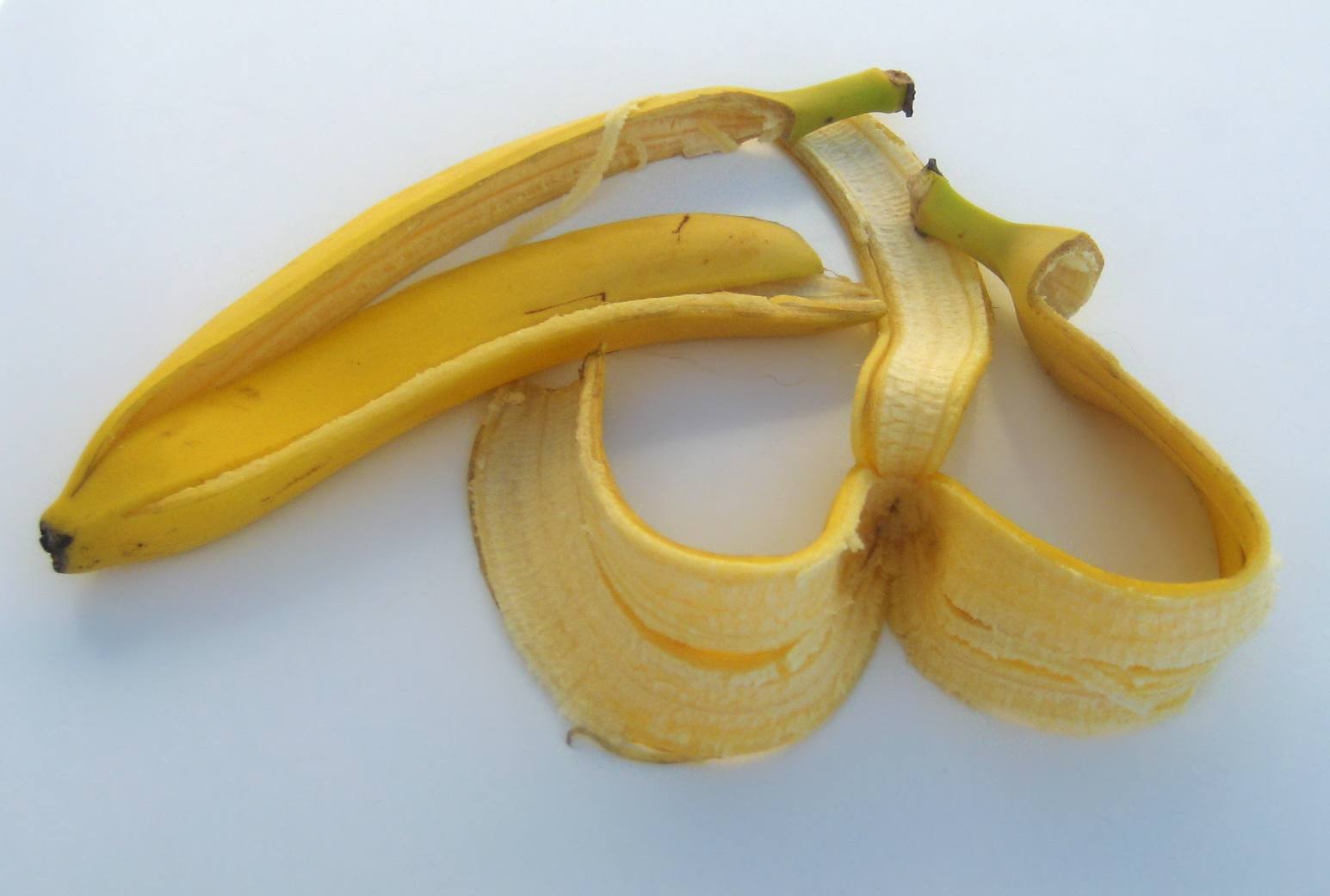
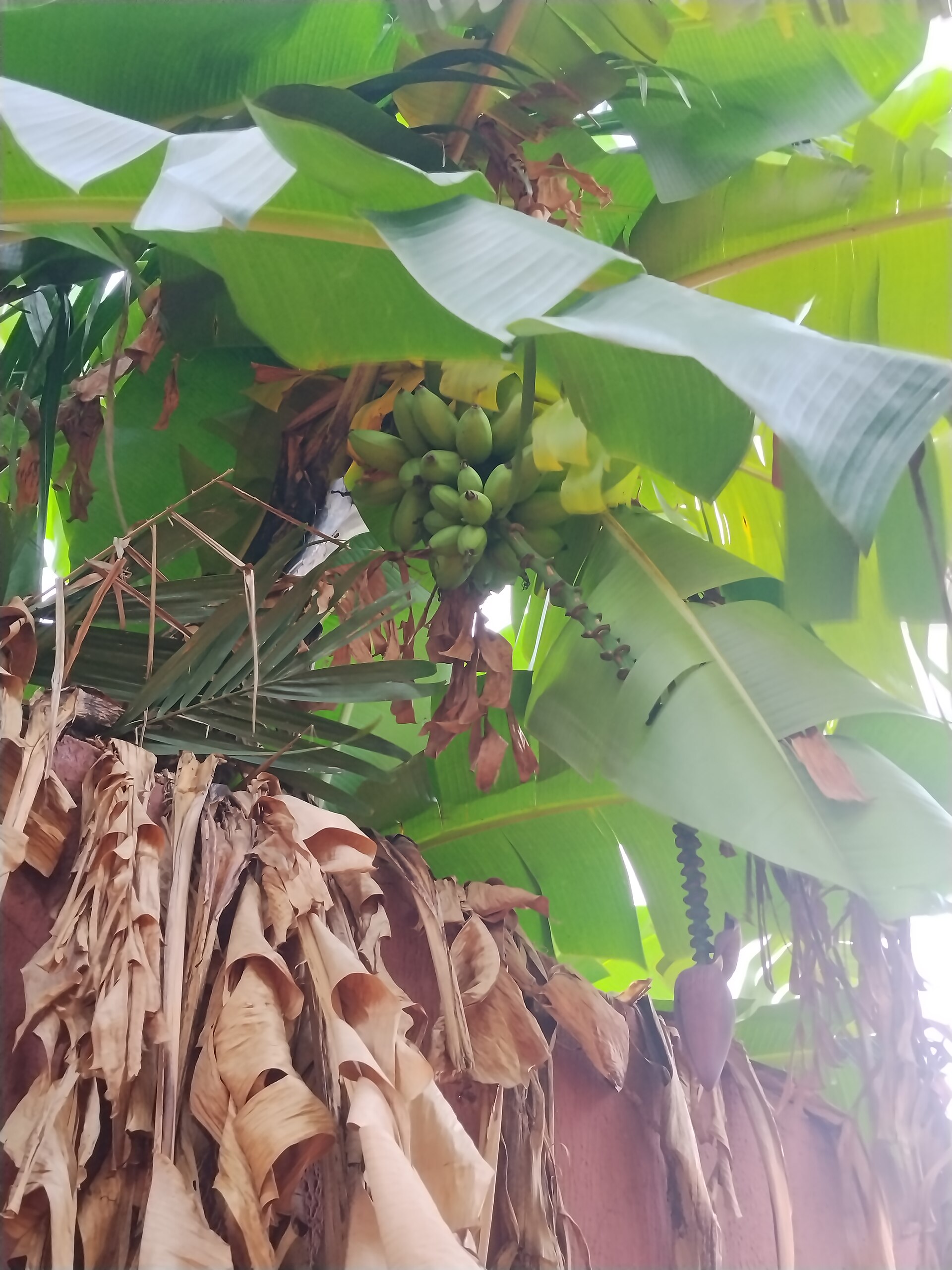
A medium banana carries about 420 mg of potassium, useful for blood pressure and muscles.
A slightly green banana feeds gut bacteria. A fully ripe one digests fastest.
Vitamin B6 and tryptophan support the chemistry of sleep and steady mood.
Moz reached Persian markets from India centuries ago and is now a familiar part of the Iranian fruit bowl. You don't need a knife, a plate, or even a wash before eating it. Inside the peel is one of the easiest everyday sources of potassium, along with vitamin B6 and, when the fruit is still slightly green, resistant starch that feeds gut bacteria.
Known to botanists as Musa acuminata.
Chapter 2 of 14
Why It Matters
Most people don't get enough potassium, and that can show up in blood pressure. A banana is one of the easiest ways to close the gap: it's affordable, portable, and familiar to everyone from toddlers to grandparents.
After sixty, chewing can become tiring, appetite may fade, and potassium matters even more for the heart and muscles. A soft fruit that opens with one thumb and already tastes familiar is worth keeping in the house.
Potassium helps the body shed sodium, which is the everyday lever on blood pressure.
B6 is needed to make serotonin and melatonin. One banana supplies a third of the day.
Soft, low-acid and bland in the best sense: one of the few fruits a nauseated stomach accepts.
Chapter 3 of 14
What It Contains
Primary compounds
Potassium runs about 420 mg per medium fruit, roughly a tenth of the daily target.
Vitamin B6 covers about a third of the daily need per fruit.
Resistant starch is highest while the peel still shows green at the tips.
Dopamine in the fruit acts as an antioxidant in the gut. It doesn't cross into the brain.
Vitamins
Vitamin C, Folate
Other notable constituents
Minerals: Magnesium, Manganese · Antioxidants: Catechins (plant compounds common in green tea) · Fiber: About 3 g per medium banana
Notable: Greener fruit, more resistant starch. Riper fruit, more free sugar
Chapter 4 of 14
What Studies in People Show
Strong evidence
Higher potassium intake was associated with lower blood pressure and stroke risk in pooled analyses.Strong evidence
Moderate evidence
Vitamin B6 reduced nausea in early pregnancy in randomised trials.Moderate evidence
Early research
Resistant starch from green bananas improved gut-fermentation markers in human feeding studies.Emerging evidence
Chapter 5 of 14
Preparation and Kitchen Use
Breakfast, or thirty minutes before a walk. Slightly green if your gut is the goal.
In the kitchen: ripen at room temperature. Refrigerate only once ripe, and ignore the darkened skin. For shir-moz: one banana per glass of milk, blended 30 seconds, rose water at the end.
Other Ways to Use It
Freeze bananas in a bag once spotted. They keep two months for blending.
To slow ripening, wrap the crown of the bunch.
Eat slightly green-tipped for gut benefit, fully yellow for quick energy.
Slice over yogurt with honey and walnuts.
Freeze peeled ripe bananas and blend them into a one-ingredient ice cream.
Eat one with breakfast or before a walk. It's the original energy bar.
Chapter 6 of 14
Medicines and Interactions
General caution:
ACE inhibitors and potassium-sparing diuretics — These raise potassium, and a banana adds a little more. One a day is normally fine; several daily is worth a word with your doctor. (low concern)
Chapter 7 of 14
Who Should Be Careful
General caution:
Advanced kidney disease on a potassium-restricted diet.
General caution:
Very ripe bananas raise blood sugar faster than most fruit. If you manage diabetes, pick firmer fruit and eat it with yogurt or nuts.
Allergy:
A small number of people with latex allergy react to banana. Mouth itching after eating one is the sign.
General caution:
Bananas on their own aren't constipating for most people, despite the reputation; very ripe fruit if anything loosens the bowel.
Allergy:
Documented latex-fruit allergy.
Chapter 8 of 14
Pregnancy, Children and Older Adults
Pregnancy and breastfeeding
Pregnancy and breastfeeding:
One of the kindest fruits in pregnancy: it sits well on a nauseated morning stomach, and the B6 has a folk record, partly backed by trials, for easing morning sickness.
Children
Children:
Often the first fruit a child accepts. Mash it for babies, slice it lengthways for toddlers. It travels well in a school bag, which is half the battle.
Older adults
Medication interaction:
Soft, sweet, needing no knife and no teeth to speak of, and it opens with one thumb. For an older person eating alone, it's the fruit most likely to actually get eaten. Those on potassium-raising heart medicines should keep to one a day.
Chapter 9 of 14
Traditional Persian Perspective
Persian temperament: Cool & Moist (2nd degree). Moistening and calming in the classical reading. Warming spices balance it for cold constitutions.
Hakims saw moz as cool and moist, soothing for an irritated stomach, moistening for dry constitutions, and calming when the nervous system feels on edge. Their old advice for cold-natured people was to add cardamom or cinnamon, a pairing the kitchen found naturally too.
Bananas were domesticated in Southeast Asia and reached Persia through the Indian Ocean trade many centuries ago.
In the Household
They appear in medieval Arabic and Persian medical writing as a soft, nourishing fruit for weak digestion.
Shir-moz became a fixture of the modern Iranian juice shop in the twentieth century.
In Iranian juice shops, shir-moz is a familiar summer refresher: banana blended with milk and often rose water and pistachio. At home, sliced banana with yogurt and honey is the children's dessert that adults often end up finishing.
Chapter 10 of 14
What It Goes With
Dairy:
Yogurt
Sliced banana over yogurt with honey is the household standard. The protein steadies the fruit's sugar.
Pairing:
Walnuts
Fat and crunch against the soft fruit, and the pairing slows the sugar further.
Spice:
Cardamom
A pinch in shir-moz. The hakim's warming spice on a cool, moist fruit.
Honey:
Honey
A drizzle over the sliced fruit when it's dessert. A little goes far.
Chapter 11 of 14
Through the Year
Spring:
Spring
Available all year as an import. Spring is when local berries outshine it on the fruit plate.
Summer:
Summer
Shir-moz season at the juice shops. Keep bananas out of the fridge until ripe.
Autumn:
Autumn
A steady staple as the stone fruit leaves the market.
Winter:
Winter
The reliable fruit of the cold months, when the local choice narrows to citrus and apples.
Chapter 12 of 14
Questions People Ask
Green or ripe: which is better?
For gut bacteria and steadier blood sugar, eat it while the tips are still green. For quick energy and easiest digestion, fully yellow. Both are fine.
Do bananas help with cramps?
Possibly, if the cramp involves low potassium. The evidence is mixed, but the fruit is a reasonable first move for a cramp-prone athlete.
Is a banana fattening?
A medium banana is about 105 calories, less than most biscuits. Whole fruit is rarely the problem in anyone's diet.
Why does the fridge turn the skin black?
Cold damages the skin's cells, not the fruit. A refrigerated ripe banana is fine inside. The black skin just looks alarming.
Chapter 13 of 14
Sources
Sad Giah Hezar Darman (صد گیاه و هزار درمان) — One Hundred Plants and One Thousand Remedies — Dr. Hossein Erfani, 4th edition (1375 / 1996–1997). Primary traditional Persian herbal reference cited throughout this platform. Presented as traditional knowledge, not as modern medical proof.
Office of Dietary Supplements: fact Sheets — US National Institutes of Health (NIH). https://ods.od.nih.gov/factsheets/list-all/.
Herbal Database: memorial Sloan Kettering Cancer Center. https://www.mskcc.org/cancer-care/diagnosis-treatment/symptom-management/integrative-medicine/herbs.
Herbs at a Glance: uS NIH National Center for Complementary and Integrative Health (NCCIH). https://www.nccih.nih.gov/health/herbsataglance.
FoodData Central: searchable nutrient database — US Department of Agriculture (USDA). https://fdc.nal.usda.gov/.
Chapter 14 of 14
Sources (continued)
The Nutrition Source: harvard T.H. Chan School of Public Health. https://www.hsph.harvard.edu/nutritionsource/.
PubMed — peer-reviewed biomedical literature — US National Library of Medicine. https://pubmed.ncbi.nlm.nih.gov/