Culinary zereshk on rice is the Persian everyday dose — gentle and food-safe.
Concentrated berberine extracts (500 mg × 2–3/day) are clinical-strength — coordinate with a clinician.
Tart flavor naturally cuts the heaviness of rich kebab, butter-rich rice, and fried foods.
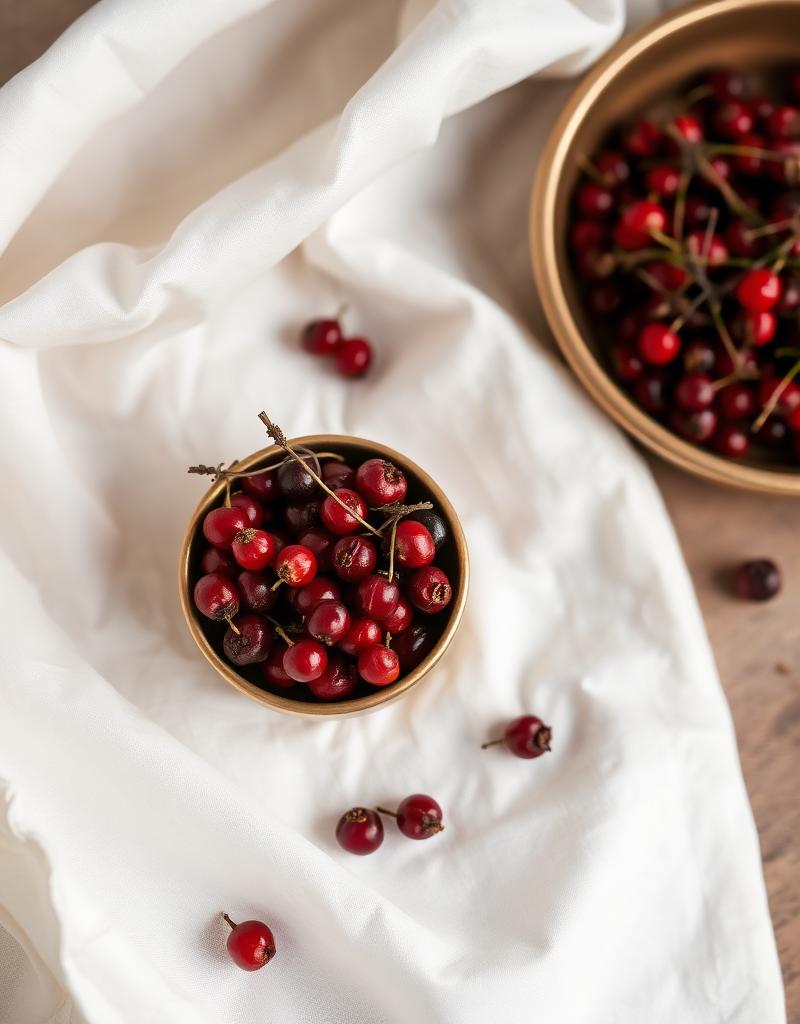
Zereshk is the little dried berry scattered over Persian zereshk polo. Its sharp taste comes with plenty of antioxidants and berberine, a yellow plant compound with some of herbal medicine's strongest evidence for blood sugar, cholesterol, and gut health.
Known to botanists as Berberis vulgaris.
Chapter 2 of 18
Why Herbalists Still Reach for It
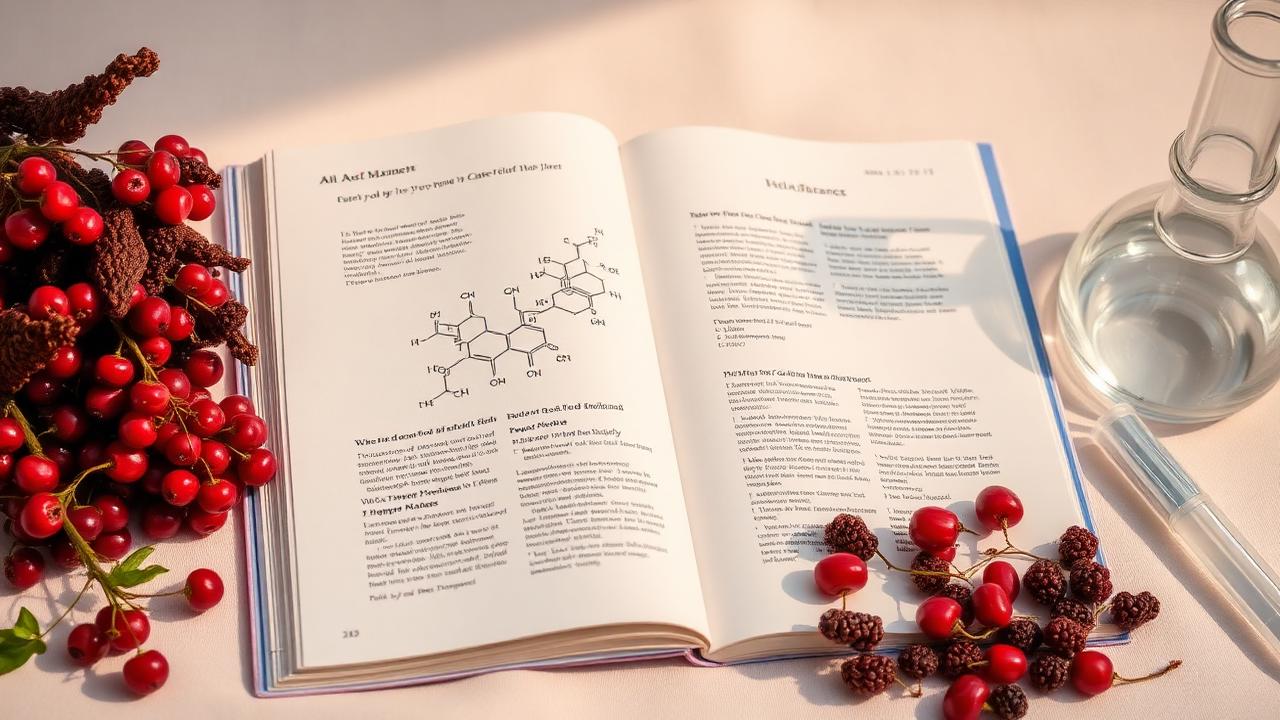
After 40, fasting glucose, LDL (the harmful type of cholesterol) cholesterol, and liver fat can quietly creep upward. Three of the strongest meta-analyses (a study that pools the results of many trials) in plant medicine suggest berberine can move all three in a healthier direction. A spoonful of zereshk on rice brings that research into a meal Persians already share at celebrations.
Berberine connects three important parts of healthy aging: fasting glucose, LDL cholesterol, and the gut microbiome. Culinary zereshk gives you a steady, food-safe amount. Concentrated extracts are different and belong in short, supervised metabolic resets.
Helps lower total and LDL (the harmful type of cholesterol) cholesterol.
Anthocyanin (the natural colour pigments that make fruit red, purple or blue) antioxidants support healthy blood vessels.
Tart flavor enhances digestion of rich, fatty foods.
Chapter 3 of 18
The Plant Itself
A spiny deciduous shrub 1–3 m tall with grooved yellow inner bark, small oval leaves on short shoots, and pendulous racemes of yellow flowers that ripen into bright crimson oblong berries. The dried berries (zereshk), root bark, and stem bark all carry the yellow alkaloid (strong plant compounds that act on the body even in small amounts) berberine.
Family: Berberidaceae (barberry family).
Chapter 4 of 18
What Is In It
Primary compounds
Berberine is the yellow isoquinoline alkaloid (strong plant compounds that act on the body even in small amounts) that drives most of the metabolic evidence.
Berbamine, palmatine, oxyacanthine — supporting Berberis alkaloids (strong plant compounds that act on the body even in small amounts) with similar direction.
Other Constituents
Anthocyanins (cyanidin, pelargonidin glycosides) — the ruby colour and antioxidant load of the berry.
Vitamin C and organic acids (malic, citric) — the tart edge that lifts appetite and cuts saffron-butter richness.
Other notable constituents
Antioxidants: Resveratrol (a natural compound in grape skins that scientists study for heart health) traces · Minerals: Potassium, Iron (trace)
Chapter 5 of 18
What Studies in People Show
Strong evidence
Berberine 500 mg × 2–3/day for ≥3 months lowered fasting glucose and HbA1c (a blood test showing average blood sugar over about three months) comparably to metformin (a common diabetes medicine) in adults with type-2 diabetes (meta-analysis).Strong evidence
Berberine reduced total cholesterol, LDL (the harmful type of cholesterol), and triglycerides (a type of fat in the blood) across randomised trials (meta-analysis).Strong evidence
Moderate evidence
Berberine improved insulin sensitivity and androgen profile in women with PCOS (systematic review).Moderate evidence
Berberine reduced hepatic steatosis and liver enzymes in adults with non-alcoholic fatty liver (RCT).Moderate evidence
Chapter 6 of 18
How It Is Prepared
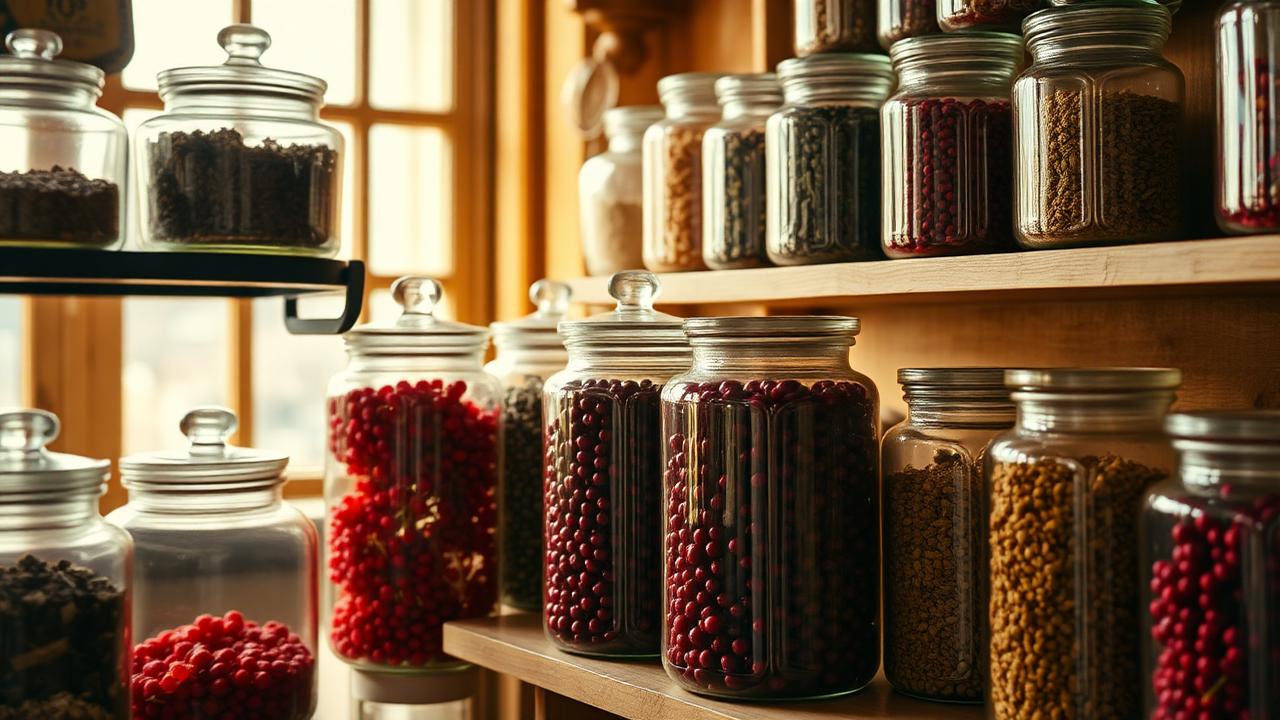
A plate of zereshk polo at Friday lunch, and a warm cup of zereshk-rose tea after a rich dinner. Two meals a week is enough to bring the tart-cooling rhythm into the household.
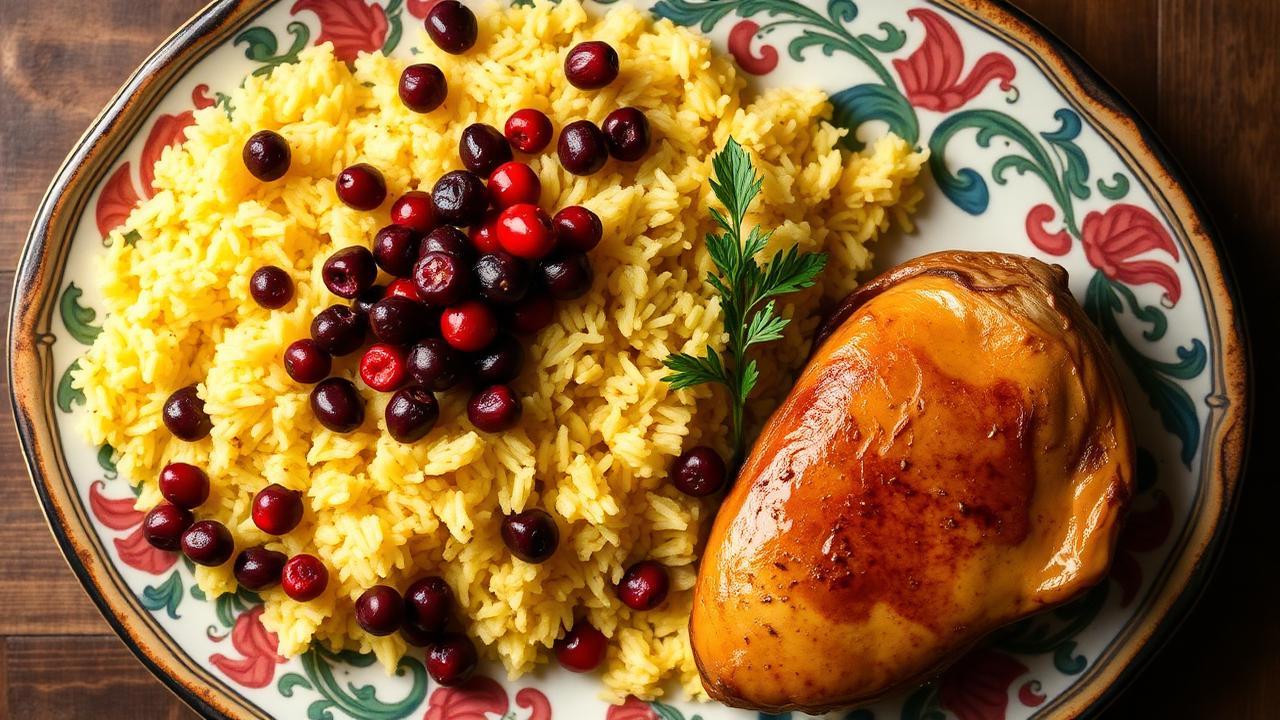
Rinse 2 Tbsp dried zereshk, sauté 30 sec in butter with a pinch of sugar, scatter over saffron rice.
Zereshk tea: 1 tsp dried berries + 1 tsp dried rose petals steeped 8 min · Sharbat-e zereshk: barberry syrup diluted in cold water as a summer cooler.
Add a tart spoonful to grain salads, lentils, or chicken pilaf.
Chapter 7 of 18
Extracts, Capsules and Concentrates
Capsules and standardised extracts carry many times the amount you get from food, which is why the cautions below matter more here.
Berberine extract (clinical): 500 mg standardized capsules with meals, only under clinician guidance.
Use berberine extract only short-term and under clinician guidance for blood-sugar or cholesterol support.
Chapter 8 of 18
Medicines and Interactions
General cautions
Medication interaction:
Berberine may interact with diabetes, blood-pressure, and several common medications.
Specific medicines
Medication interaction:
Metformin (a common diabetes medicine), sulfonylureas (a common type of diabetes tablet), insulin — Berberine at 500 mg × 2–3/day lowers fasting glucose and HbA1c on a scale comparable to metformin — genuinely additive and can cause hypoglycemia (blood sugar dropping too low) if unmonitored. (high concern)
More Interactions to Know
Medication interaction:
Statins (cholesterol-lowering medicines) and CYP3A4 (a liver enzyme that breaks down many medicines) substrates (cyclosporine, tacrolimus, certain antivirals) — Berberine inhibits CYP3A4 and P-glycoprotein; can raise levels of many co-administered drugs. Culinary zereshk is safe; extracts require clinician oversight. (high concern)
Medication interaction:
Warfarin (a blood-thinning medicine) / DOACs — Berberine displaces warfarin from plasma proteins and inhibits CYP2C9 — can raise INR (the blood test that shows how fast your blood clots) at extract doses. Culinary zereshk is compatible. (moderate concern)
Active liver disease — only culinary use; avoid concentrated bark or extract.
General caution:
Rinse well — dried zereshk often carries grit from sun-drying.
Pregnancy and breastfeeding:
Avoid medicinal barberry and berberine extracts during pregnancy and breastfeeding. Berberine crosses the placenta and can interfere with a newborn's bilirubin processing, which can cause neonatal jaundice. Culinary zereshk on rice is generally considered safe.
Chapter 10 of 18
Pregnancy, Children and Older Adults
General
Children:
Infants and young children (avoid medicinal doses; culinary zereshk on rice is fine).
Children
Children:
Berberine is avoided in infants (kernicterus risk) and small children. Culinary zereshk polo is a normal Persian family food from toddlerhood. Standardised extracts aren't appropriate under 18 outside specialist care.
Older adults
Older adults:
A weekly plate of zereshk polo is one of the more elegant ways for older adults to add a food-safe daily dose of berberine plus anthocyanins (the natural colour pigments that make fruit red, purple or blue), fibre, and vitamin C. Extracts are a clinician-supervised metabolic tool, not a supplement to self-stack alongside metformin (a common diabetes medicine) and statins (cholesterol-lowering medicines).
Chapter 11 of 18
What Persian Medicine Says
Persian temperament: Cool & Dry (2nd degree). Persian medicine reads barberry as cool and dry — cooling an overheated liver, sharpening appetite, and balancing warming meats and saffron-butter rice. The bark was Avicenna's remedy for jaundice and hot fevers.
Persian medicine sees barberry as cool and dry. It was used to cool an overheated liver, wake up a sluggish appetite, sharpen digestion, and balance rich meats and saffron rice. Avicenna and later Persian physicians used the bark for jaundice and fevers, while the berries became an everyday liver-friendly seasoning.
It was used: overheated, sluggish liver and a coated tongue. Poor appetite and slow digestion after rich meals. Bleeding gums and mild oral infections (root-bark gargles).
Zereshk polo ba morgh, saffron rice with barberries and chicken, sits at the centre of weddings, Nowruz gatherings, and Friday lunches across Iran.
Chapter 12 of 18
Traditional Formulas
Zereshk polo ba morgh: saffron basmati layered with butter-glazed barberries and saffron chicken, which is the iconic Persian celebration plate and a daily food-dose of berberine.
Chapter 13 of 18
What It Goes With
Spice:
Turmeric
Both carry compounds studied for metabolism, and they sit together easily in a pot.
Spice:
Cinnamon
Cinnamon rounds barberry's sharpness in a compote or a stewed fruit dish.
Grain:
Rice
Zereshk polo. Warm the berries in butter for thirty seconds, no more, then scatter over the rice.
Chapter 14 of 18
What It Goes With: More Pairings
Spice:
Saffron
Saffron and barberry go on the same plate constantly. One is sweet-bitter, the other sharp, and they hold each other up.
Pairing:
Chicken
The sourness cuts roast chicken fat the way lemon does, but with more depth.
Pairing:
Pistachios
Sour red and green fat, scattered together. Mostly a northern Iranian habit and a good one.
Chapter 15 of 18
Through the Year
Spring:
Spring
Little use. The plant is flowering and the fruit is months away.
Summer:
Summer
Dried berries from last autumn, soaked briefly before use so they plump rather than burn.
Autumn:
Autumn
Harvest. Fresh berries are picked in bunches and dried in shade to keep the red.
Winter:
Winter
This is when zereshk earns its place, cutting through the fat of winter rice and chicken.
Chapter 16 of 18
Questions People Ask
Is eating zereshk on rice the same as taking berberine?
No. Culinary zereshk delivers a small, food-safe daily dose of berberine plus anthocyanins, vitamin C, and fiber. Standardized berberine capsules (500 mg × 2–3 daily) are roughly 50–100× stronger — closer to a medication and best used short-term with clinician oversight.
Why must I rinse dried zereshk so carefully?
Zereshk is sun-dried on cloth or trays and often carries fine grit and tiny stones. Rinse twice, drain, and pick through before sautéing. Skipping this step is the most common reason people dislike home-cooked zereshk polo.
Can I take berberine with metformin (a common diabetes medicine)?
Berberine and metformin (a common diabetes medicine) both lower blood sugar and use overlapping pathways. Combining them can compound the effect and cause hypoglycemia. Coordinate dose and timing with your clinician — don't stack them on your own.
Chapter 17 of 18
Sources
Sad Giah Hezar Darman (صد گیاه و هزار درمان) — One Hundred Plants and One Thousand Remedies — Dr. Hossein Erfani, 4th edition (1375 / 1996–1997). Primary traditional Persian herbal reference cited throughout this platform. Presented as traditional knowledge, not as modern medical proof.
Office of Dietary Supplements: fact Sheets — US National Institutes of Health (NIH). https://ods.od.nih.gov/factsheets/list-all/.
Herbal Database: memorial Sloan Kettering Cancer Center. https://www.mskcc.org/cancer-care/diagnosis-treatment/symptom-management/integrative-medicine/herbs.
Herbs at a Glance: uS NIH National Center for Complementary and Integrative Health (NCCIH). https://www.nccih.nih.gov/health/herbsataglance.
FoodData Central: searchable nutrient database — US Department of Agriculture (USDA). https://fdc.nal.usda.gov/.
Chapter 18 of 18
Sources (continued)
The Nutrition Source: harvard T.H. Chan School of Public Health. https://www.hsph.harvard.edu/nutritionsource/.
PubMed — peer-reviewed biomedical literature — US National Library of Medicine. https://pubmed.ncbi.nlm.nih.gov/