One of the highest-pectin fruits are a soluble fibre that gently supports digestion and a steadier blood-sugar response after meals.
Traditionally cardiotonic in Persian medicine — quince syrup and jam were the classical after-illness rebuilder.
Quince seed tea (loāb-e beh) is a soothing demulcent (coats and soothes irritated tissue) for a dry, irritated throat — steep whole, never crush.
Cook fully: raw quince is hard, astringent (tightens tissue and leaves a dry feeling in the mouth), and unpleasant. Poaching converts the tannins (plant compounds that give a dry, puckering taste) into the signature amber sweetness.
Chapter 2 of 12
Getting to Know Quince
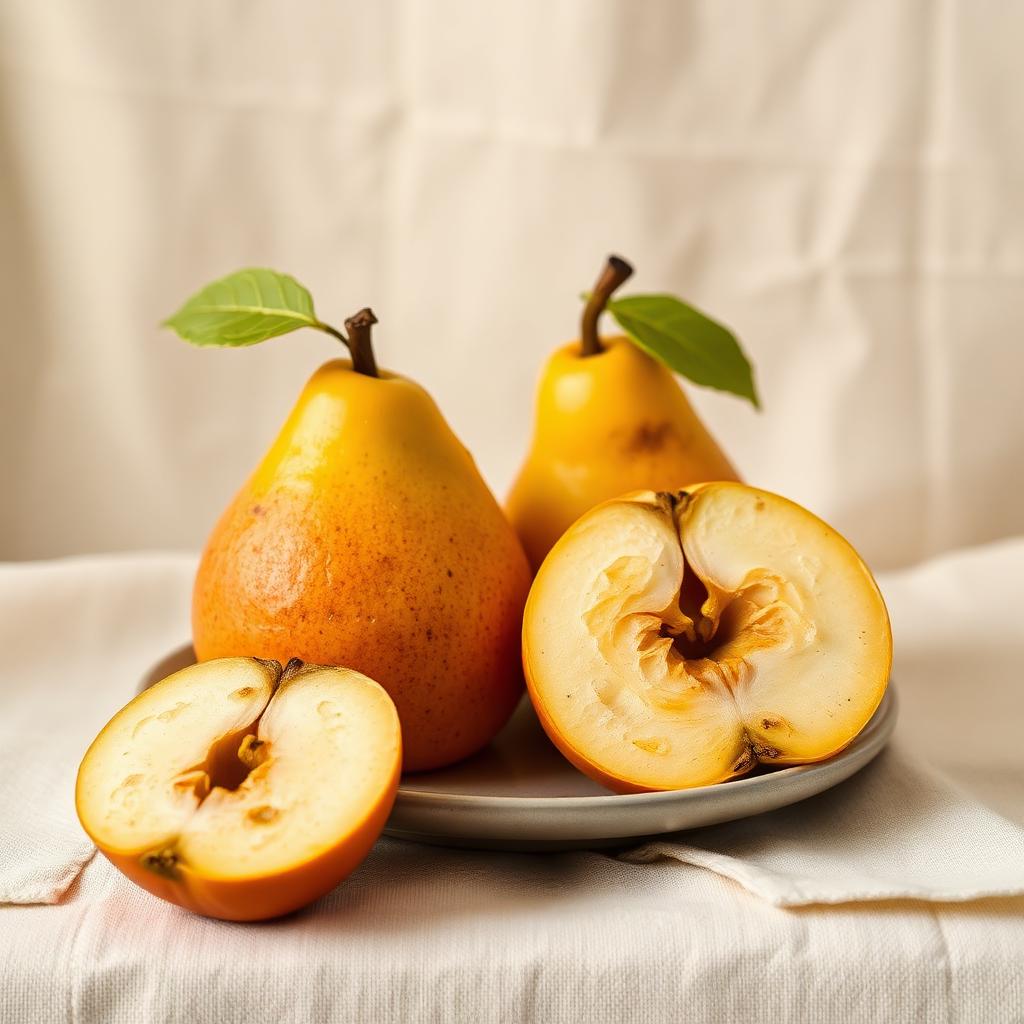
Quince (Cydonia oblonga) is knobbly and smells of honey, then softens to rose-gold as it cooks. Native to the Caucasus and grown across Persia for at least three thousand years, it anchors khoresh beh (autumn quince-and-lamb stew), moraba-ye beh (quince jam), and the seed-tea (loāb-e beh) Persian grandmothers steep for sore throats. Rich in pectin (a soft fibre in fruit that thickens jam), aromatic, and traditionally cardiotonic, quince is one of those foods where classical Persian and modern nutritional views come especially close.
Chapter 3 of 12
Why It Matters
Quince brings together gut-soothing pectin (a soft fibre in fruit that thickens jam), the rose family's polyphenols (protective plant compounds), and centuries of use as a household heart tonic. It's a rare autumn fruit whose traditional and modern reputations meet around gentle, everyday benefit.
Quince quietly supports three parts of healthy aging: steadier blood sugar after meals (thanks to its soluble fibre and polyphenols), a soothing action that calms reflux (stomach acid rising into the throat) and a dry throat (both more common with age), and a centuries-long heart-strengthening tradition. Cook it simply and it's easy to chew and low in sugar.
What That Means Day to Day
High soluble pectin (a soft fibre in fruit that thickens jam) supports digestion and post-meal glucose stability.
Vitamin C and rose-family polyphenols (protective plant compounds) such as chlorogenic acid, quercetin and catechins give real antioxidant protection.
It was used: quince seed gel soothes a dry, irritated throat and food pipe. Naturally gentle on blood sugar when cooked without heavy sugar.
Chapter 4 of 12
What It Contains
Primary compounds
Pectin — one of the highest-pectin common fruits. The soluble fibre behind the traditional gut-soothing action.
Chlorogenic acid, quercetin (a plant compound found in onions, apples and tea), catechins (plant compounds common in green tea), procyanidins — rose-family polyphenols (protective plant compounds) concentrated in peel and pulp.
Other Constituents
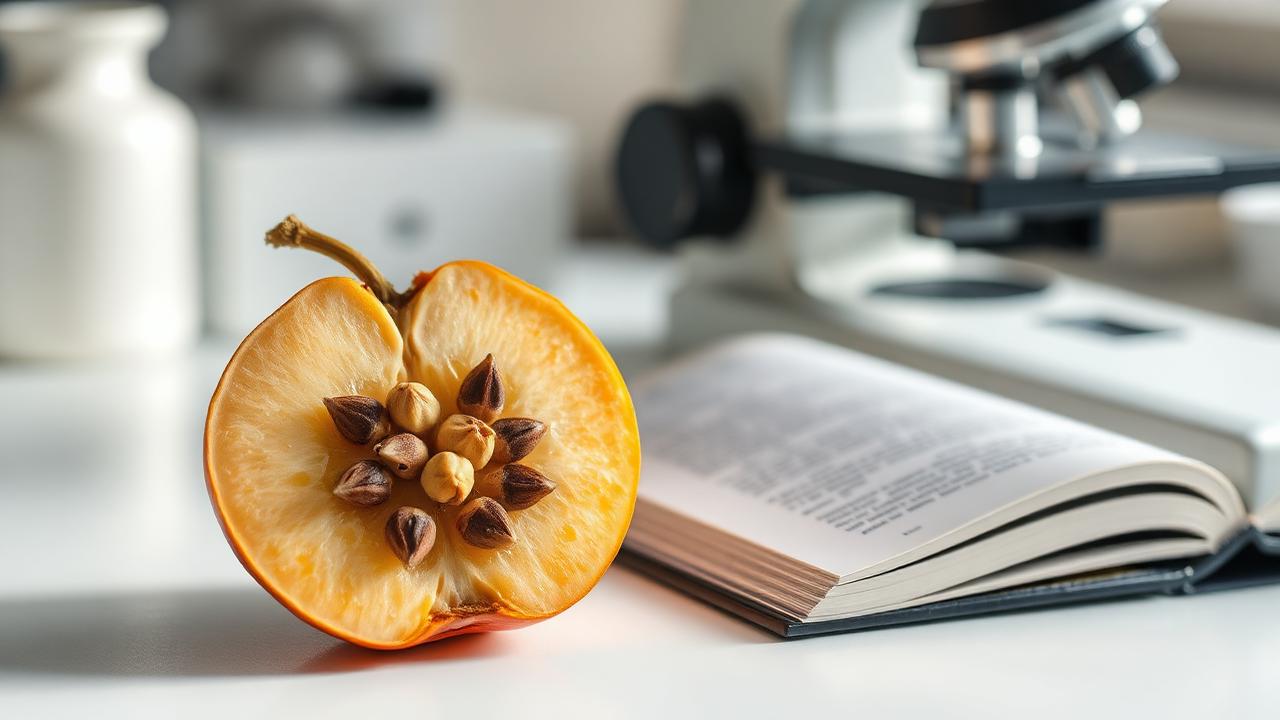
Amygdalin (in seeds): reason the seed is steeped whole and never crushed.
Mucilage (a soft, slippery plant gel) in the seed coat — the loāb (demulcent gel) traditional Persian medicine values for dry throat and cough.
Vitamin C, potassium, and modest copper/manganese.
Vitamins
Folate
Chapter 5 of 12
What Studies in People Show
What studies in people show
Cydonia oblonga leaf and fruit extracts have been reviewed for antioxidant, anti-inflammatory, gastroprotective, and mild antihypertensive activity across preclinical and small clinical studies.Emerging evidence
A randomised trial in pregnant women with nausea and vomiting found a syrup preparation of quince significantly reduced symptom severity compared with vitamin B6.Emerging evidence
Quince fruit preparation improved gastroesophageal reflux (stomach acid rising into the throat) symptoms in a controlled pilot trial in adults with GERD.Emerging evidence
Chapter 6 of 12
Preparation and Kitchen Use
Autumn and early winter, when quince is in season and the constitution needs a warming-cooked cooling fruit. A small dish of poached beh at breakfast, or a spoon of moraba-ye beh with tea in the afternoon.
Poached: halves simmered 30–40 min in aromatic water until amber-rose.
Other Ways to Use It
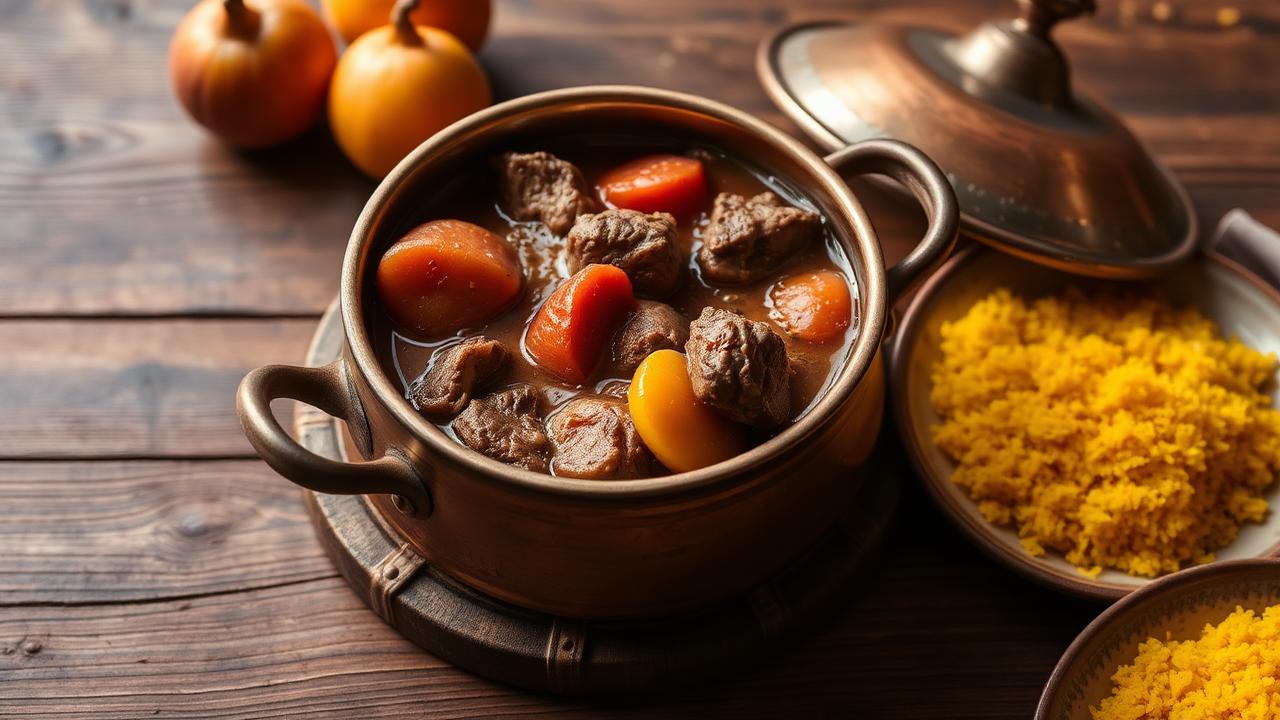
In the kitchen: braise with lamb, yellow split peas, and dried lime for khoresh beh (autumn quince stew). Jammed: cubes cooked slowly with sugar, lemon, and cardamom into moraba-ye beh.
Steep 1 tsp of whole quince seeds in hot water for 20 min for loāb-e beh — a soothing throat tea.
Poach halves in water + rosewater + cinnamon + a little honey for the Persian dessert.
Simmer into moraba-ye beh (quince jam) for the breakfast table.
Peel-and-core scraps make an aromatic paste (bastilla-style) with sugar and lemon.
Chapter 7 of 12
Medicines and Interactions
Medication interaction:
Antidiabetic medication (metformin, sulfonylureas, insulin) — Cooked quince at food doses has a low-to-moderate glycaemic effect thanks to pectin (a soft fibre in fruit that thickens jam), and small trials of quince extract have suggested mild glucose-lowering. Culinary intake is compatible; concentrated quince-leaf or fruit extracts on a layered antidiabetic regimen warrant clinician discussion. (low concern)
Medication interaction:
Antihypertensives — Quince delivers potassium and polyphenols (protective plant compounds) shown in small trials to modestly lower blood pressure. Additive and gentle in normal food amounts; concentrated leaf extracts require monitoring alongside ACE inhibitors and ARBs. (low concern)
More Interactions to Know
Medication interaction:
Oral medications (general) — Quince mucilage (a soft, slippery plant gel) and pectin (a soft fibre in fruit that thickens jam) can delay absorption of any oral medication if taken simultaneously in large amounts. Space concentrated quince-seed decoctions (a drink made by simmering the plant in water) or heavy moraba portions by 1–2 hours from critical medications. (low concern)
Chapter 8 of 12
Who Should Be Careful
General caution:
Raw quince is hard and astringent — always cook.
General caution:
Quince seeds contain amygdalin and must be steeped whole; never crush or grind them for consumption.
General caution:
Concentrated sweet preparations (moraba, syrup) raise the sugar load — small portions for those managing blood sugar.
General caution:
Ground or crushed quince seed is inappropriate for consumption at any age — whole-seed steep only.
Medication interaction:
Very astringent (tightens tissue and leaves a dry feeling in the mouth) action means large medicinal doses of the cooked fruit are avoided in chronic constipation.
Allergy:
Rare Rosaceae-family cross-allergy with apple, pear, and stone fruits.
Chapter 9 of 12
Pregnancy, Children and Older Adults
Pregnancy and breastfeeding
Pregnancy and breastfeeding:
Cooked quince — khoresh beh, poached beh, moraba-ye beh in modest amounts — is safe and traditionally recommended during pregnancy, particularly for early-pregnancy nausea and hot-stomach reflux (stomach acid rising into the throat), where Persian medicine has used a spoon of quince jam for centuries. Quince-seed tea is safe at culinary strength. Concentrated leaf or seed extracts (standardised supplements) aren't well-studied and reserved for the non-pregnant window.
Children
Children:
Poached and jammed quince is appropriate from around 8–9 months as a smooth purée; loāb-e beh (seed tea) is a traditional first-line for a child's dry cough from toddlerhood, cooled and offered by the spoon. Whole cooked pieces once the child chews confidently. Never grind the seeds.
Older adults
Older adults:
One of the most useful autumn fruits for older adults: soft, easily chewed when cooked, gentle on a sensitive digestion, cardiotonic in the Persian tradition, and low-glycaemic when prepared without heavy sugar. A small dish of poached beh at breakfast is a classical Persian daily habit for the older constitution.
Chapter 10 of 12
Traditional Persian Perspective
Persian temperament: Cool & Dry (1st degree). Persian medicine reads beh as cool and dry — stomach-strengthening, heart-uplifting, and cooling for a hot, irritated gut. The seed decoction is separately noted as moistening for a dry-hot pattern throat.
In the Household
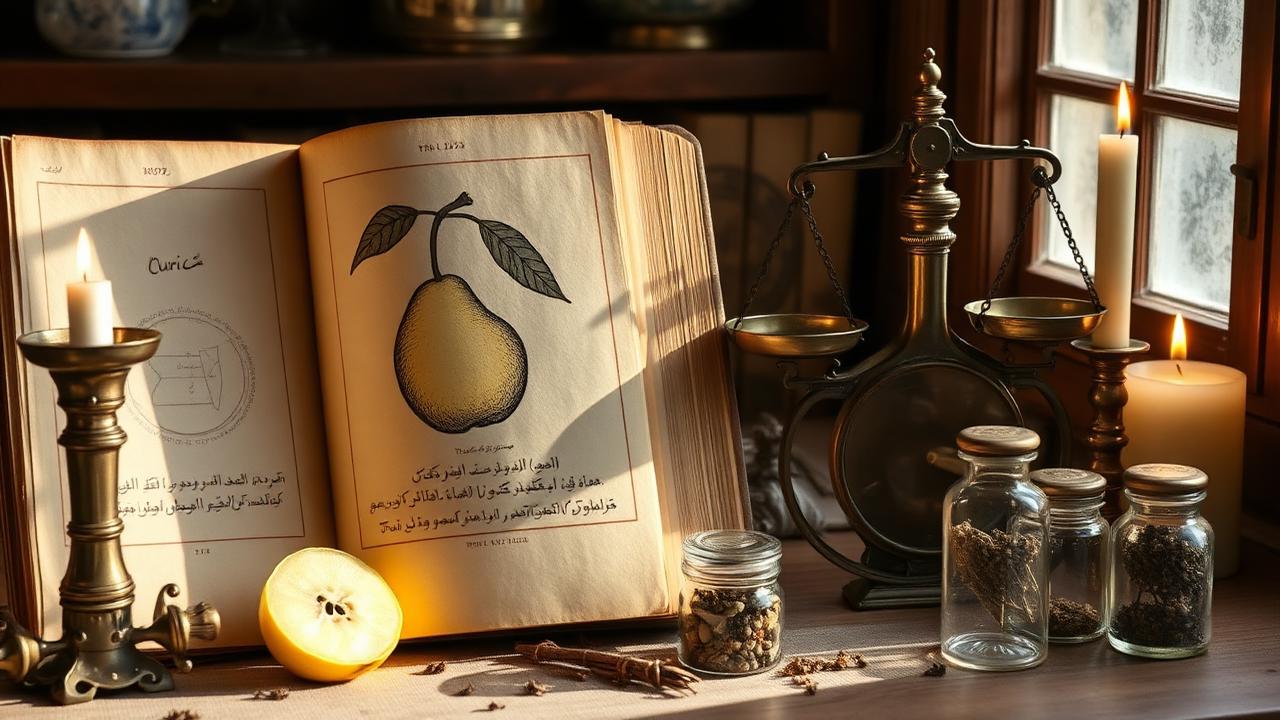
Ibn Sīnā and Aghili Khorasani describe beh as cool and dry in the 1st degree. They valued it for strengthening the stomach, calming the heart and mind, rebuilding after fever, and settling an irritated bowel. Quince jam (moraba-ye beh) was prescribed after illness and childbirth as a gentle rebuilder, quince-seed tea for hot, dry cough and sore throat, and roasted quince for hot-stomach pattern indigestion.
Hot-stomach indigestion, gastritis (an irritated stomach lining), and post-illness convalescence.
Palpitation and low mood is the classical Persian cardiotonic pattern.
Traditionally heart-strengthening and mood-lifting in Persian medicine.
Chapter 11 of 12
Sources
Sad Giah Hezar Darman (صد گیاه و هزار درمان) — One Hundred Plants and One Thousand Remedies — Dr. Hossein Erfani, 4th edition (1375 / 1996–1997). Primary traditional Persian herbal reference cited throughout this platform. Presented as traditional knowledge, not as modern medical proof.
Office of Dietary Supplements: fact Sheets — US National Institutes of Health (NIH). https://ods.od.nih.gov/factsheets/list-all/.
Herbal Database: memorial Sloan Kettering Cancer Center. https://www.mskcc.org/cancer-care/diagnosis-treatment/symptom-management/integrative-medicine/herbs.
Herbs at a Glance: uS NIH National Center for Complementary and Integrative Health (NCCIH). https://www.nccih.nih.gov/health/herbsataglance.
FoodData Central: searchable nutrient database — US Department of Agriculture (USDA). https://fdc.nal.usda.gov/.
Chapter 12 of 12
Sources (continued)
The Nutrition Source: harvard T.H. Chan School of Public Health. https://www.hsph.harvard.edu/nutritionsource/.
PubMed — peer-reviewed biomedical literature — US National Library of Medicine. https://pubmed.ncbi.nlm.nih.gov/