JaanYar
Traditional Persian medicine

A thousand years of careful observation — held honestly.

Persian medicine — Tibb-i sonnati — is one of the world's longest continuous medical traditions. Hakim honors it. Hakim also refuses to hide behind it.

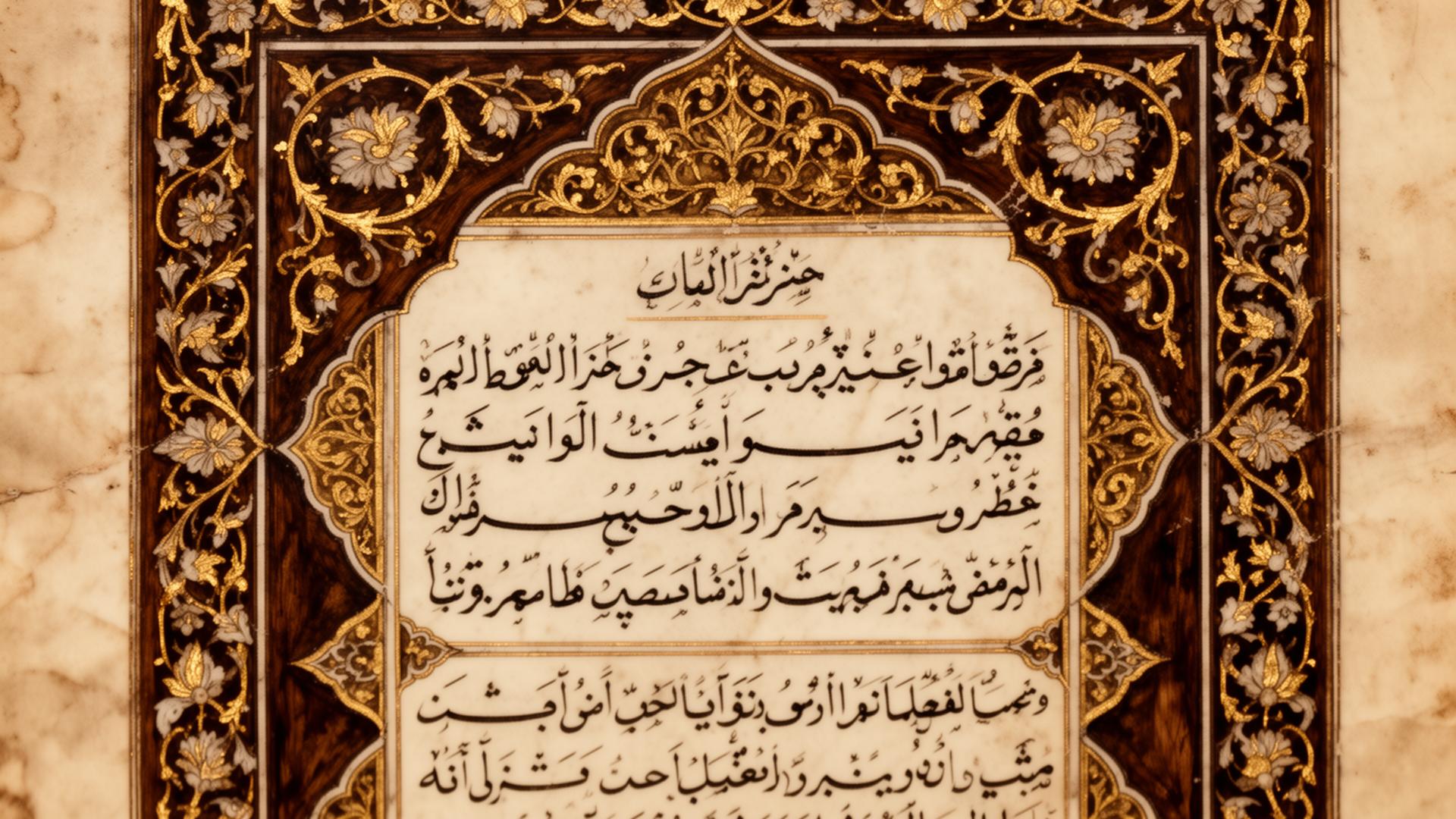
Ibn Sina (Avicenna) — 980–1037 CE

Avicenna's Canon of Medicine was the standard medical text in Persia, the Arab world, and Europe for over 600 years. It codified careful observation, diet, sleep, exercise, environment, and constitution long before modern medicine existed.
Mizaj — the four temperaments

Persian medicine understands each person as a balance of warm, cool, moist, and dry qualities. This is not diagnosis — it is a lens for tailoring lifestyle to the individual. Modern personalized nutrition is beginning to echo the same idea.

Where tradition and science agree

Seasonal eating, gentle warming foods in winter, cooling foods in summer, rest before dawn, moderation in all things, and community — these Persian recommendations map cleanly onto modern circadian, cardiometabolic, and mental-health research.

Where tradition has not yet been tested

Some Persian preparations and combinations remain culturally significant but scientifically under-studied. Hakim will tell you when a recommendation rests on tradition alone.

How Hakim separates the two

Every article carries an evidence badge. Traditional-only content appears in a gold "Traditional Persian Knowledge" band. Modern research appears in blue or green. You will always know which is which.

Heritage and philosophy

›Heritage library
Home Persian Herbal Heritage Library

A living library of Persian herbal wisdom

Browse herbs by Persian alphabet, explore traditional preparation methods passed down through generations, and trace each remedy back to its historical Persian sources — alongside the modern scientific evidence that supports it.

Browse by English letter

Browse by category

8 categories

Herbs, trees, flowers, fruits, vegetables, nuts & seeds, traditional formulas, and the Persian medicine concepts that organize them all.

All herbs in the library

68 entries
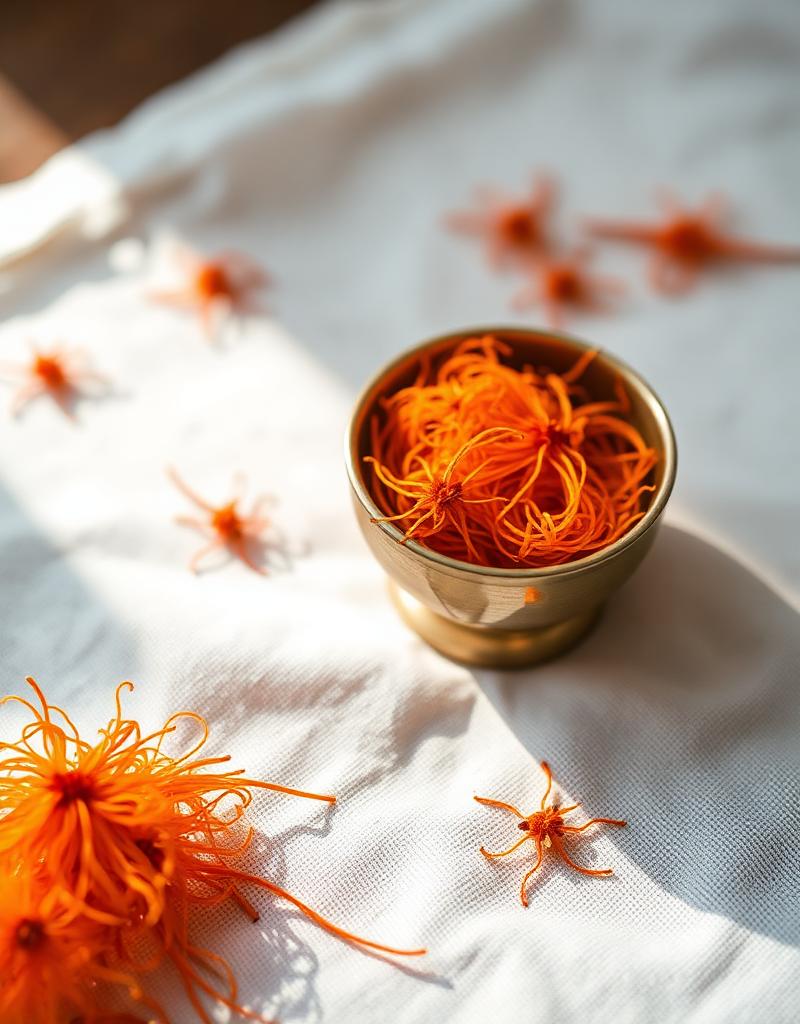
Saffron
Saffron
Crocus sativus
Warm · Dry
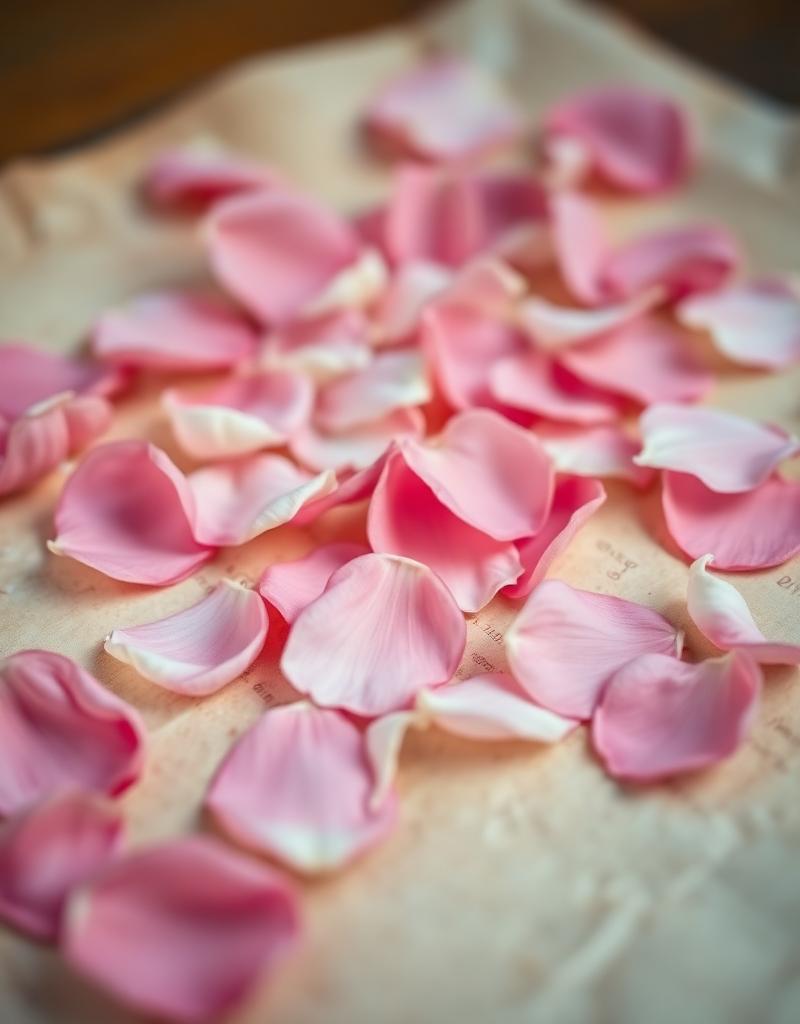
Rose
Rose
Rosa damascena
Cool · Moist
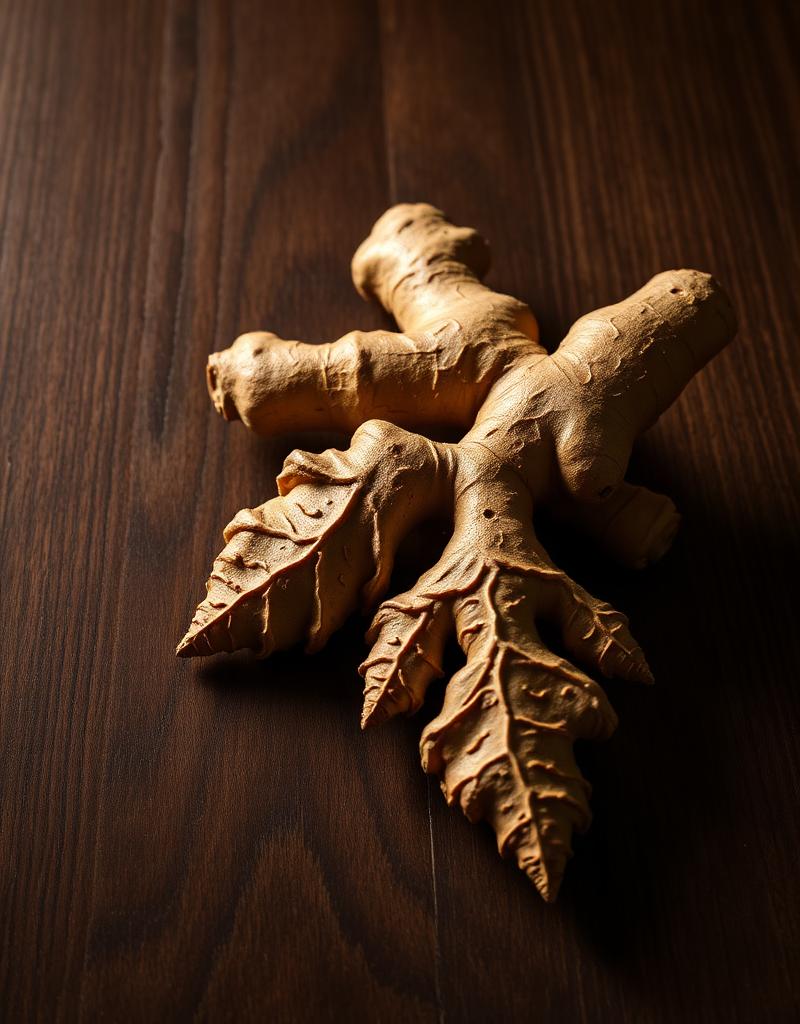
Ginger
Ginger
Zingiber officinale
Hot · Dry
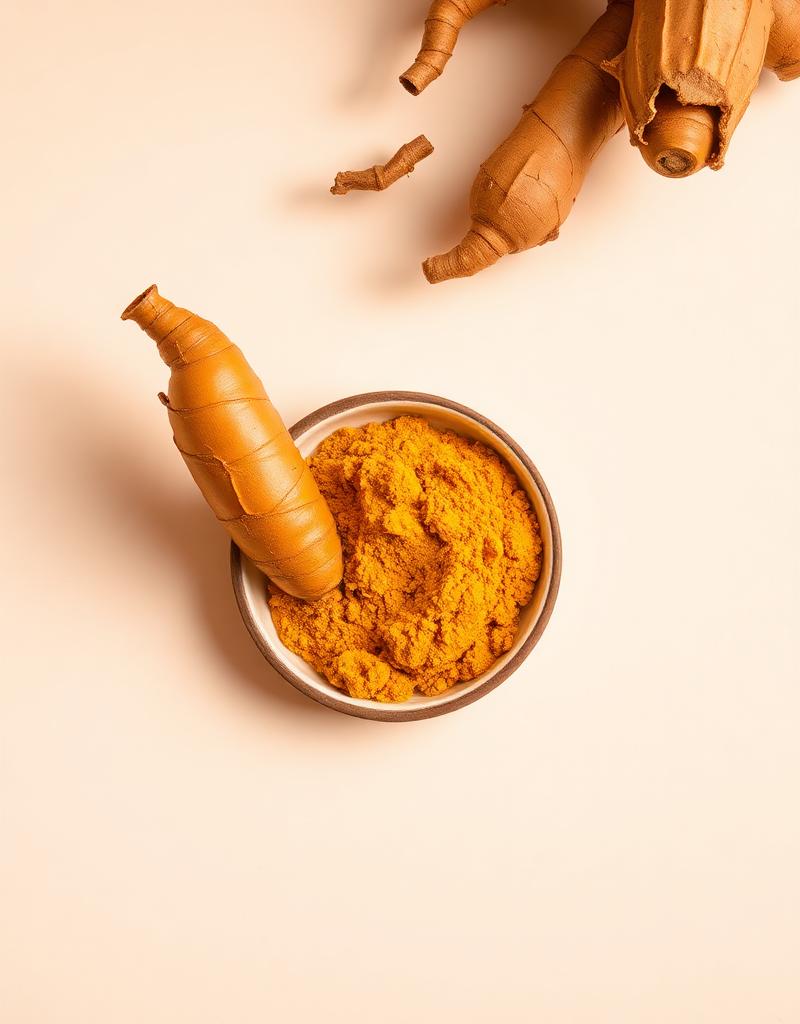
Turmeric
Turmeric
Curcuma longa
Warm · Dry
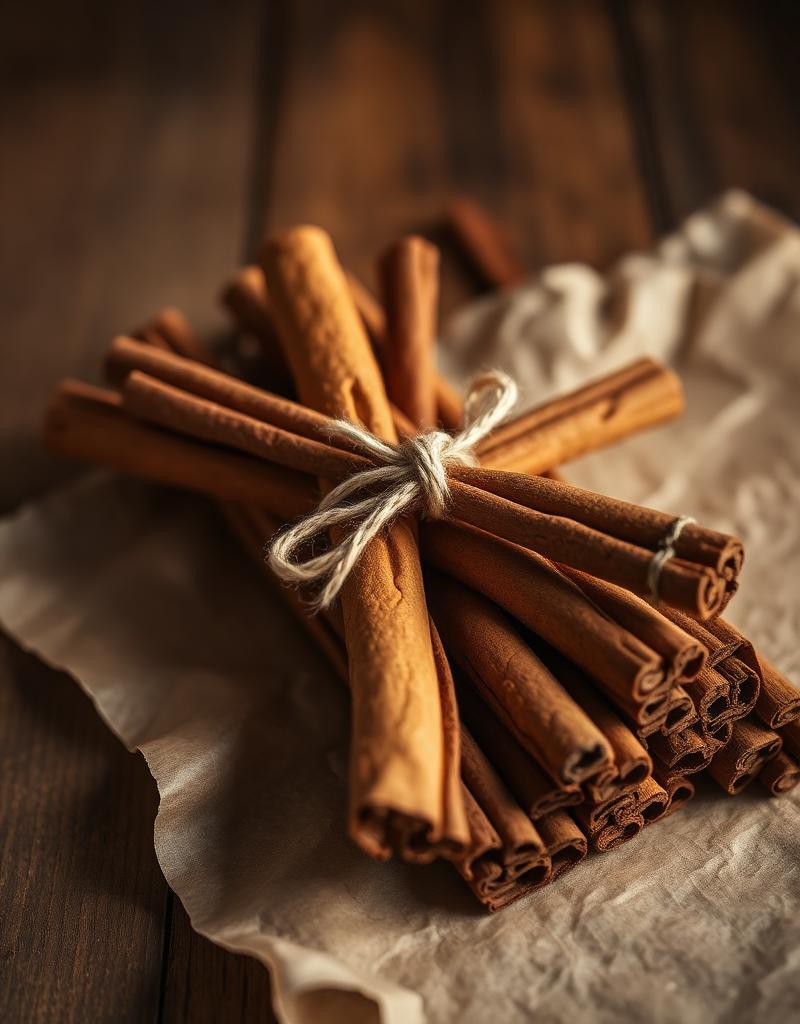
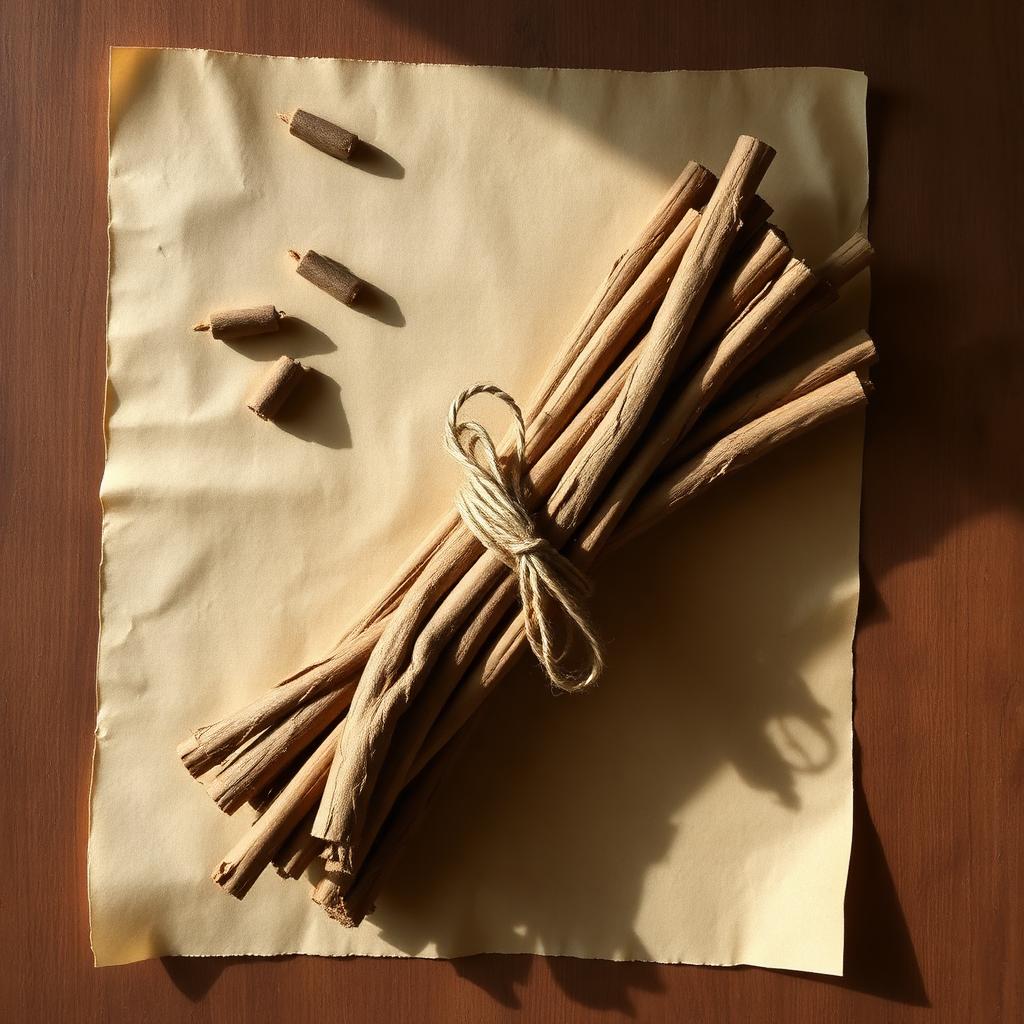
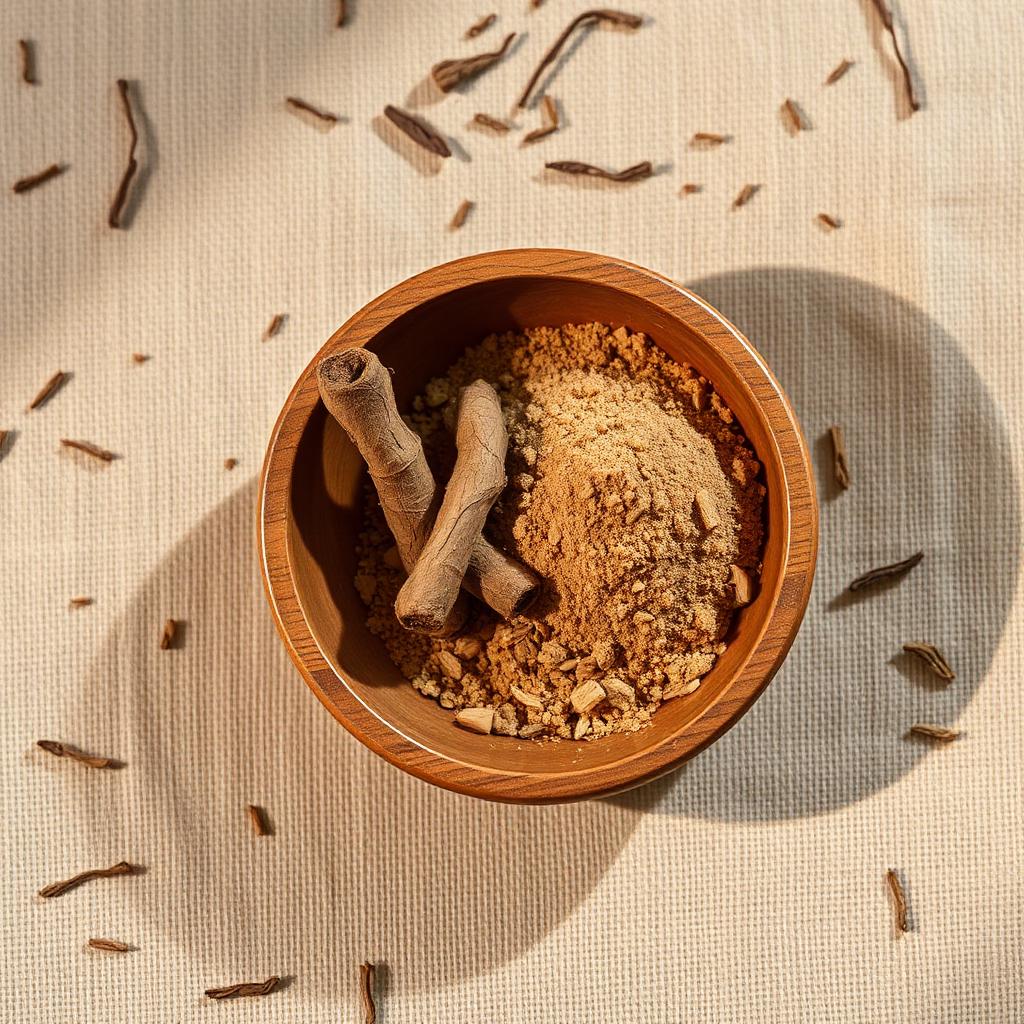
Cinnamon
Cinnamon
Cinnamomum verum
Hot · Dry
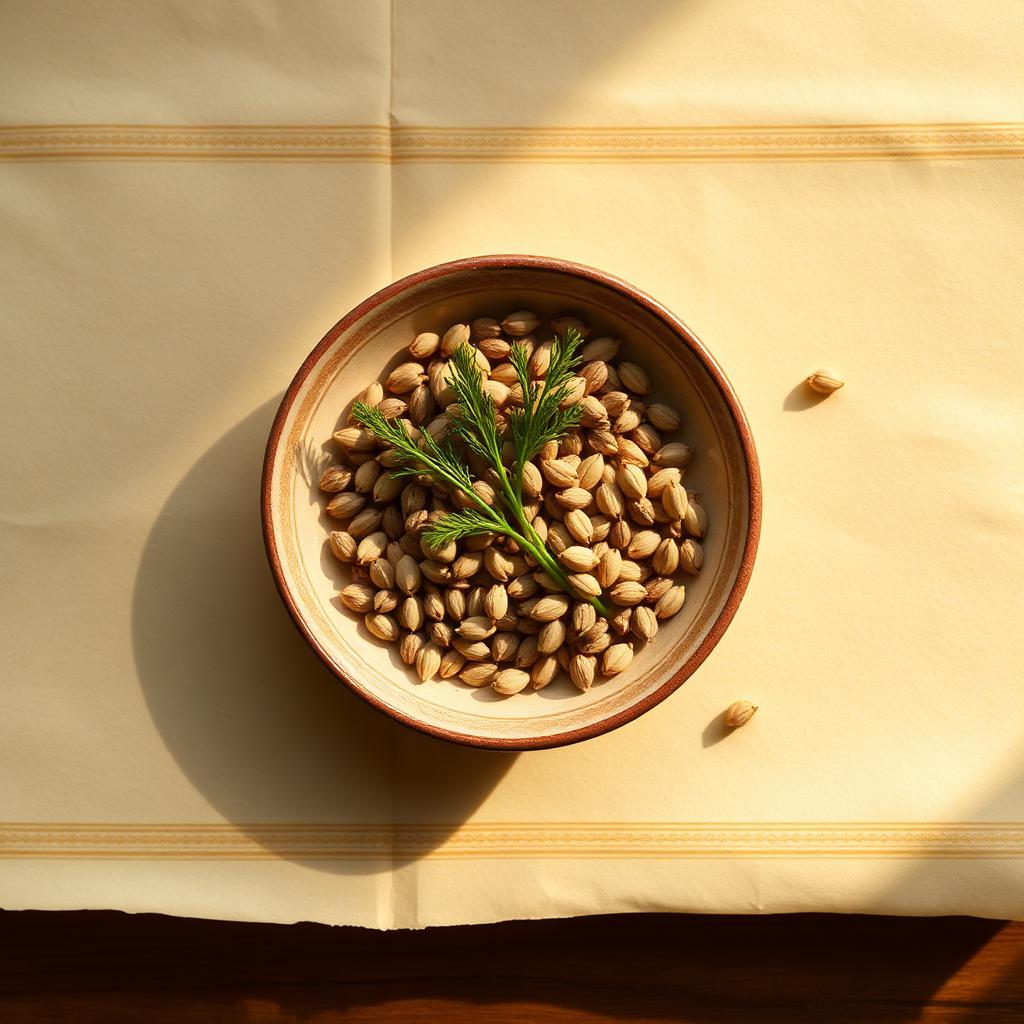
Fennel
Fennel
Foeniculum vulgare
Warm · Dry
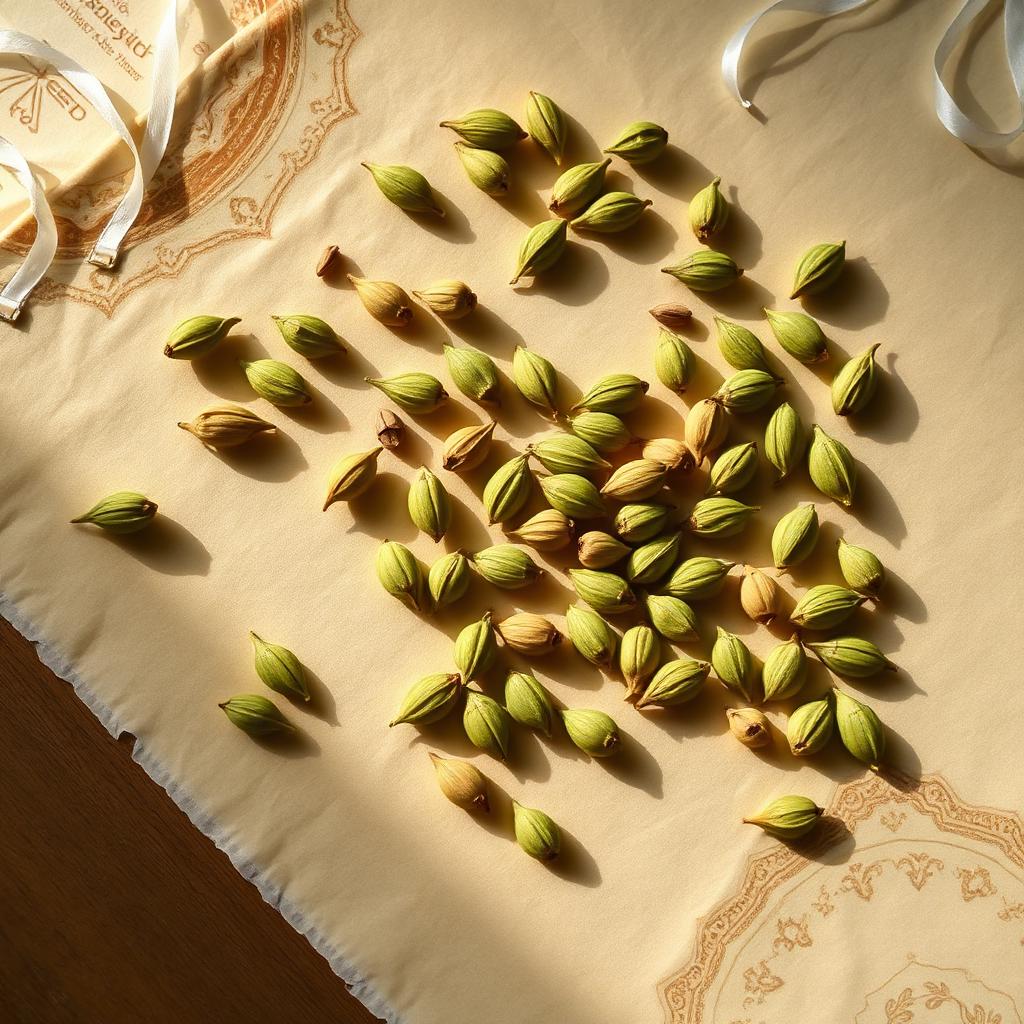
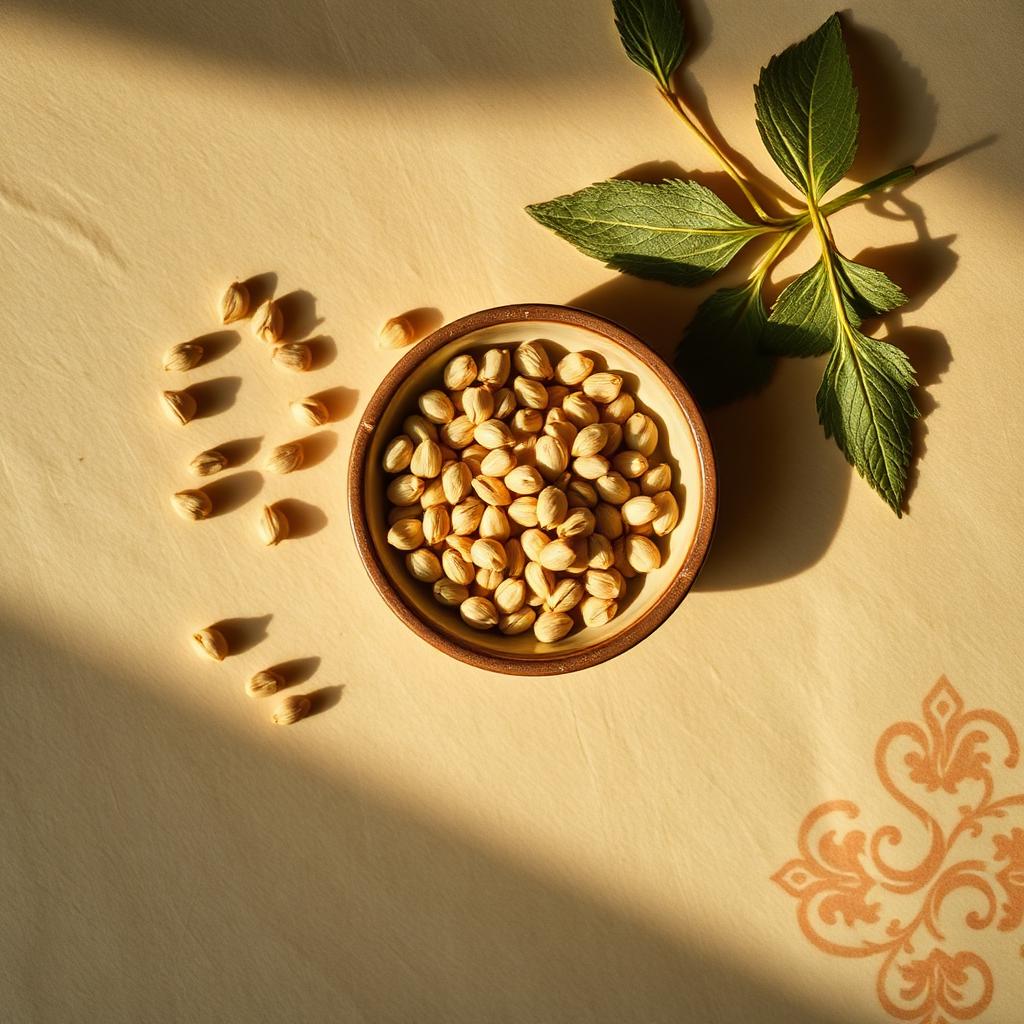
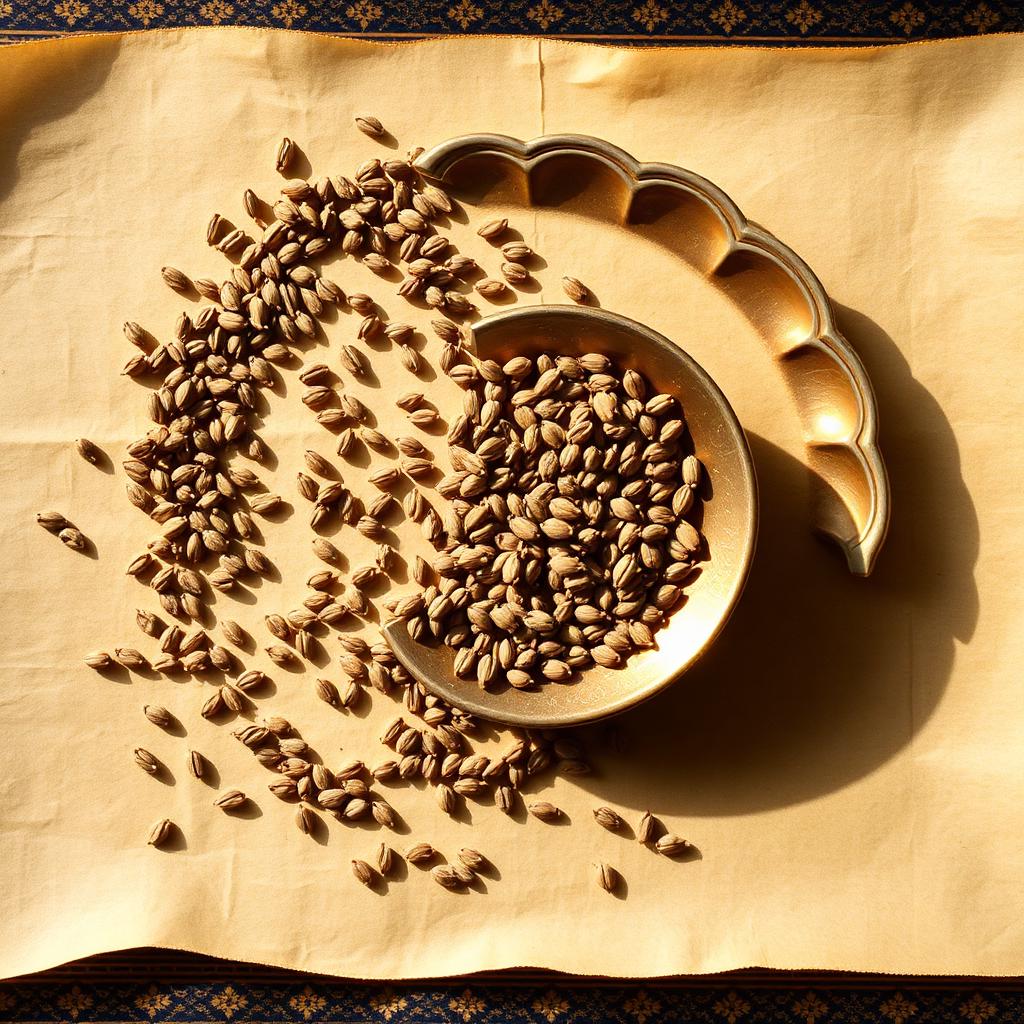
Cardamom
Cardamom
Elettaria cardamomum
Warm · Dry
Sumac
Sumac
Rhus coriaria
Cool · Dry
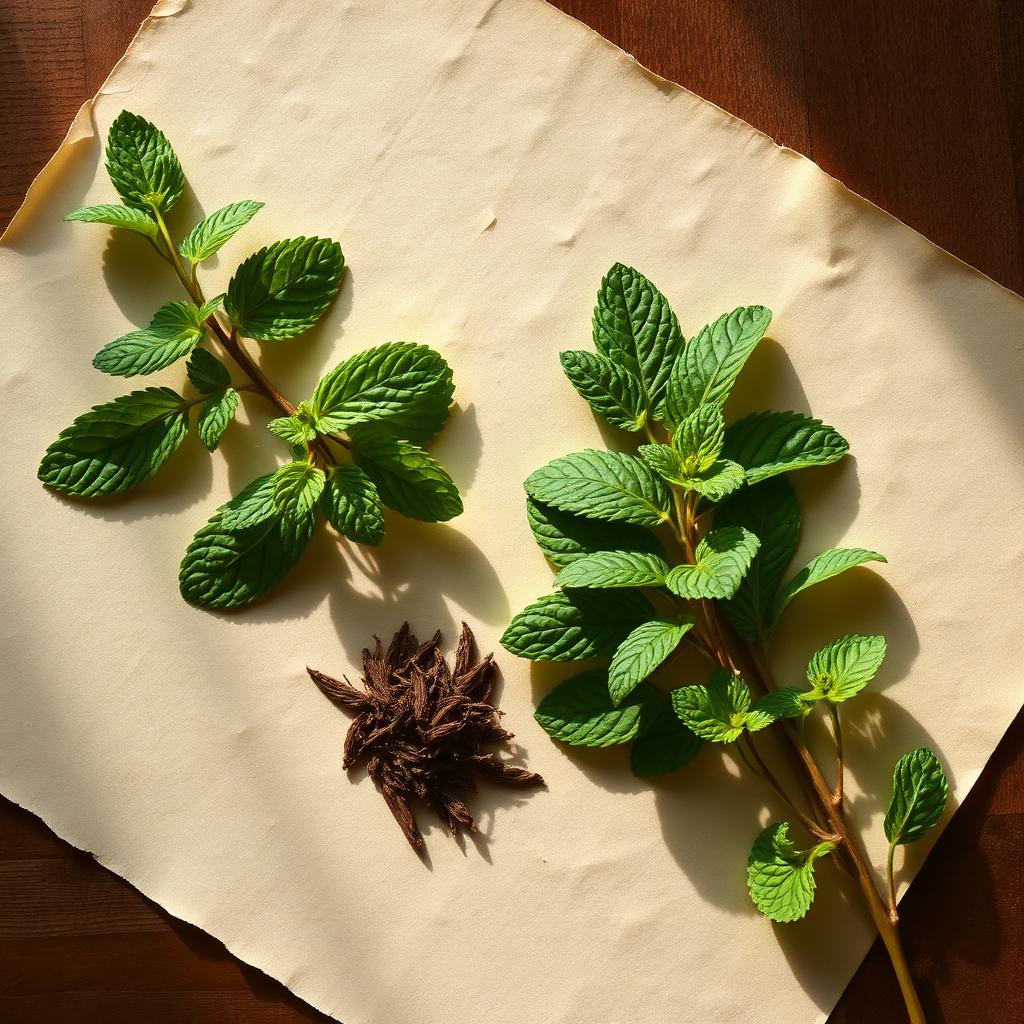
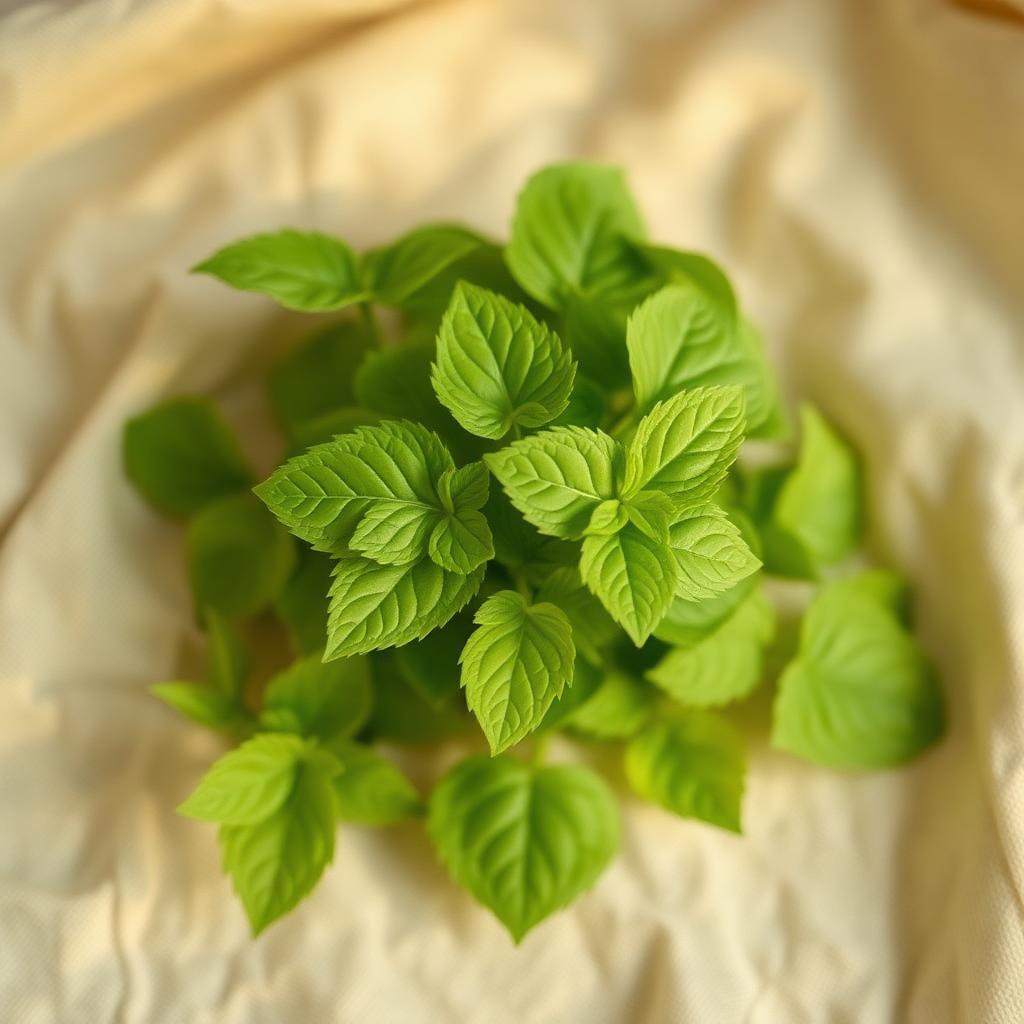
Mint
Mint
Mentha spicata
Warm · Dry
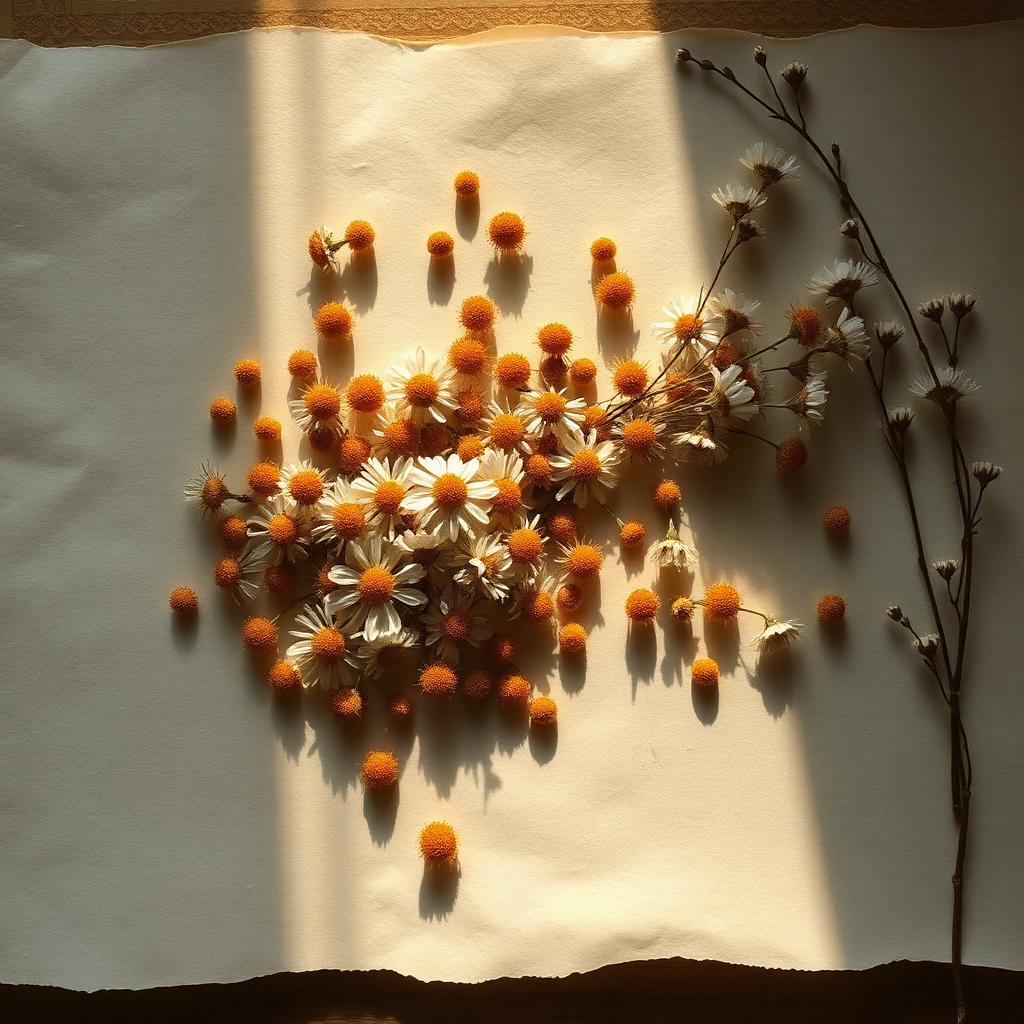
Chamomile
Chamomile
Matricaria chamomilla
Warm · Dry
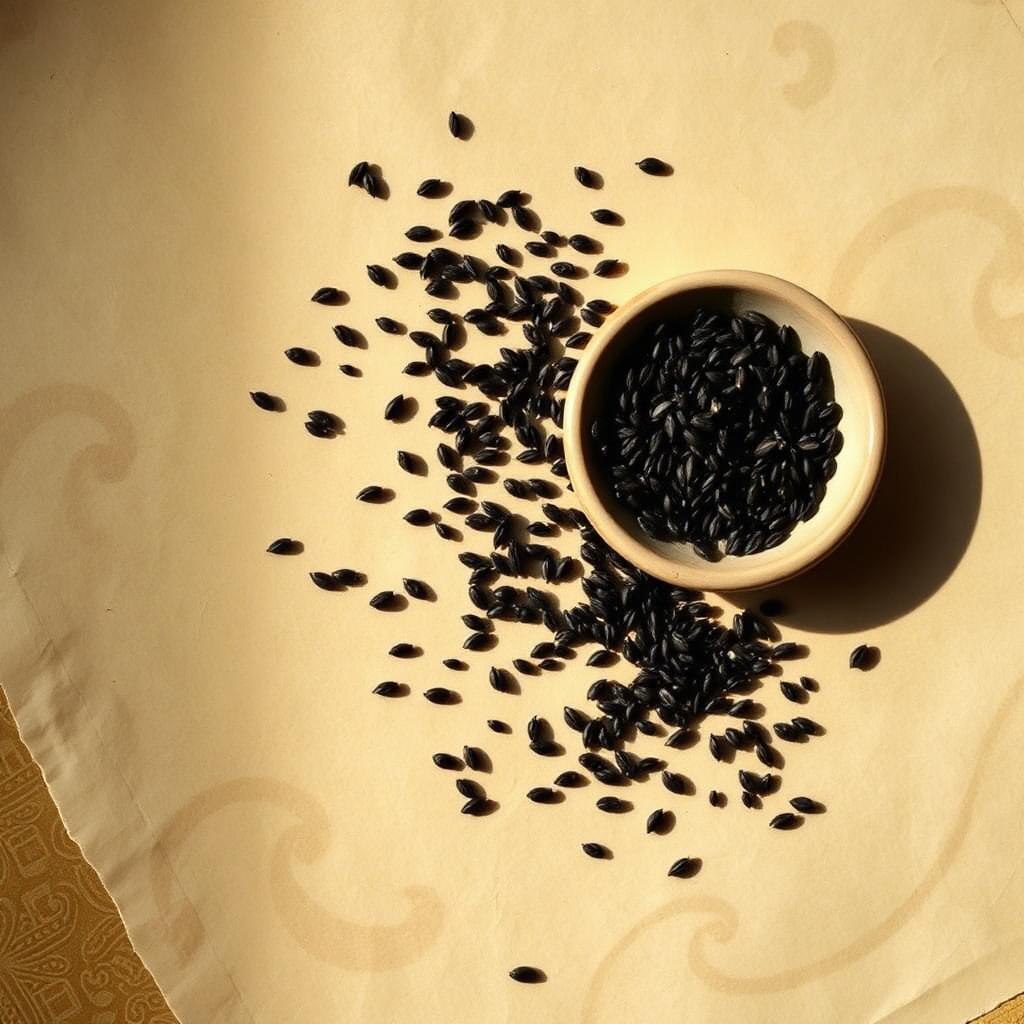
Black Seed
Black Seed
Nigella sativa
Hot · Dry
Licorice
Licorice
Glycyrrhiza glabra
Warm · Moist
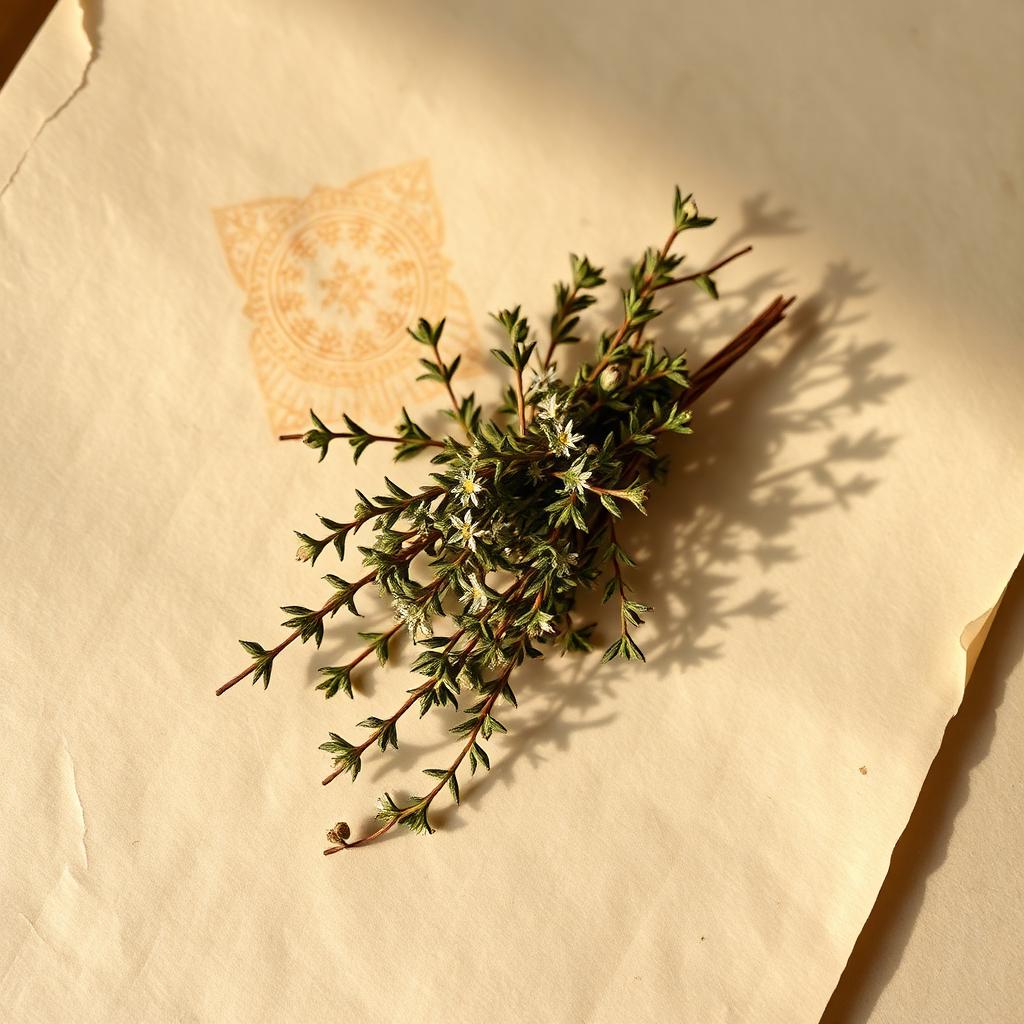
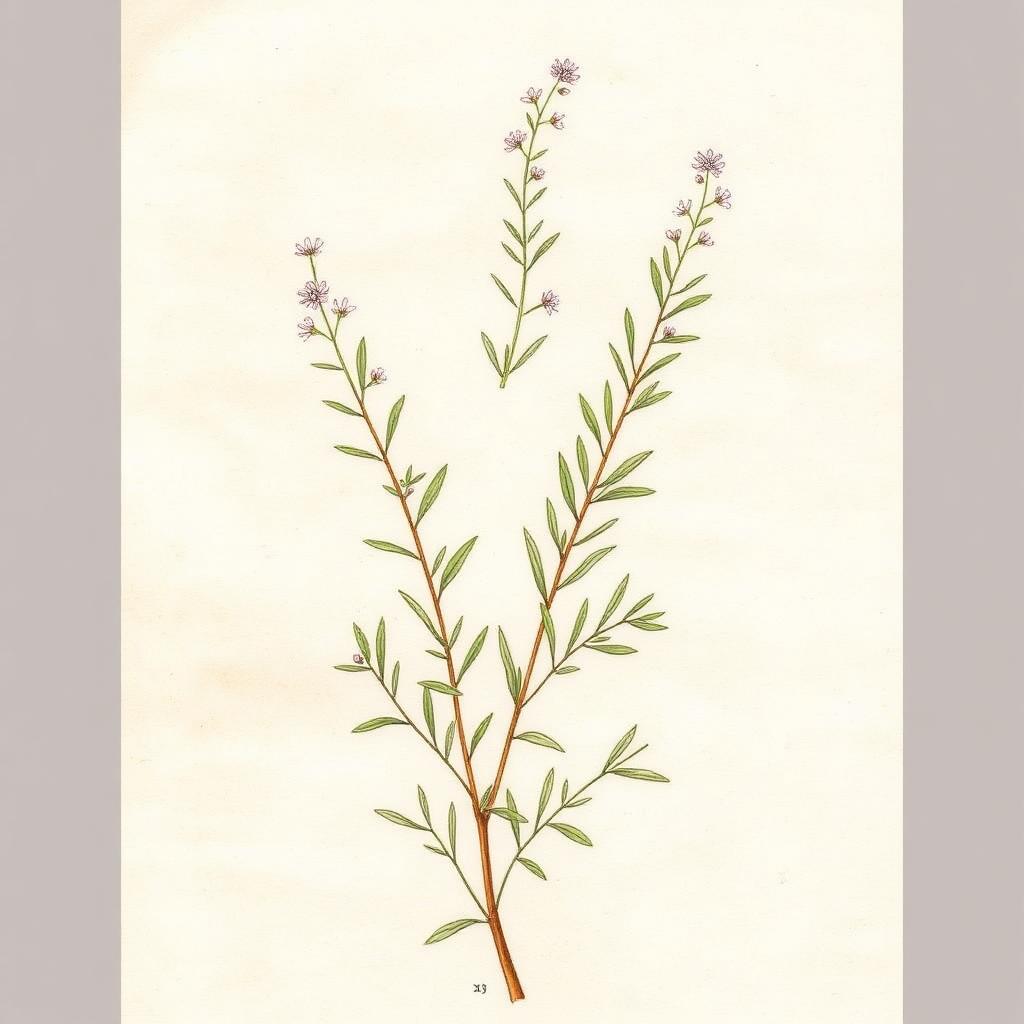
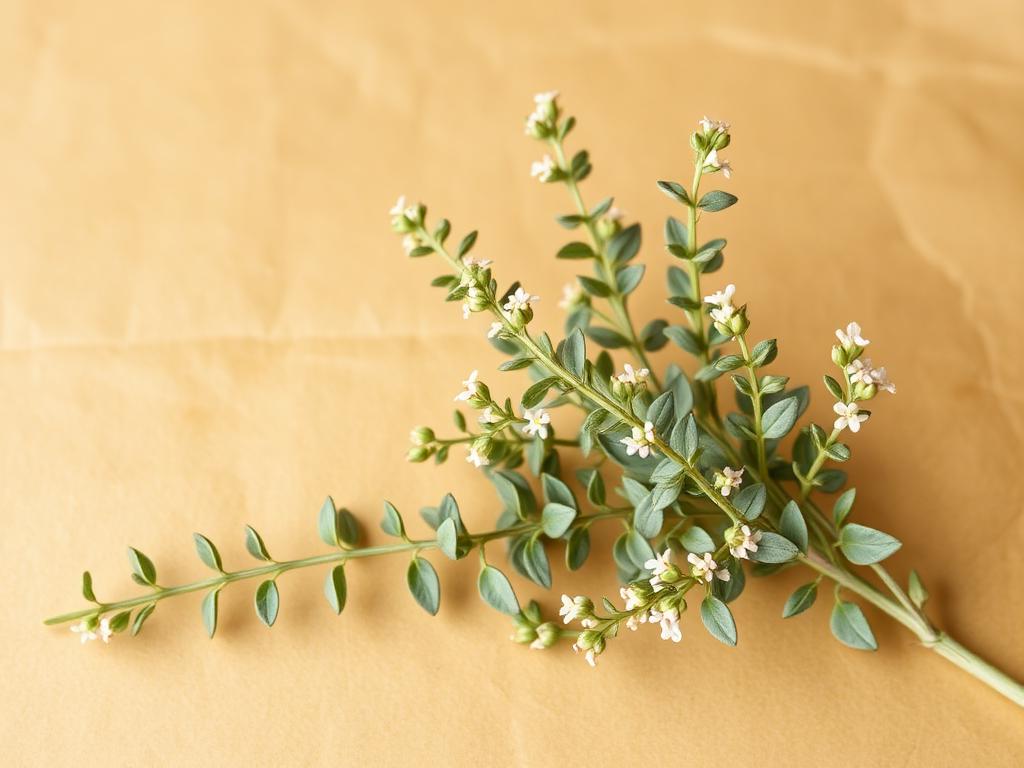
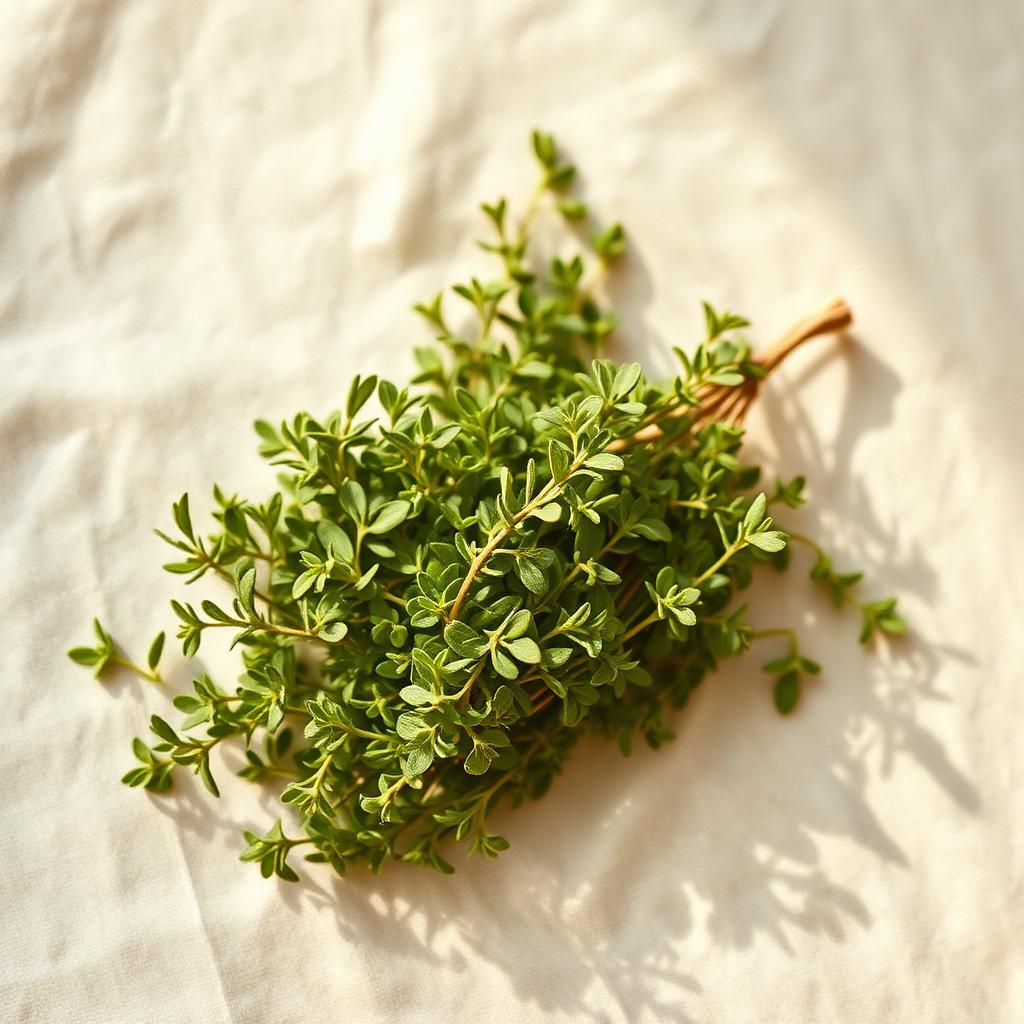
Thyme
Thyme
Thymus vulgaris
Hot · Dry
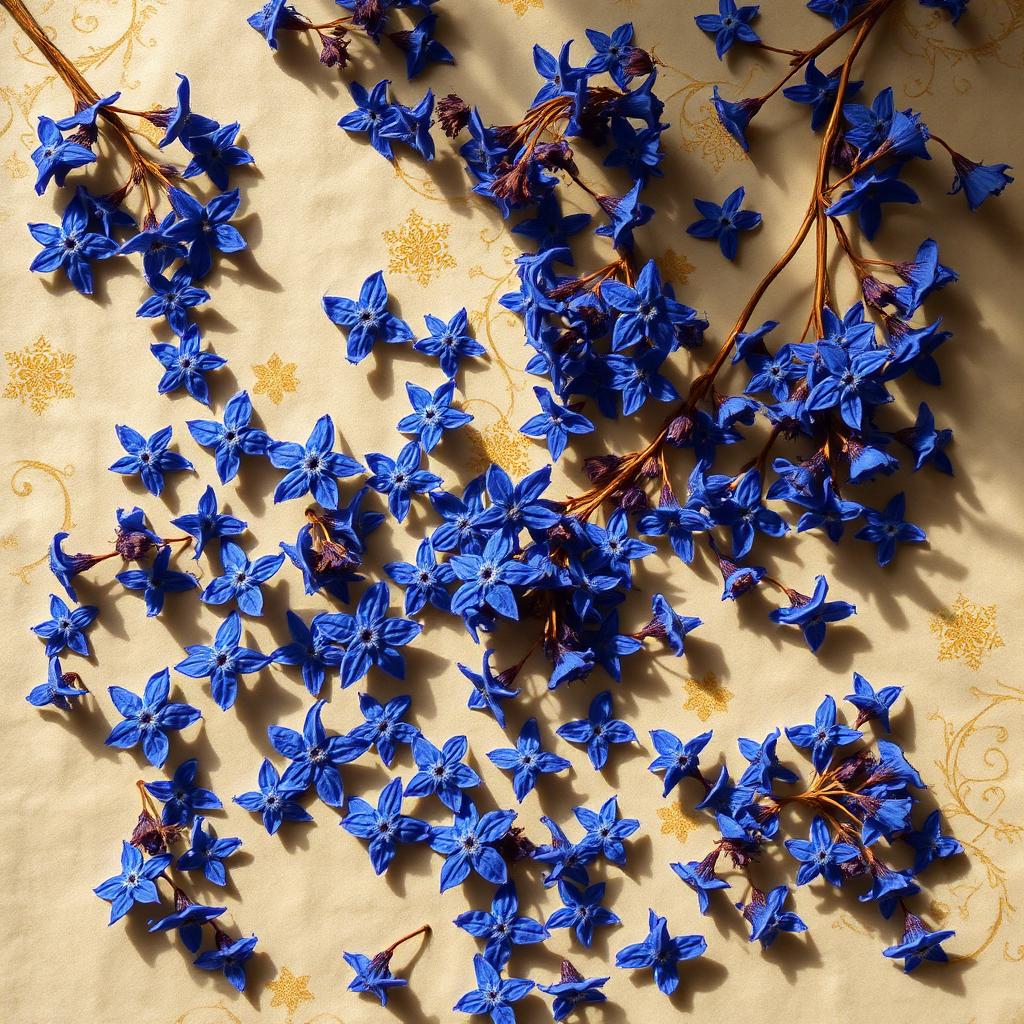
Borage
Borage
Echium amoenum
Warm · Moist
Fenugreek
Fenugreek
Trigonella foenum-graecum
Hot · Dry
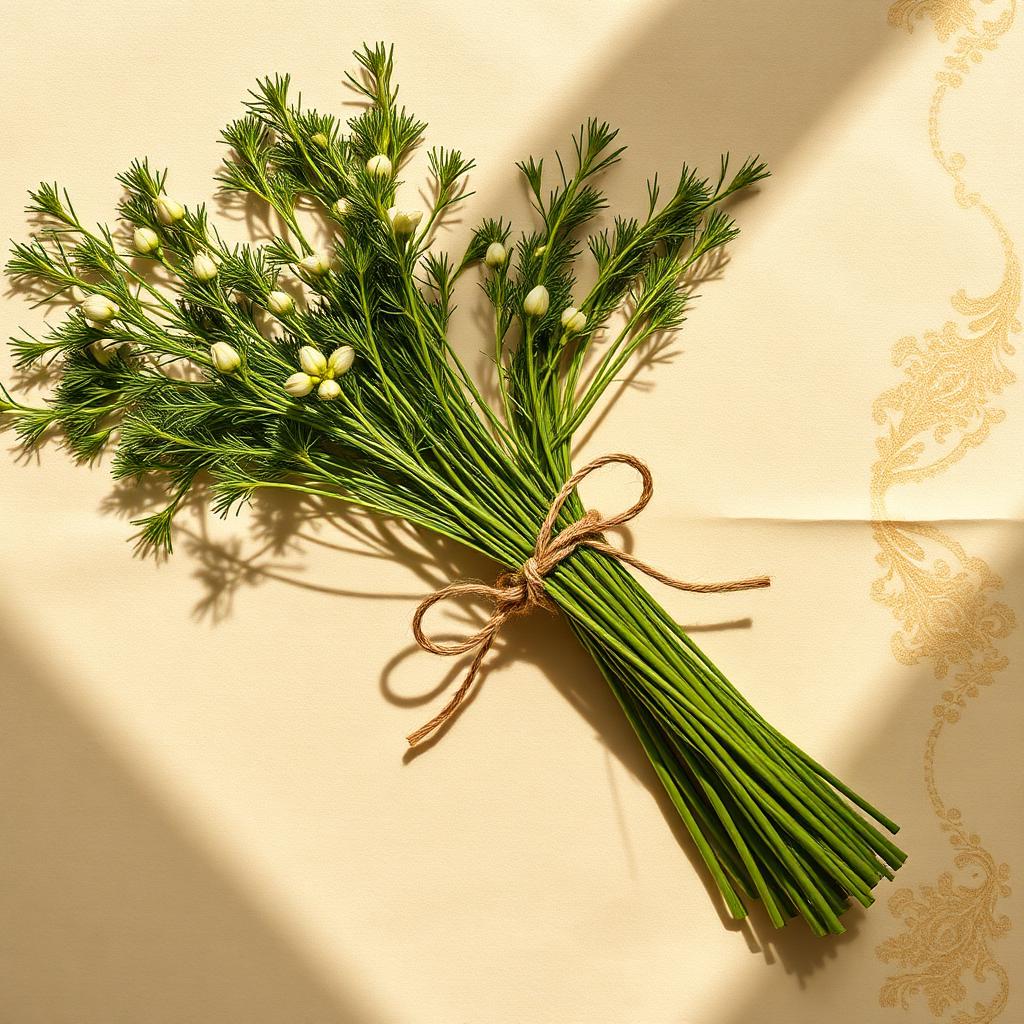
Dill
Dill
Anethum graveolens
Warm · Dry
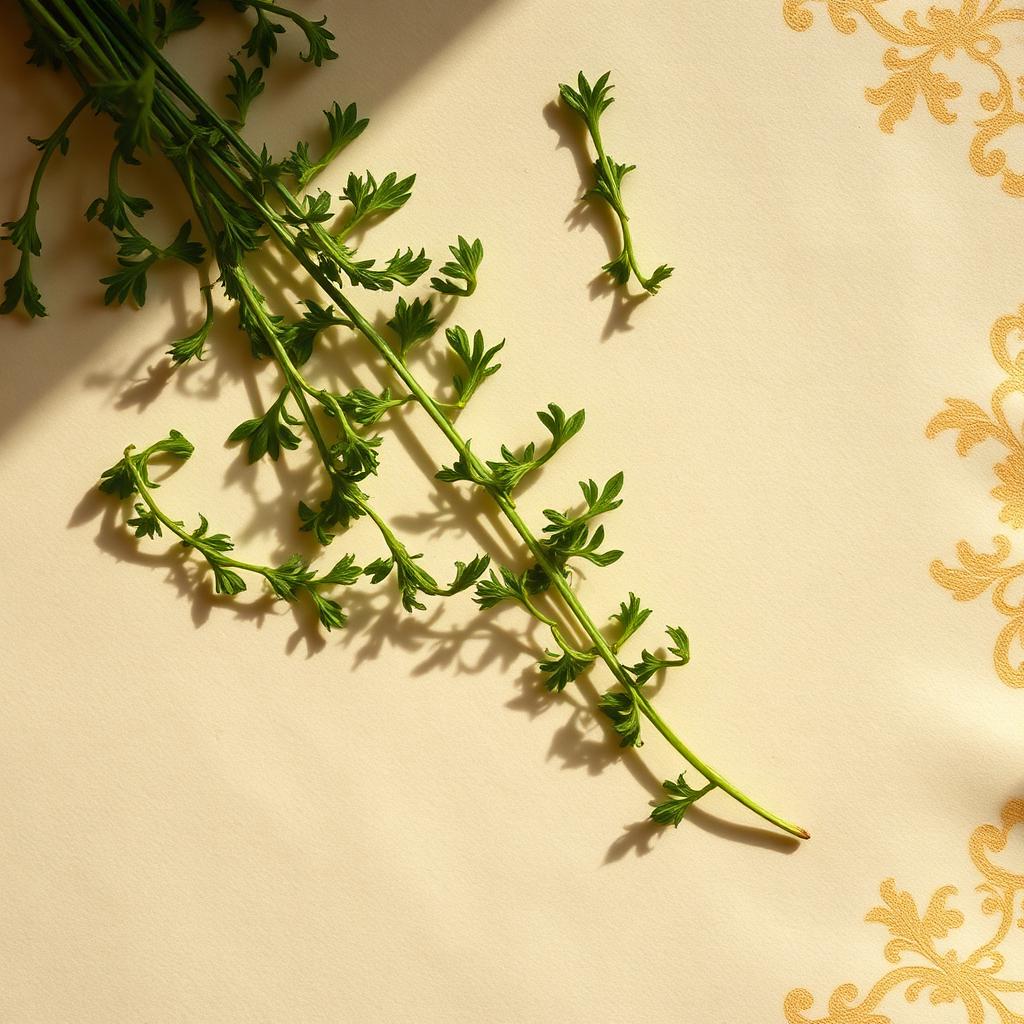
Tarragon
Tarragon
Artemisia dracunculus
Warm · Dry
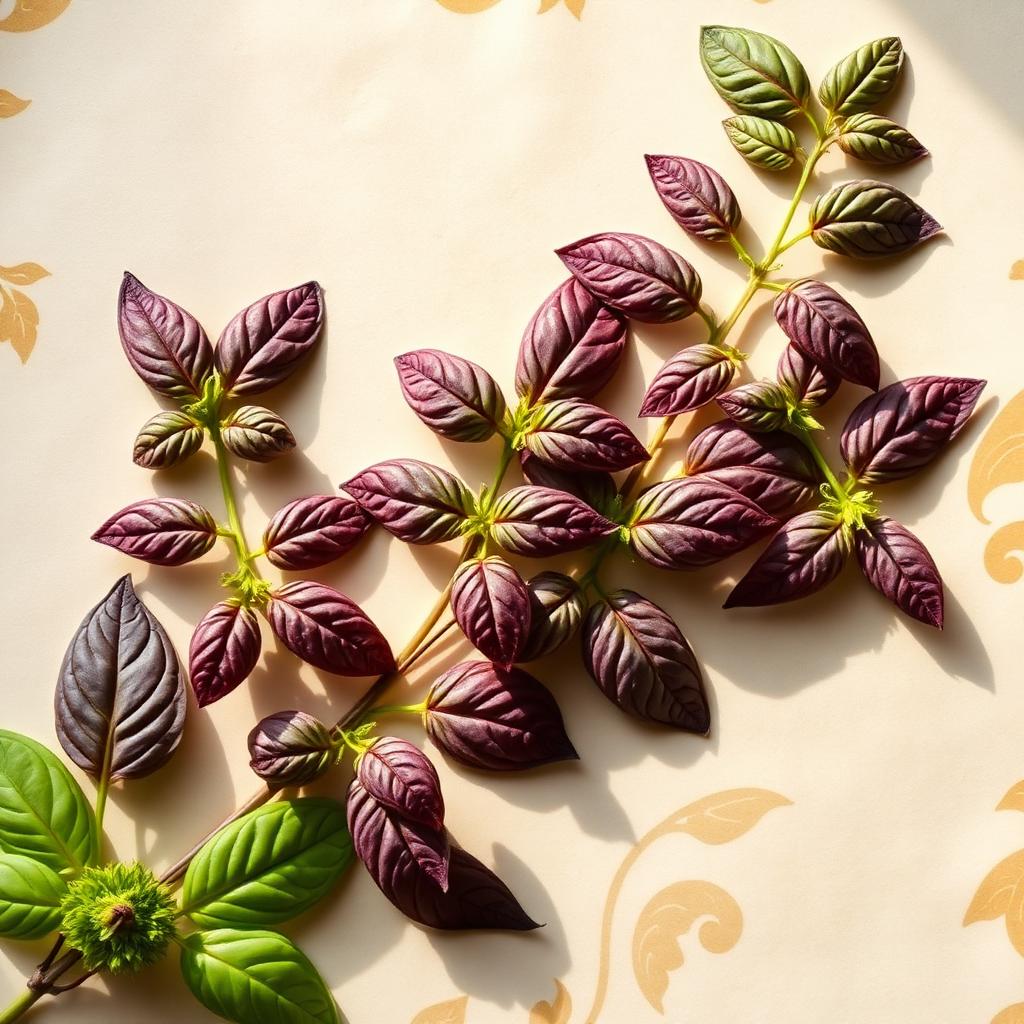
Persian Basil
Persian Basil
Ocimum basilicum
Warm · Dry
Cumin
Cumin
Cuminum cyminum
Warm · Dry
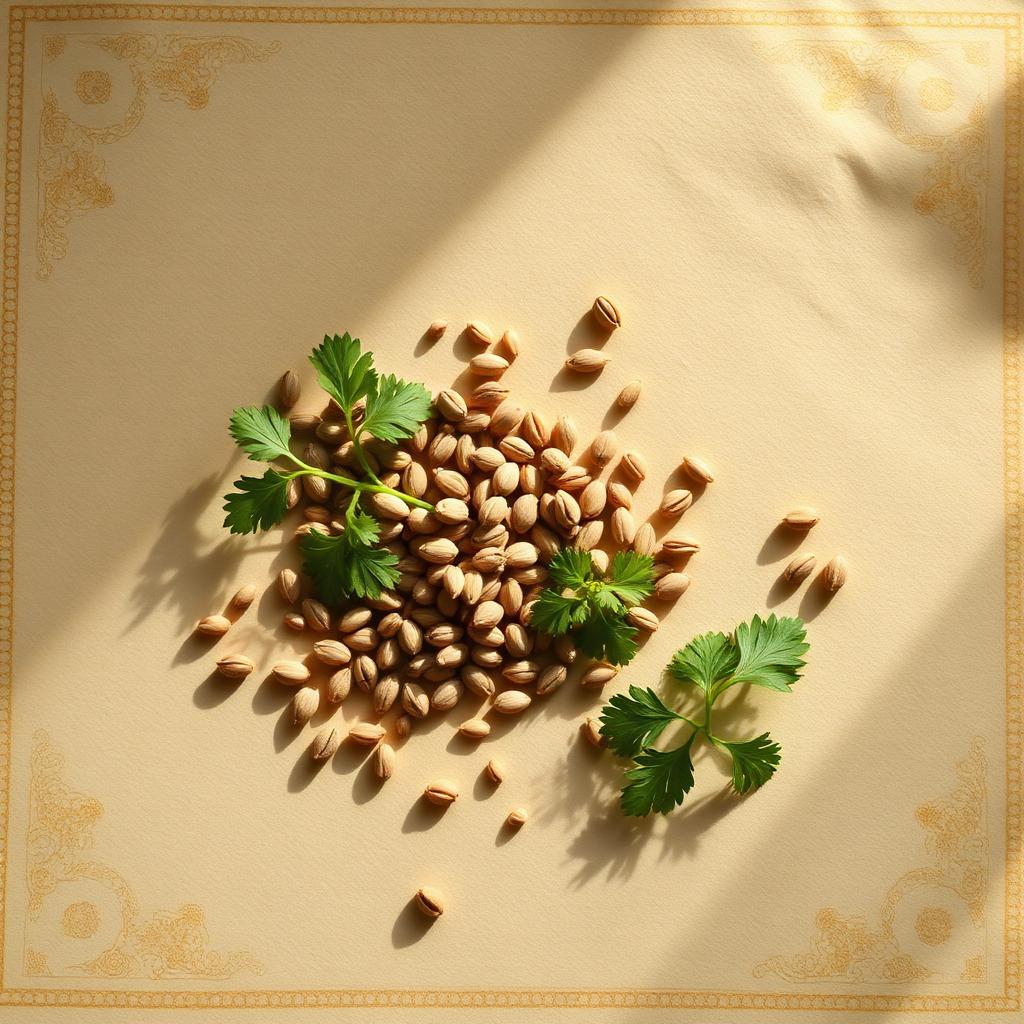
Coriander
Coriander
Coriandrum sativum
Cool · Dry
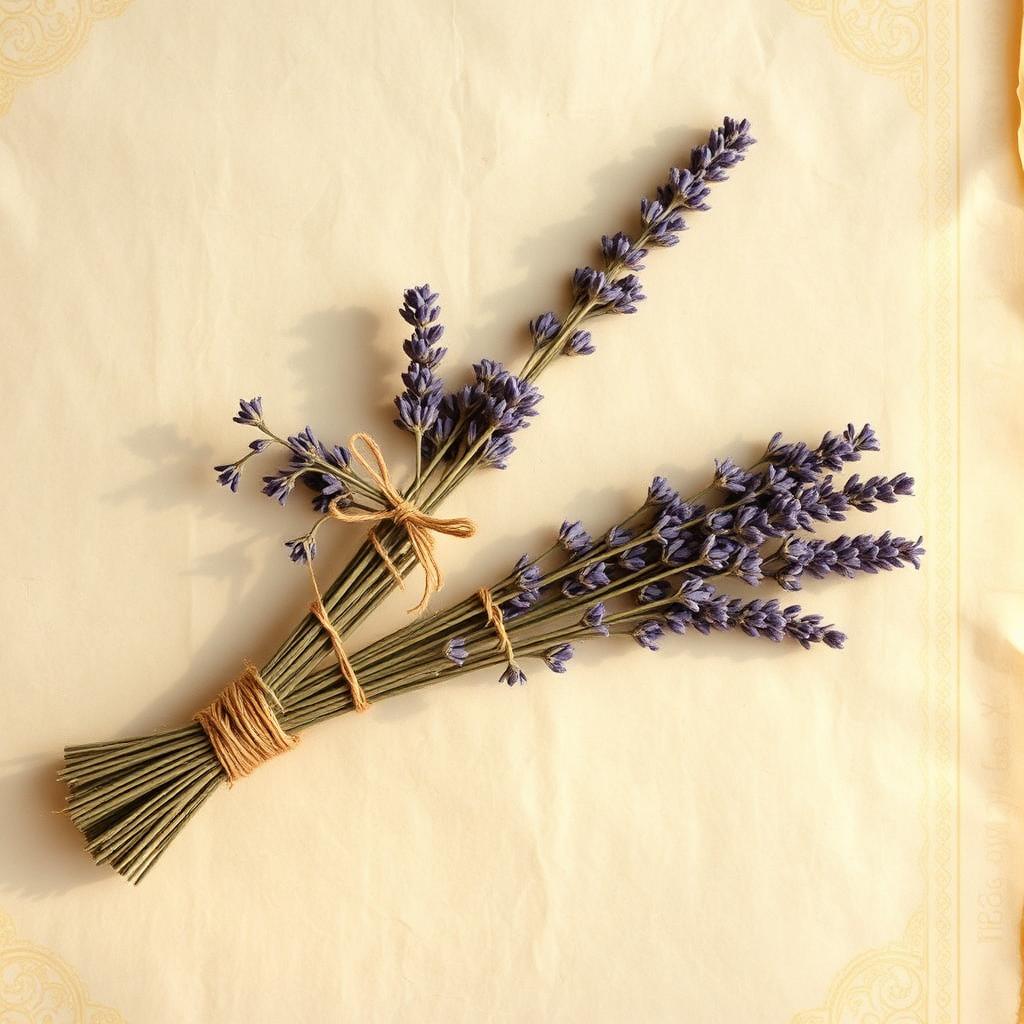
Lavender
Lavender
Lavandula angustifolia
Hot · Dry
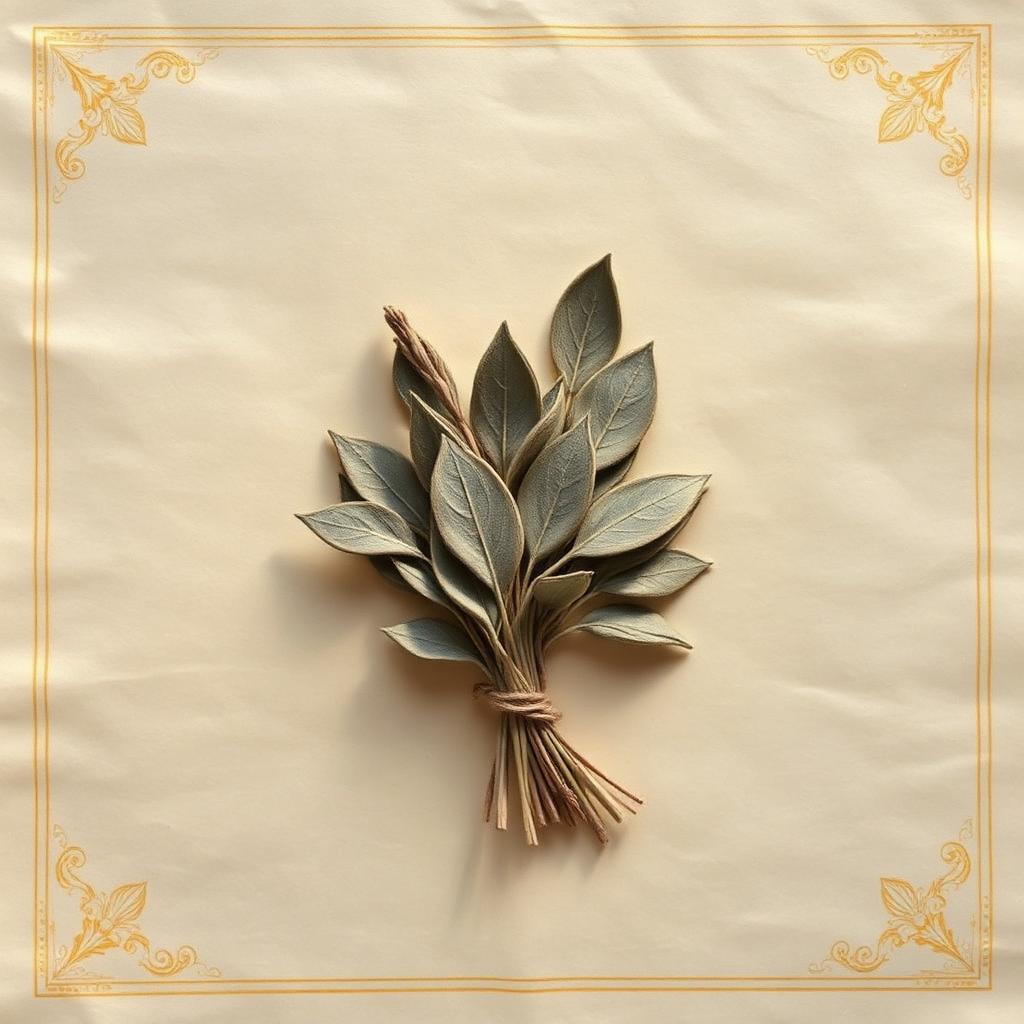
Sage
Sage
Salvia officinalis
Hot · Dry
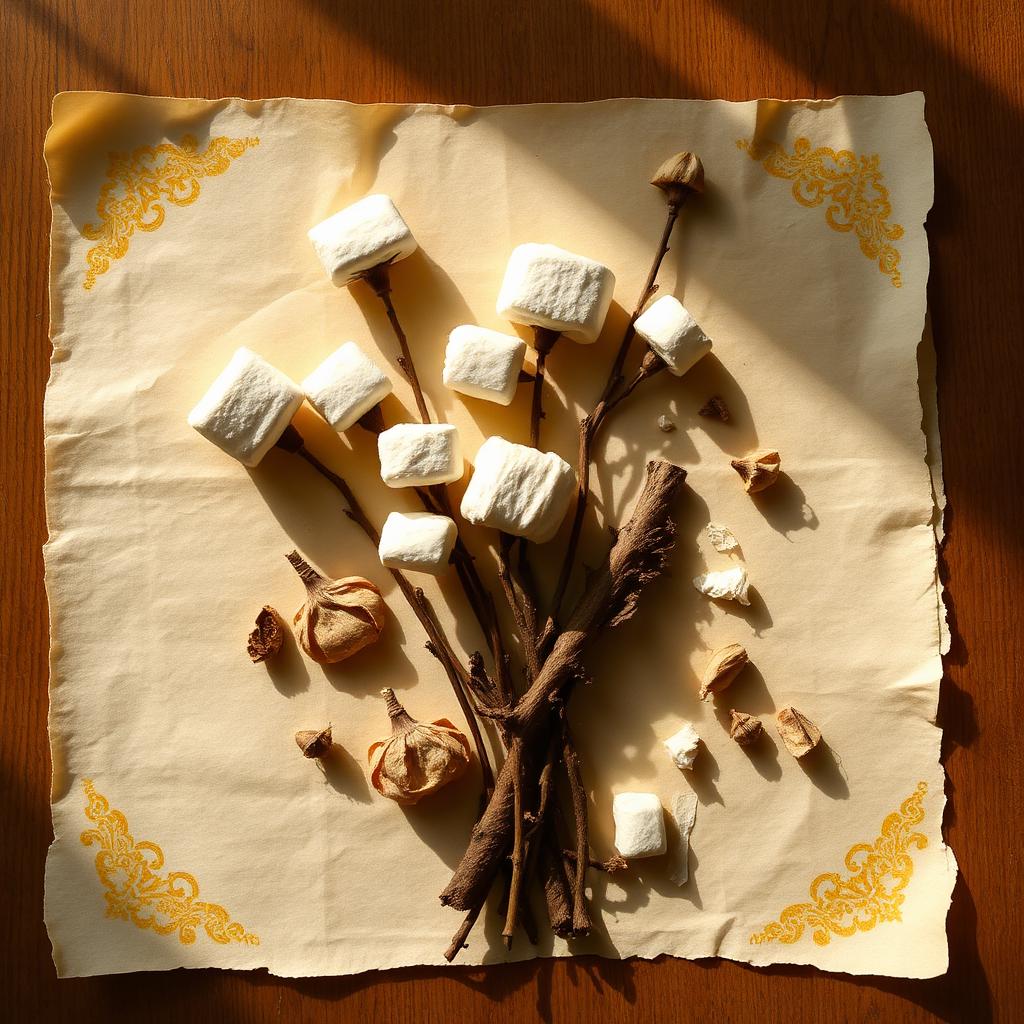
Marshmallow
Marshmallow
Althaea officinalis
Cool · Moist
Golpar
Golpar
Heracleum persicum
Warm · Dry
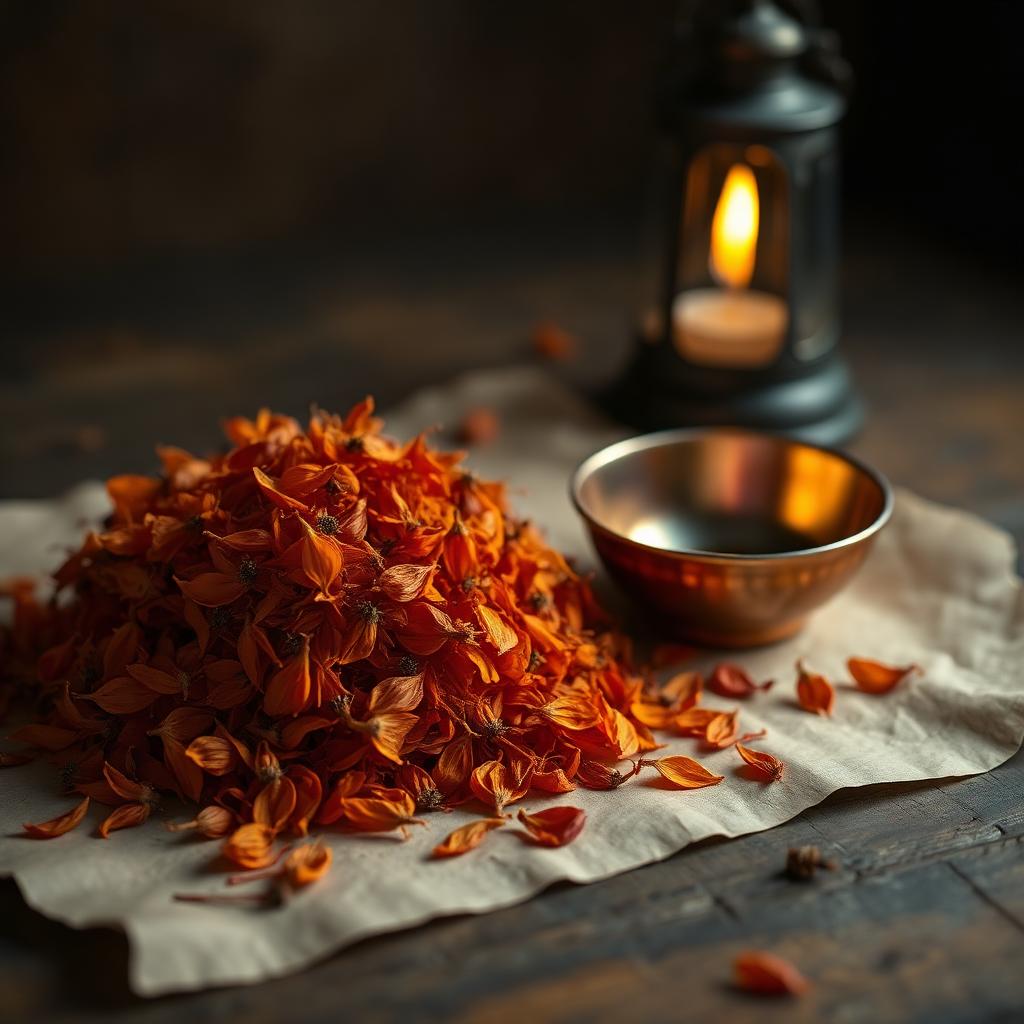
Safflower
Safflower
Warm · Dry
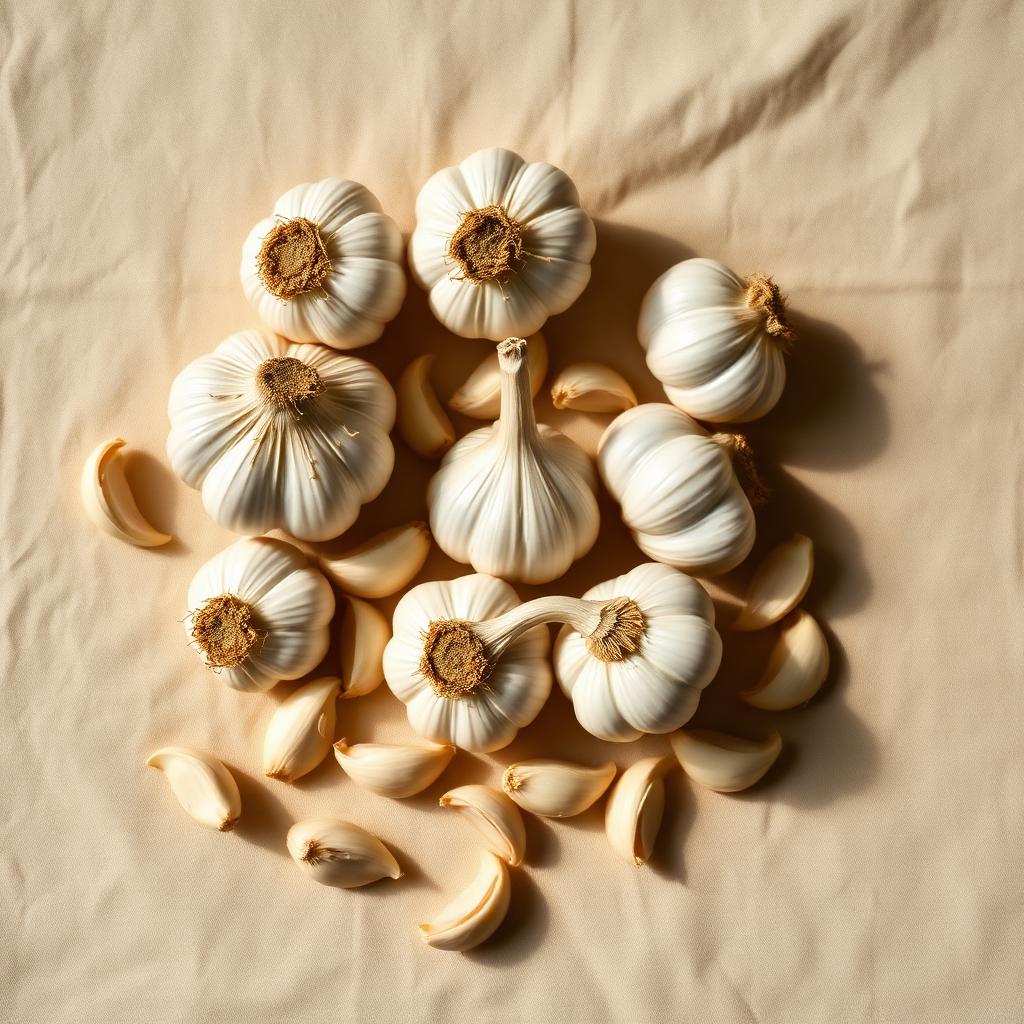
Garlic
Garlic
Allium sativum
Hot · Dry
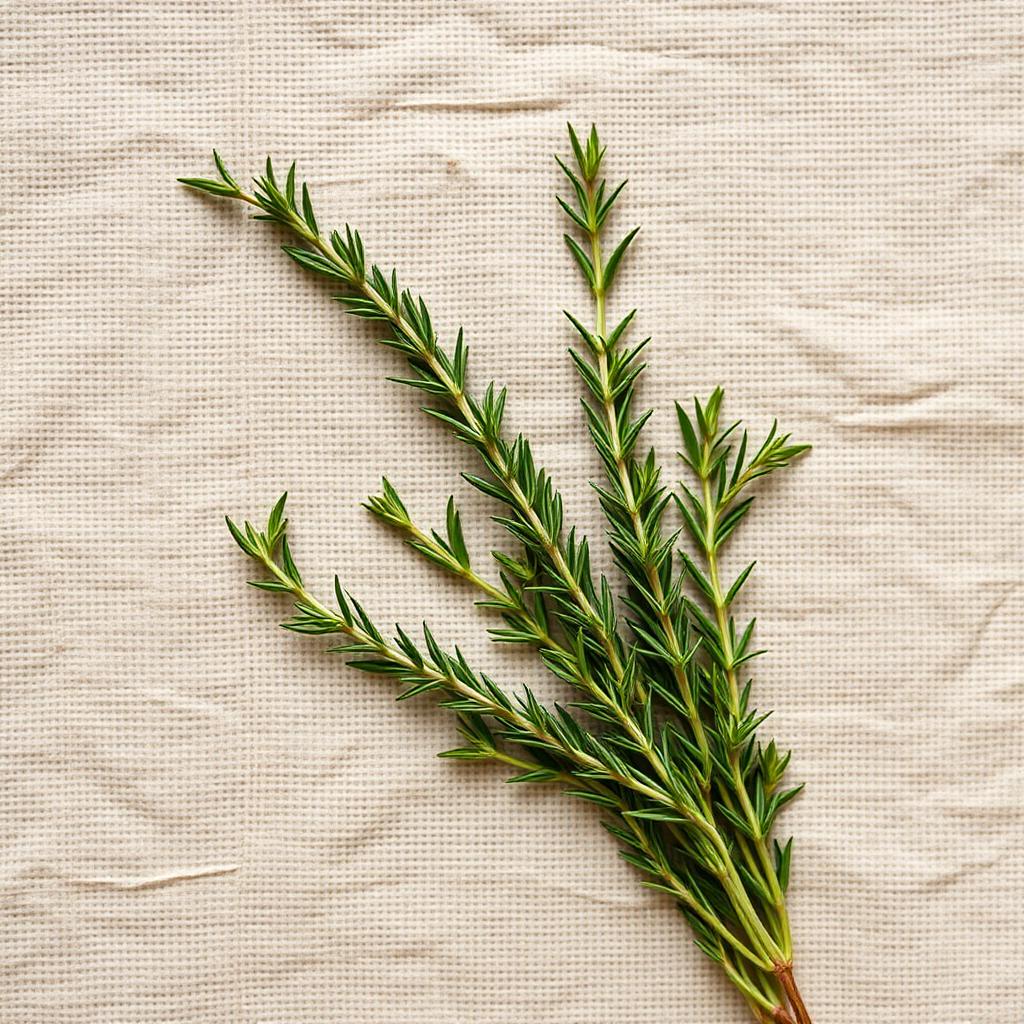
Rosemary
Rosemary
Salvia rosmarinus
Warm · Dry
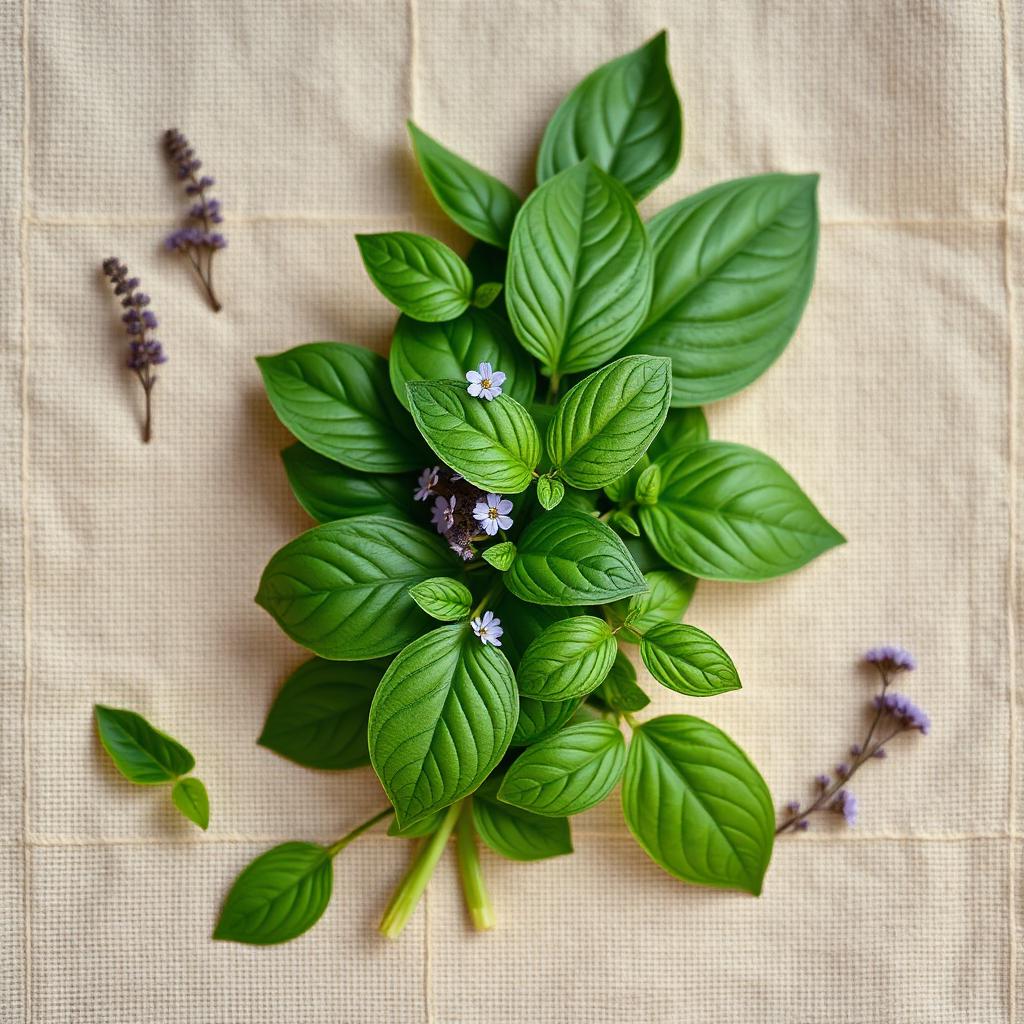
Holy Basil (Tulsi)
Holy Basil (Tulsi)
Ocimum tenuiflorum
Warm · Dry
Ashwagandha
Ashwagandha
Withania somnifera
Warm · Dry
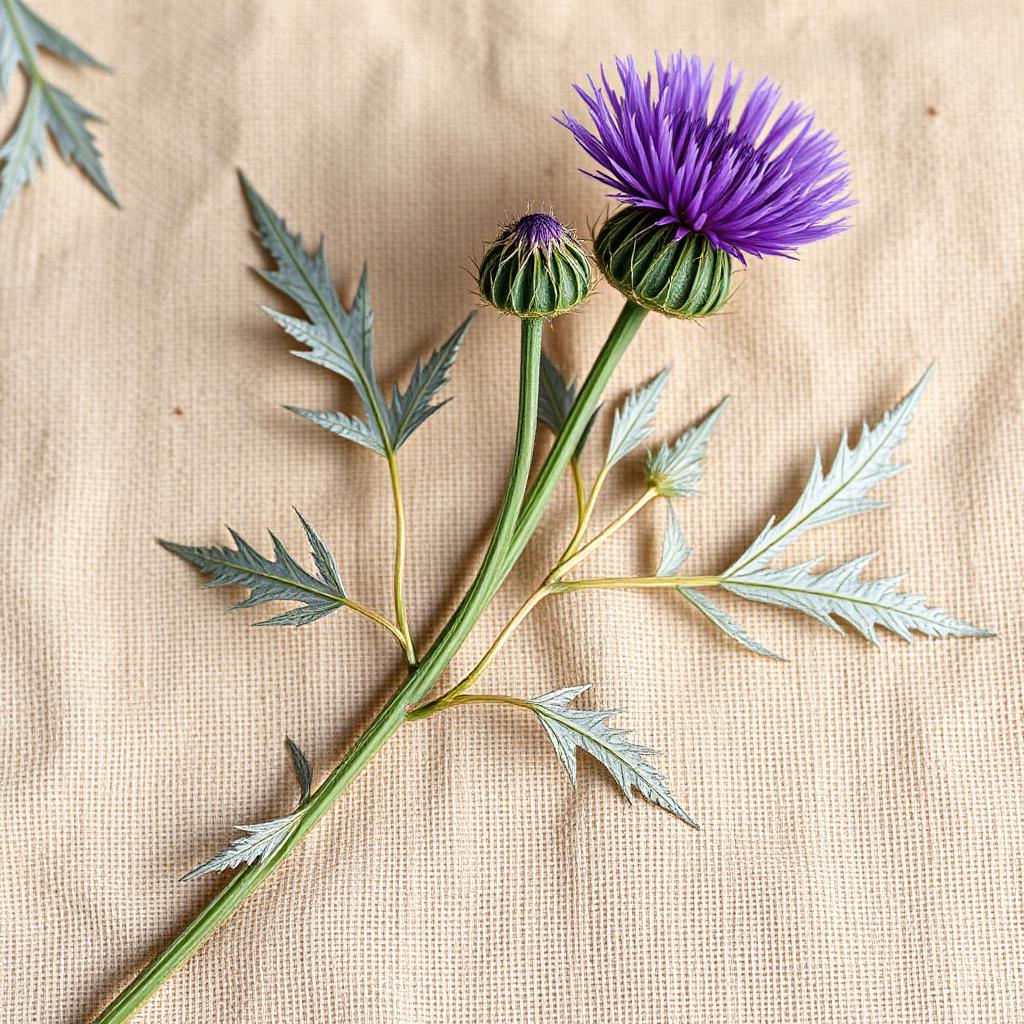
Milk Thistle
Milk Thistle
Silybum marianum
Cool · Dry
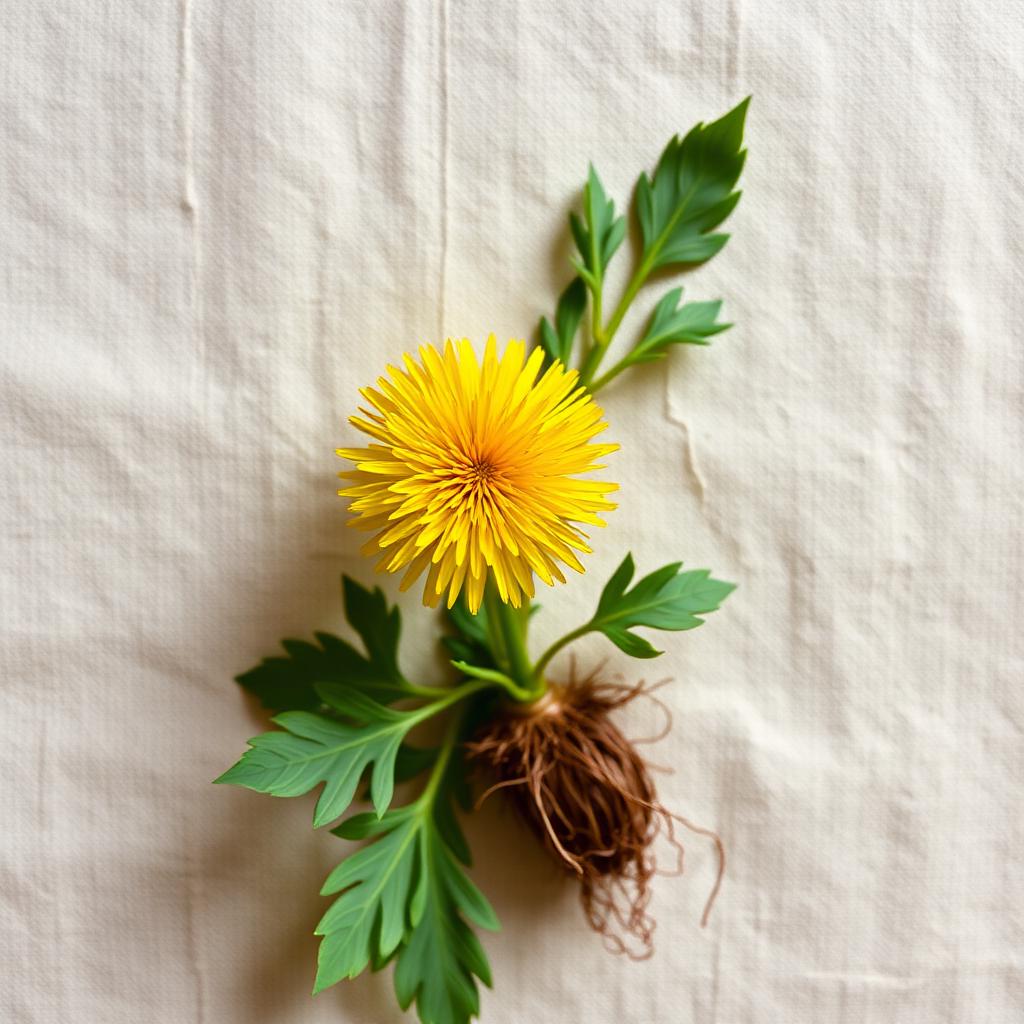
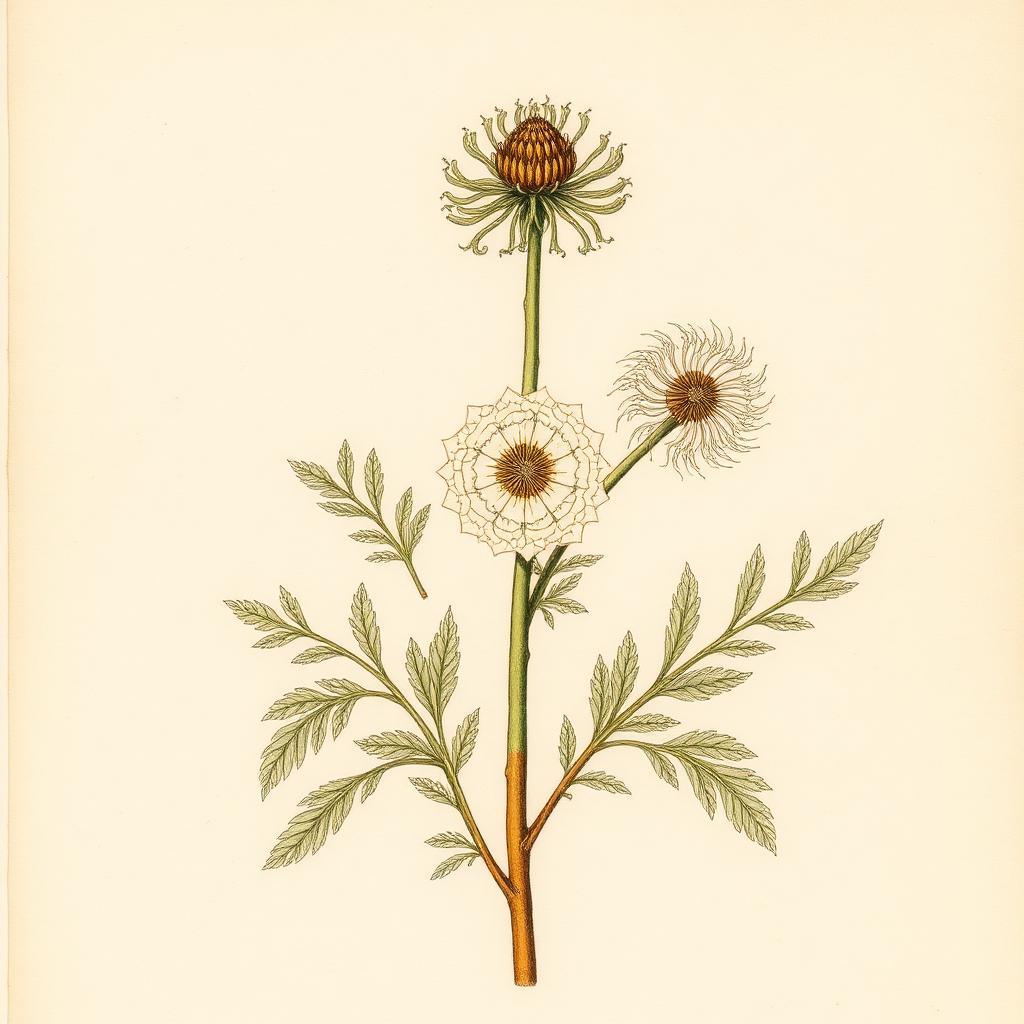
Dandelion
Dandelion
Taraxacum officinale
Cool · Dry
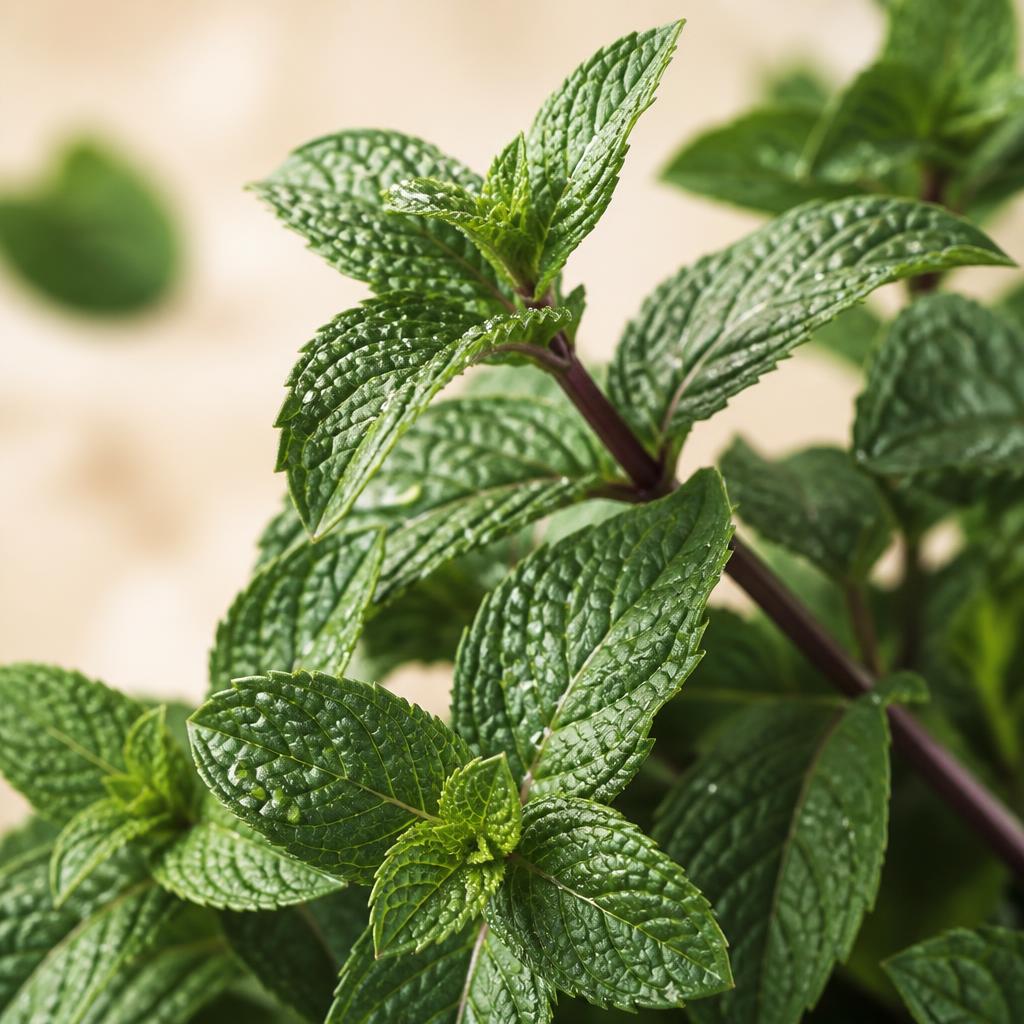
Peppermint
Peppermint
Mentha × piperita
Cool · Dry
Linden
Linden
Tilia europaea
Cool · Moist
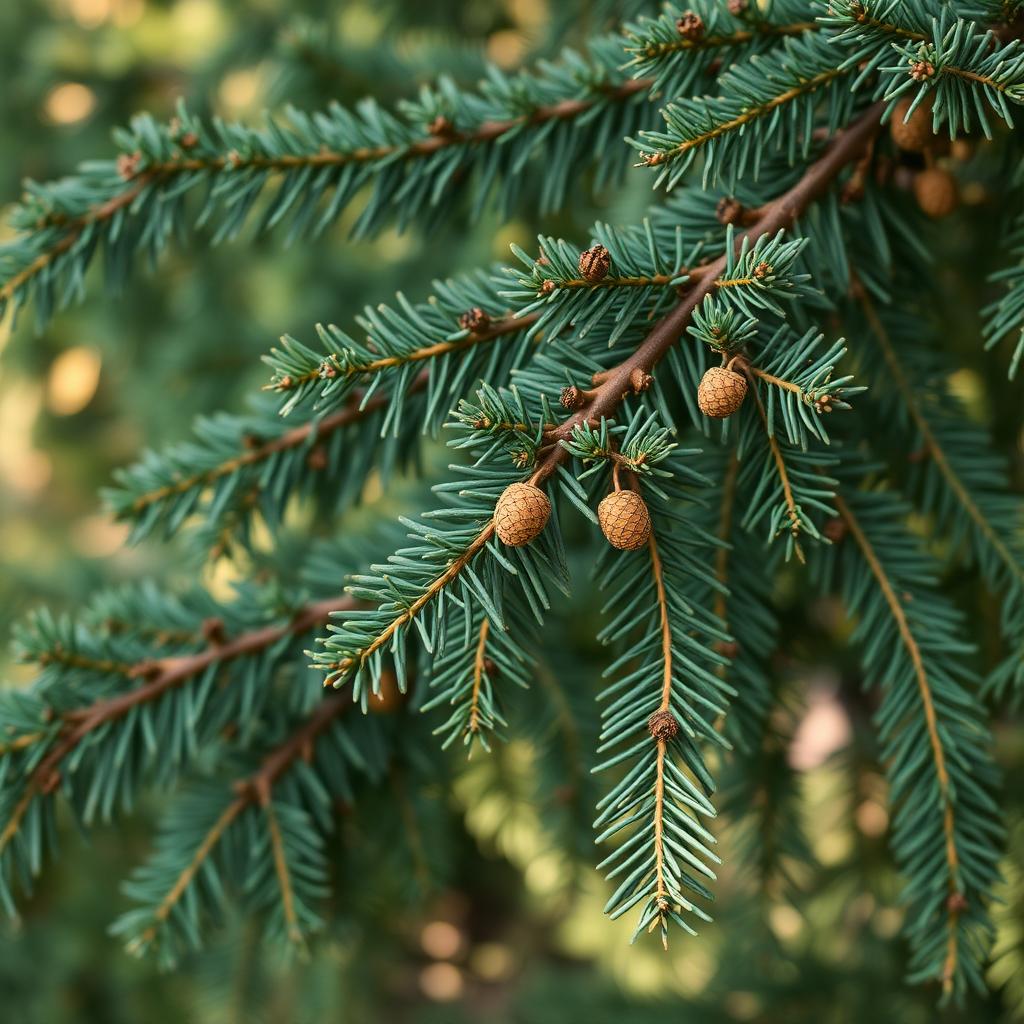
Cypress
Cypress
Cupressus sempervirens
Warm · Dry
Angelica
Angelica
Angelica archangelica
Warm · Dry
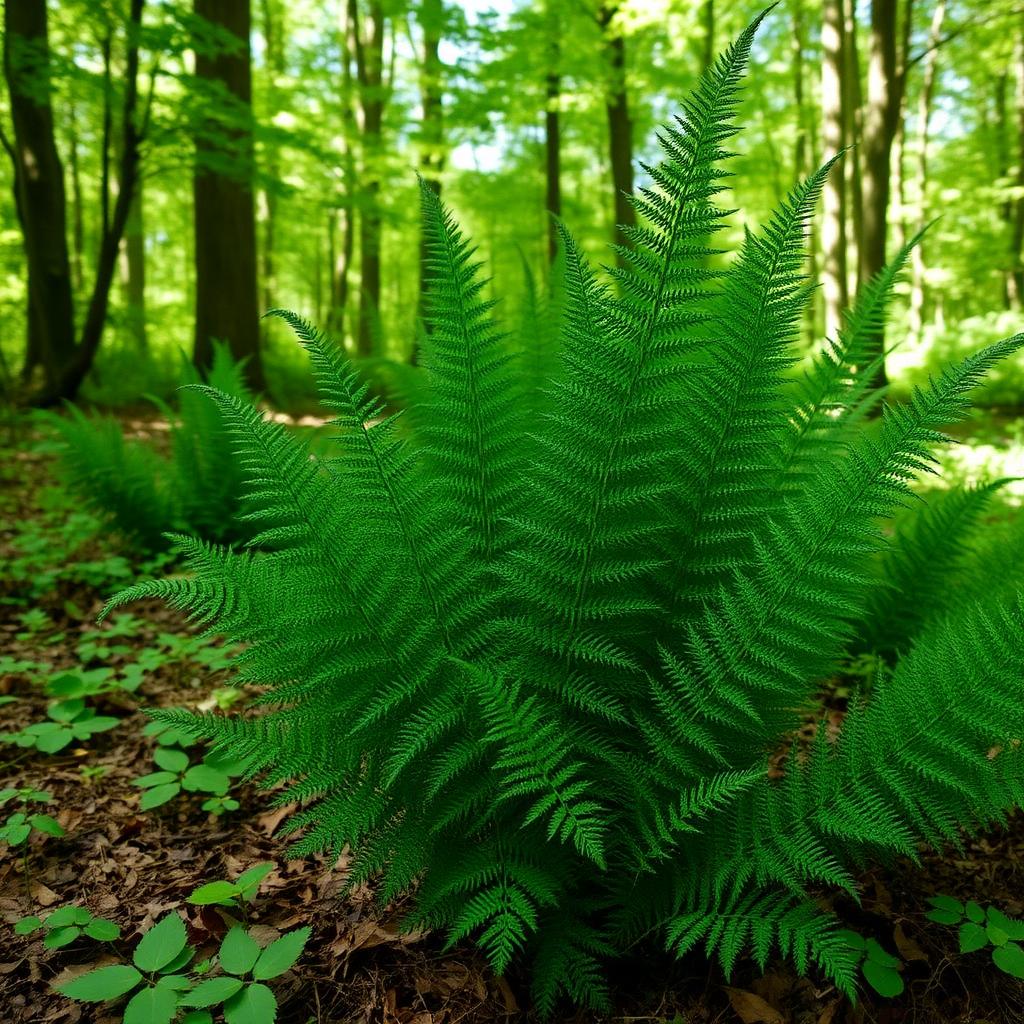
Male Fern
Male Fern
Dryopteris filix-mas
Warm · Dry
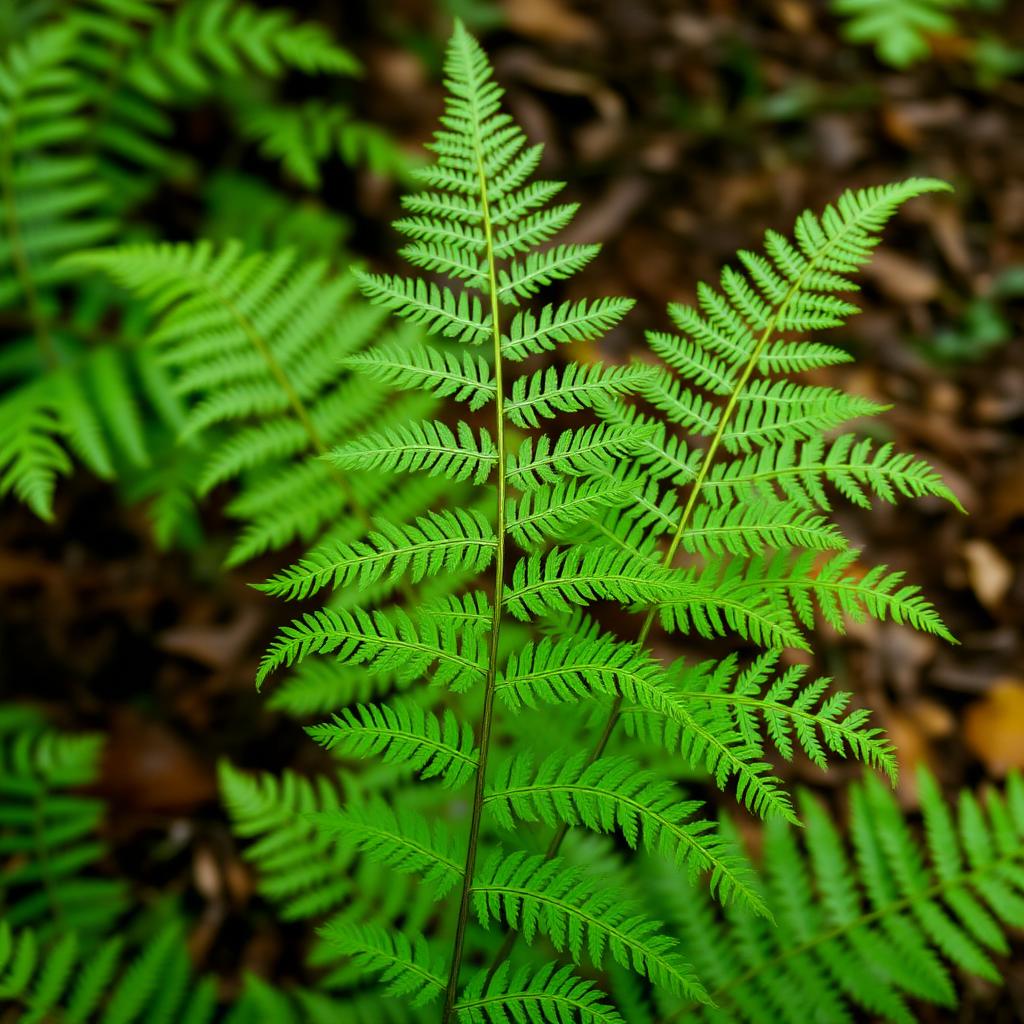
Female Fern
Female Fern
Athyrium filix-femina
Cool · Moist
Cornflower
Cornflower
Centaurea cyanus
Cool · Dry
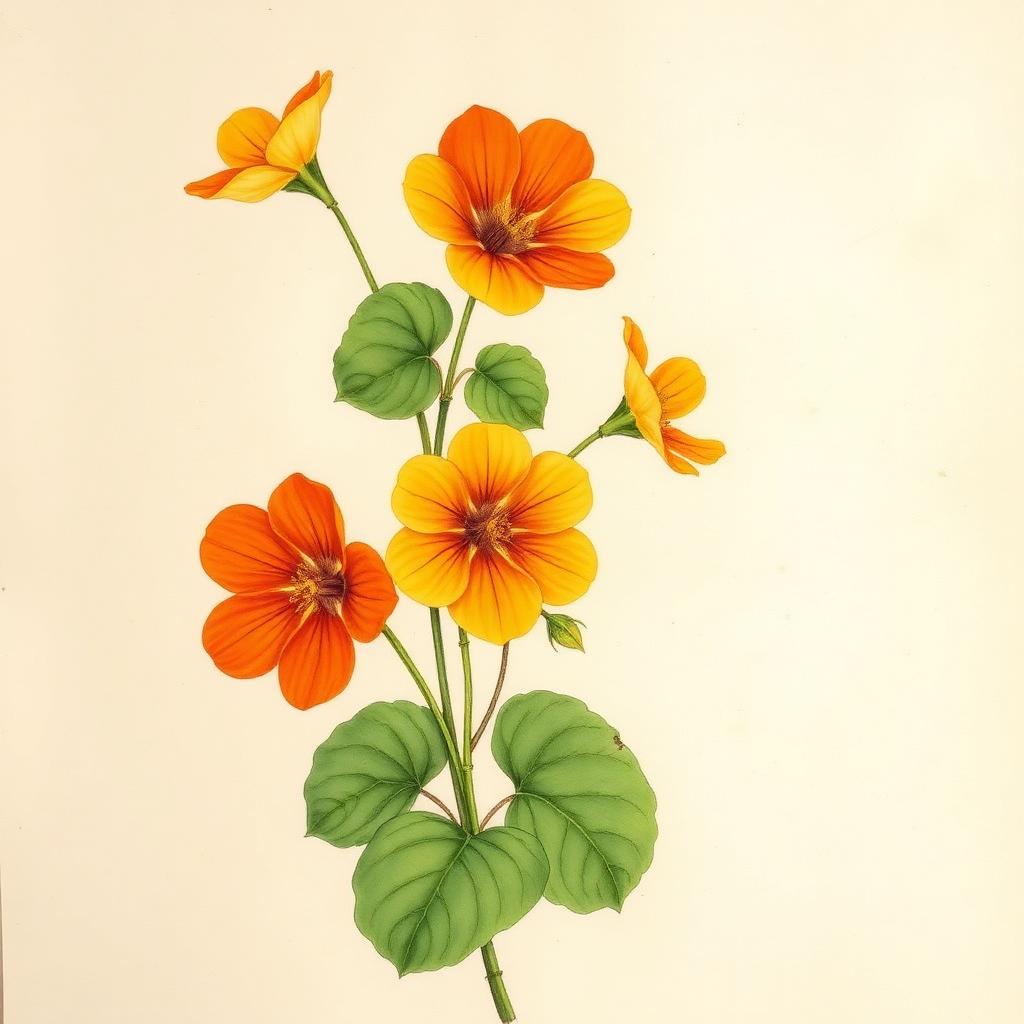
Nasturtium
Nasturtium
Tropaeolum majus
Hot · Dry
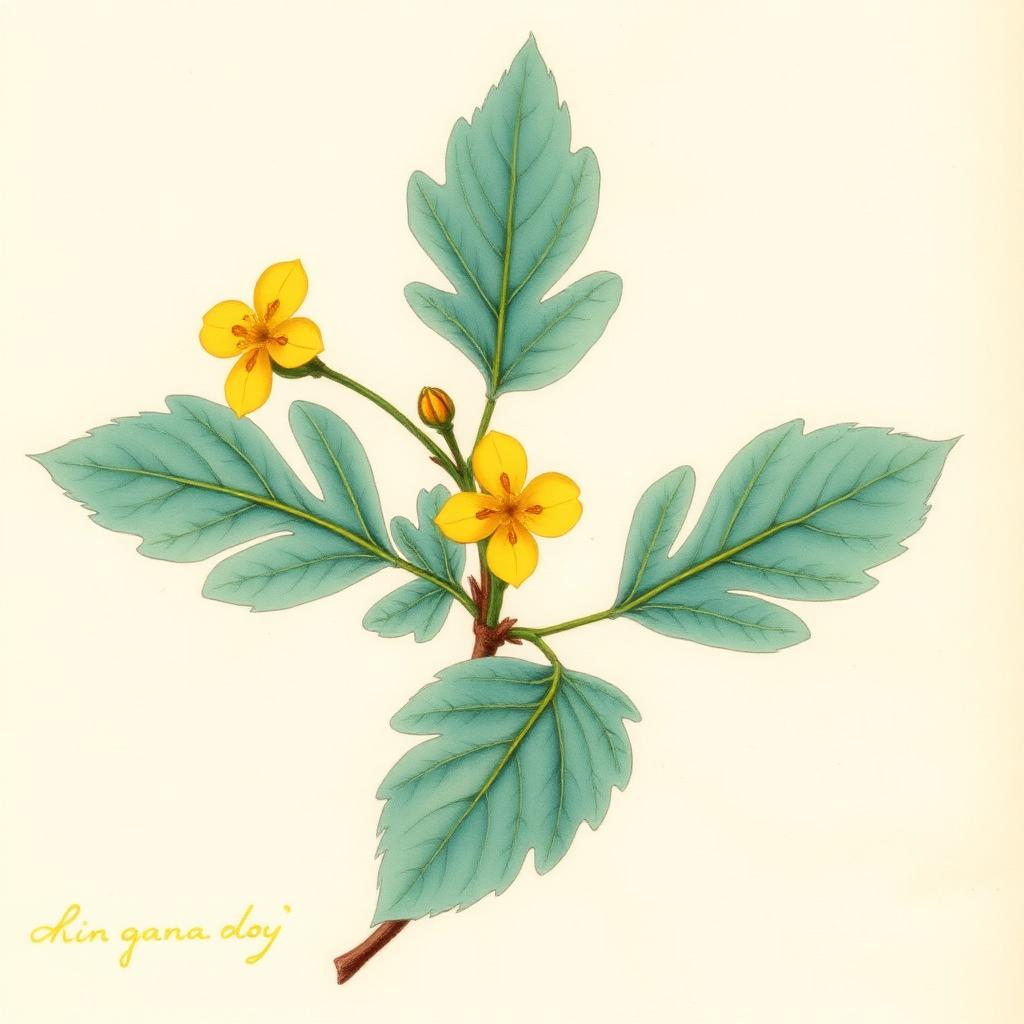
Greater Celandine
Greater Celandine
Chelidonium majus
Warm · Dry
Savory
Savory
Satureja hortensis
Hot · Dry
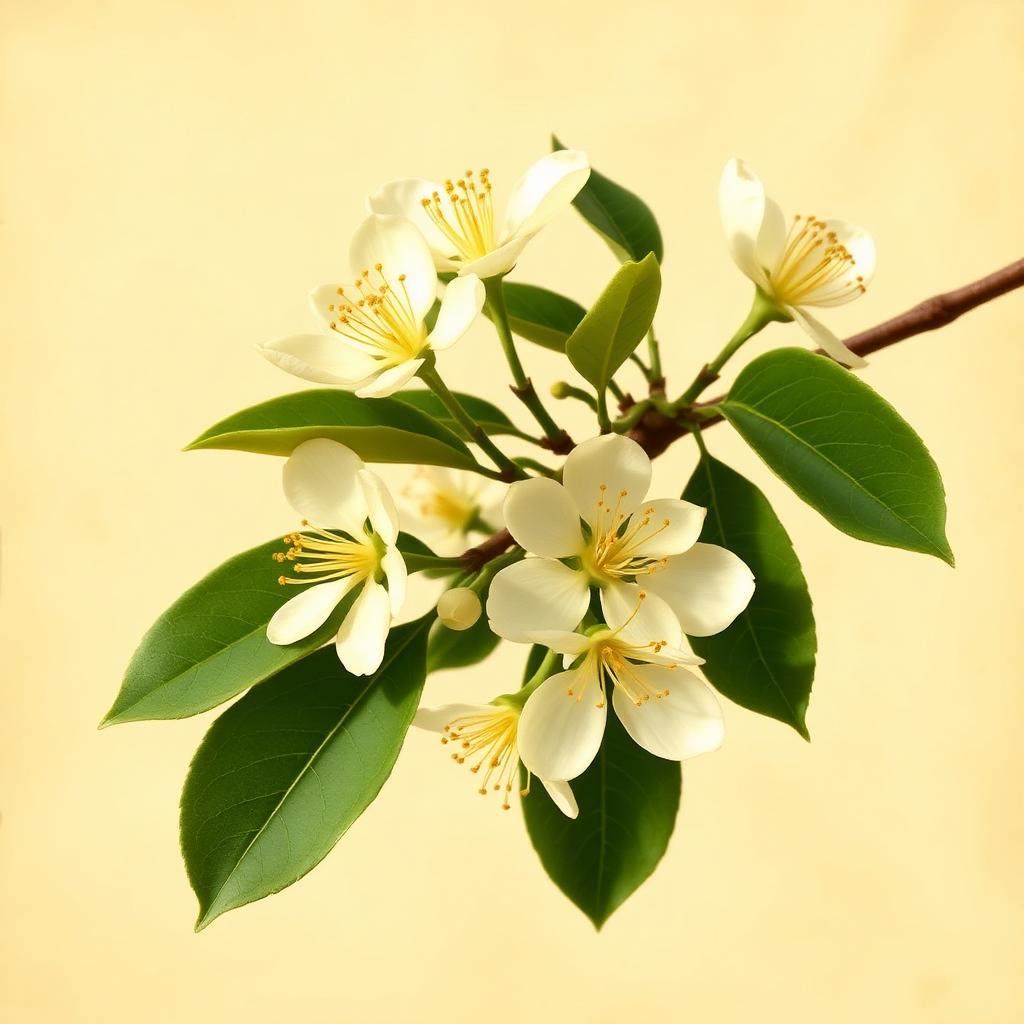
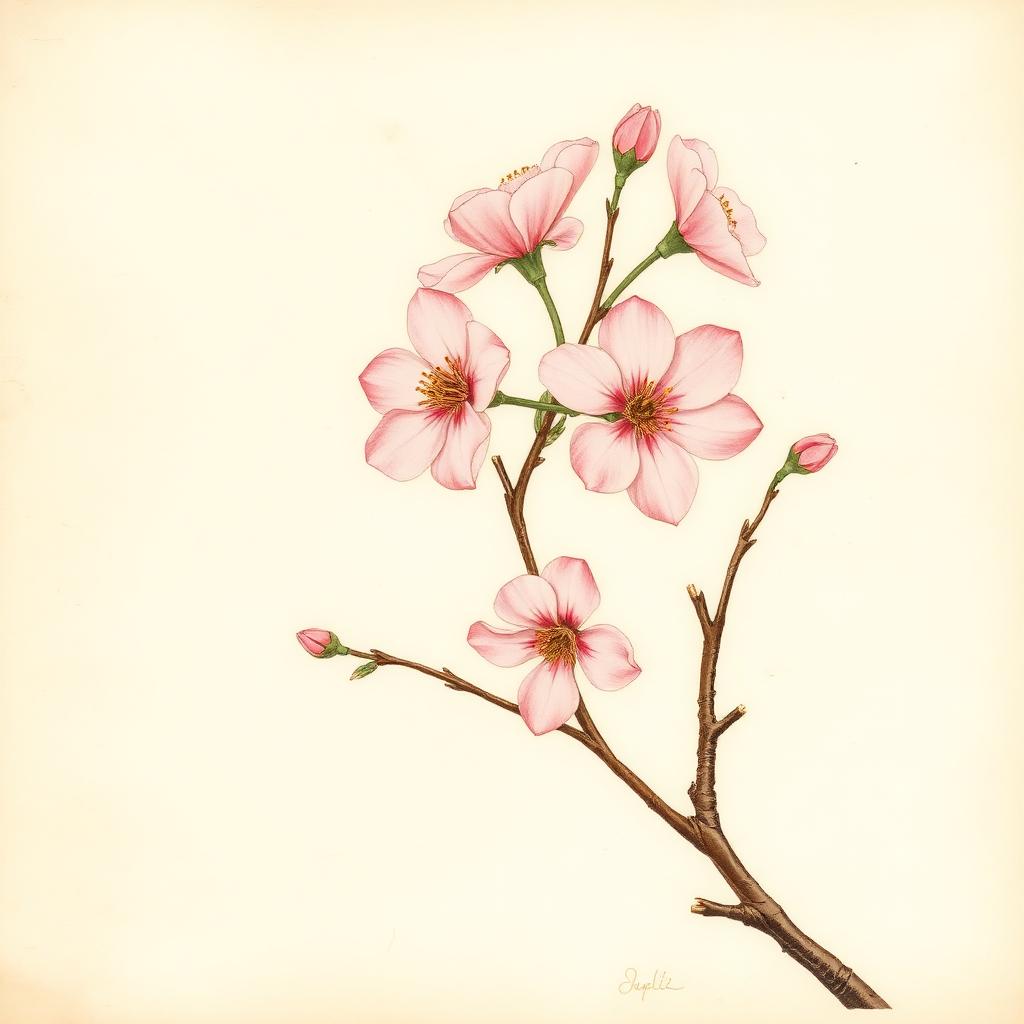
Peach Blossom
Peach Blossom
Prunus persica (flos)
Cool · Moist
Wild Carrot
Wild Carrot
Daucus carota subsp. carota
Warm · Dry
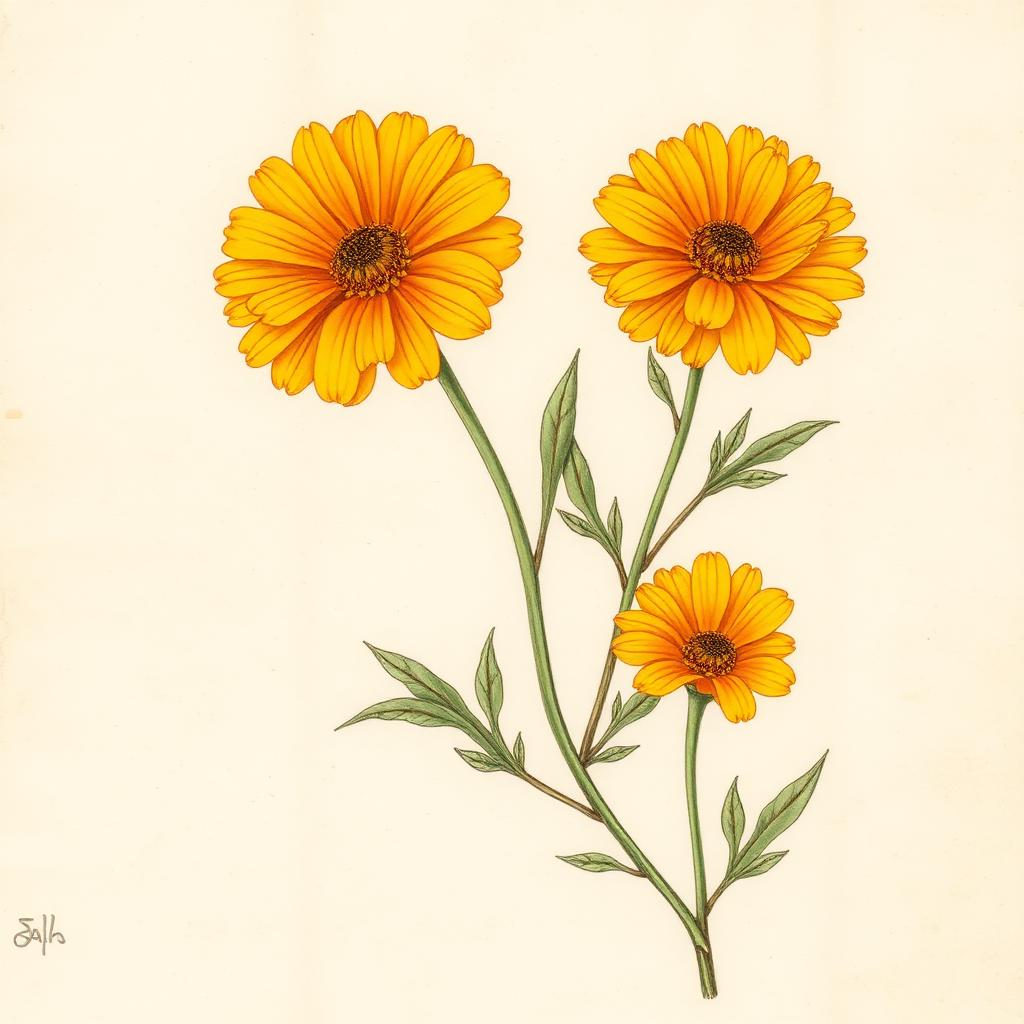
Calendula
Calendula
Calendula officinalis
Warm · Dry
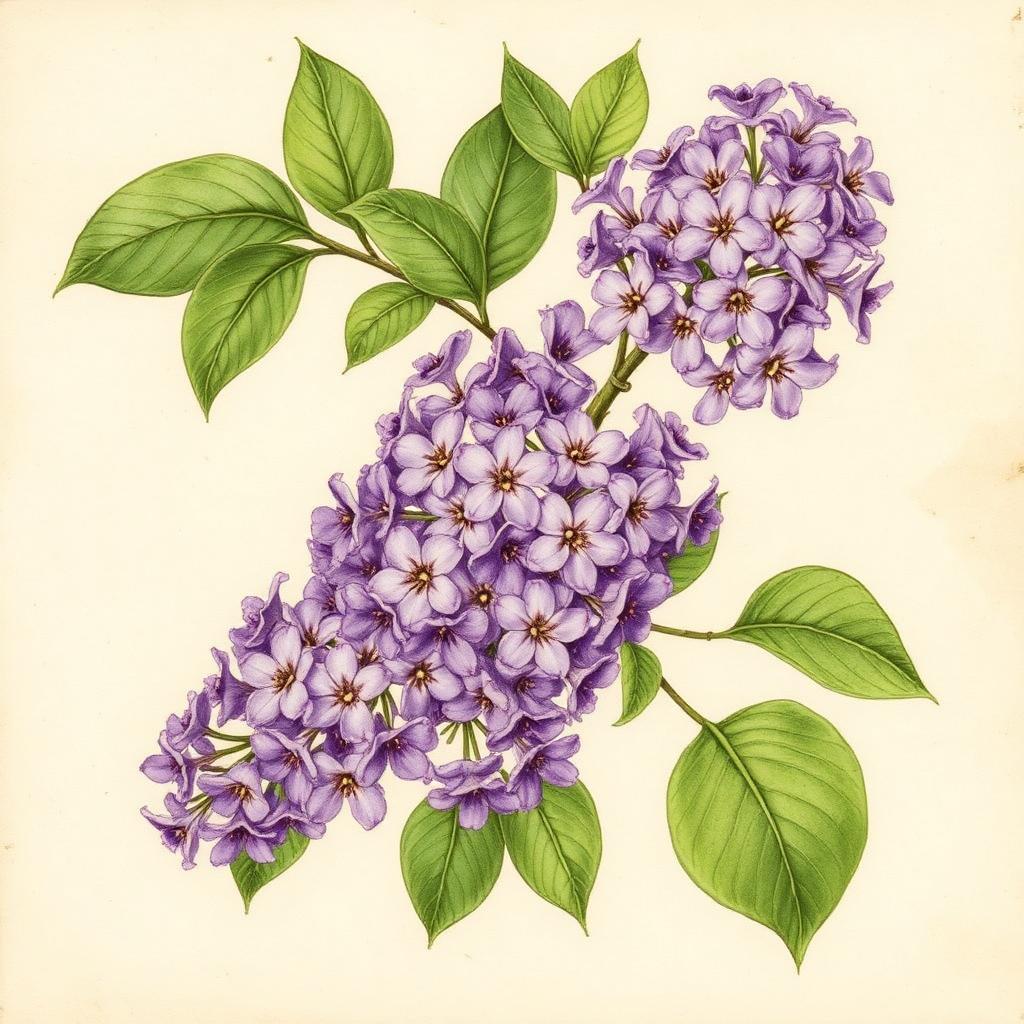
Lilac
Lilac
Syringa vulgaris
Cool · Dry
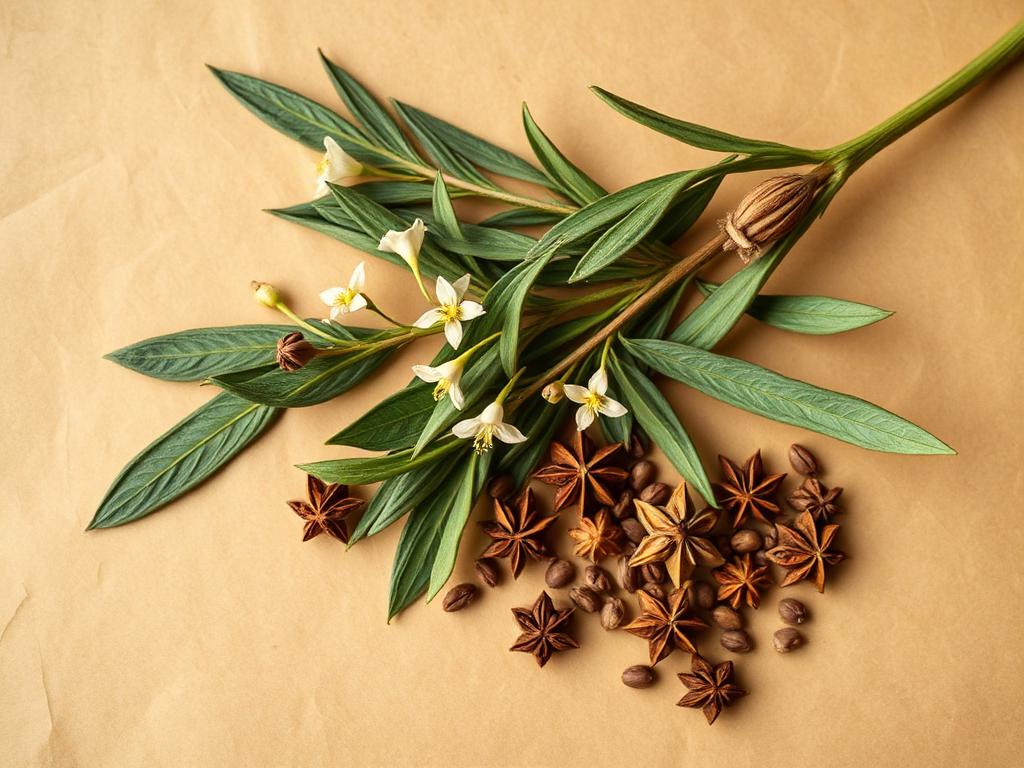
Anise
Anise
Warm · Dry
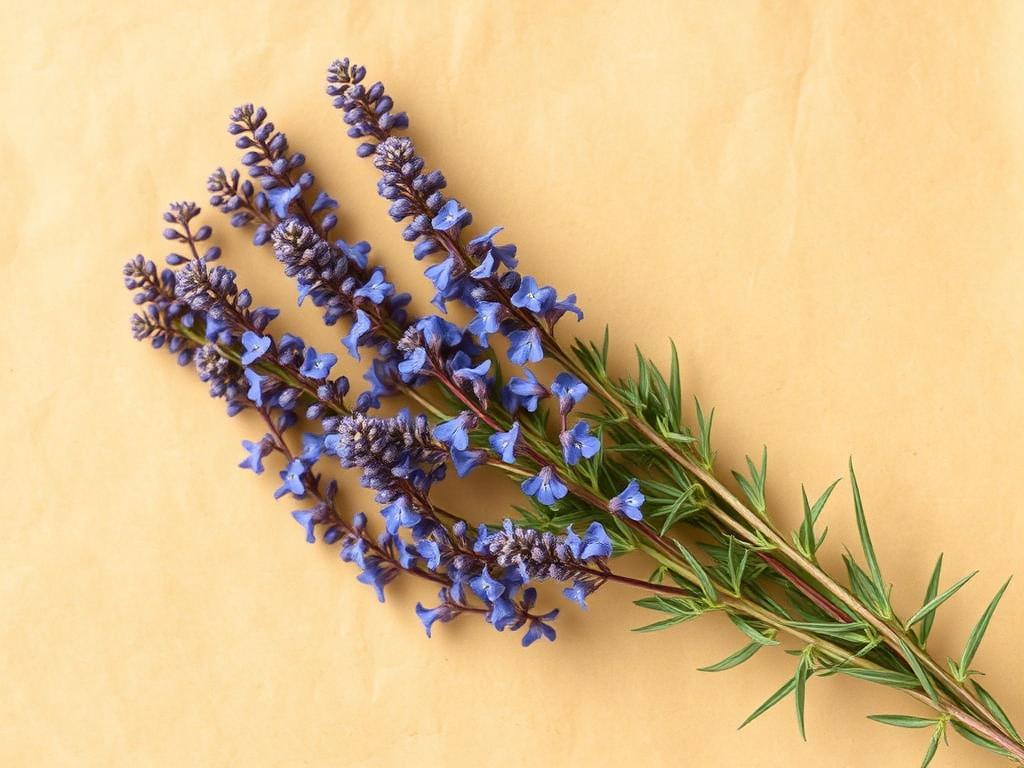
Hyssop
Hyssop
Warm · Dry
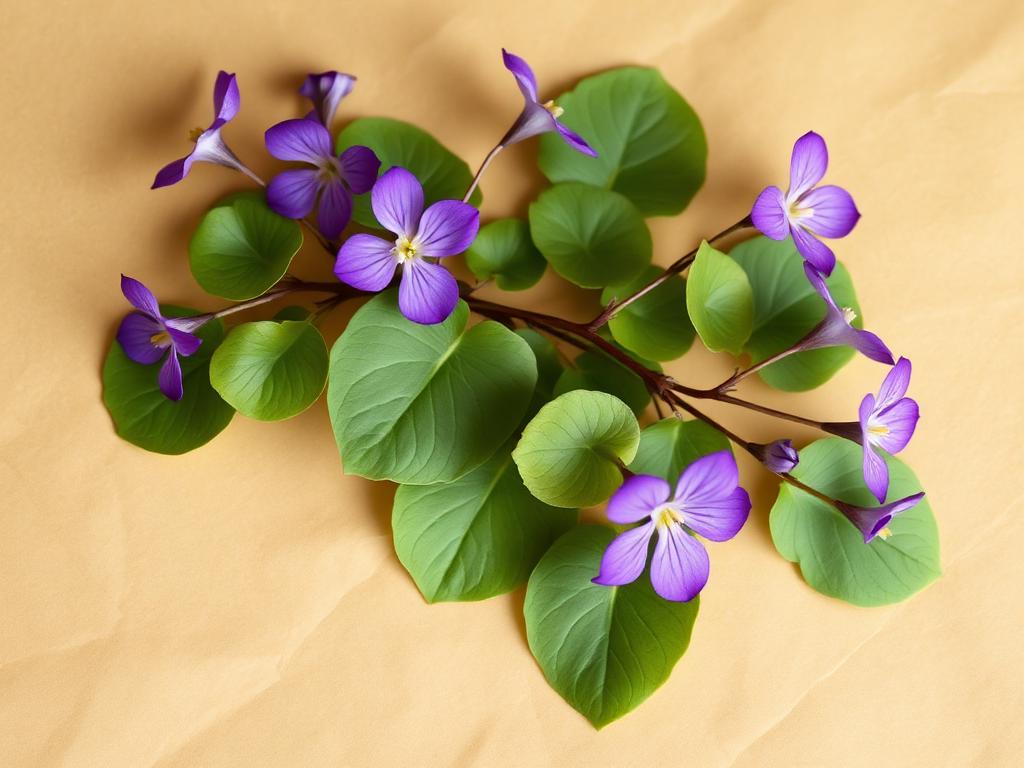
Sweet Violet
Sweet Violet
Cool · Moist
Marjoram
Marjoram
Warm · Dry
Oregano
Oregano
Warm · Dry
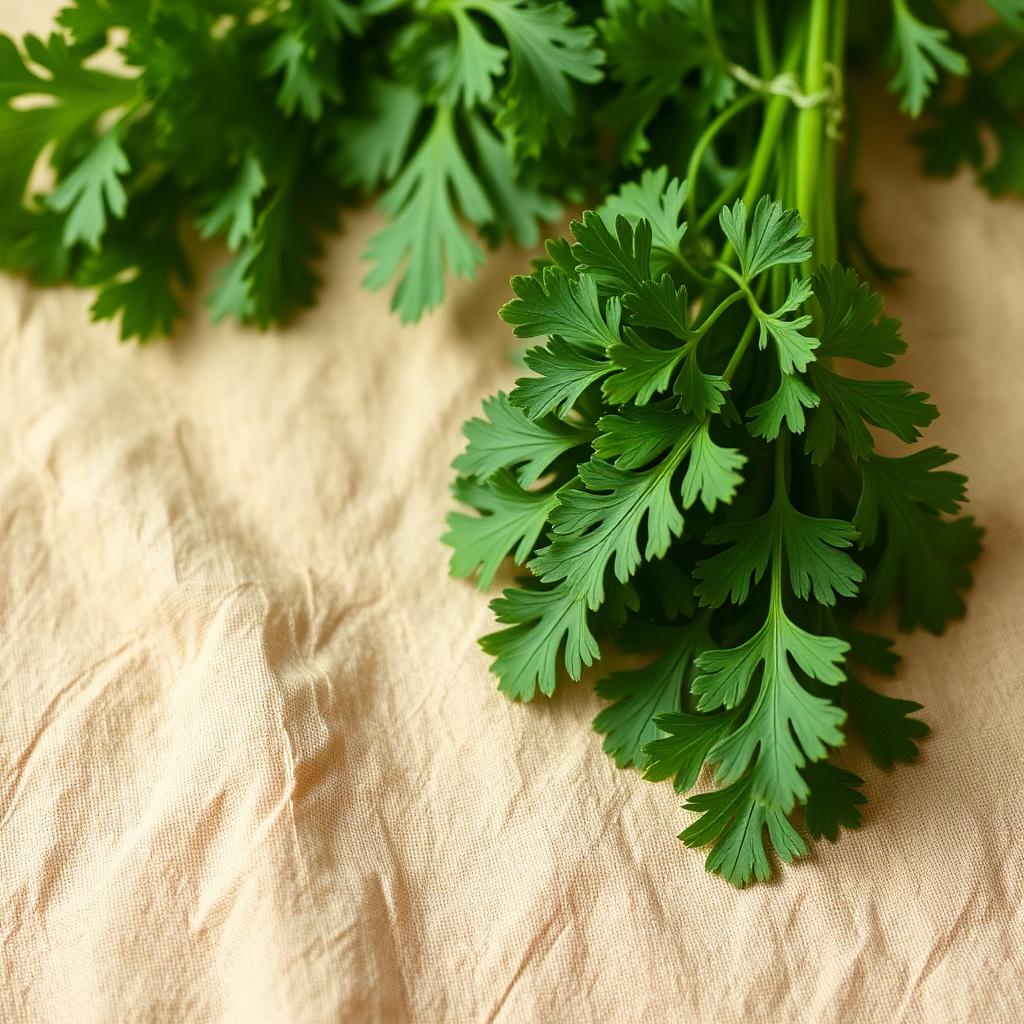
Parsley
Parsley
Warm · Dry
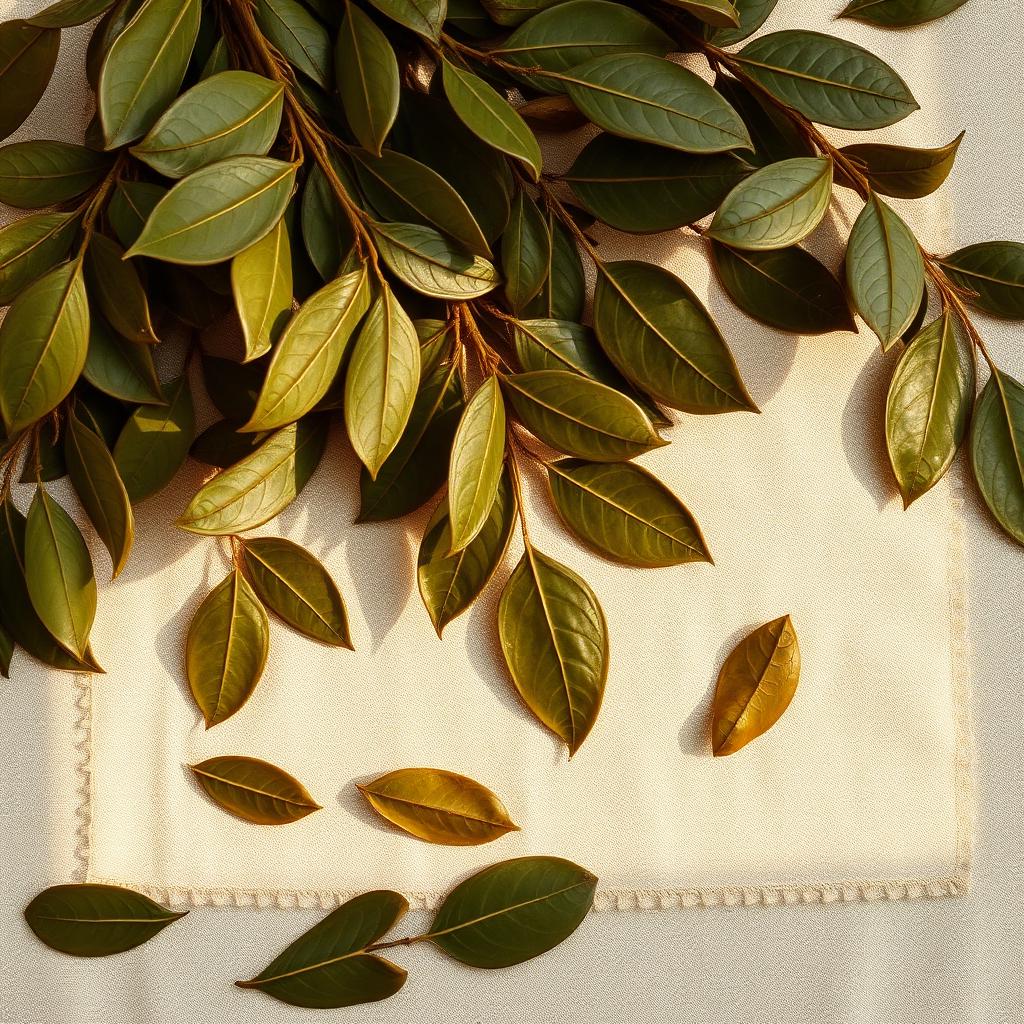
Bay Leaf
Bay Leaf
Warm · Dry
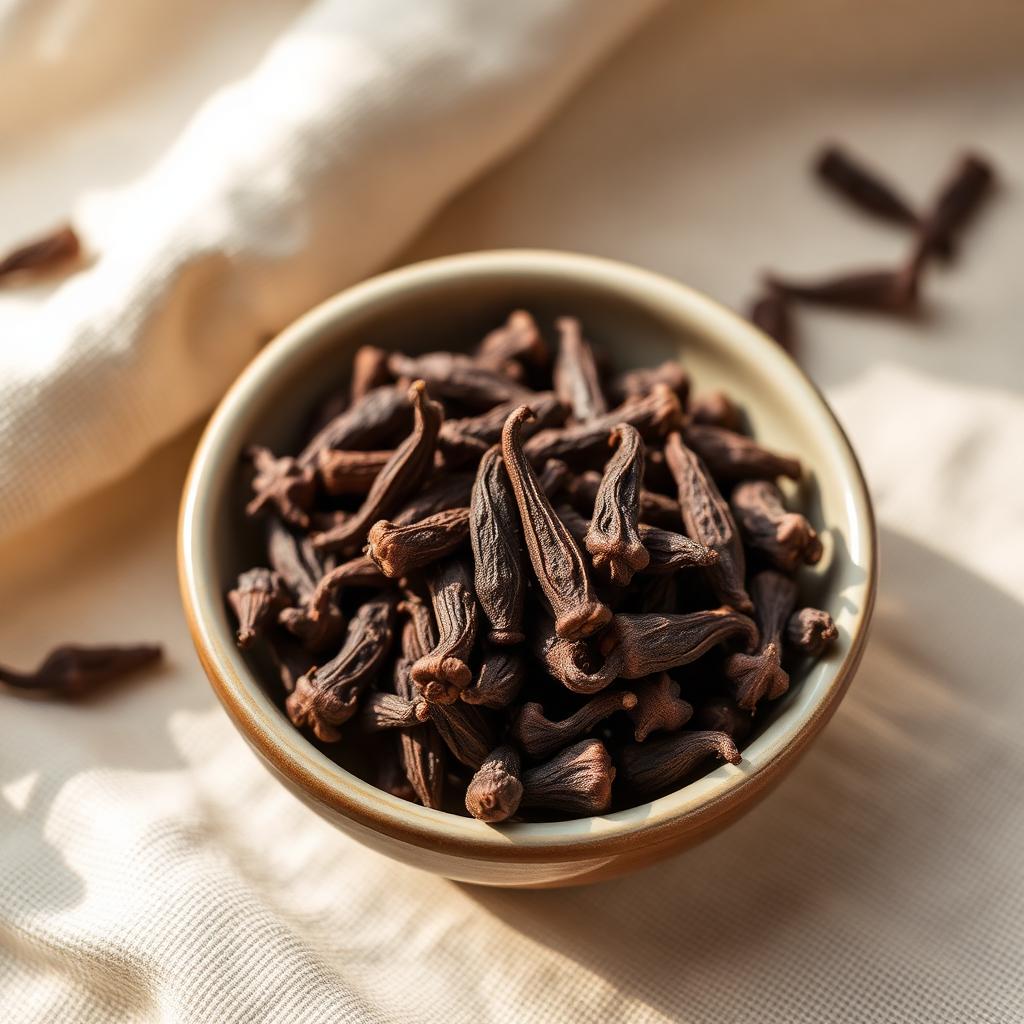
Clove
Clove
Hot · Dry
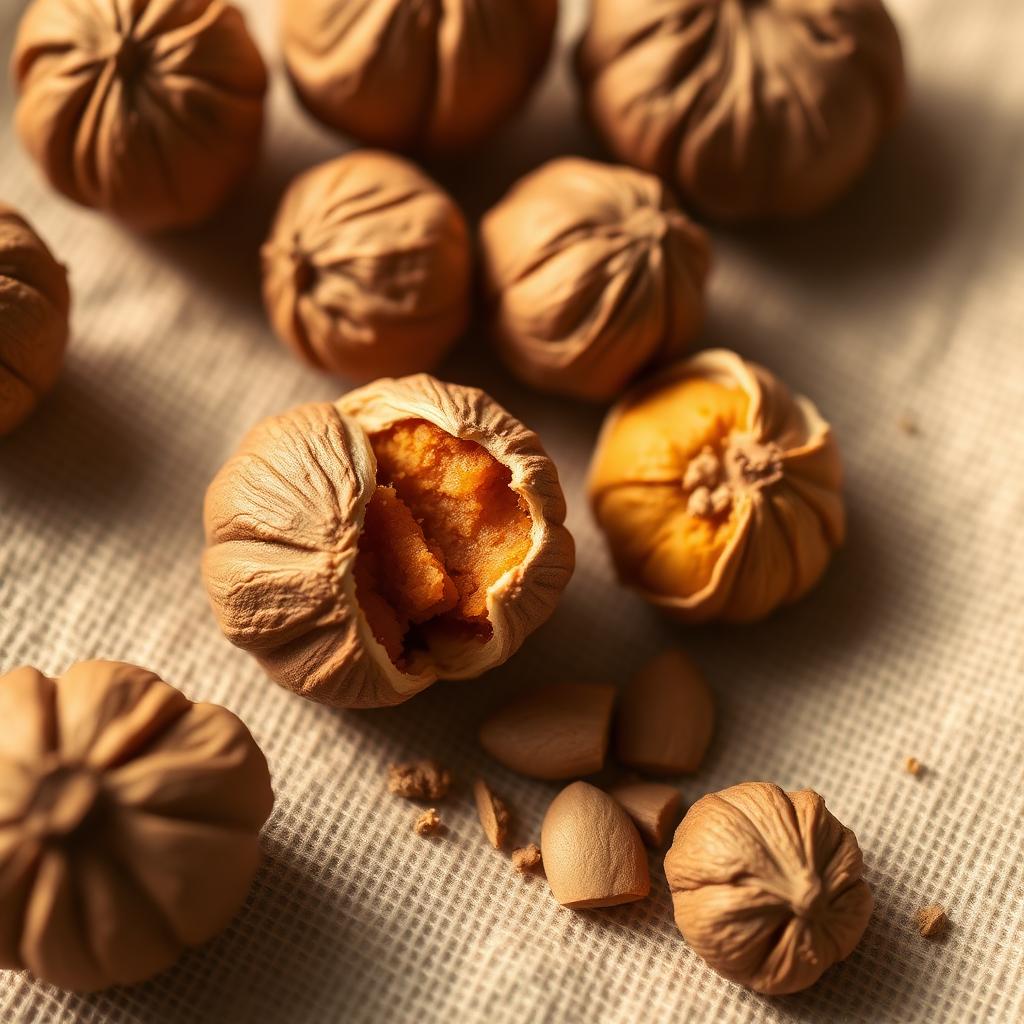
Nutmeg
Nutmeg
Hot · Dry
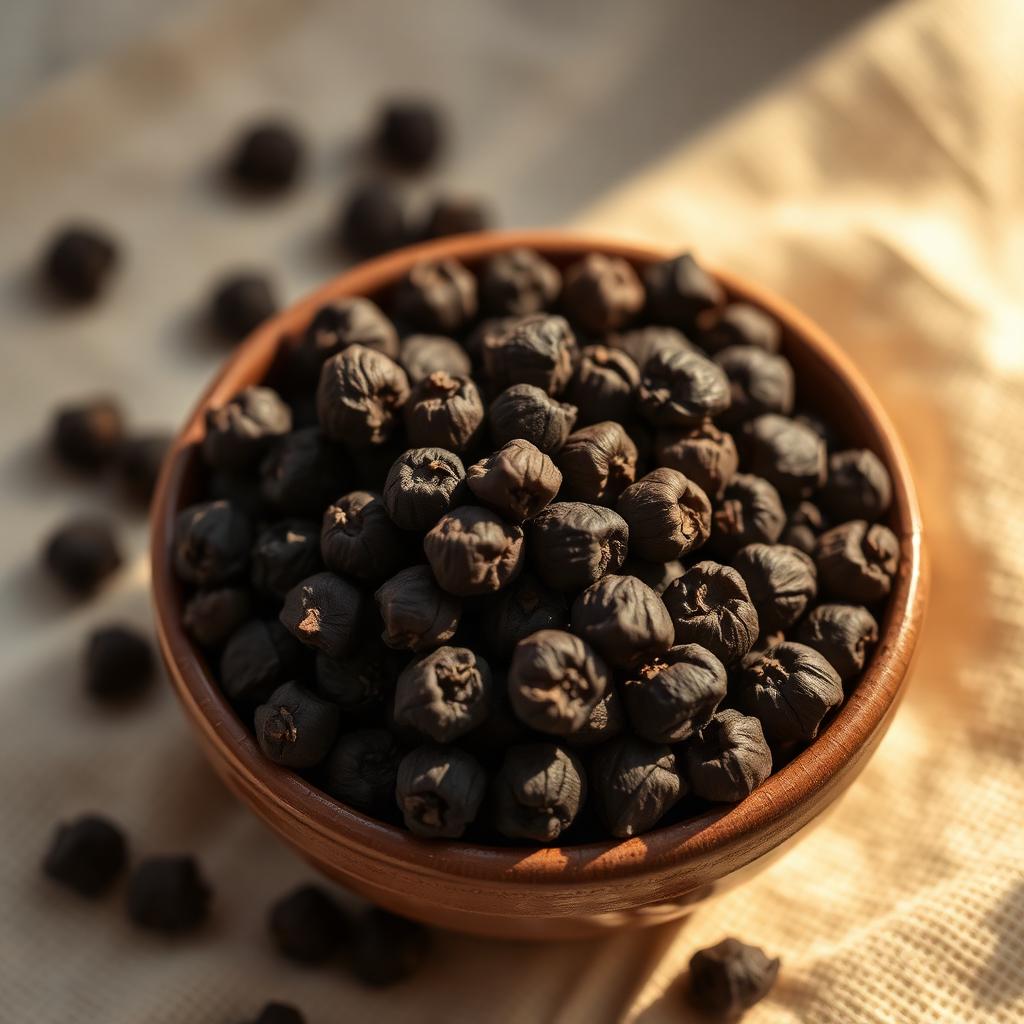
Black Pepper
Black Pepper
Hot · Dry
Lemon Balm
Lemon Balm
Warm · Dry
Valerian
Valerian
Warm · Moist
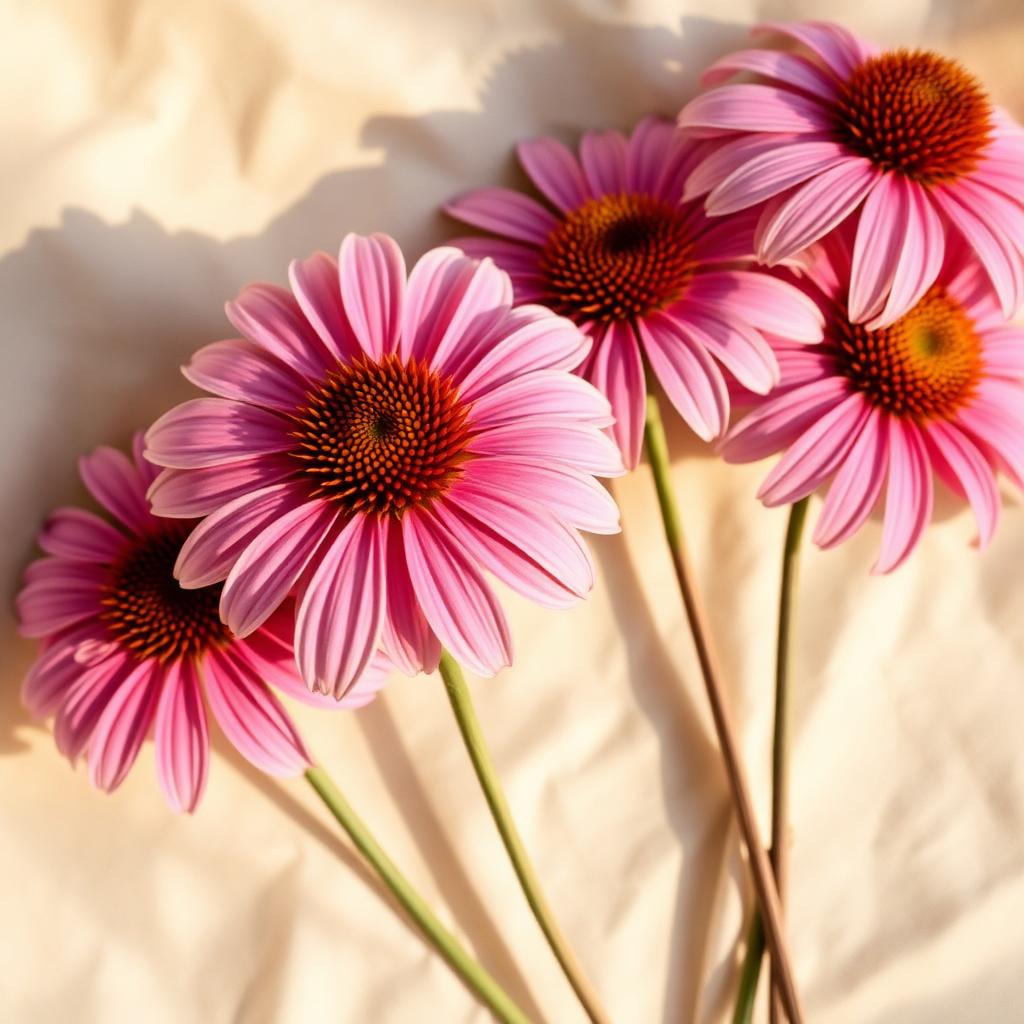
Echinacea
Echinacea
Cool · Dry
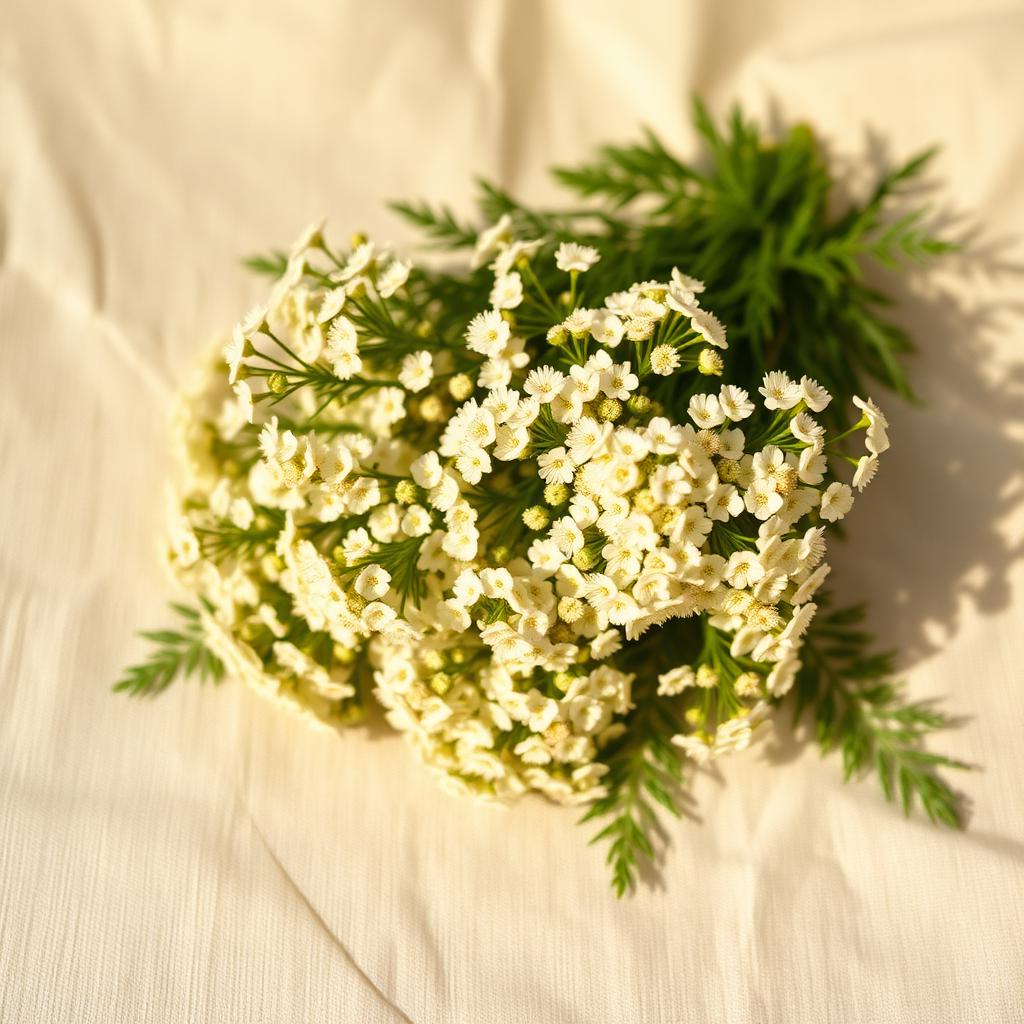
Yarrow
Yarrow
Warm · Dry
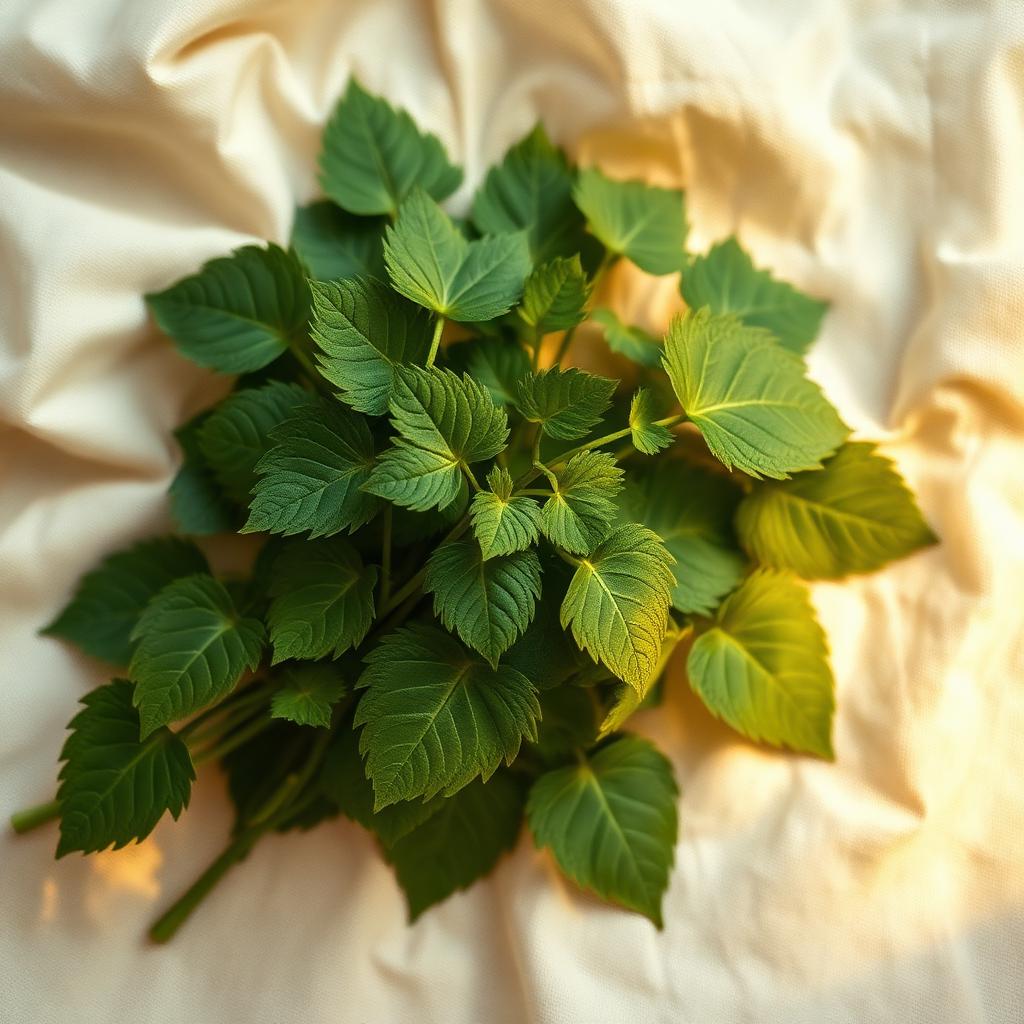
Nettle
Nettle
Warm · Dry
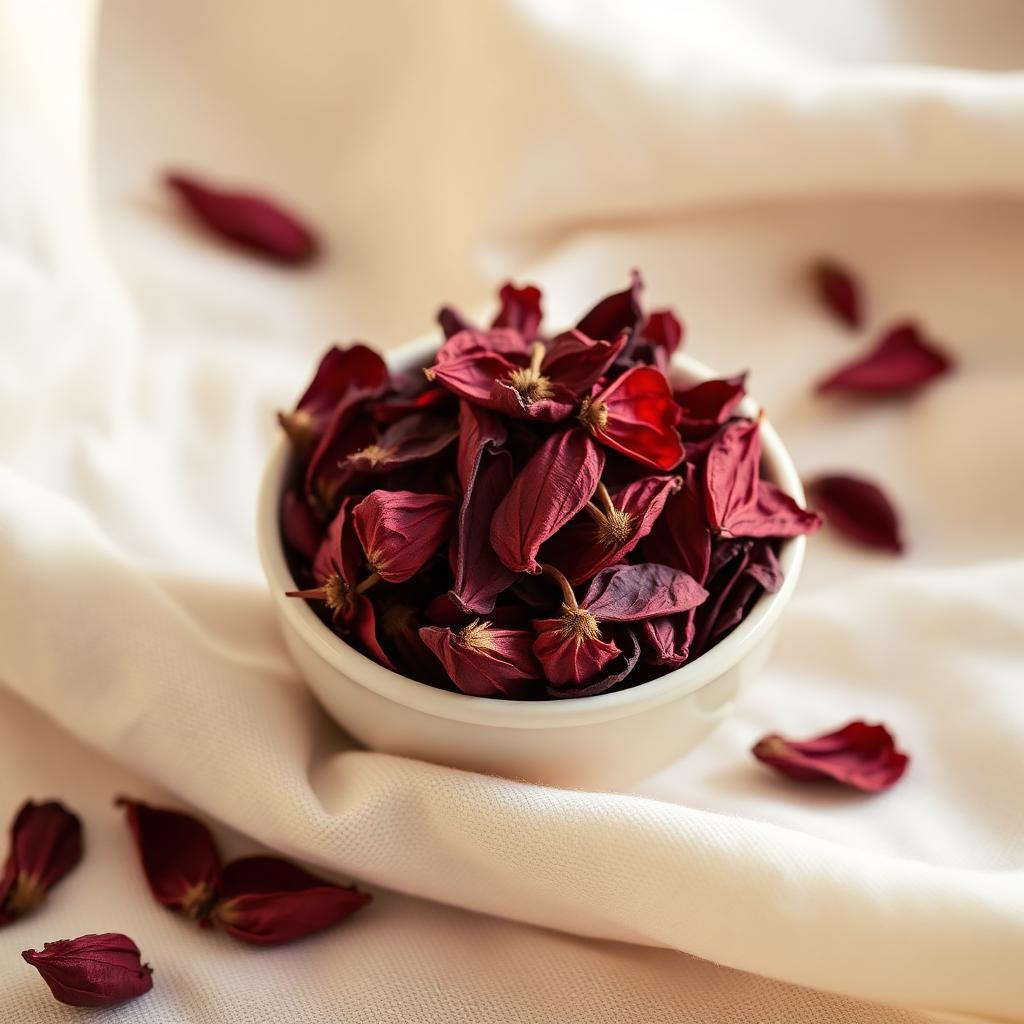
Hibiscus
Hibiscus
Cool · Moist
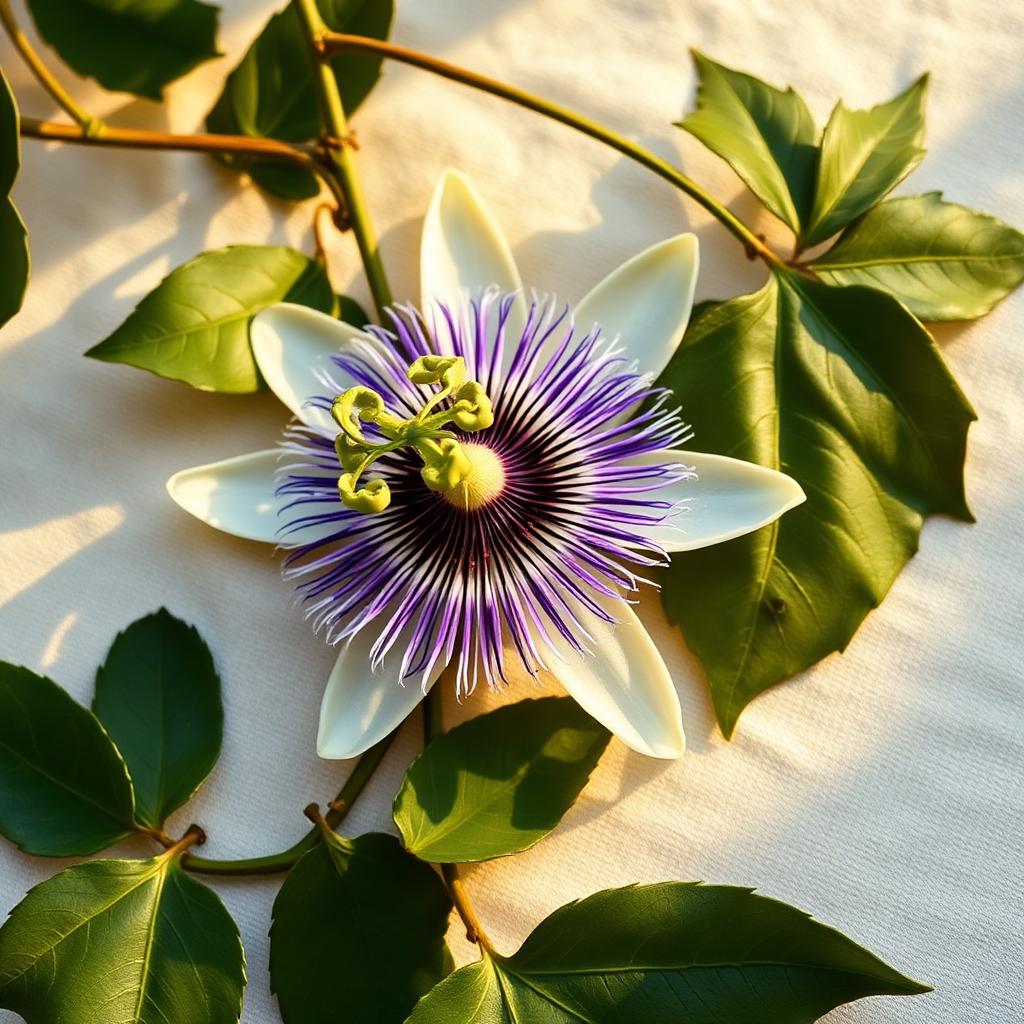
Passionflower
Passionflower
Cool · Moist
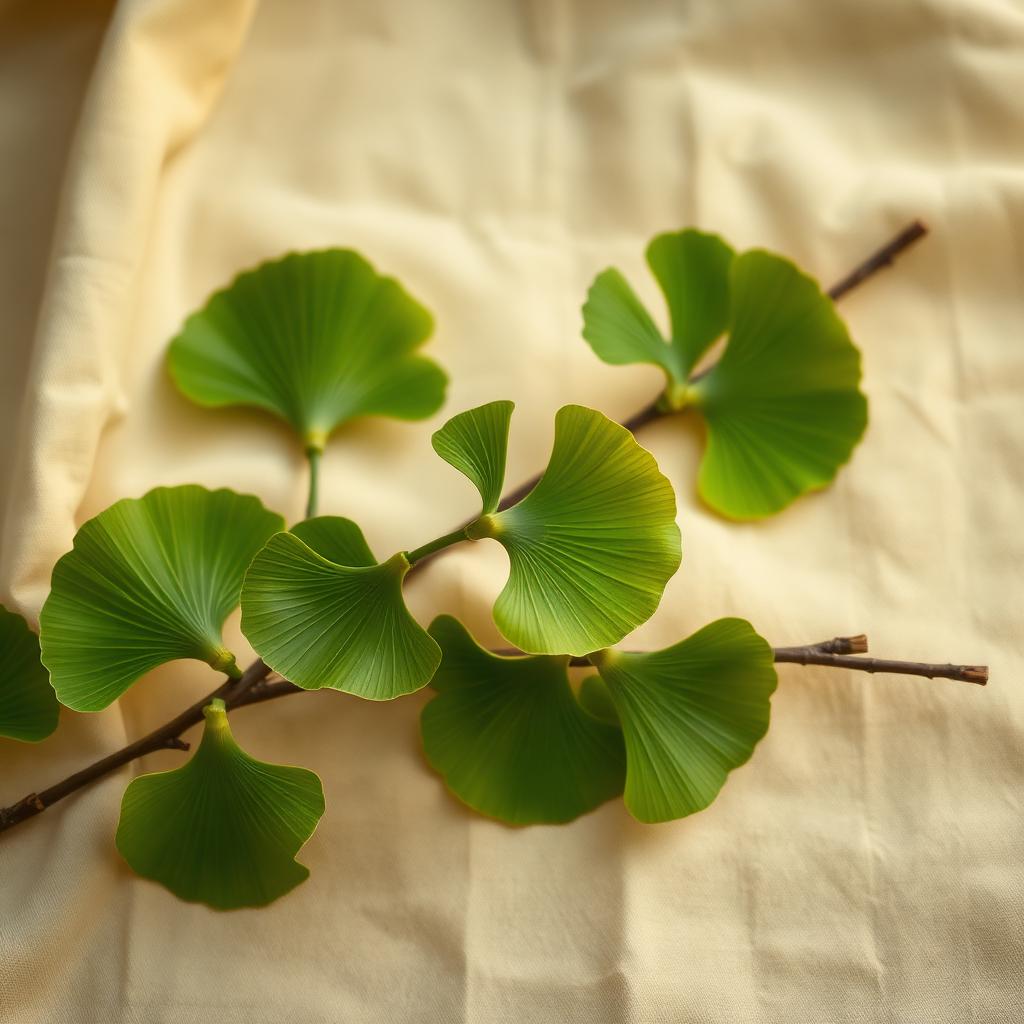
Ginkgo
Ginkgo
Cool · Dry
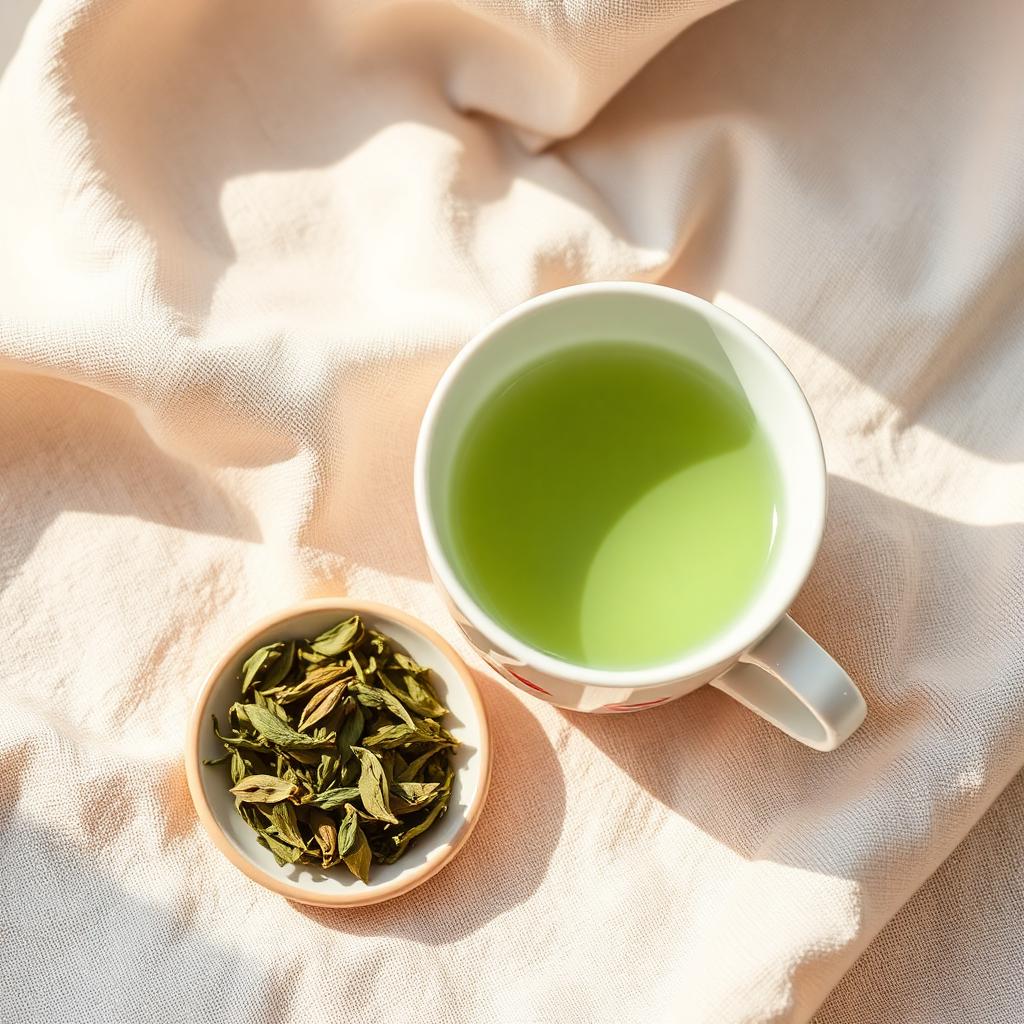
Green Tea
Green Tea
Cool · Dry
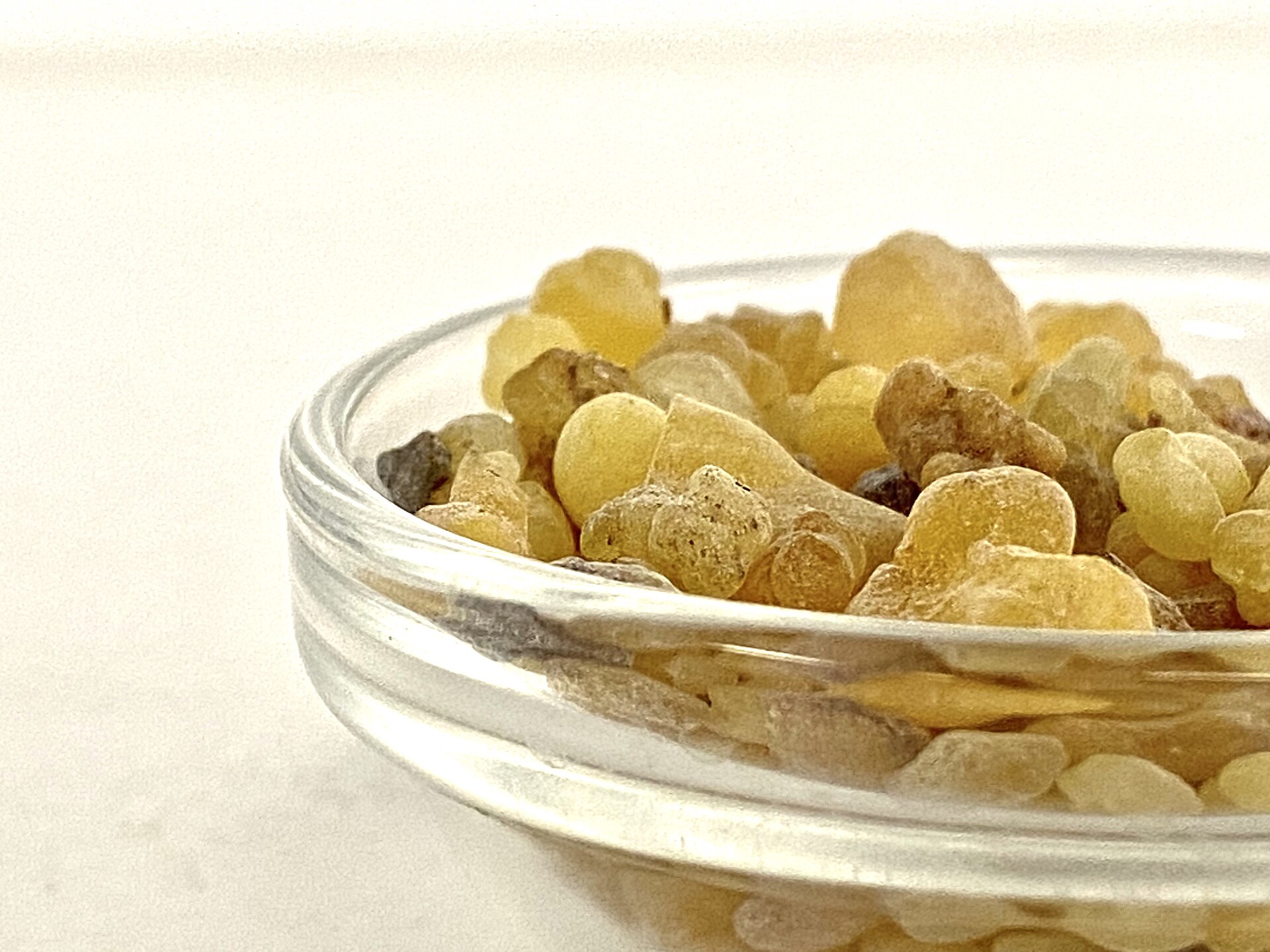
Frankincense
Frankincense
Warm · Dry
Myrrh
Myrrh
Warm · Dry
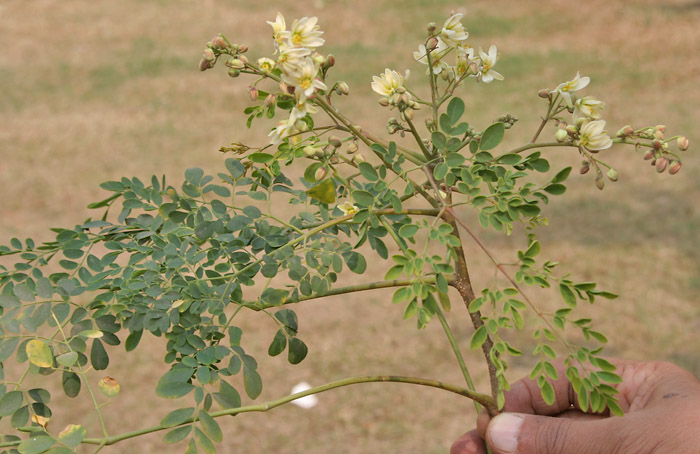
Moringa
Moringa
Warm · Dry
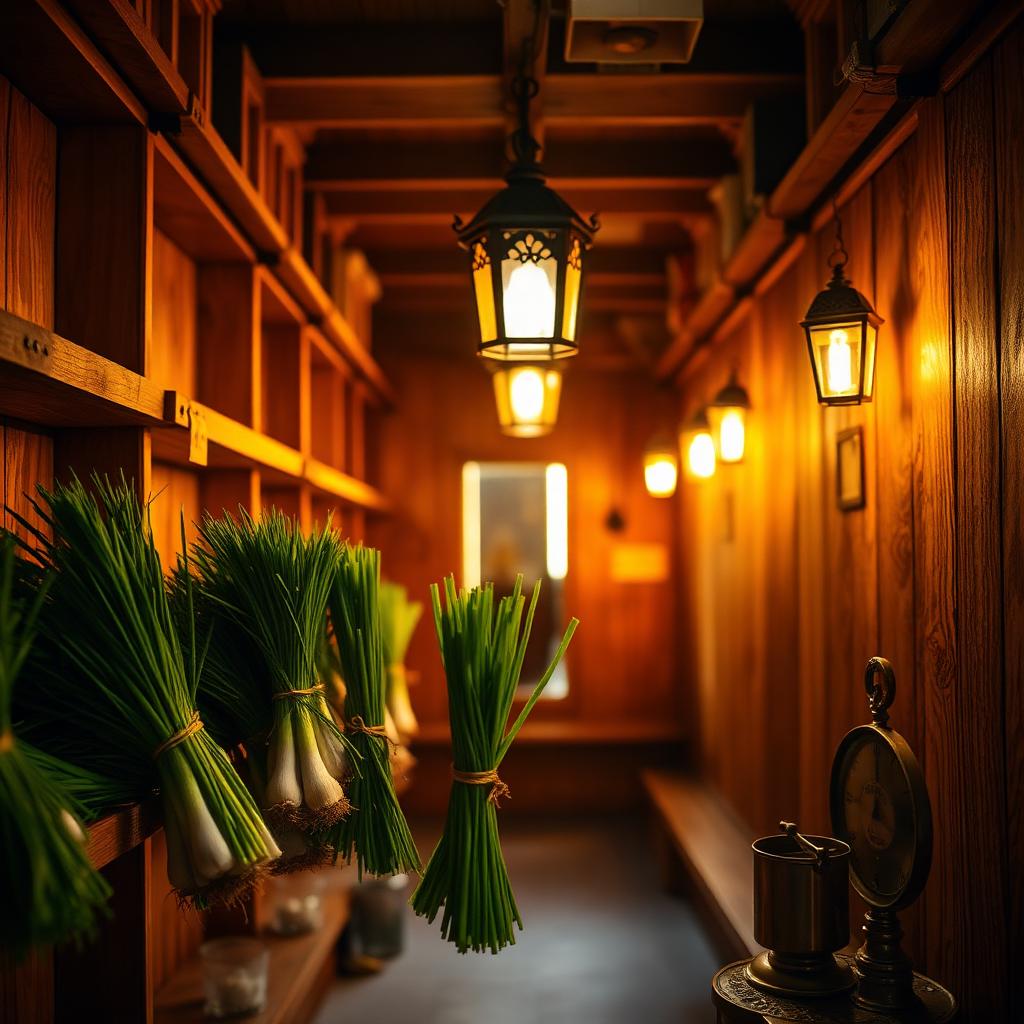
Chives
Chives
Warm · Dry
Traditional Preparation Methods

How Persian remedies are prepared

Each preparation method shapes how an herb's properties are released. These are the classical Persian forms — reusable across hundreds of herbs.

Infusion
Expand

Steeping delicate flowers or leaves in just-boiled water to extract aromatic, water-soluble compounds.

How to prepare

Pour water at ~95°C over 1 tsp dried herb per cup. Cover and steep 5–10 minutes. Strain and drink warm.

Best for
  • Chamomile
  • Borage
  • Mint
  • Lavender
Decoction
Expand

Simmering tough roots, barks, or seeds to extract deeper, mineral-rich constituents.

How to prepare

Add 1 tbsp herb to 2 cups cold water. Bring to a boil, reduce to a low simmer for 15–25 minutes. Strain.

Best for
  • Licorice root
  • Cinnamon bark
  • Fenugreek seed
  • Ginger
Tincture
Expand

Alcohol-based extract that concentrates herbal compounds for long shelf life and small dosing.

How to prepare

Fill a jar one-third with dried herb, top with 40–60% alcohol. Steep 4–6 weeks, shaking daily. Strain and bottle.

Best for
  • Echinacea
  • Milk thistle
  • Holy basil
  • Lemon balm
Poultice
Expand

A warm, moist herbal paste applied directly to the skin to soothe localized issues.

How to prepare

Crush fresh herbs or mix powdered herbs with warm water/oil. Spread on cloth, apply to area for 20–40 minutes.

Best for
  • Joint pain
  • Skin irritations
  • Bruises
  • Muscle aches
Compress
Expand

Cloth soaked in a strong herbal infusion or decoction and laid on the body.

How to prepare

Prepare a strong infusion. Soak a clean cloth, wring lightly, and apply warm or cool to the affected area.

Best for
  • Headaches
  • Eye fatigue
  • Sore muscles
  • Sinus relief
Herbal Bath
Expand

Full-body immersion in herb-infused water for relaxation, circulation, and skin care.

How to prepare

Brew a strong pot of infusion or decoction (1 cup herb to 2 liters water), strain into a warm bath. Soak 20 minutes.

Best for
  • Stress relief
  • Sleep support
  • Muscle tension
  • Skin care
Lotion
Expand

Liquid herbal preparation applied to the skin for hydration and topical effects.

How to prepare

Combine herbal infusion with a small amount of carrier oil and emulsifier. Apply gently to the skin.

Best for
  • Dry skin
  • Minor inflammation
  • Cooling skin care
Eye Drops
Expand

Sterile, gentle herbal water used for eye comfort — must be prepared with strict hygiene and clinical guidance.

How to prepare

Always consult a qualified practitioner. Sterile preparation, isotonic water, and filtered herbal water are essential.

Best for
  • Eye fatigue (under guidance)
  • Mild irritation (under guidance)
Gargle
Expand

Warm herbal liquid swished and gargled to soothe the throat and mouth.

How to prepare

Brew a strong infusion or decoction, cool to warm. Gargle for 30 seconds, 3–4 times daily.

Best for
  • Sore throat
  • Mouth ulcers
  • Gum care
  • Bad breath
Historical Sources

Classical & modern Persian herbal texts

Every entry in the library clearly separates traditional Persian use from modern scientific evidence, with references back to its original source.

In Library

Sad Giāh Hezār Darmān

One Hundred Herbs and a Thousand Remedies
Mo'asseseh-ye Entesharat-e Sekkeh, Tehran, Bazar-e Kashani

A foundational modern Persian herbal reference cataloging traditional uses of medicinal plants alongside everyday remedies.

Planned

Al-Qanun fi al-Tibb

The Canon of Medicine
Avicenna (Ibn Sina)

The 11th-century medical encyclopedia that systematized humoral medicine and the nature (mizaj) of foods and herbs for centuries to come.

Planned

Future Persian Herbal Texts

Additional classical and contemporary Persian herbal references will be added as the library grows.

Ask the AI

Ask Hakim about any herb in this library

The AI Coach references this heritage library alongside modern research — always clearly distinguishing traditional Persian use from current scientific evidence.

Open the AI Coach
›Our philosophy

The Hakim Philosophy

Five quiet principles.

Behind every article, every recommendation, every reminder — the same five commitments.

  1. Principle 1

    Small changes matter.

    One walk after dinner. One glass of water before coffee. Health is not built in leaps but in small, repeated kindnesses to the body.

  2. Principle 2

    Consistency beats intensity.

    A gentle habit kept for ten years shapes a life more than a dramatic month that is never repeated.
  3. Principle 3
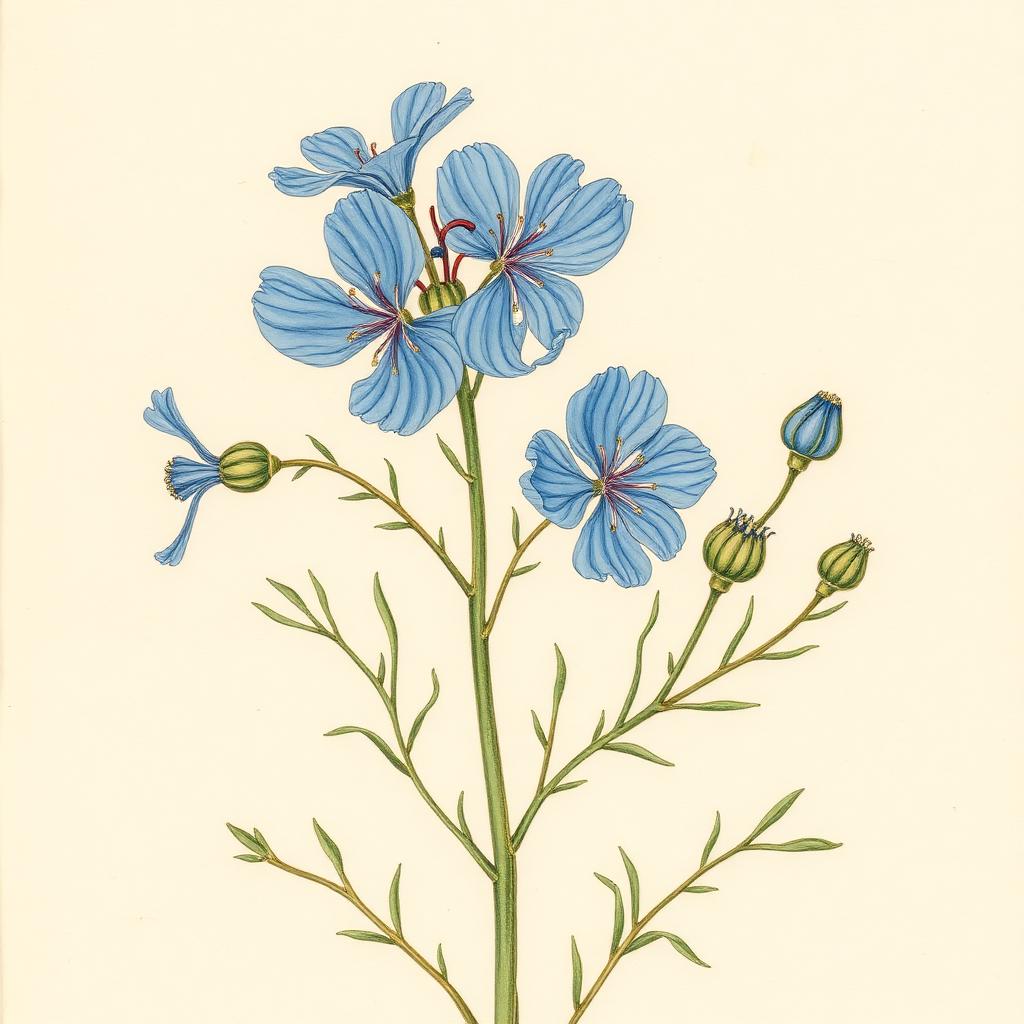
    Tradition deserves respect.

    A thousand years of Persian practice is not folklore — it is careful observation across generations. We listen before we judge.

  4. Principle 4

    Science deserves honesty.

    We share what the evidence supports, what it questions, and what remains uncertain. Confidence without honesty is not confidence at all.

  5. Principle 5

    People deserve compassion.

    No shame, no fear, no urgency. Every reader is met as a whole person, not a diagnosis.

If Hakim says it, it's probably worth reading.

That is the reputation we are building — one honest, careful, compassionate page at a time.