Tarragon
The Essentials
Persian sabzi-khordan staple: fresh sprigs eaten with feta, walnuts, and lavash · Warm and dry: kindles appetite and wakes up sluggish digestion.
Read the whole guide on one page →French cultivar is the aromatic one; Russian tarragon is nearly flavorless.
Estragole content means: enjoy the herb, skip concentrated essential-oil supplements.
What Else to Know
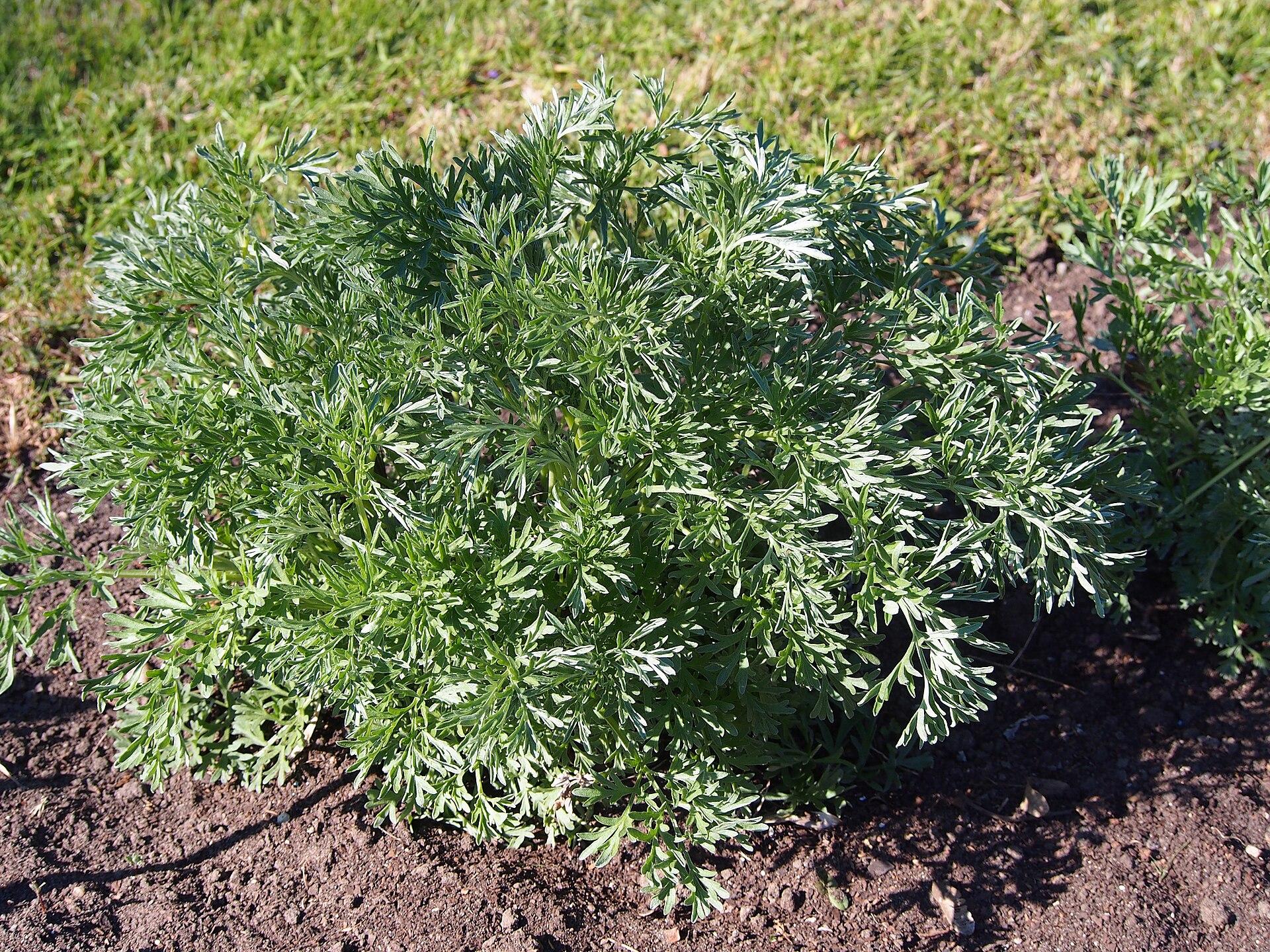
Tarragon — tarkhun — is a favorite in both French and Persian cooking, with a delicate anise-licorice aroma. You'll nearly always find it on the sabzi-khordan herb plate, and Persians also sip its flavor in the iconic tarragon soda.
Known to botanists as Artemisia dracunculus.
Appetite and digestion gently fade with age. Tarragon's anise-licorice aromatics traditionally awaken appetite and ease digestion, and the daily Persian herb plate of tarragon, basil, mint, and walnut is itself a polyphenol-rich, blood-pressure-friendly habit.
Aromatic antioxidant compounds. Freshens breath.