Greater Celandine
The Essentials
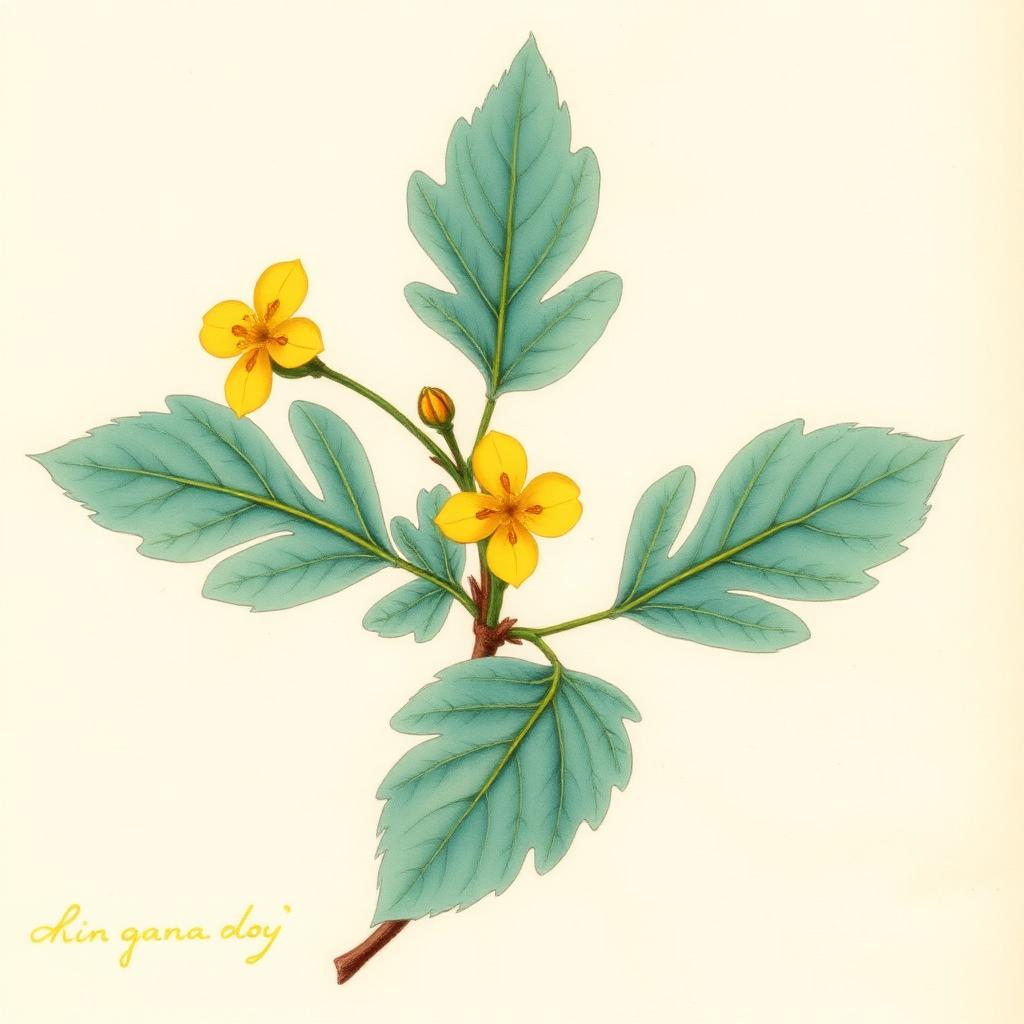
Latex traditionally effective for common warts (lab studies confirm antiviral activity).
Read the whole guide on one page →Alkaloids (strong plant compounds that act on the body even in small amounts) — chelidonine, berberine, sanguinarine — get the bile flowing in animal studies.
Small clinical reports back its germ-fighting action when used on the skin.
Traditionally valued as part of a balanced wellness routine.
What Else to Know
Māmirān-e kabir has appeared in Persian, Greek, and European materia medica for over 2,000 years. People used its bright orange sap on warts and calluses, while small internal doses of the dried herb served as a bitter to stimulate bile flow. Modern hepatotoxicity (liver damage) reports have changed how we approach it. Internal use now belongs strictly under practitioner supervision, though the traditional knowledge and topical (put on the skin) uses remain well documented.
Known to botanists as Chelidonium majus.
Greater celandine is one of the clearest examples in this library of tradition meeting a serious modern safety concern. It has a long, respected history, but cases of liver injury were serious enough for European regulators to restrict it. The history is worth knowing. Taking the herb isn't worth the risk.