Persian sabzi-khordan staple: fresh sprigs eaten with feta, walnuts, and lavash · Warm and dry: kindles appetite and wakes up sluggish digestion.
French cultivar is the aromatic one; Russian tarragon is nearly flavorless.
Estragole content means: enjoy the herb, skip concentrated essential-oil supplements.
What Else to Know
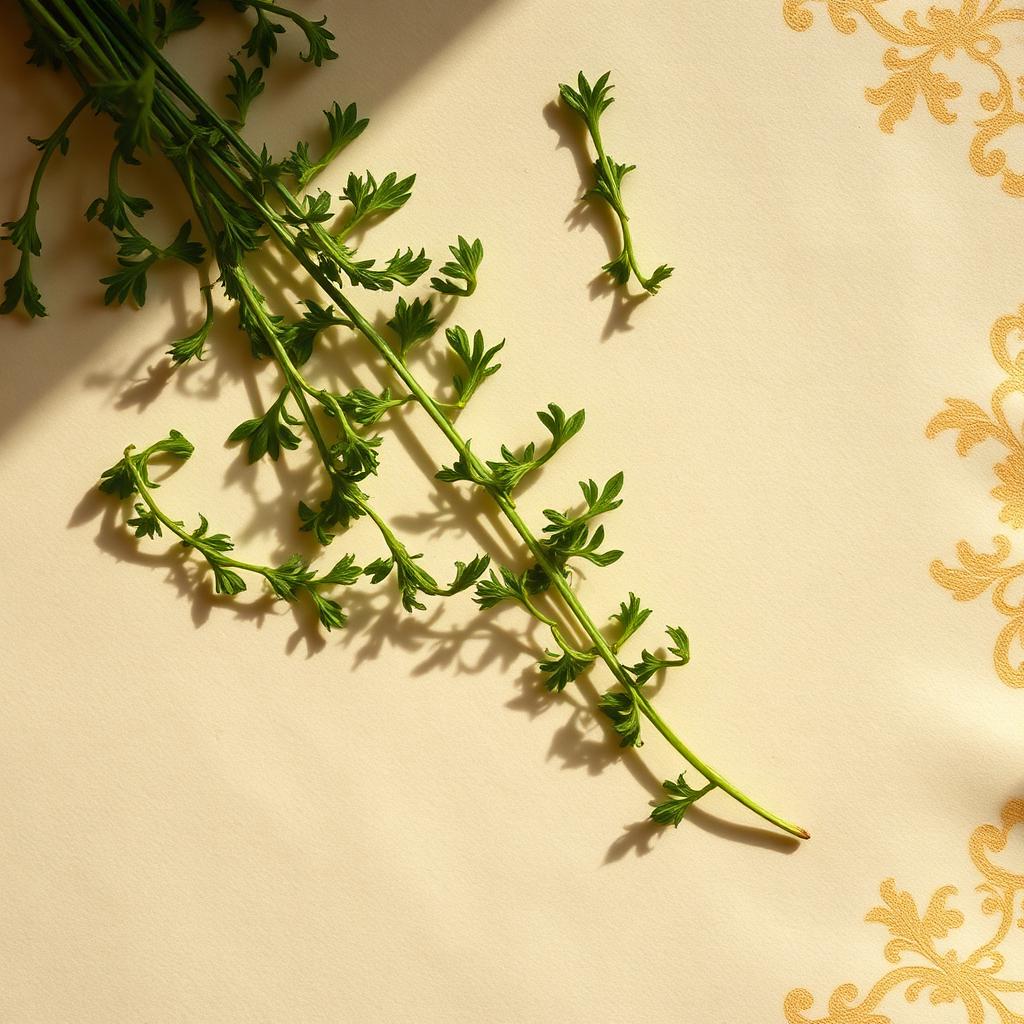
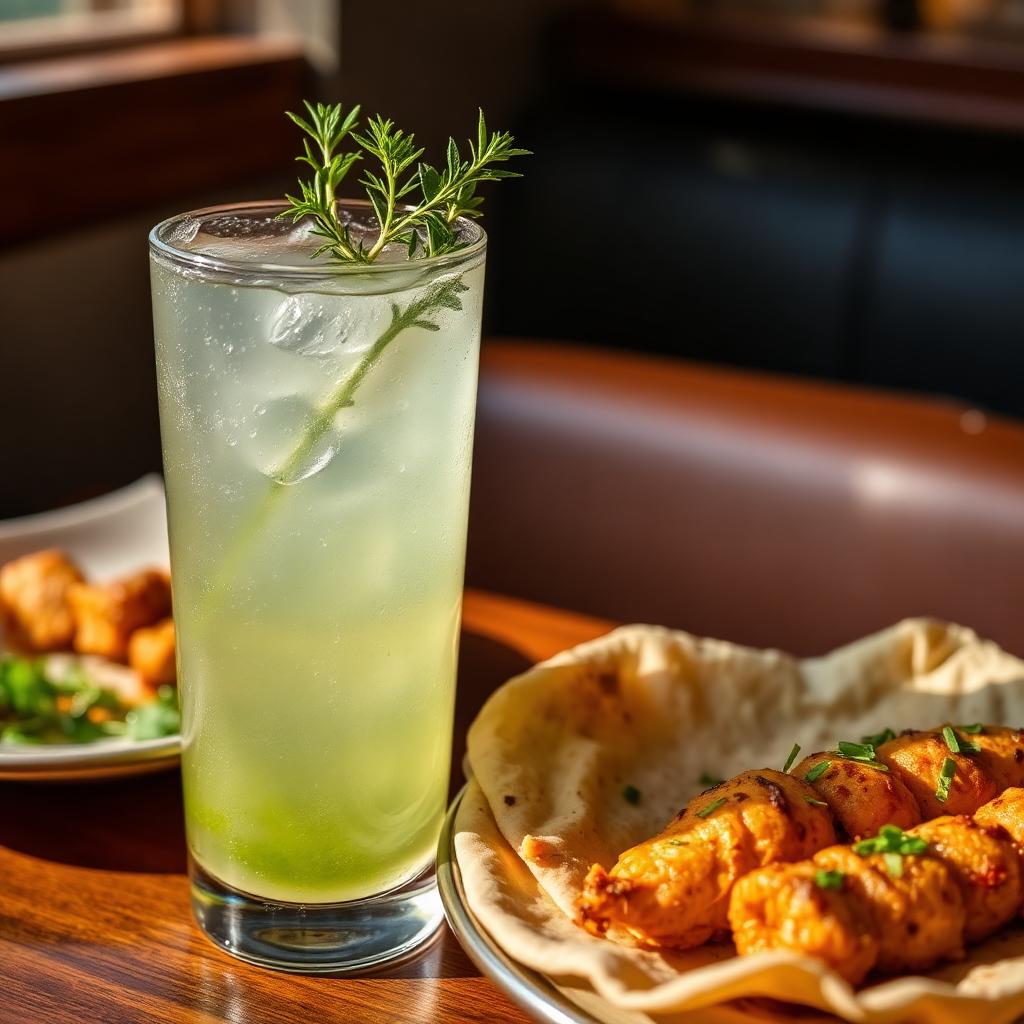
Tarragon — tarkhun — is a favorite in both French and Persian cooking, with a delicate anise-licorice aroma. You'll nearly always find it on the sabzi-khordan herb plate, and Persians also sip its flavor in the iconic tarragon soda.
Known to botanists as Artemisia dracunculus.
Appetite and digestion gently fade with age. Tarragon's anise-licorice aromatics traditionally awaken appetite and ease digestion, and the daily Persian herb plate of tarragon, basil, mint, and walnut is itself a polyphenol-rich, blood-pressure-friendly habit.
Aromatic antioxidant compounds. Freshens breath.
Chapter 2 of 14
The Essentials: Allergy
Tarragon is a slender perennial 60–120 cm tall with narrow lance-shaped glossy green leaves and small inconspicuous yellow-green flower heads (French tarragon rarely sets viable seed). The fresh and dried aerial parts are the culinary and medicinal portions.
Family: Asteraceae (daisy family).
Chapter 3 of 14
What Is In It
Primary compounds
Estragole (methyl chavicol) is the dominant aromatic phenylpropanoid. Anise-like fragrance, mild carminative (traditionally used to settle gas and bloating), and the reason culinary use is preferred over concentrated essential-oil supplements.
Ocimene & β-caryophyllene is supporting terpenes. Anti-inflammatory direction in preclinical work.
Rutin, quercetin (a plant compound found in onions, apples and tea), kaempferol — Asteraceae flavonoid (a family of protective plant compounds) antioxidants.
Coumarins (herniarin, esculetin) — mild sedative (medicines that make you sleepy) and blood-thinning direction at concentrated doses.
Other Constituents
Sesquiterpene lactones: bitter-tonic action on appetite and bile.
Tarragon essential oil (the concentrated aromatic oil of the plant) shows broad antimicrobial (slows the growth of germs) activity in vitro (in laboratory dishes, not in people) against foodborne bacteria and yeasts. Rated: early research.
Estragole raised hepatocarcinogenicity concerns in rodent bioassays at high concentrated doses. Culinary use of the fresh or dried herb is considered acceptable, but concentrated essential-oil supplements should be avoided long-term. Rated: strong evidence.
Aqueous tarragon extract may reduce platelet aggregation and prolong bleeding time at concentrated doses in animal studies. Culinary amounts aren't the issue. Rated: early research.
Chapter 5 of 14
What Studies in People Show
What studies in people show
Artemisia dracunculus (Russian tarragon) extract may modestly improve insulin sensitivity and lower fasting glucose in adults with prediabetes / metabolic syndrome (a group of problems including high blood sugar, blood pressure and waist size) over 8–12 weeks.Emerging evidence
Chapter 6 of 14
How It Is Prepared
Fresh sprigs on the sabzi-khordan plate with cheese and bread.
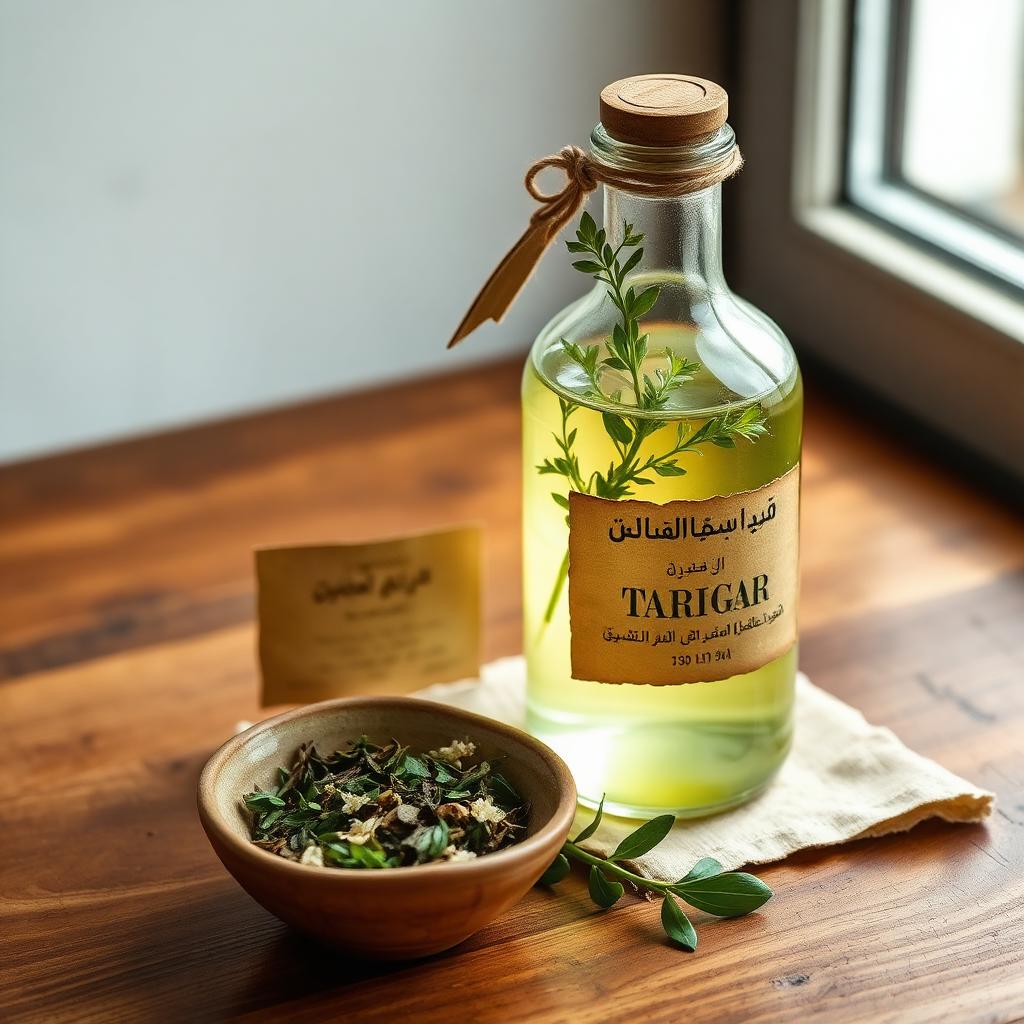
Damkardeh: 1 tsp dried leaves per cup, covered 8 min, after meals · Tarragon vinegar: sprigs steeped in white wine vinegar 2 weeks.
In the kitchen: doogh-e ārā: yogurt + carbonated water + dried tarragon + salt and tuck sprigs into kebab marinades.
Brew dried leaves as digestive tea.
Chapter 7 of 14
Medicines and Interactions
Medication interaction:
Anticoagulants (warfarin, DOACs) & antiplatelets (aspirin, clopidogrel) — Coumarin content and antiplatelet activity at concentrated tarragon doses may add to bleeding risk — culinary is fine; skip therapeutic tinctures (a liquid extract made with alcohol)/EO before surgery and alongside anticoagulation. (moderate concern)
Medication interaction:
Diabetes medications — PMI-5011 A. dracunculus extract may add to glucose-lowering — monitor glucose when adding a therapeutic daily habit on top of hypoglycaemic drugs. (low concern)
Medication interaction:
CYP-metabolised drugs (estragole substrate overlap) — Concentrated tarragon essential oil interacts with CYP1A2/CYP2A6 in preclinical work — avoid alongside narrow-therapeutic-index CYP substrates. (low concern)
Chapter 8 of 14
Who Should Be Careful
Pregnancy and breastfeeding:
Avoid medicinal doses in pregnancy.
General caution:
Estragole — use culinary amounts, not extracts.
Pregnancy and breastfeeding:
Pregnancy — culinary use is fine, but skip strong tea, vinegar tonics, and concentrated extracts.
Allergy:
Asteraceae (daisy family) allergy — cross-reacts with ragweed.
General caution:
Avoid concentrated tarragon essential oil internally — high estragole content.
Chapter 9 of 14
Pregnancy, Children and Older Adults
Pregnancy and breastfeeding
Pregnancy and breastfeeding:
Culinary tarragon on the sabzi khordan plate, in marinades, and in cooked dishes is safe and traditional throughout pregnancy. Avoid strong daily tarragon tea, tarragon-vinegar tonics, and any concentrated essential-oil supplement — limited pregnancy data and estragole concern.
Children
Children:
Fresh tarragon in family food from weaning; weak damkardeh (1 pinch per cup) occasionally from around age 4; never concentrated essential oil; skip tarragon-vinegar tonics under 12.
Older adults
Medication interaction:
Tarragon on the sabzi khordan plate before kebab, a sirkeh-ye tarkhun teaspoon before rich dinners, or a small damkardeh after a heavy meal is one of the classical Persian bitter-aromatic habits for the sixth and seventh decade — appetite, slow digestion, and post-meal fullness. Review anticoagulant (blood-thinning medicines) lane before adding a therapeutic daily habit.
Chapter 10 of 14
What Persian Medicine Says
Persian temperament: Warm & Dry (2nd degree). Ibn Sīnā and Aghili Khorasani (Makhzan al-Adwiya) read tarkhun as warm and dry in the 2nd degree — mufattih al-shahiya (opener of appetite), muhaddi' al-a'sāb (calmer of nerves), and gentle carminative (traditionally used to settle gas and bloating) for slow, cold digestion. Traditionally paired with heavy protein meals (kebab, joojeh) as a corrective aromatic.
It was used: poor appetite and slow digestion. Mild nervous tension and restless sleep. Hiccups and gastric spasm (traditional remedy).
Tarragon flavors the green soda Doogh-e Ārā and belongs on the Persian herb plate beside cheese and bread.
Chapter 11 of 14
Traditional Formulas
Marinade-ye joojeh: chopped tarragon stirred into yogurt, garlic, lemon, and saffron for Persian chicken kebab.
Sirkeh-ye tarkhun: tarragon-infused vinegar — a daily teaspoon before heavy meals to wake digestion.
Chapter 12 of 14
Questions People Ask
What is estragole and should I worry?
Estragole is a natural compound in tarragon and basil. Very concentrated doses raised concerns in animal studies. Eating the fresh or dried herb in normal food amounts is considered safe. Skip concentrated essential oil and extracts long-term.
Why is tarragon in Persian soda?
Doogh-e Ārā uses tarragon's bright anise note to lift a sweet, fizzy drink — a Persian summer favorite that doubles as a digestive aperitif.
Chapter 13 of 14
Sources
Sad Giah Hezar Darman (صد گیاه و هزار درمان) — One Hundred Plants and One Thousand Remedies — Dr. Hossein Erfani, 4th edition (1375 / 1996–1997). Primary traditional Persian herbal reference cited throughout this platform. Presented as traditional knowledge, not as modern medical proof.
Office of Dietary Supplements: fact Sheets — US National Institutes of Health (NIH). https://ods.od.nih.gov/factsheets/list-all/.
Herbal Database: memorial Sloan Kettering Cancer Center. https://www.mskcc.org/cancer-care/diagnosis-treatment/symptom-management/integrative-medicine/herbs.
Herbs at a Glance: uS NIH National Center for Complementary and Integrative Health (NCCIH). https://www.nccih.nih.gov/health/herbsataglance.
FoodData Central: searchable nutrient database — US Department of Agriculture (USDA). https://fdc.nal.usda.gov/.
Chapter 14 of 14
Sources (continued)
The Nutrition Source: harvard T.H. Chan School of Public Health. https://www.hsph.harvard.edu/nutritionsource/.
PubMed — peer-reviewed biomedical literature — US National Library of Medicine. https://pubmed.ncbi.nlm.nih.gov/