Silymarin — a complex of flavonolignans (silybin A/B, silychristin, silydianin, isosilybin) — is the active fraction. The whole crushed seed contains 1.5–3% silymarin.
The best clinical evidence is for non-alcoholic fatty liver disease (NAFLD) — pooled trials show modest reductions in the liver enzymes ALT and AST.
What Else to Know
The seed tea is weak — only a little of the silymarin dissolves into hot water and gets absorbed. Standardised extracts (70–80% silymarin) are the therapeutic form.
It isn't an antidote to alcohol, acetaminophen overdose (except in specific clinical settings), or acute hepatotoxicity — it's a gentle chronic tonic.
Well tolerated across decades of use. The main caution is ragweed / Asteraceae family allergy and modest interaction with a few CYP-metabolised drugs.
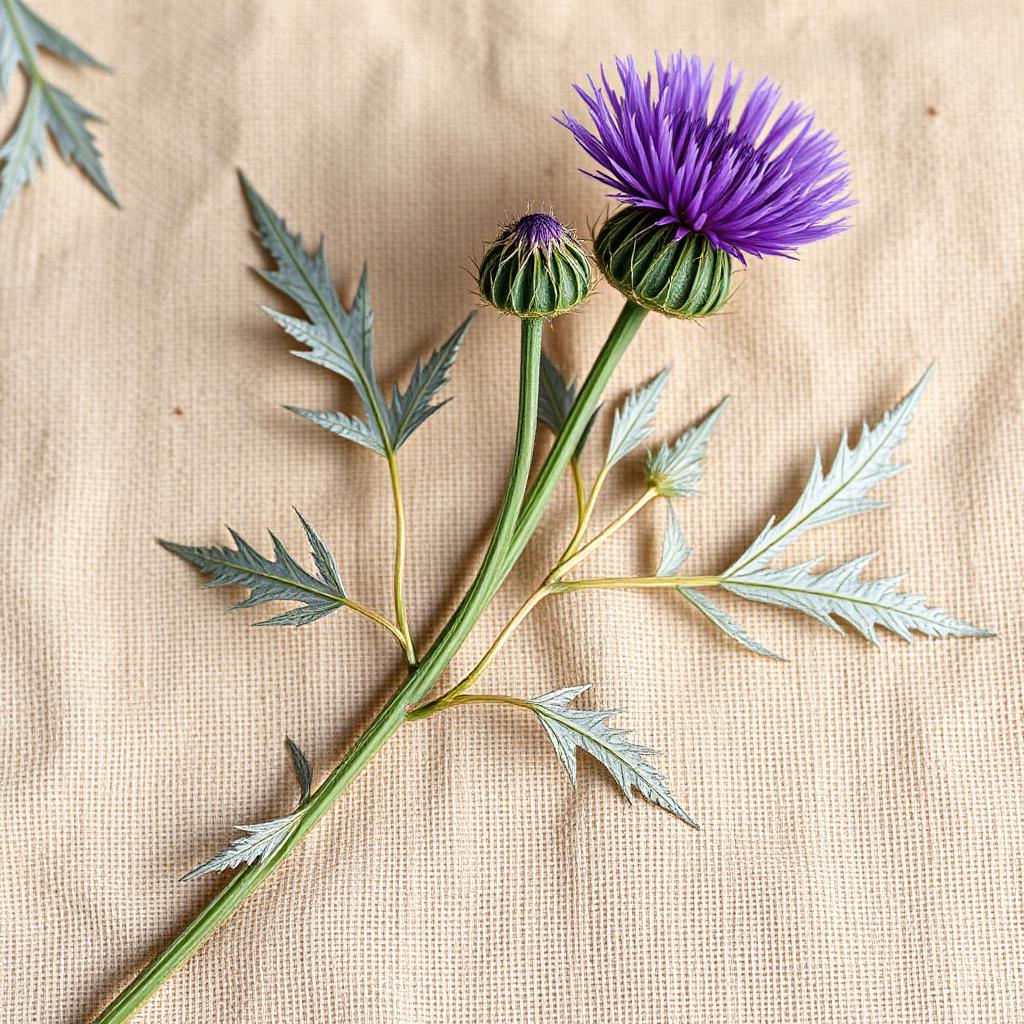
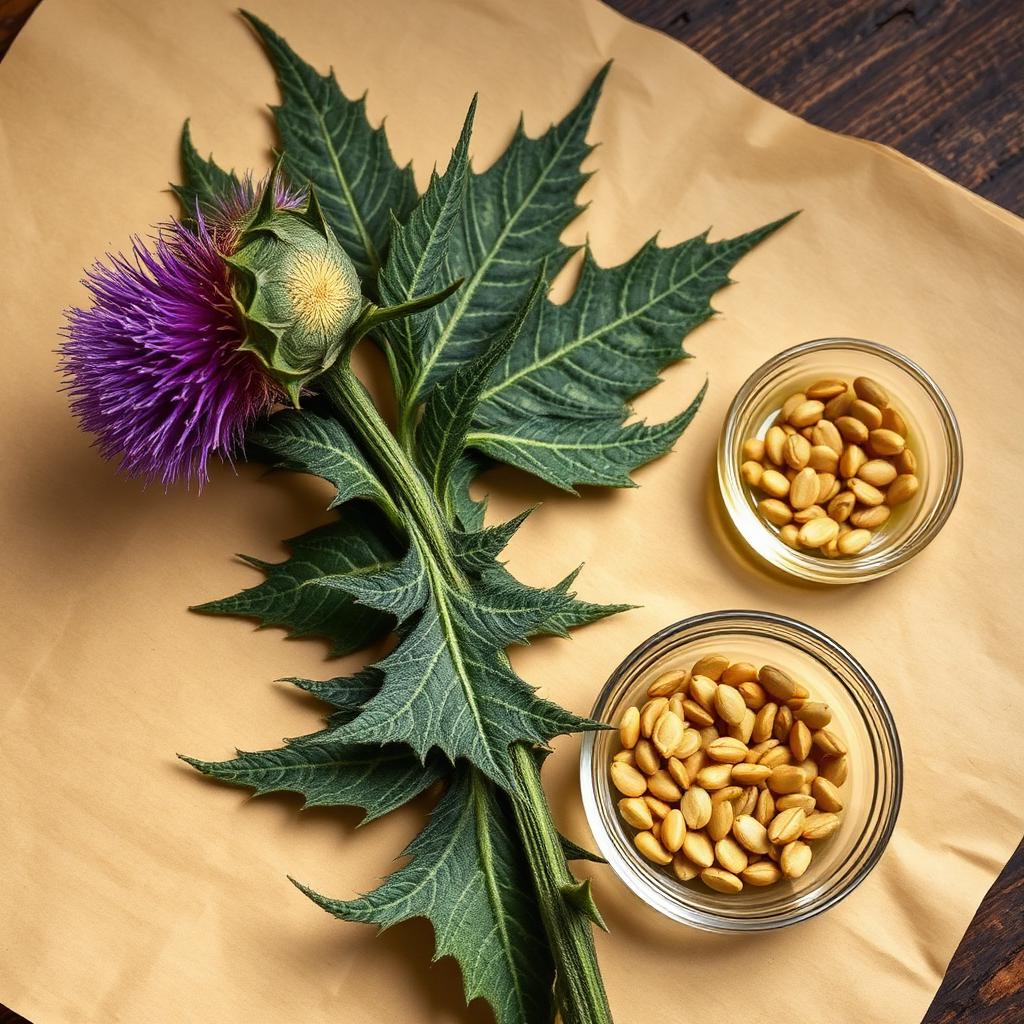
You may know milk thistle (Silybum marianum) by its purple flowers and silver-veined leaves. The useful part is the seed, which contains silymarin, a complex of flavonolignans long used in Western herbalism for liver support and protection.
Chapter 2 of 13
Why Herbalists Still Reach for It
Non-alcoholic fatty liver disease now affects roughly a third of adults worldwide. It can quietly raise heart and blood vessel risk, insulin resistance (when the body stops responding well to its own insulin), and post-menopausal metabolic drift. Milk thistle is one of the few herbal tonics with a coherent trial record for that exact condition — modest, real, and part of a two-thousand-year Mediterranean and Persian habit.
Your liver quietly helps manage cholesterol, glucose, and hormone clearance across the fifth and sixth decade. A modest standardised silymarin course, or crushed seed folded into morning yogurt, offers a practical way to support hepatic reserve through the years when fatty-liver prevalence rises.
May help recovery from environmental and dietary stress on the liver.
Chapter 3 of 13
What Is In It
Primary compounds
Silymarin complex: silybin A & B (the dominant flavonolignan, most-studied fraction), silychristin, silydianin, isosilybin — antioxidant, membrane-stabilising, anti-fibrotic on hepatic stellate cells.
Silybin is the single most-studied flavonolignan. Blocks toxin uptake into hepatocytes and stimulates ribosomal RNA polymerase (regenerative signal).
Fatty oil (20–30%) — linoleic and oleic acids in the seed.
Betaine and tocopherols are supporting antioxidant load.
Other notable constituents
Notable: Bitter seed compounds
Chapter 4 of 13
What Studies in People Show
What studies in people show
Silymarin significantly reduced ALT and AST in non-alcoholic fatty liver disease vs placebo across 8 randomised trials (n=587).Moderate evidence
Silymarin lowered fasting glucose and HbA1c (a blood test showing average blood sugar over about three months) in type 2 diabetes vs placebo across 5 RCTs.Moderate evidence
Silymarin reduced hepatic steatosis (imaging and histology) in NAFLD/NASH trials with a good safety profile.Moderate evidence
European Medicines Agency HMPC accepts well-established use of silymarin extracts as supportive therapy in chronic inflammatory liver disease and cirrhosis, and traditional use for digestive complaints.Moderate evidence
Intravenous silibinin (Legalon SIL) is a recognised specific therapy for Amanita phalloides poisoning (hospital-only use).Moderate evidence
Chapter 5 of 13
How It Is Prepared
Cold-pressed silybum oil: culinary drizzle over salad or greens · Powder: ½ tsp ground seed folded into yogurt, ash, or honey once daily.
Use in small culinary amounts first, then personalize to taste and tolerance.
Capsules and standardised extracts carry many times the amount you get from food, which is why the cautions below matter more here.
Standardised extract: 200–400 mg/day silymarin (70–80% standardisation), split into 2–3 doses with food, is the form used in every major RCT.
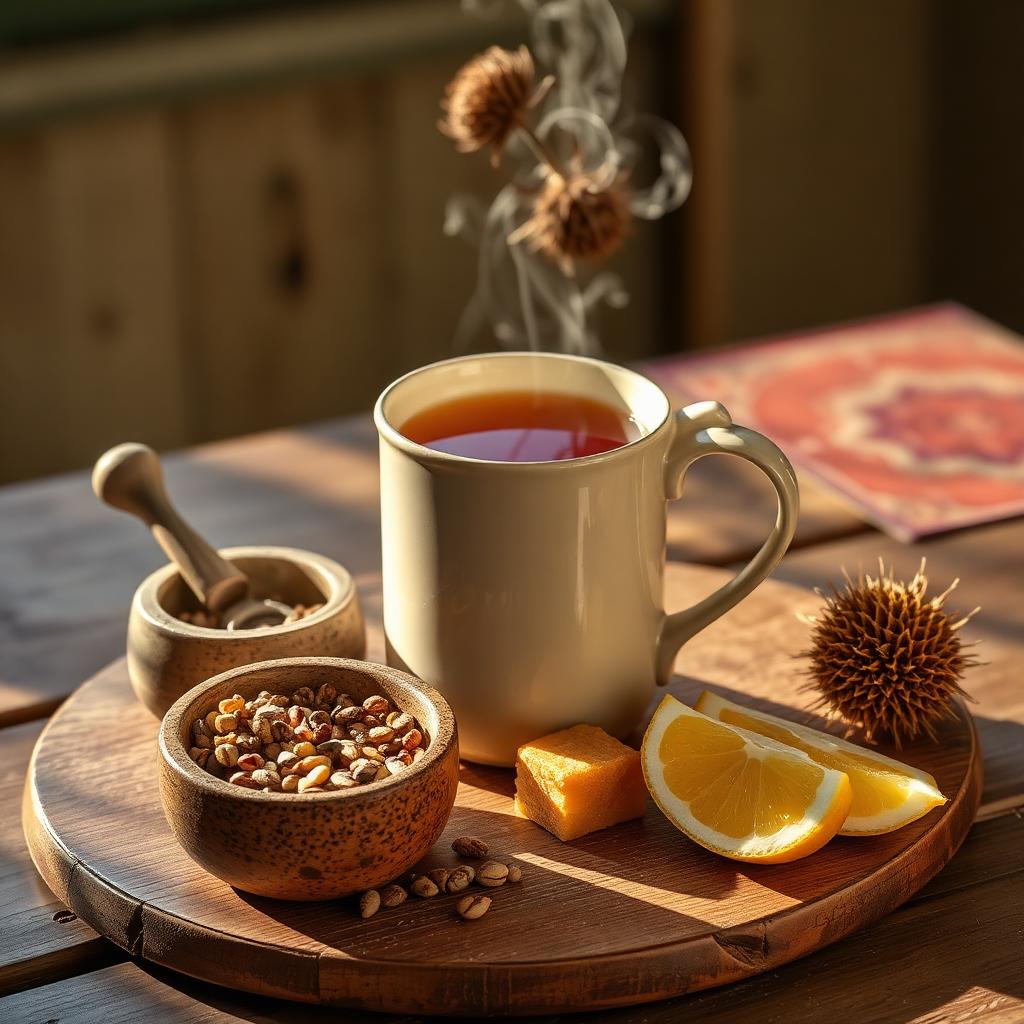
Crushed-seed decoction (a drink made by simmering the plant in water): 1 tsp freshly crushed seed per cup, simmered gently 10–15 min (weaker than a modern extract).
Tea is weak — supplements are preferred for therapeutic effect.
Chapter 6 of 13
Medicines and Interactions
Medication interaction:
Warfarin (a blood-thinning medicine) & other CYP2C9 substrates — Silybin modestly inhibits CYP2C9 in vitro (in laboratory dishes, not in people) and in some human PK studies; INR (the blood test that shows how fast your blood clots) monitoring is prudent when starting or stopping standardised silymarin on warfarin. (moderate concern)
Medication interaction:
Statins (simvastatin, atorvastatin) — Silymarin can modestly raise plasma levels via CYP3A4 (a liver enzyme that breaks down many medicines) / OATP1B1 inhibition; watch for new muscle symptoms. (low concern)
Medication interaction:
Diabetes medication (metformin, sulfonylureas, insulin) — Silymarin has a modest glucose-lowering effect in type 2 diabetes RCTs — additive with hypoglycaemic drugs; monitor glucose when adding. (low concern)
Chapter 7 of 13
Medicines and Interactions: More Interactions to Know
Medication interaction:
Oral contraceptives / hormone therapy — In vitro CYP3A4 (a liver enzyme that breaks down many medicines) signal; clinical PK data show minimal real-world effect on hormonal contraceptives at standard 420 mg/day silymarin doses — reasonable clinician discussion at higher doses. (low concern)
Medication interaction:
Sirolimus / tacrolimus / cyclosporine — Solid-organ transplant patients should not add silymarin without transplant-team involvement — narrow therapeutic index and possible CYP3A4 (a liver enzyme that breaks down many medicines) modulation. (moderate concern)
Chapter 8 of 13
Who Should Be Careful
General caution:
Generally well tolerated; rare mild GI upset.
Allergy:
Allergy possible in people sensitive to ragweed family.
Allergy:
Known allergy to plants of the Asteraceae / Compositae family (ragweed, chrysanthemum, marigold, daisy) — cross-reactivity common.
General caution:
Active biliary obstruction — the choleretic action can worsen pain (bile duct stone, symptomatic gallstones needing surgical evaluation).
Pregnancy and breastfeeding:
Pregnancy — insufficient safety data for standardised extract use; culinary seed use appears safe but concentrated extract is reserved for the non-pregnant window.
General caution:
Hormone-sensitive cancers with a treating oncologist who has requested no herbal additions.
Chapter 9 of 13
Pregnancy, Children and Older Adults
General
Children:
Children under 12 — not enough safety data for standardised extracts; culinary seed in family food is fine.
Pregnancy and breastfeeding
Pregnancy and breastfeeding:
Insufficient trial data for standardised silymarin extracts in pregnancy; culinary crushed-seed use in yogurt or salad appears safe based on long dietary history but the concentrated 200–400 mg/day extract is reserved for after birth and after breastfeeding unless specifically directed by a clinician for cholestasis of pregnancy (where small trials exist but should be clinician-led).
Children
Children:
Culinary seed folded into yogurt or salad is safe from around age 4. Standardised silymarin extracts aren't routinely used under age 12; paediatric hepatology cases (e.g. Amanita mushroom poisoning) use hospital-grade IV silibinin under specialist care only.
Older adults
Medication interaction:
Non-alcoholic fatty liver disease rises through the sixth and seventh decade alongside insulin resistance and post-menopausal metabolic drift. A standardised 200–400 mg/day silymarin course, or a small daily habit of crushed seed in morning yogurt, sits well in the older Persian kitchen. Review CYP-metabolised medications with the prescribing clinician before starting.
Chapter 10 of 13
What Persian Medicine Says
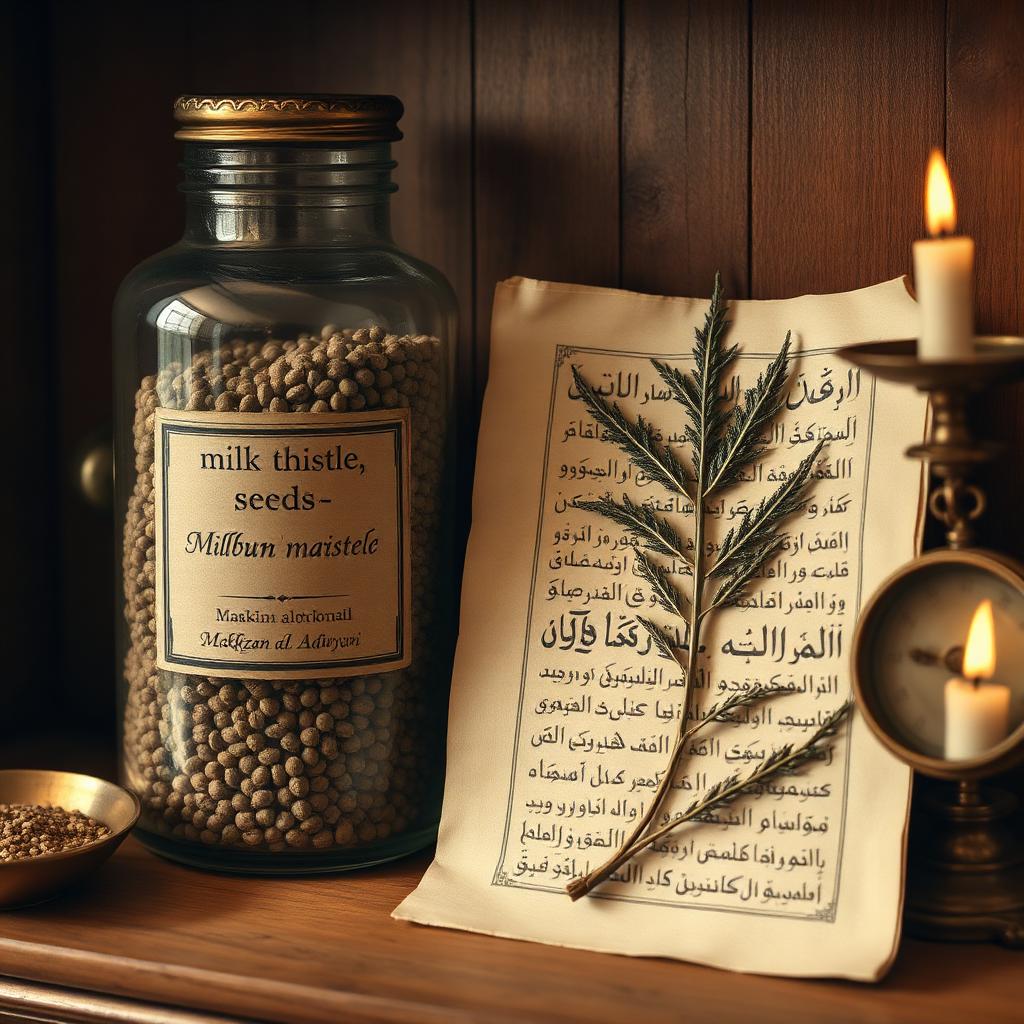
Persian temperament: Warm & Dry (1st degree). Aghili Khorasani and Ibn Sīnā describe khar-maryam as warm and dry, 1st degree — muḥallil (dispersive), mufattiḥ sudad al-kabid (opener of liver obstruction), and gentle mover of stalled yellow bile. Balances a heavy hot-and-damp liver constitution weighted with rich food and sedentary heat.
In the Household
European and Middle Eastern herbalists read milk thistle seed as a cooling bitter, and give it in the pattern of dietary excess: rich food, heavy drinking, the sluggish, sour, heavy-headed weeks that follow a season of feasting.
Because the tradition understands the liver as slow to change, it's taken as a steady daily course over weeks rather than a single strong dose, and the seed is ground fresh so the bitterness reaches the tongue, which is considered part of the action. It suits hot, congested constitutions best and is regarded as unusually gentle.
Chapter 11 of 13
What Persian Medicine Says: Older Uses
Liver support after rich or fatty meals (classical mufattih sudad-e kabed).
It was used: companion to bitter greens (kasni / chicory) in spring liver tonics and traditionally valued as part of a balanced wellness routine.
The white-veined leaves inspired its name and long association with nourishment, protection, and renewal.
Is milk thistle a hangover cure?
It doesn't prevent intoxication and isn't an emergency liver fix. Evidence supports gradual liver-support use.
Chapter 12 of 13
Sources
Milk Thistle: nCCIH — US NIH National Center for Complementary and Integrative Health. https://www.nccih.nih.gov/health/milk-thistle.
Sad Giah Hezar Darman (صد گیاه و هزار درمان) — One Hundred Plants and One Thousand Remedies — Dr. Hossein Erfani, 4th edition (1375 / 1996–1997). Primary traditional Persian herbal reference cited throughout this platform. Presented as traditional knowledge, not as modern medical proof.
Office of Dietary Supplements: fact Sheets — US National Institutes of Health (NIH). https://ods.od.nih.gov/factsheets/list-all/.
Herbal Database: memorial Sloan Kettering Cancer Center. https://www.mskcc.org/cancer-care/diagnosis-treatment/symptom-management/integrative-medicine/herbs.
Herbs at a Glance: uS NIH National Center for Complementary and Integrative Health (NCCIH). https://www.nccih.nih.gov/health/herbsataglance.
Chapter 13 of 13
Sources (continued)
FoodData Central: searchable nutrient database — US Department of Agriculture (USDA). https://fdc.nal.usda.gov/.
The Nutrition Source: harvard T.H. Chan School of Public Health. https://www.hsph.harvard.edu/nutritionsource/.
PubMed — peer-reviewed biomedical literature — US National Library of Medicine. https://pubmed.ncbi.nlm.nih.gov/