The classical demulcent (coats and soothes irritated tissue) is a raw scratchy throat and an irritated gastric lining calmed by the same soft root gel.
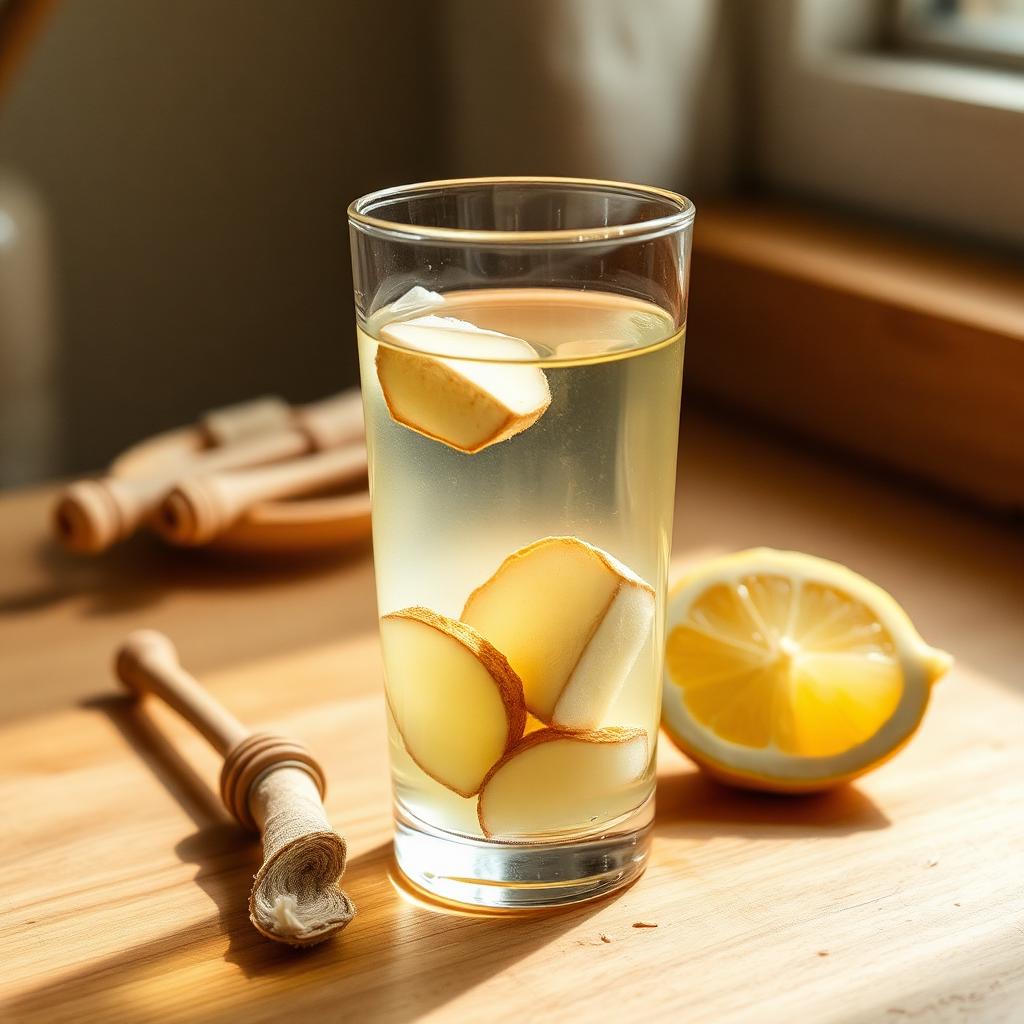
Cool-water maceration (soaked to draw out the flavour), never a hot infusion (a drink made by steeping the plant in hot water), preserves the mucilage — the gel is the medicine.
Space by 30–60 min from oral medications — the mucilage (a soft, slippery plant gel) can slow absorption.
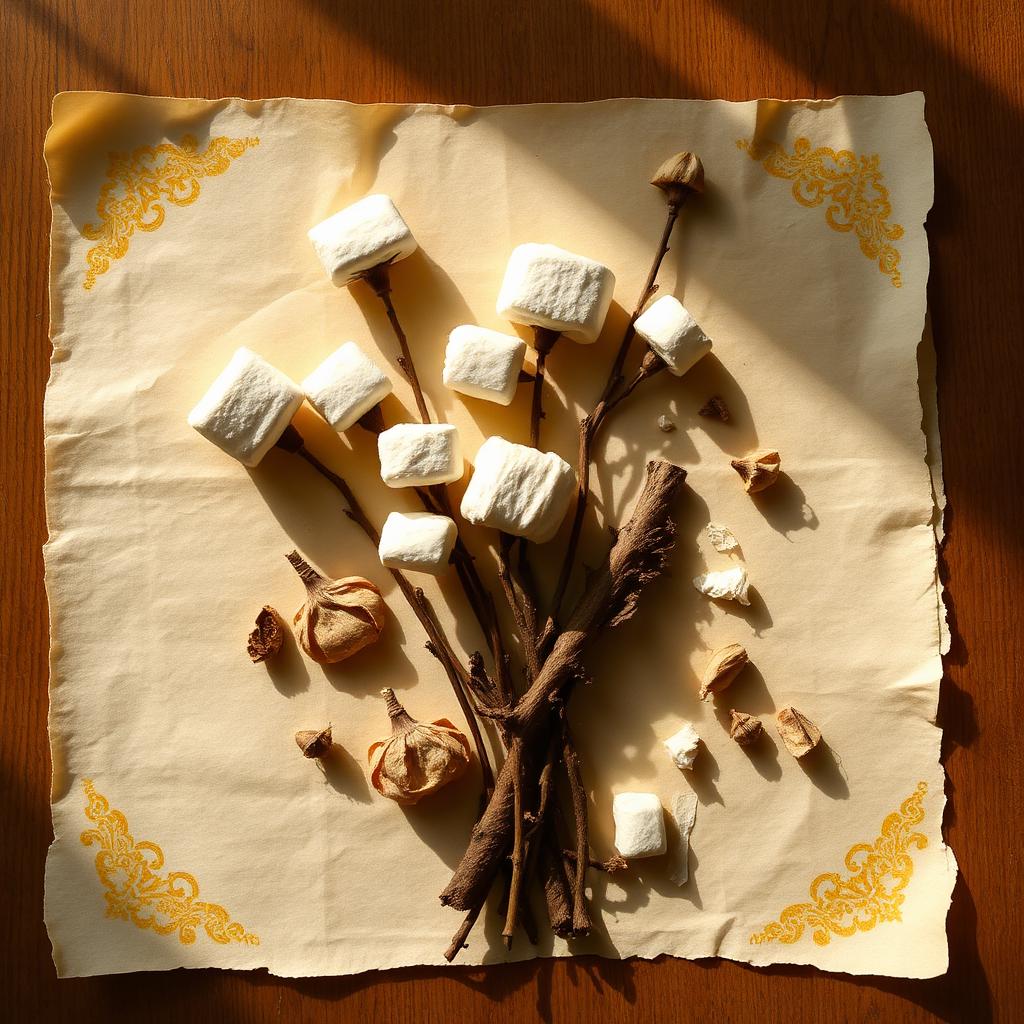
Different plant from the modern confectionery marshmallow — the sweet has no medicinal root in it.
Chapter 2 of 14
Marshmallow: What It Is and Which Part Is Used
Marshmallow — khatmi in Persian, guimauve in French — is one of medicine's oldest soothing roots. Leave the pale peeled root in cool water and it swells into a soft gel. That gel coats and calms irritated mucous membranes — throat, oesophagus, stomach, and lower urinary tract.
What It Is and Which Part Is Used: A Little More Background
It was used: known to botanists as Althaea officinalis and calms irritated gastric lining.
Supports urinary-tract comfort.
Gently laxative for dry constipation.
A tall soft-hairy perennial 1–2 m high with velvety grey-green three-to-five-lobed leaves, pale pink five-petalled flowers, and thick fleshy pale white-tan roots. Both the peeled dried root and the dried flowers/leaves are used medicinally. The root is exceptionally mucilage-rich.
Family: Malvaceae (mallow family).
Chapter 3 of 14
What Is In It
Mucilage (a soft, slippery plant gel) polysaccharides (arabinogalactans, rhamnogalacturonans) — up to ~25% of dried root. The soothing demulcent (coats and soothes irritated tissue) gel that coats mucous membranes.
Pectin: additional soft demulcent (coats and soothes irritated tissue) fraction and gentle prebiotic (fibre that feeds the helpful bacteria in your gut) fibre.
Other Constituents
Asparagine: nitrogen-storage amino acid contributing to the root's soft mineral profile.
Flavonoids (kaempferol, quercetin glycosides, tiliroside) — antioxidant fraction of the flowers and leaves.
Marshmallow root extract shows bioadhesive demulcent (coats and soothes irritated tissue) action on inflamed pharyngeal and gastric mucosa in vitro — the pharmacological basis for the traditional cough and reflux (stomach acid rising into the throat) cup. Rated: early research.
Chapter 5 of 14
What Studies in People Show
Strong evidence
Althaea officinalis root extract soothes dry irritating cough and pharyngeal irritation — recognised in the EMA Community Herbal Monograph as a traditional-use herbal medicinal product for cough and mild oral/pharyngeal inflammation.Strong evidence
Moderate evidence
Mucilaginous herbs including Althaea can reduce or delay the absorption of concurrently taken oral drugs — clinical guidance recommends spacing by 30–60 minutes.Moderate evidence
Early research
A small open observational (based on watching what people already do) study of a marshmallow-root cough syrup found rapid improvement in dry-cough symptom scores over 3–5 days.Emerging evidence
Chapter 6 of 14
How It Is Prepared
Cold macerate: 1 Tbsp cut root in 1 cup cool water 4–8 hours, strain and sip.
Flower/leaf infusion (a drink made by steeping the plant in hot water): 1 tsp dried flowers 5 min for lighter throat tea.
Children's honey syrup: cold macerate + honey (only over age 1) for dry cough.
Root chew is a peeled root stick chewed by teething older babies (paediatric guidance for infants).
Chapter 7 of 14
Medicines and Interactions
Medication interaction:
All oral prescription medications — Mucilage (a soft, slippery plant gel) can form a soft coating on the gut lining and reduce or delay absorption. Space marshmallow root by at least 30–60 minutes from any oral medication. (moderate concern)
Medication interaction:
Oral diabetes medications & insulin — The soluble-fibre load may modestly blunt the post-meal glucose curve; monitor when adding a therapeutic daily habit on top of hypoglycaemic therapy, and prefer cold macerate over syrupy preparations to avoid added sugar. (low concern)
General caution:
Lithium — Mild diuretic (makes you pass more urine) direction from flower and leaf infusions — space and monitor under prescribing clinician oversight. (low concern)
Chapter 8 of 14
Pregnancy, Children and Older Adults
Pregnancy and breastfeeding
Pregnancy and breastfeeding:
Marshmallow root cold macerate and the flower cup are among the safest traditional demulcents through pregnancy — a raw throat, dry cough, and reflux comfort. No known teratogenicity; keep therapeutic use time-limited and space by 30–60 min from prenatal vitamins to preserve absorption.
Children
Children:
One of the safest paediatric cough demulcents — half-strength cold macerate sweetened with honey (only over age 1) for dry night cough from around age 2. A peeled root stick has been chewed by teething older babies for centuries; consult a paediatrician before giving to infants and never give whole small pieces that could pose a choking risk.
Older adults
Medication interaction:
A gentle first-line comfort for the sixth and seventh decade — dry cough on ACE-inhibitor therapy (adjunct only, don't stop the drug without prescriber input), reflux-related throat irritation, and dry constipation. Space by 30–60 min from oral medications to preserve absorption of prescription drugs.
Allergy:
Malvaceae allergy.
Older adults:
Impaction-type constipation — a demulcent (coats and soothes irritated tissue), not a rescue laxative.
Chapter 9 of 14
What Persian Medicine Says
Persian temperament: Cool & Moist (1st degree — root cooler and moister than flower). Ibn Sīnā (Canon, Book II) and Aghili Khorasani (Makhzan al-Adwiya) class khatmi as cool and moist in the 1st degree — a mulattif (softener), mulaiin (gentle laxative), and mudirr al-bawl (mild diuretic). The classical Persian household demulcent (coats and soothes irritated tissue) for a raw throat, a dry irritating cough, and a hot inflamed gut. Paired with honey for children and with rosewater for adults.
In the Household
Persian medicine reads marshmallow root as cool and moist. It reaches for the root wherever a surface feels hot, raw, and dry: a scraped throat, a burning stomach, a dry irritable cough, or a stinging urinary tract. The mucilage is the medicine, so the preparation matters — the root sits in cold water for hours rather than being boiled, because heat destroys the very slipperiness that coats and soothes.
Chapter 10 of 14
What Persian Medicine Says: Older Uses
It's considered gentle enough for children and elders, with one practical caution: taken alongside medicines, it can slow their absorption, so doses are spaced apart.
It was used: sore, raw throat and hoarseness. Reflux (stomach acid rising into the throat) and gastric heat sensation.
Dry constipation (as a soft demulcent, not a stimulant laxative).
In Persian homes, khatmi tea sweetened with honey is a familiar answer to the dry cough that keeps a child awake. Across Iran and the Mediterranean, families have also given the peeled root to teething babies for centuries.
Chapter 11 of 14
Traditional Formulas
Damkardeh-ye gol-e khatmi: persian flower and leaf infusion — 1 tsp dried flowers + honey in a covered cup 5 min for a dry irritated throat.
Sharbat-e khatmi is concentrated cold-macerate syrup of khatmi root with honey and rosewater, which is the Persian household throat-and-cough tonic.
Pâte de guimauve: historic French root paste whipped with sugar and gum arabic into lozenges. That makes it the origin of the modern confectionery name.
Chapter 12 of 14
Questions People Ask
Is this the same plant as the marshmallow sweet?
Historically yes — the confectionery pâte de guimauve was originally made from the whipped root paste with sugar and gum arabic. The modern factory marshmallow contains no plant material at all, so the sweet has no medicinal value. Only the actual root, flowers, or leaves do.
Why cold water instead of a hot infusion?
Heat breaks down part of the slippery polysaccharides that do the soothing. A 4–8 hour soak in cool water draws out the calming gel best. Hot tea from the flowers is fine as a lighter throat cup. For the root, cold water is the method that works.
Can it interfere with my medications?
The mucilage forms a soft coating on the gut lining that can slow how well pills are absorbed. Take marshmallow root at least 30–60 minutes before or after your prescription medications, so your medicines are absorbed the way they should be.
Chapter 13 of 14
Sources
Sad Giah Hezar Darman (صد گیاه و هزار درمان) — One Hundred Plants and One Thousand Remedies — Dr. Hossein Erfani, 4th edition (1375 / 1996–1997). Primary traditional Persian herbal reference cited throughout this platform. Presented as traditional knowledge, not as modern medical proof.
Office of Dietary Supplements: fact Sheets — US National Institutes of Health (NIH). https://ods.od.nih.gov/factsheets/list-all/.
Herbal Database: memorial Sloan Kettering Cancer Center. https://www.mskcc.org/cancer-care/diagnosis-treatment/symptom-management/integrative-medicine/herbs.
Herbs at a Glance: uS NIH National Center for Complementary and Integrative Health (NCCIH). https://www.nccih.nih.gov/health/herbsataglance.
FoodData Central: searchable nutrient database — US Department of Agriculture (USDA). https://fdc.nal.usda.gov/.
Chapter 14 of 14
Sources (continued)
The Nutrition Source: harvard T.H. Chan School of Public Health. https://www.hsph.harvard.edu/nutritionsource/.
PubMed — peer-reviewed biomedical literature — US National Library of Medicine. https://pubmed.ncbi.nlm.nih.gov/