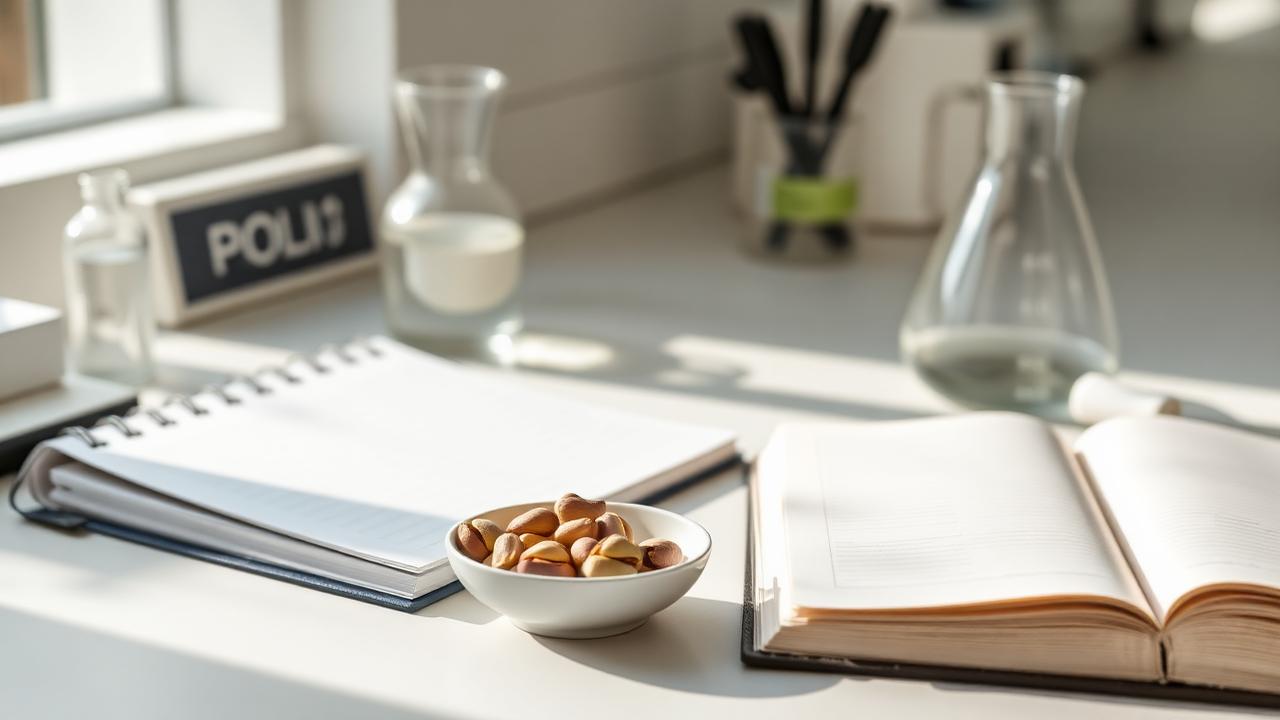
Rich in lutein (a yellow pigment linked to eye health) and zeaxanthin — pigments the eye uses to filter blue light.
Consistently linked with better weight regulation in trials.
A 9,000-year Persian staple — small handful, big benefit.
Chapter 2 of 10
Why It Matters
As the years pass, eye health, vascular (relating to the blood vessels) health, and a steady appetite all matter more than they may seem. Pistachios support all three at once, and buying them in-shell naturally slows you down while you snack.
Pistachios help with three things that quietly matter after 50: lutein (a yellow pigment linked to eye health) and zeaxanthin for aging eyes, potassium and L-arginine for easy blood-pressure, and a good dose of plant protein to help hold on to muscle — all in a food the Persian household already knows well.
Supports healthy cholesterol when replacing refined snacks.
Lower in calories than many tree nuts.
Chapter 3 of 10
What It Contains
Primary compounds
Gamma-tocopherol (vitamin E) is the fraction most active against lipid peroxidation.
Plant sterols (~60 mg per oz) — modest LDL-lowering contribution.
L-arginine: nitric-oxide precursor tied to endothelial (how well the thin lining inside your blood vessels works) flexibility.
Other Constituents
Anthocyanins in the purple skin is the pigment behind the classic Persian green kernel with a violet shoulder.
Monounsaturated + linoleic fats and ~6 g plant protein per oz.
Vitamins
Vitamin B6, Thiamin (B1), Vitamin K
Other notable constituents
Minerals: Potassium, Phosphorus, Magnesium, Copper · Fiber: ~3 g per 1 oz · Notable: Phytochemical (natural chemicals made by plants) chlorophyll
Chapter 4 of 10
What Studies in People Show
What studies in people show
Daily pistachio (56–84 g) improved fasting glucose, HbA1c (a blood test showing average blood sugar over about three months) and lipid markers in adults with type-2 diabetes across a 24-week RCT.Moderate evidence
Pistachio consumption lowered systolic and diastolic blood pressure in a randomised crossover trial in adults with elevated LDL (the harmful type of cholesterol).Moderate evidence
Further Findings
Meta-analysis (a study that pools the results of many trials) of 12 RCTs found pistachio intake reduced total and LDL (the harmful type of cholesterol) cholesterol without weight gain. The difference was unlikely to be due to chance (researchers call this statistically significant).Moderate evidence
Higher dietary lutein (a yellow pigment linked to eye health) + zeaxanthin intake is linked to reduced risk of advanced age-related macular degeneration.Moderate evidence
Chapter 5 of 10
Preparation and Kitchen Use
A small unsalted handful (1 oz, ~49 kernels) in the afternoon with tea, or crushed over yogurt at breakfast. The Persian evening ājeel bowl works too — the shell-cracking rhythm is itself part of the portion control.
1 oz (~49 kernels) per day — the heart-study amount.
Other Ways to Use It
In the kitchen: 1 oz (~49 kernels) daily — buy in-shell to slow snacking. Toast lightly and crush over yogurt, salads, and rice.
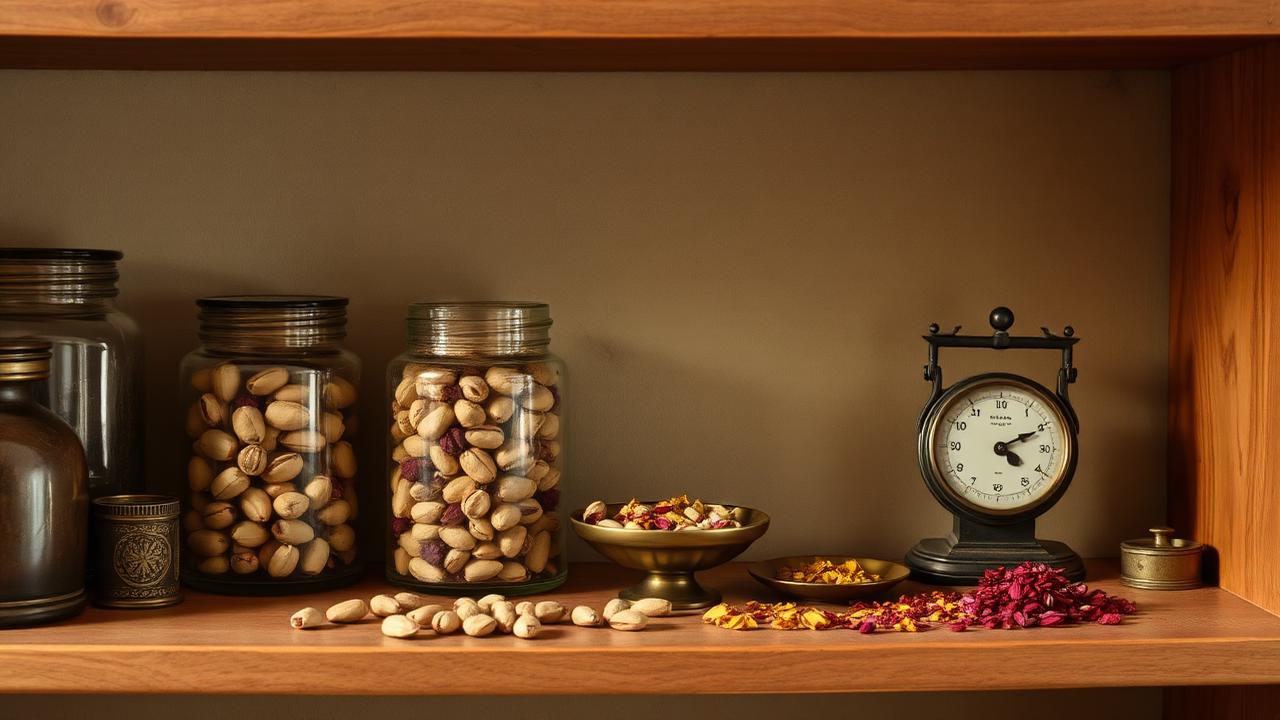
Blend with rose petals into a Persian dessert paste.
Sprinkle on yogurt with rosewater and honey for breakfast.
Stir into Persian sweets like baklava and bastani.
Crush over rice, roasted carrots, or salads as a finishing crunch.
Use ground pistachio in baklava, kulfi, or homemade pesto.
Chapter 6 of 10
Medicines and Interactions
Medication interaction:
Antihypertensives (ACE inhibitors, ARBs, CCBs, diuretics) — A daily 1–2 oz handful of unsalted pesteh has been shown in small RCTs (studies where people are randomly assigned to different groups) to modestly lower systolic blood pressure (the top blood-pressure number — the pressure while the heart beats) and improve endothelial (relating to the thin inner lining of your blood vessels) function — additive with existing therapy at a gentle, food-scale level. (low concern)
More Interactions to Know
Medication interaction:
Antidiabetic medication (metformin, sulfonylureas, insulin) — Trials in type-2 diabetes show ~50 g/day of pistachio lowers fasting glucose and HbA1c (a blood test showing average blood sugar over about three months) modestly — additive and gentle at culinary doses, worth checking finger-stick glucose in the first weeks of a layered regimen. (low concern)
Medication interaction:
Warfarin (a blood-thinning medicine) / DOACs — Vitamin K content is modest and stable at culinary doses; a daily handful doesn't swing INR (the blood test that shows how fast your blood clots). No meaningful pharmacokinetic interaction reported. (low concern)
Chapter 7 of 10
Who Should Be Careful
Allergy:
Tree-nut or seed allergies are common — avoid if affected.
General caution:
Salted varieties add sodium — choose unsalted for daily use.
General caution:
Energy-dense — measure portions.
Allergy:
Confirmed tree-nut (pistachio) IgE allergy — cross-reactivity with cashew and mango is well documented.
General caution:
Uncontrolled hypertension (long-term high blood pressure) on a salted-pesteh habit — the sodium load is the problem, not the seed.
Chapter 8 of 10
Pregnancy, Children and Older Adults
General
Children:
Whole in-shell pistachios not appropriate for children under age 4 (choking).
Pregnancy and breastfeeding
Pregnancy and breastfeeding:
A daily unsalted handful (1 oz) is regarded as safe and useful during pregnancy — a rare tree-nut source of lutein (a yellow pigment linked to eye health) and zeaxanthin for fetal eye development, plus plant protein, potassium, and B6 for maternal support. Aflatoxin is the household concern: buy from reputable sellers, discard any mouldy or off-tasting kernels, refrigerate opened jars.
Children
Children:
Shelled pesteh kernels are appropriate from about age 4 as a snack or crushed onto yogurt and rice. Whole in-shell nuts belong to the older child. Introduce carefully in a household with any tree-nut allergy history and watch first exposure for reaction.
Older adults
Medication interaction:
One of the most useful daily nuts after 60: lutein (a yellow pigment linked to eye health)/zeaxanthin for age-related macular support, plant protein and potassium for lean-mass and blood-pressure preservation, and a satisfying crunch that works well when appetite is small. Unsalted is the rule — the classical Persian caution is that salt is what turns pesteh from medicine into thirst.
Chapter 9 of 10
Traditional Persian Perspective
Persian temperament: Hot & Dry (1st degree). Ibn Sīnā and Aghili Khorasani classify pesteh as warm and dry (1st degree) — strengthening for the liver, uplifting for the heart, and helpful for digesting rich, oily foods. The classical caution is that salted pesteh loses this virtue and provokes thirst.
In the Household
Persian tradition describes the pistachio as warm and dry. It was chosen to warm a cold, sluggish liver and lift a heavy heart, and households often served a small daily handful after rich, oily meals because that warming quality was thought to help digest fat and meat. Physicians also recommended pistachios to convalescents and the frail, often with rosewater or honey, to help rebuild strength after illness.
Older Uses
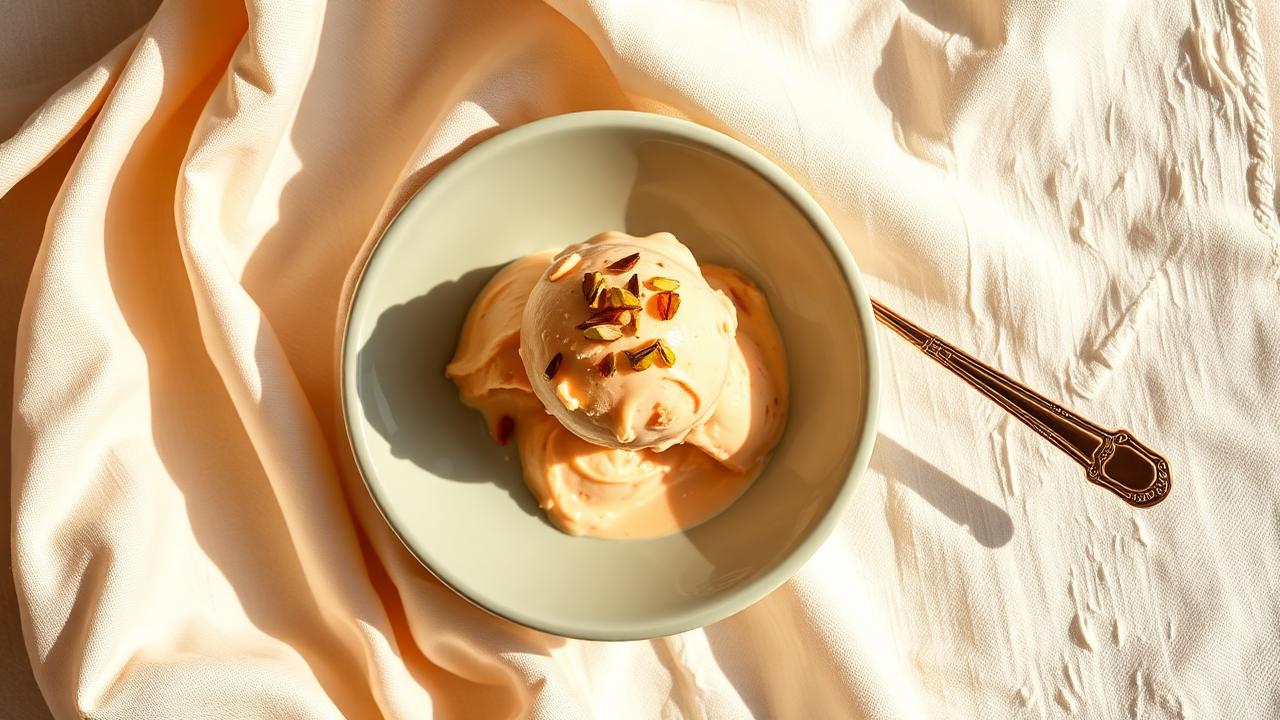
It was used: ājeel of pistachios + walnuts + raisins at Yalda and Nowruz. Crushed pistachios on saffron ice cream (bastani) and faloodeh. Pistachios with mulberries as a Persian energy snack.
Chapter 10 of 10
Sources
Office of Dietary Supplements: nuts & Seeds — US National Institutes of Health (NIH). https://ods.od.nih.gov/factsheets/list-all/.
FoodData Central: uS Department of Agriculture. https://fdc.nal.usda.gov/.