Enteric-coated peppermint oil is the best-supported non-prescription therapy for irritable bowel syndrome — trials pooled together show it eases overall IBS symptoms and abdominal pain.
The cooling aroma of menthol is the classical Persian remedy for a queasy stomach, a heavy head, and a bloated evening.
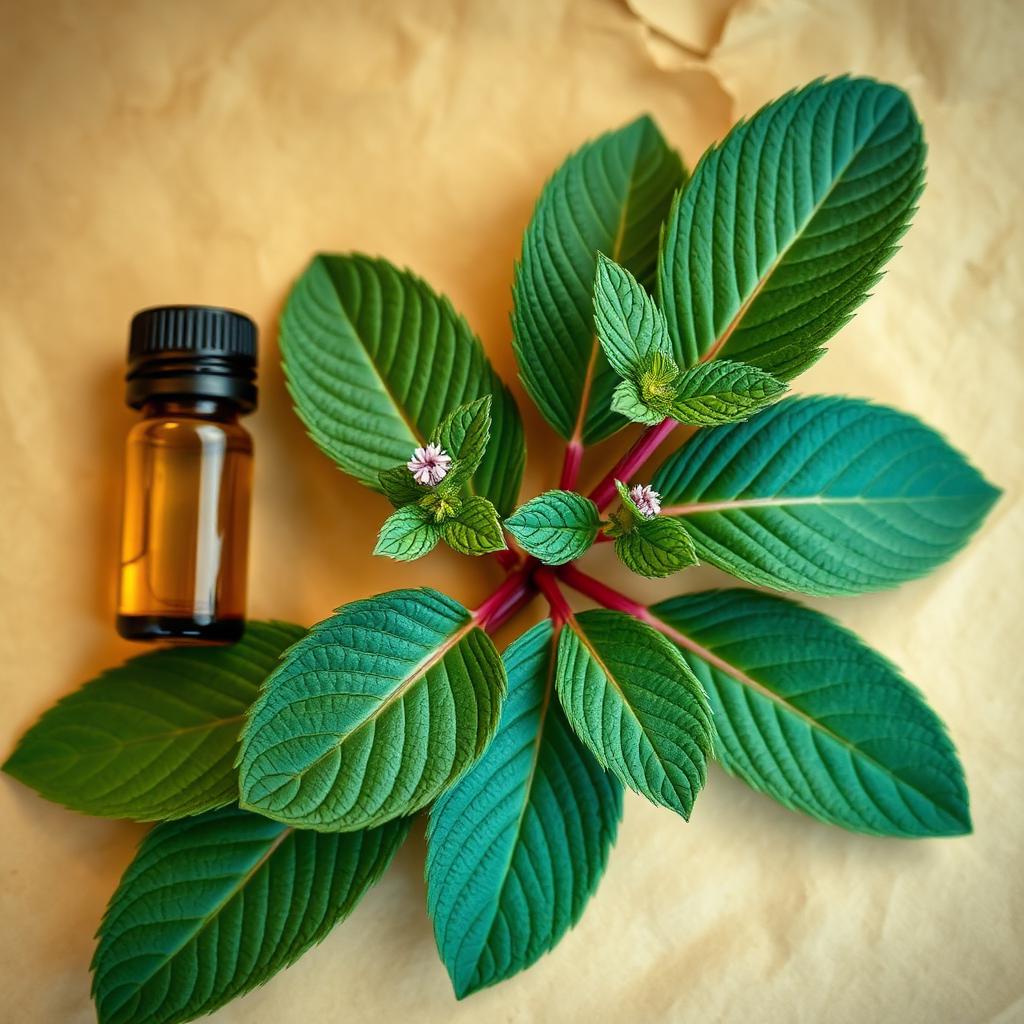
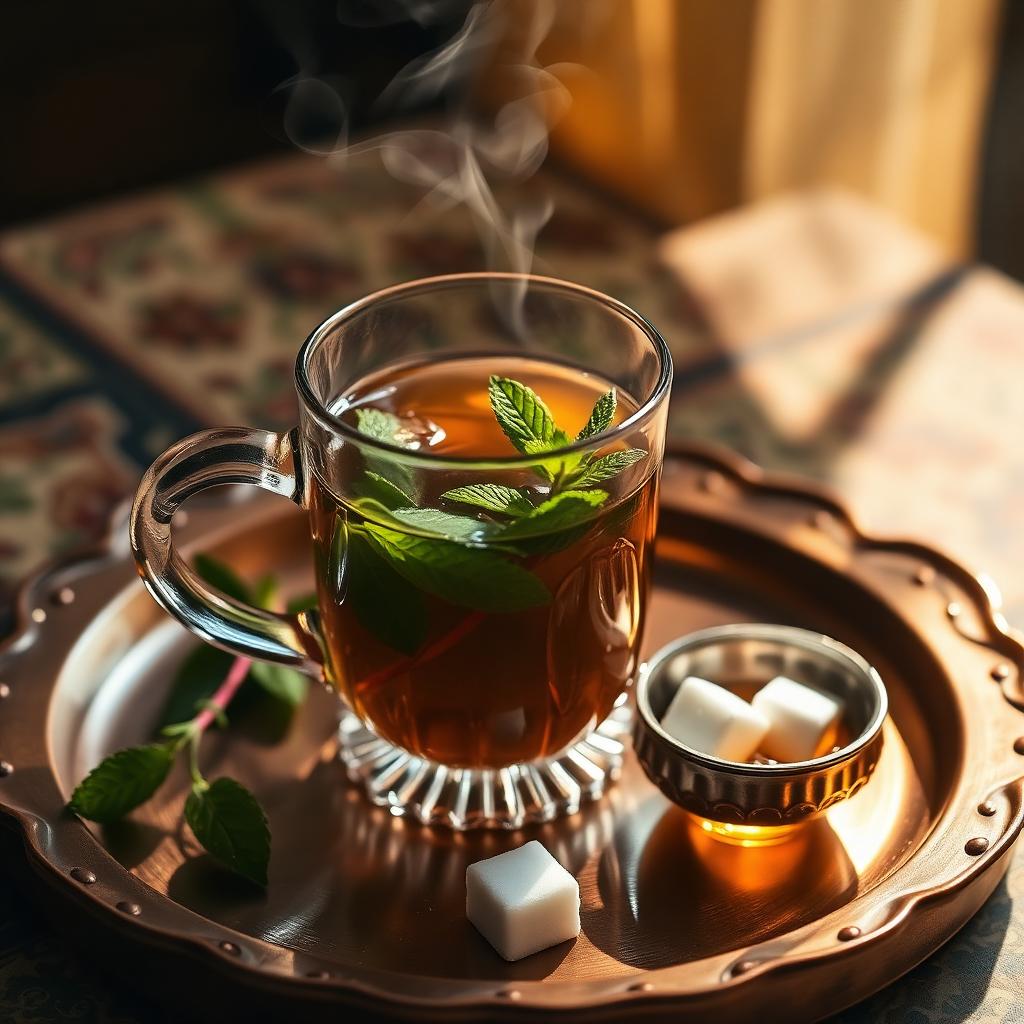
Peppermint tea is the household form. Enteric-coated capsules are the therapeutic form. Concentrated essential oil (the concentrated aromatic oil of the plant) is external only.
What Else to Know
Peppermint relaxes the lower oesophageal sphincter, the muscle at the top of the stomach — the very action that helps IBS is the one that can worsen reflux (GERD).
Culinary and tea use is deeply safe. The essential oil isn't for internal use undiluted and not applied to the face or chest of infants.
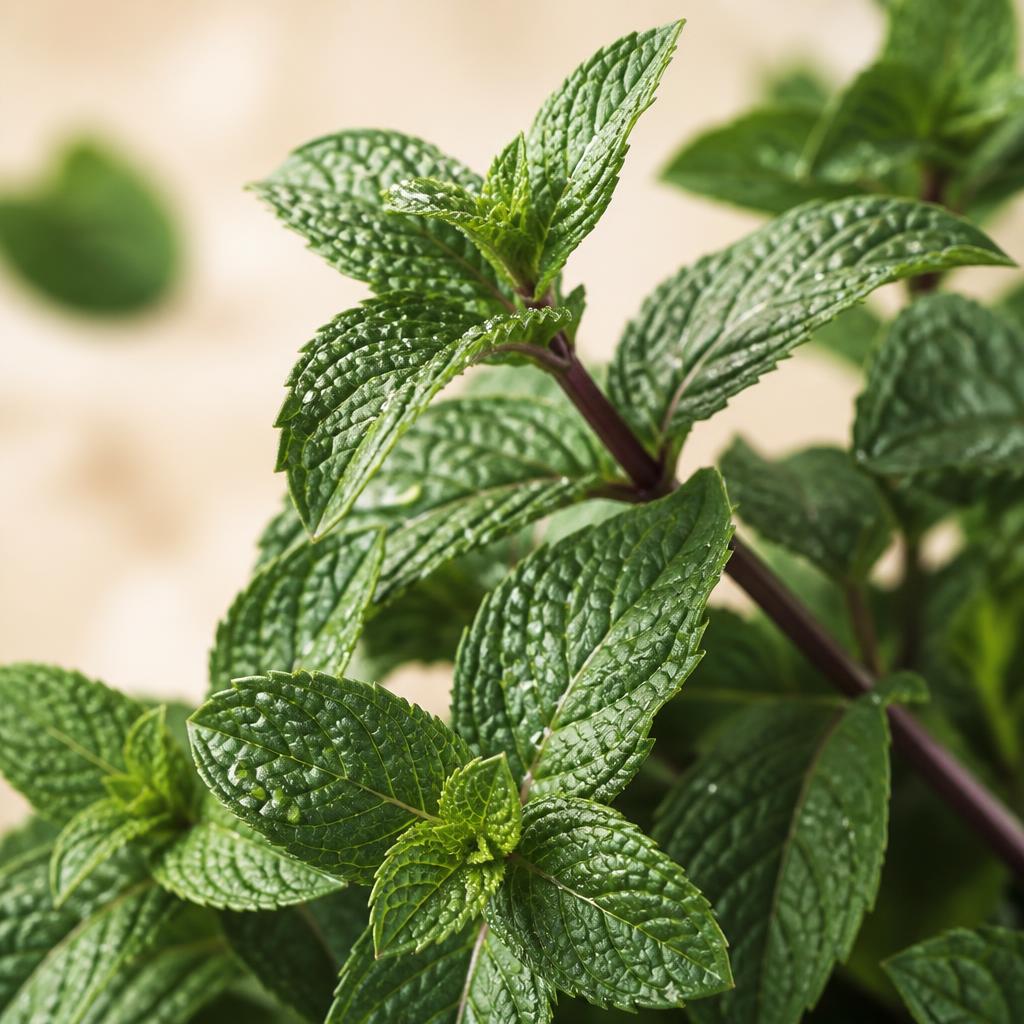
You probably know peppermint (Mentha × piperita) by its clean, cooling smell. This natural hybrid of watermint and spearmint is rich in menthol, which helps explain why it feels cooling, opening, and relaxing when the stomach is upset, bloated, or the head feels tense. In Persian kitchens, it has an easy place in tea, yogurt drinks, and herb plates.
Chapter 2 of 15
Why Herbalists Still Reach for It
Bloating, IBS-type discomfort, tension headaches, and that heavy feeling after a meal can get in the way at any age. Peppermint is one of the few household herbs that speaks to several of them at once, with real trial evidence at food or tea dose and a two-thousand-year Persian and Mediterranean habit behind it.
IBS-type discomfort, slow-emptying stomach, and tension headaches quietly reshape appetite, sleep, and social confidence across the sixth and seventh decade. A covered damkardeh after dinner or an enteric-coated capsule with a heavy meal is one of the lower-friction daily habits on the Persian table.
Relaxes the smooth muscle of the gut. Eases IBS symptoms.
Eases tension headaches when applied topically (diluted oil).
Freshens breath and supports oral health.
Chapter 3 of 15
What Is In It
Primary compounds
Menthol is the dominant cyclic monoterpene. TRPM8 cold-receptor agonist responsible for the cooling sensation and the smooth-muscle relaxant / antispasmodic (eases cramping) action on gut wall.
Menthone: co-dominant monoterpene ketone. Contributes carminative (traditionally used to settle gas and bloating) and mild analgesic (pain-relieving) direction.
Menthyl acetate is the fresh 'mint-candy' aromatic note.
Other Constituents
1,8-cineole (eucalyptol) — small share, decongestant aromatic.
Rosmarinic acid & luteolin flavonoids are the shared Lamiaceae polyphenol (protective plant compounds) antioxidant load.
Vitamins
Vitamin A, Folate
Other notable constituents
Minerals: Iron, Manganese, Calcium · Notable: Cooling volatile oils (the concentrated aromatic oil of the plant)
Chapter 4 of 15
What Studies in People Show
What studies in people show
Enteric-coated peppermint oil significantly reduced global IBS symptoms and abdominal pain vs placebo in a meta-analysis (a study that pools the results of many trials) of 12 RCTs.Moderate evidence
Peppermint oil is one of only three therapies with high-quality RCT evidence for IBS-related abdominal pain (updated meta-analysis).Moderate evidence
Topical (put on the skin) peppermint oil (10% in ethanol) applied to the temples relieved tension-type headache as effectively as 1 g paracetamol in a placebo-controlled (compared against a dummy treatment) crossover trial.Moderate evidence
Peppermint oil reduced colonic spasm during barium enema and colonoscopy in randomised trials.Moderate evidence
European Medicines Agency (HMPC) accepts well-established use of peppermint oil for IBS and traditional use of peppermint leaf for mild spasmodic digestive complaints, flatulence, cough, and colds.Moderate evidence
Chapter 5 of 15
How It Is Prepared
Damkardeh: 1 tsp dried leaf per cup, covered 5–7 min, after meals.
Topical temple oil: 1–2 drops in 1 tsp carrier oil for tension headache.
Other Ways to Use It
Steam inhalation: handful of leaves in hot water under a towel for sinus relief · Tea: 1 Tbsp fresh leaves or 1 tsp dried, steeped 5 minutes.
Capsules and standardised extracts carry many times the amount you get from food, which is why the cautions below matter more here.
Enteric-coated oil capsules: 0.2–0.4 mL up to 3× daily for IBS (clinician-guided).
Chapter 6 of 15
Medicines and Interactions
Medication interaction:
Cyclosporine — Peppermint oil inhibits intestinal CYP3A4 (a liver enzyme that breaks down many medicines) and P-glycoprotein and has raised cyclosporine levels in a small clinical study — separate dosing or avoid concentrated oil. (moderate concern)
General caution:
Antacids / proton-pump inhibitors — Non-enteric peppermint capsules dissolve in the stomach and can cause heartburn; enteric-coated formulations are the safe form on acid-suppressing therapy. (low concern)
Chapter 7 of 15
Medicines and Interactions: More Interactions to Know
Medication interaction:
CYP3A4 (a liver enzyme that breaks down many medicines) substrates (statins, tacrolimus, calcium-channel blockers) — Concentrated peppermint oil modestly inhibits CYP3A4 in preclinical work; culinary and tea use is compatible, high-dose oil warrants clinician discussion. (low concern)
General caution:
Iron supplements — Tannins (plant compounds that give a dry, puckering taste) in peppermint tea taken with an iron tablet reduce non-haem iron absorption — separate by ≥ 1 hour. (low concern)
Medication interaction:
Reflux (stomach acid rising into the throat) medication (PPIs, H2 blockers) — Peppermint relaxes the lower oesophageal sphincter and can worsen GERD; discuss on active reflux therapy — enteric-coated capsules are usually acceptable. (moderate concern)
Chapter 8 of 15
Who Should Be Careful
General caution:
Concentrated peppermint essential oil is never taken internally undiluted (mucosal burn, aspiration risk).
General caution:
May worsen reflux (GERD) by relaxing the lower esophageal sphincter.
General caution:
Persistent abdominal pain, weight loss, blood in stool, or new symptoms after age 50 — seek medical evaluation rather than continued self-treatment.
General caution:
Active gastro-oesophageal reflux (stomach acid rising into the throat) disease (GERD) or hiatal hernia — menthol relaxes the LES and can worsen symptoms.
General caution:
Cholelithiasis with symptomatic gallstones — peppermint oil is choleretic and can precipitate biliary colic.
Allergy:
Confirmed Lamiaceae (mint family) allergy.
General caution:
Achalasia — impaired oesophageal motility can worsen with LES relaxation.
Chapter 9 of 15
Pregnancy, Children and Older Adults
General
Children:
Avoid concentrated oil near the face of infants and young children.
Children:
Peppermint essential oil is never applied to the face or chest of infants and children under age 2 — menthol can trigger reflex laryngospasm and breath-holding.
Pregnancy and breastfeeding
Pregnancy and breastfeeding:
Culinary peppermint on sabzi khordan, in doogh, and as an occasional cup of covered damkardeh is safe and traditional throughout pregnancy — one of the classical Persian remedies for first-trimester nausea. Enteric-coated peppermint oil capsules and any use of concentrated essential oil are reserved for the non-pregnant window given limited pregnancy data.
Children
Children:
Culinary peppermint in family food is safe from weaning. Weak covered damkardeh from around age 4 for a queasy stomach (honey only after age 1). Peppermint essential oil is NEVER applied to the face, chest, or under the nose of infants and children under 2 — menthol can trigger reflex laryngospasm and breath-holding. Enteric-coated peppermint oil capsules have RCT evidence for paediatric IBS from around age 8 under clinician supervision.
Chapter 10 of 15
Pregnancy, Children and Older Adults: A small daily habit
Older adults
Older adults:
A small daily habit — fresh peppermint on the sabzi khordan plate, a covered damkardeh after dinner, an enteric-coated capsule with a heavy meal — is one of the gentlest ways to hold the older gut steady. Reflux (stomach acid rising into the throat) is more common after 60 and the LES-relaxing effect is the caution to hold in mind — a cup of chamomile tea often suits the reflux-prone evening better.
Chapter 11 of 15
What Persian Medicine Says
Persian temperament: Cold & Dry (2nd degree — leaf. Essential oil warming). Aghili Khorasani (Makhzan al-Adwiya) and Ibn Sīnā (Canon, Book II) place na'na felfeli as cold and dry, 2nd degree at the leaf — mubarrid mufattih muhaḍḍi' (cooling, opener, calmer) for gastric heat, nausea, and dull heavy head. The distilled essential oil is warming and sharpening. Classical texts distinguish the two.
In the Household
Peppermint is read as a cooling aromatic, and the tradition uses it where digestion is tense rather than weak: cramping and spasm in the gut, the tight, gripping fullness after a heavy plate, a hot heavy head that wants clearing. That's also the boundary of its usefulness — because it relaxes muscle, it's withheld from people with reflux (stomach acid rising into the throat), whose upper stomach valve is already loose, and from infants.
Chapter 12 of 15
What Persian Medicine Says: Older Uses
The household form is deliberately mild: fresh or dried leaf steeped covered for a few minutes after a meal, never the concentrated oil taken internally.
It was used: cramping bowel and irritable digestion (IBS-type discomfort). Bloating and post-meal heaviness, especially after fatty foods. Stuffy head and sinus congestion (steam).
Mint family herbs are central to Persian sabzi plates, yogurt drinks, teas, and herb-rich soups.
Chapter 13 of 15
Questions People Ask
Is peppermint oil safe to drink?
Yes, when it comes properly diluted inside capsules. Swallowing concentrated essential oil on its own isn't safe — stick to food-grade preparations.
Does peppermint really help IBS?
Yes — several careful trials show enteric-coated peppermint oil can ease overall IBS symptoms and abdominal pain.
Chapter 14 of 15
Sources
Peppermint Oil: nCCIH — US NIH National Center for Complementary and Integrative Health. https://www.nccih.nih.gov/health/peppermint-oil.
Sad Giah Hezar Darman (صد گیاه و هزار درمان) — One Hundred Plants and One Thousand Remedies — Dr. Hossein Erfani, 4th edition (1375 / 1996–1997). Primary traditional Persian herbal reference cited throughout this platform. Presented as traditional knowledge, not as modern medical proof.
Office of Dietary Supplements: fact Sheets — US National Institutes of Health (NIH). https://ods.od.nih.gov/factsheets/list-all/.
Herbal Database: memorial Sloan Kettering Cancer Center. https://www.mskcc.org/cancer-care/diagnosis-treatment/symptom-management/integrative-medicine/herbs.
Herbs at a Glance: uS NIH National Center for Complementary and Integrative Health (NCCIH). https://www.nccih.nih.gov/health/herbsataglance.
Chapter 15 of 15
Sources (continued)
FoodData Central: searchable nutrient database — US Department of Agriculture (USDA). https://fdc.nal.usda.gov/.
The Nutrition Source: harvard T.H. Chan School of Public Health. https://www.hsph.harvard.edu/nutritionsource/.
PubMed — peer-reviewed biomedical literature — US National Library of Medicine. https://pubmed.ncbi.nlm.nih.gov/