Carvacrol and thymol are strong antimicrobials in the laboratory. That isn't proof they cure infections in people.
Dried oregano is stronger than fresh — the opposite of most soft herbs.
It's one of the highest-antioxidant culinary herbs.
Oregano oil is concentrated and can irritate the gut and mouth. Dilute it and don't take it for long stretches.
Chapter 2 of 15
Oregano: What It Is and Which Part Is Used
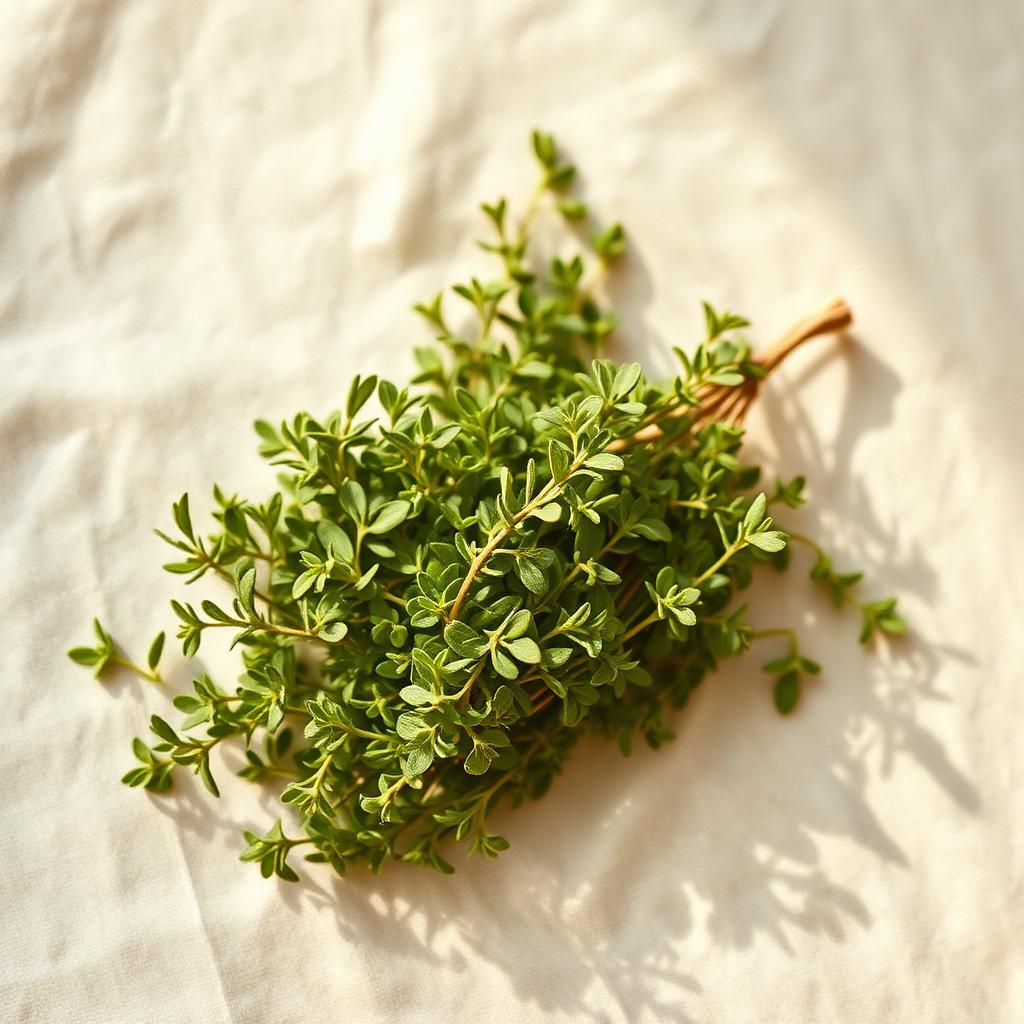
Oregano grows wild on hot, stony slopes from the Mediterranean across to Iran, and it tastes like where it grows: dry, peppery, a little bitter. Dried oregano is stronger than fresh, which is unusual for a leafy herb. Its oils, carvacrol and thymol, kill bacteria and fungi very effectively in a laboratory dish. That laboratory strength has been oversold online. Eating oregano is good food. Swallowing concentrated oregano oil isn't the same thing, and it isn't harmless.
Known to botanists as Origanum vulgare.
Chapter 3 of 15
Why Herbalists Still Reach for It
Oregano is a useful test of any health claim you read. The laboratory results really are impressive, but the evidence in people is still thin. You can respect the plant without believing every promise online, and that same habit will keep you safer with every other herb too.
As you get older, herbs that bring plenty of flavour without salt or sugar become even more useful, and oregano is near the top of that list. Its antioxidant content is a bonus. What matters day to day is that well-seasoned vegetables and beans taste worth eating.
Very high in antioxidant compounds.
Warms and settles cold digestion.
Chapter 4 of 15
The Plant Itself
Oregano is a low, bushy perennial of dry hillsides, growing to about half a metre. It has small oval leaves in pairs and clouds of tiny pink-purple flowers in summer. The whole plant is aromatic. Its punch comes from two related compounds, carvacrol and thymol, which are also what make it useful against microbes in the laboratory.
Family: Lamiaceae (mint family).
Chapter 5 of 15
In the Laboratory
From laboratory work, not from people taking it
Strong antimicrobial (slows the growth of germs) activity in laboratory studies.
Oregano essential oil (the concentrated aromatic oil of the plant) shows consistent antibacterial activity against food-borne organisms in laboratory testing. Rated: moderate evidence.
Carvacrol, the main constituent of oregano oil, has anti-inflammatory effects in animal models. Rated: early research.
Chapter 6 of 15
How It Is Prepared
Mountain tea is one teaspoon dried oregano in hot water, steeped eight minutes, with honey.
Za'atar-style blend is dried oregano with sumac, toasted sesame and salt.
Gargle is a strong cooled infusion (a drink made by steeping the plant in hot water) used as a throat rinse.
Infused olive oil is dried oregano steeped in warm olive oil for dressing.
Crumble dried oregano between your fingers over hot food to release the oils.
Oregano oil only diluted, only short-term, and preferably with guidance.
Add to tomato dishes, beans, lamb, and roasted vegetables.
Chapter 7 of 15
Medicines and Interactions
Medication interaction:
Blood thinners — Oregano oil in supplement doses may slow clotting. Cooking amounts of the leaf aren't a concern. (moderate concern)
Medication interaction:
Diabetes medicine — Concentrated oregano extracts have lowered blood sugar in animal work. Watch readings if you start a supplement. (low concern)
General caution:
Lithium — Oregano taken as a strong tea has a mild diuretic (makes you pass more urine) effect, which can raise lithium levels. Keep intake steady. (moderate concern)
Chapter 8 of 15
Who Should Be Careful
General caution:
Concentrated oregano oil can burn the mouth and irritate the stomach. Never take it undiluted.
General caution:
Do not use oregano oil for long stretches — it disturbs gut bacteria along with everything else.
General caution:
Laboratory antimicrobial (slows the growth of germs) strength isn't evidence it treats an infection in a person.
Pregnancy and breastfeeding:
Avoid medicinal amounts in pregnancy — traditional texts treat strong oregano as a uterine stimulant.
Allergy:
People allergic to mint-family plants (basil, thyme, mint) may react.
Chapter 9 of 15
Pregnancy, Children and Older Adults
Pregnancy and breastfeeding
Pregnancy and breastfeeding:
Oregano as a cooking herb is safe. Oregano oil and concentrated capsules are avoided in pregnancy, as they have been used traditionally to bring on menstruation.
Children
Children:
Fine in food from the time a child eats family meals. Oregano oil is far too strong for children and can burn the mouth undiluted.
Older adults
Medication interaction:
A useful way to make low-salt food taste of something, which matters when blood pressure limits the salt shaker. Check the interaction list if you take warfarin (a blood-thinning medicine) or lithium.
Chapter 10 of 15
What Persian Medicine Says
Persian temperament: Hot & Dry (3rd degree). Classical Greek and Persian sources both place oregano among the strongly heating, drying herbs, given for damp chests and cold stomachs.
Persian and Greek traditions both see oregano as warm and dry. People used it to clear a heavy chest, ease a cough, warm cold digestion, and settle wind. In cold weather, mountain oregano tea was a familiar household remedy across Anatolia and the Iranian highlands.
In the Household
It was used: winter cough and heavy chest. Cold, sour, or windy digestion.
Traditionally eases a heavy chest and cough.
Wild oregano is gathered on the hills of western Iran, Anatolia, and Greece and dried on rooftops in bundles. It sits at the heart of the za'atar family of blends that stretch from the Levant to the Gulf.
Chapter 11 of 15
What It Goes With
Herb:
Thyme
The two overlap in chemistry and in use. Together they cover a range of savoury dishes neither manages alone.
Pairing:
Garlic
Oregano and garlic in warm oil is the base of half the cooking around the Mediterranean.
Pairing:
Rosemary
Rosemary is resinous where oregano is peppery. Use a light hand with both or they compete.
Chapter 12 of 15
What It Goes With: More Pairings
Pairing:
Tomato
Dried oregano over cooked tomato is a fixed pairing for good reason: the herb survives long cooking that flattens basil.
Pairing:
Olive oil
Warm the leaf in oil for thirty seconds before it meets anything else. The flavour goes further.
Pairing:
Feta
Salt, fat and a hot dry herb. It needs nothing else on the plate.
Fruit:
Lemon
Lemon juice and oregano make the standard Greek dressing for roast meat and potatoes.
Chapter 13 of 15
Through the Year
Spring:
Spring
New growth is soft and mild. Use it fresh and use more of it than a recipe asks for.
Summer:
Summer
Cut the herb just before it flowers, when the oil in the leaf is at its strongest, and dry it in the shade.
Autumn:
Autumn
Last cuttings go into the jar for winter. Dried oregano is one of the few herbs better dried than fresh.
Winter:
Winter
The dried leaf carries a whole season of cooking. A pinch rubbed between the palms wakes it up.
Chapter 14 of 15
Questions People Ask
Does oregano oil cure infections?
There's no good human trial evidence that it does. Carvacrol kills bacteria and fungi in a dish, which isn't the same as treating an infection in a body. Use oregano as food and see a doctor for infections.
Why is dried stronger than fresh?
Drying concentrates the oils and changes them slightly. Oregano is one of the few herbs where the dried jar beats the fresh bunch for cooking.
Is oregano the same as marjoram?
They're close cousins. Marjoram is sweeter and softer. Oregano is sharper and more peppery. Persian marzeh is a related but distinct savory.
Chapter 15 of 15
Sources
Carvacrol and thymol: antimicrobial mechanisms — Frontiers in Microbiology.
Origanum vulgare: chemistry and pharmacology review — Journal of Ethnopharmacology.