The most-used European household flower tea — and a Persian pantry staple beside chamomile and borage.
Gentle mild diaphoretic: early cold and mild fever, especially in children and elderly. Softens the vessels and calms the anxious heart — the classical pair with chamomile before bed.
What Else to Know
Harvest window is short (June bloom). Look for whole flower+bract.
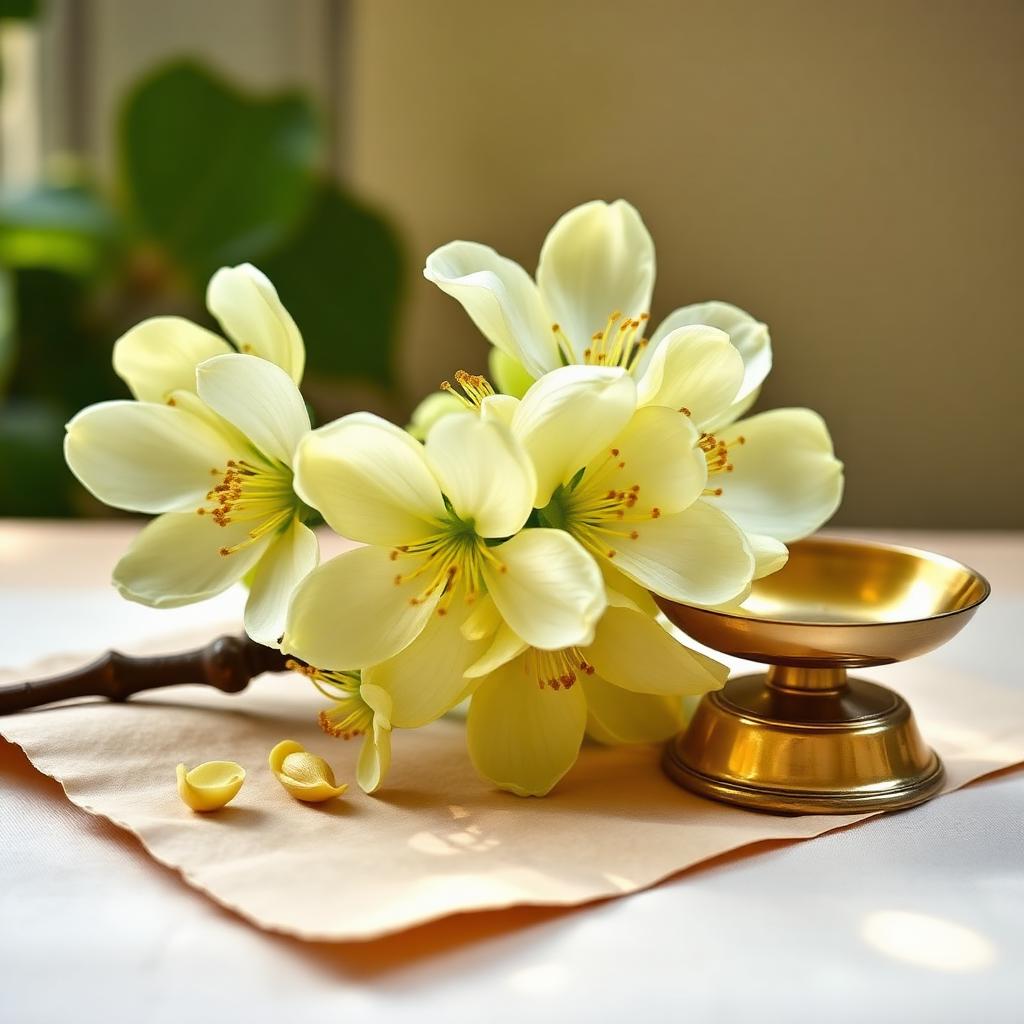
Linden is namdar in Persian and tilleul in French. Across Iran, Turkey, and continental Europe, people steep its pale-yellow, honey-scented blossoms in the evening for a restless mind, a mild cold, or sleep that won't come.
Known to botanists as Tilia cordata / Tilia platyphyllos.
Chapter 2 of 14
The Plant Itself
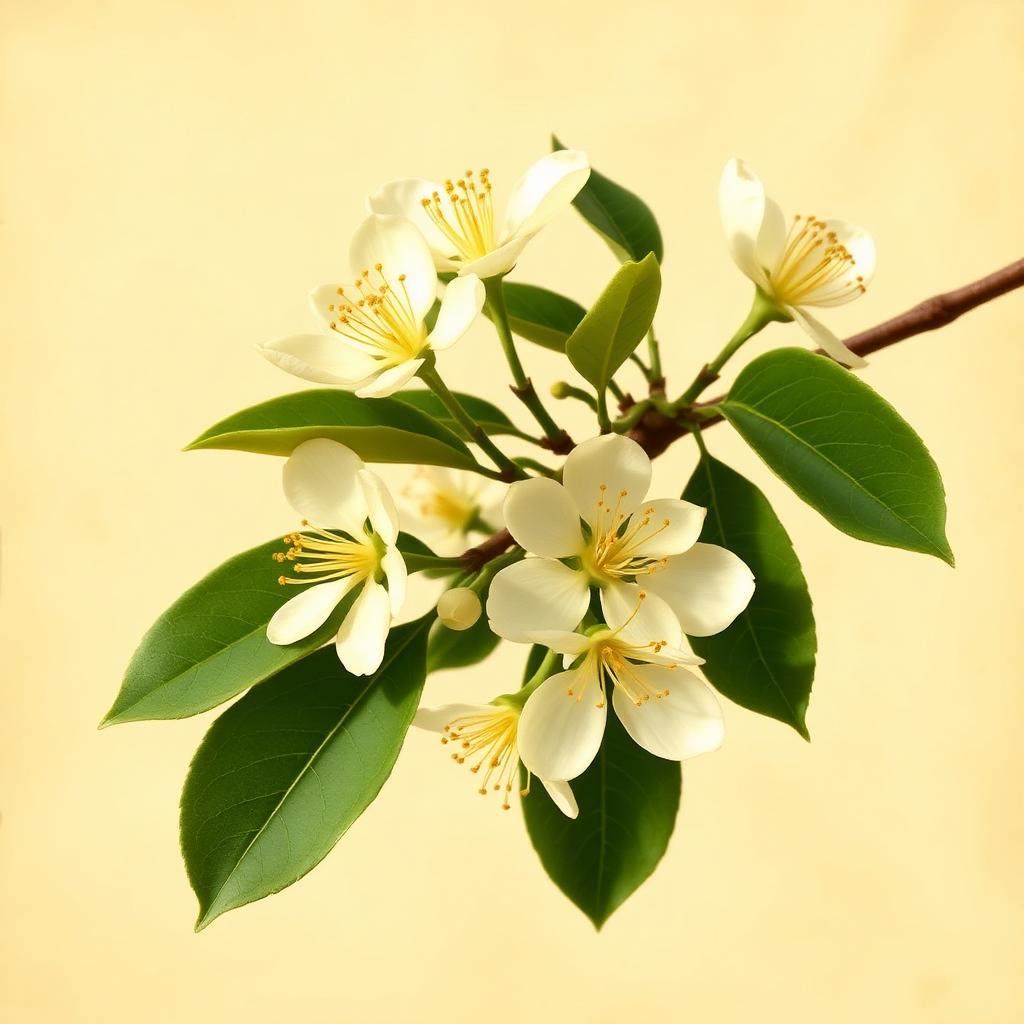
A stately deciduous tree 20–35 m tall with heart-shaped serrated leaves and clusters of pale-yellow fragrant flowers borne on a distinctive pale-green bract. The dried flowers together with the winged bract are the principal medicinal portion. Harvested in the brief early-summer flowering window.
Tiliroside: signature Tilia flavonoid (a family of protective plant compounds) glycoside with anti-inflammatory and modest lipid-modulating direction in preclinical work.
Quercetin (a plant compound found in onions, apples and tea), kaempferol, rutin — the flavonoid (a family of protective plant compounds) antioxidant load of the flower.
Other Constituents
Mucilage (a soft, slippery plant gel) polysaccharides — soothing demulcent (coats and soothes irritated tissue) action on the upper airway.
Volatile oil (farnesol, geraniol, linalool) — the honey-sweet aromatic and mild sedative (medicines that make you sleepy) fraction.
Trace coumarins: soft vessel-relaxing direction.
Chapter 4 of 14
In the Laboratory
From laboratory work, not from people taking it
Tilia species flower extracts show anxiolytic (calms anxiety) and sedative (medicines that make you sleepy) activity in animal models via GABA-A receptor modulation. Rated: early research.
Tilia flower mucilage (a soft, slippery plant gel) exerts demulcent (coats and soothes irritated tissue) action on inflamed pharyngeal mucosa in vitro — the pharmacological basis for the traditional cough-and-cold cup. Rated: early research.
Chapter 5 of 14
What Studies in People Show
What studies in people show
Linden flower infusion (a drink made by steeping the plant in hot water) has documented traditional use for the symptomatic treatment of common cold and as a mild sedative in the EMA Community Herbal Monograph on Tiliae flos.Strong evidence
Tiliroside adjusts lipid metabolism and inflammatory markers in preclinical metabolic-syndrome models.Emerging evidence
Chapter 6 of 14
How It Is Prepared
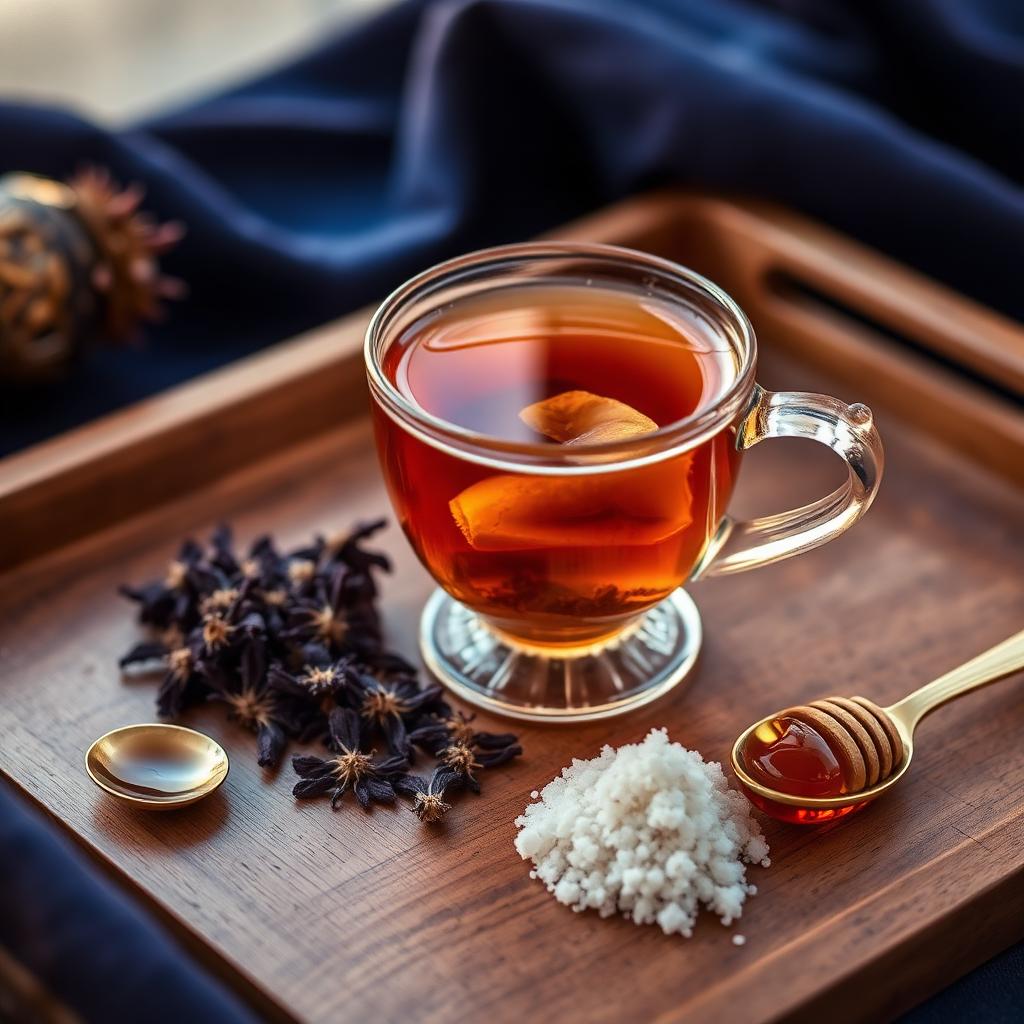
Damnoosh: 1 tsp dried flowers in a covered cup, steeped 8–10 min · Persian sleep trio: namdar + bābooneh + gol-e sork in equal parts before bed.
Early-cold cup: hot linden with honey and lemon at the first chill.
Children's half-strength infusion (a drink made by steeping the plant in hot water): evenings during winter, honey after age 1.
Combine with chamomile in the evening cup.
Take a hot cup at the first sign of a cold to encourage a gentle sweat.
Chapter 7 of 14
Medicines and Interactions
General caution:
Digitalis (digoxin) and cardiac glycosides — Traditional use in advanced cardiac failure cautioned in older monographs; keep to modest culinary cup amounts and review with the prescribing clinician. (low concern)
Medication interaction:
Anticoagulants (warfarin, DOACs) — Trace coumarin content — modest, but keep intake steady rather than swinging when INR-monitored. (low concern)
Medication interaction:
CNS depressants (benzodiazepines, sedating antihistamines, alcohol) — Additive mild sedation from the sedative (medicines that make you sleepy) essential-oil fraction — usually gentle, but a full cup layered onto sedative therapy warrants clinician awareness. (low concern)
Chapter 8 of 14
Pregnancy, Children and Older Adults
Pregnancy and breastfeeding
Pregnancy and breastfeeding:
The traditional linden flower cup is one of the safest household teas through pregnancy — restless sleep, mild cold, tension headache. Hold concentrated extracts and standardised capsules for the non-pregnant window on limited safety data.
Children
Children:
One of the most gentle Persian and European children's bedtime teas — half-strength infusion lightly sweetened from around age 2, honey only after age 1. Also used as a first-line home remedy for early cold and mild fever with warm hydration.
Older adults
Older adults:
A gentler choice than a sleeping pill in the sixties and seventies — an evening damnoosh softens the drift into sleep without the wobble that raises the risk of a fall. For an older adult already on a heart-rhythm medicine like digitalis, or on a blood thinner, keep linden to a modest culinary cup and talk it through with the cardiology team before making it a daily therapeutic habit.
Allergy:
Malvaceae allergy.
Chapter 9 of 14
What Persian Medicine Says
Persian temperament: Warm & Moist (1st degree). Aghili Khorasani (Makhzan al-Adwiya) classes namdar as warm and moist in the 1st degree — a mufarrih al-qalb (heart-gladdener) and gentle diaphoretic. Softens the vessels, calms an over-alert nervous system, and encourages a mild productive sweat at the start of a cold. The classical Persian household damnoosh for the anxious heart and the restless winter evening.
Persian and European folk medicine tell a remarkably similar story about linden blossom. Both describe it as gently warm and moist, and both reach for it in two moments: during a stubborn fever, when a hot cup is used to bring on a sweat, and on an over-alert evening, when the same cup is meant to soften the heart and invite sleep.
Chapter 10 of 14
What Persian Medicine Says: In the Household
The flowers are steeped covered for only a few minutes because long boiling is said to drive off the delicate calming aroma.
It was used: mild fever and early common cold. Heart palpitations tied to emotional strain. Traditionally calming for anxious tension.
In Persian homes, namdar sits beside chamomile and gol-e gāv-zabān as part of an evening trio for a restless heart. In France, a cup of tilleul fills much the same role: a familiar bedtime ritual.
Tilleul français are the French bedtime cup — a small pinch of linden with a spoonful of honey, taken 30–60 min before bed.
Chapter 11 of 14
Questions People Ask
What is the difference between linden, lime tree, and basswood?
All three refer to the same genus Tilia — 'linden' is the German-Persian usage, 'lime tree' the British, and 'basswood' the North American name. The two most-used medicinal species are T. cordata and T. platyphyllos, and both are officially recognised in European herbal medicine.
Why does the flower come with a pale-green wing?
That pale-green wing is the bract — the leaf-like structure the flower cluster hangs from. Traditional harvest takes flower + bract together. The bract carries extra mucilage (a soft, slippery plant gel) and is part of the officially recognised flower.
Chapter 12 of 14
Questions People Ask: Children
Is linden safe every night long-term?
The traditional flower infusion is one of the gentlest household bedtime teas, safe for daily long-term use in children, adults, and elderly. Concentrated extracts are less well studied — most therapeutic use stays within the cup.
How is linden different from chamomile?
Both are calming evening teas. Chamomile is more digestive and slightly bitter. Linden is sweeter, more honey-scented, and traditionally chosen when there's also a tight chest, dry cough, head cold, or low-grade fever along with the restlessness.
Chapter 13 of 14
Sources
Tilia spp. — European Medicines Agency HMPC Monograph — European Medicines Agency, Committee on Herbal Medicinal Products. https://www.ema.europa.eu/en/medicines/herbal/tiliae-flos
Linden — MSK Herbal Database — Memorial Sloan Kettering Cancer Center. https://www.mskcc.org/cancer-care/integrative-medicine/herbs/linden
Sad Giah Hezar Darman (صد گیاه و هزار درمان) — One Hundred Plants and One Thousand Remedies — Dr. Hossein Erfani, 4th edition (1375 / 1996–1997). Primary traditional Persian herbal reference cited throughout this platform. Presented as traditional knowledge, not as modern medical proof.
Office of Dietary Supplements: fact Sheets — US National Institutes of Health (NIH). https://ods.od.nih.gov/factsheets/list-all/.
Herbal Database: memorial Sloan Kettering Cancer Center. https://www.mskcc.org/cancer-care/diagnosis-treatment/symptom-management/integrative-medicine/herbs.
Chapter 14 of 14
Sources (continued)
Herbs at a Glance: uS NIH National Center for Complementary and Integrative Health (NCCIH). https://www.nccih.nih.gov/health/herbsataglance.
FoodData Central: searchable nutrient database — US Department of Agriculture (USDA). https://fdc.nal.usda.gov/.
The Nutrition Source: harvard T.H. Chan School of Public Health. https://www.hsph.harvard.edu/nutritionsource/.
PubMed — peer-reviewed biomedical literature — US National Library of Medicine. https://pubmed.ncbi.nlm.nih.gov/