The inulin in leek feeds gut bacteria rather than feeding you. That's the point of it.
Most of the flavour is in the pale part, and most of the nutrients are in the dark green tops people throw away.
Grit hides between the layers. Split it lengthways and rinse under running water.
It's high-FODMAP, so the same fibre that helps most people can trouble a sensitive gut.
Chapter 2 of 17
Getting to Know Leek
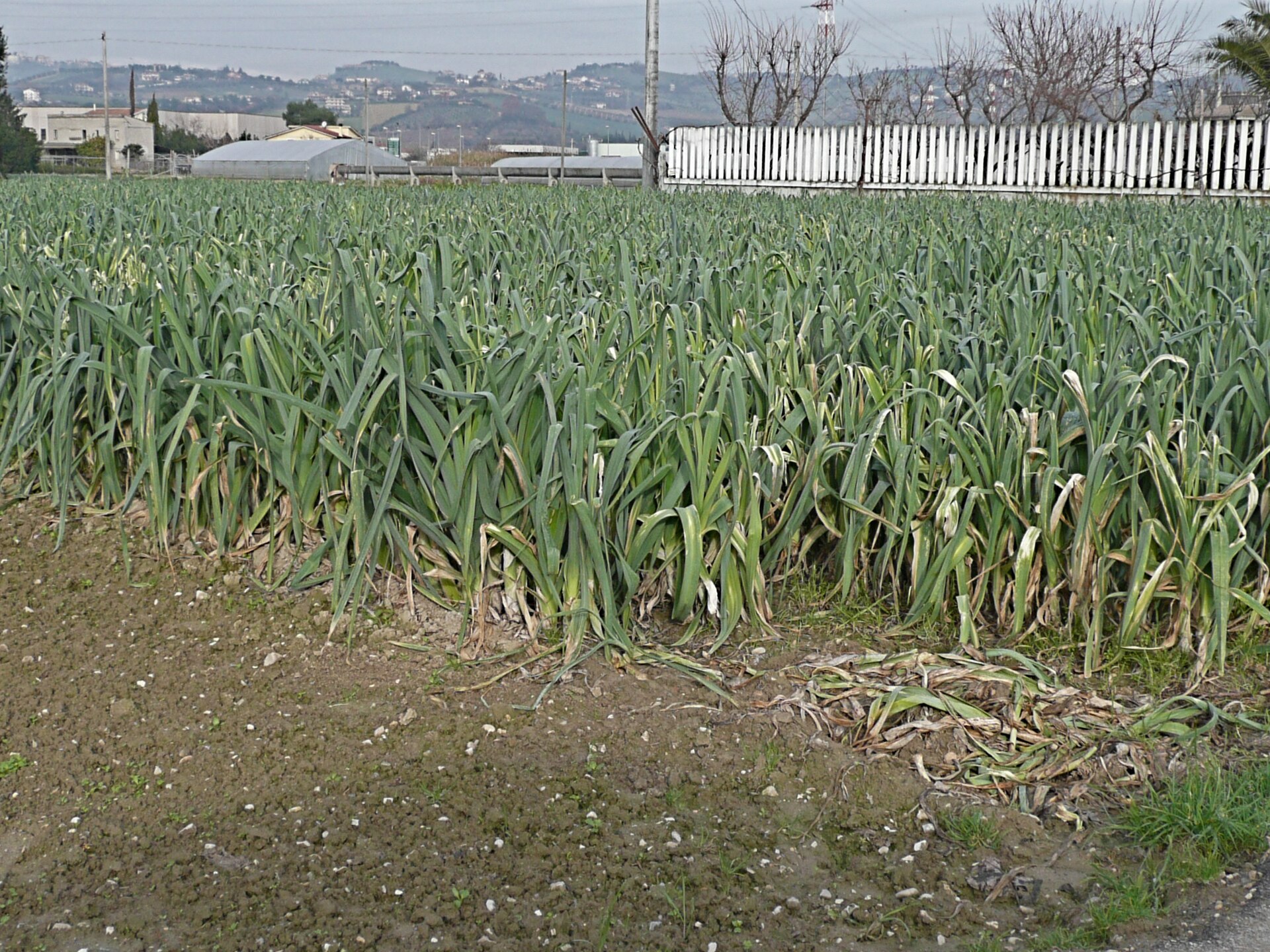
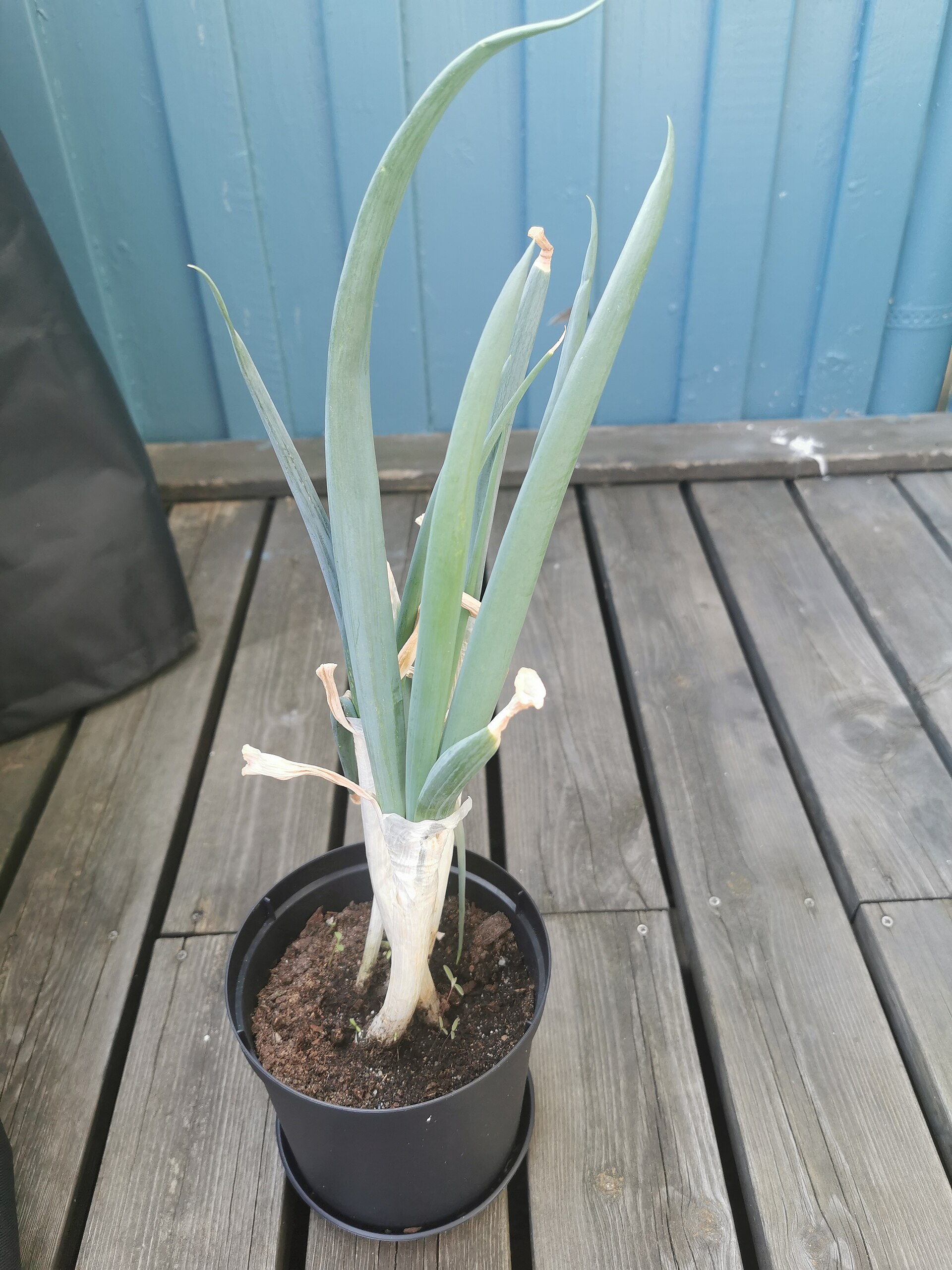
Leek belongs to the same family as garlic and onion and carries a milder version of the same sulfur chemistry. What sets it apart is inulin, a fibre you can't digest but your gut bacteria can — which is why leek turns up in almost every conversation about prebiotic food. Iranian cooking uses two different plants under similar names: tareh farangi, the thick-stemmed European leek that goes into soups, and tareh, the fine chive-like green chopped raw into kuku sabzi and ash.
Known to botanists as Allium ampeloprasum.
Chapter 3 of 17
Why It Matters
Iranian food already leans hard on alliums, and leek is the gentlest of them. You get the sulfur compounds and the prebiotic (fibre that feeds the helpful bacteria in your gut) fibre without the bite of raw onion or the commitment of raw garlic, and it goes into dishes people cook weekly rather than dishes they cook to be healthy.
The gut microbiome loses diversity with age, and prebiotic (fibre that feeds the helpful bacteria in your gut) fibre is one of the few levers with human evidence behind it. Leek is also soft when cooked, which matters when chewing gets harder, and it carries vitamin K and folate at levels that often run thin after seventy.
Inulin (a fibre that feeds the helpful bacteria in your gut) from leek and its relatives increased the good gut bacteria (bifidobacteria) in careful human feeding studies.
People who eat more vegetables from the onion family show slightly lower heart and blood-vessel risk in long studies that follow large groups.
Chapter 4 of 17
What It Contains
Primary compounds
Inulin is a fibre your gut bacteria ferment, and it's the reason leek counts as a prebiotic.
Sulfur compounds related to those in garlic, milder because leek carries less of the precursor.
Kaempferol, a flavonoid (a family of protective plant compounds) concentrated in the green tops rather than the white stem.
Vitamin K1 and folate, both dense for a vegetable this low in calories.
Other notable constituents
Minerals: Manganese, Iron, Potassium
Other Constituents
Antioxidants: Quercetin (a plant compound found in onions, apples and tea), Allicin (the compound formed when garlic is crushed) precursors
Fiber: About 2 g per cooked cup, much of it inulin (a fibre that feeds the helpful bacteria in your gut)
Chapter 5 of 17
In the Laboratory
From laboratory work, not from people taking it
Kaempferol, the main flavonoid (a family of protective plant compounds) here, has shown vessel-relaxing effects in laboratory work.
Kaempferol relaxed vascular (relating to the blood vessels) tissue in laboratory preparations. Rated: early research.
Chapter 6 of 17
What Studies in People Show
What studies in people show
Inulin-type prebiotic (fibre that feeds the helpful bacteria in your gut) fibre increased bifidobacteria counts in randomised human feeding trials.Strong evidence
Higher allium vegetable intake was associated with lower heart and blood vessel risk across cohort studies (a study that follows a group of people over time).Moderate evidence
Chapter 7 of 17
Preparation and Kitchen Use
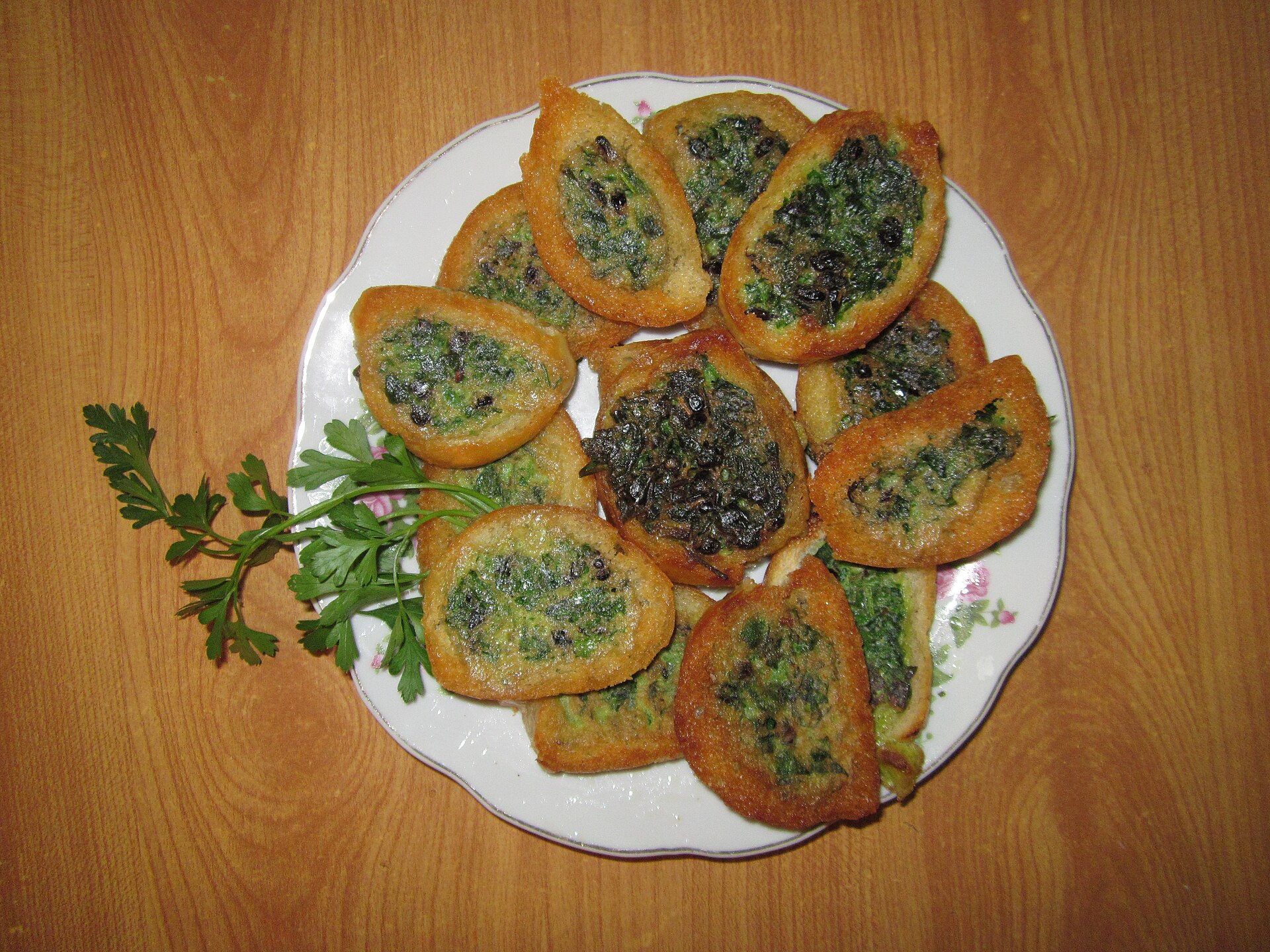
In the kitchen: with a cooked main meal, especially in the cold months. Chopped raw into kuku sabzi with parsley, coriander and dill. Sweated slowly in olive oil as the base of a soup. Simmered into ash reshteh with beans and noodles.
grilled in halves until the outer layers char and the middle turns sweet.
Other Ways to Use It
One or two leeks a week, cooked into soup, kuku or stew.
Split the leek from the top down to just above the root, fan the layers, and run cold water through them.
Keep the dark green tops for stock. They give more flavour than the white part does.
Sweat sliced leek in oil on low heat for ten minutes before anything else goes in the pan.
Chop the fine Persian tareh at the last minute. It bruises and goes dull within an hour.
Chapter 8 of 17
Medicines and Interactions
Medication interaction:
Warfarin — Leek is dense in vitamin K, which opposes warfarin. Steady intake is what matters. Tell your clinic if your vegetable habits change. (moderate concern)
Chapter 9 of 17
Who Should Be Careful
General caution:
Leek is high in FODMAPs. Anyone with irritable bowel syndrome may get bloating and cramping from a normal portion, and the green tops are usually easier than the white part.
General caution:
Grit between the layers is the most common complaint about leek soup. Split and rinse before slicing, never after.
Allergy:
Known allium allergy.
Chapter 10 of 17
Pregnancy, Children and Older Adults
Pregnancy and breastfeeding
Pregnancy and breastfeeding:
Safe and worth eating. Folate is the main reason, and the fibre helps with the constipation that comes with the territory. Wash it thoroughly, since the grit that hides between the layers also hides soil bacteria.
Children
Children:
Sweated soft in soup, leek is mild enough for a small child and much easier than raw onion. Introduce it cooked, and expect some gas at first while the gut adjusts to the fibre.
Older adults
Medication interaction:
Soft when cooked and easy to swallow, and one of the better sources of prebiotic (fibre that feeds the helpful bacteria in your gut) fibre for a gut that has lost some of its bacterial diversity. Anyone on warfarin (a blood-thinning medicine) should keep the amount consistent.
Chapter 11 of 17
Traditional Persian Perspective
Persian temperament: Hot & Dry (2nd degree). Warming and opening. The old texts warned it heats the blood in quantity and paired it with yogurt or vinegar.
Persian medicine reads tareh as hot and dry. Hakims used it to warm a cold stomach, open obstruction, and clear the chest in damp weather, and warned that too much of it heats the blood and disturbs sleep. The counterweight in the old texts is yogurt or vinegar — roughly what a modern cook does anyway.
It was used: grown across the Middle East and the Mediterranean since antiquity, and mentioned in Egyptian records. Given for cough and a heavy chest in the classical Persian medical texts.
Used through Iranian winters as one of the few green things that keeps well in cold ground.
Chapter 12 of 17
In Persian Life
Kuku sabzi, the deep green herb and egg cake served at Nowruz, leans on tareh for the freshness that separates it from an omelette. The same green goes into ash reshteh, into the filling of dolmeh, and onto the sabzi khordan plate beside the bread and cheese. Whole bunches pile up in the bazaar in spring, and households buy far more than seems reasonable, because the whole point of the season is to eat green.
Chapter 13 of 17
What It Goes With
§ More Pairings
Dairy:
Yogurt
The classical counterweight to a hot and dry green, and it works on the plate and in the theory.
Pairing:
Walnuts
Chopped walnut in kuku sabzi adds fat and bite to a mixture that's otherwise all herb and egg.
Pairing:
Beans
Leek and beans together in ash give you two different prebiotic (fibre that feeds the helpful bacteria in your gut) fibres in one bowl.
Pairing:
Olive oil
Slow sweating in oil turns the sulfur sharpness into sweetness. No other method does it as well.
Chapter 14 of 17
Through the Year
Spring:
Spring
Fine Persian tareh floods the bazaar. This is kuku sabzi season and the reason for it.
Summer:
Summer
Use it raw and sparingly. The heat makes its warming quality unwelcome in the old reading.
Autumn:
Autumn
Thick leeks arrive. Sweat them slowly as a base for the first soups of the cold months.
Winter:
Winter
Leek holds in the ground through frost and sweetens with it. Grill or braise it whole.
Chapter 15 of 17
Questions People Ask
What is the difference between tareh and tareh farangi?
Tareh is the fine Persian green, close to a chive, chopped raw into kuku and ash. Tareh farangi is the thick European leek used in soups and stews. Recipes rarely swap them well.
Why does my leek soup taste gritty?
The soil sits between the layers, and slicing first traps it. Split the leek lengthways and rinse under running water before you cut it up.
Can I eat leek with IBS?
Often not in quantity. It's high in FODMAPs, which is the same fibre that helps everyone else. The green tops are usually gentler, and leek-infused oil gives you the flavour without the fibre.
Chapter 16 of 17
Sources
Sad Giah Hezar Darman (صد گیاه و هزار درمان) — One Hundred Plants and One Thousand Remedies — Dr. Hossein Erfani, 4th edition (1375 / 1996–1997). Primary traditional Persian herbal reference cited throughout this platform. Presented as traditional knowledge, not as modern medical proof.
Office of Dietary Supplements: fact Sheets — US National Institutes of Health (NIH). https://ods.od.nih.gov/factsheets/list-all/.
Herbal Database: memorial Sloan Kettering Cancer Center. https://www.mskcc.org/cancer-care/diagnosis-treatment/symptom-management/integrative-medicine/herbs.
Herbs at a Glance: uS NIH National Center for Complementary and Integrative Health (NCCIH). https://www.nccih.nih.gov/health/herbsataglance.
FoodData Central: searchable nutrient database — US Department of Agriculture (USDA). https://fdc.nal.usda.gov/.
Chapter 17 of 17
Sources (continued)
The Nutrition Source: harvard T.H. Chan School of Public Health. https://www.hsph.harvard.edu/nutritionsource/.
PubMed — peer-reviewed biomedical literature — US National Library of Medicine. https://pubmed.ncbi.nlm.nih.gov/