The classical Persian calming aromatic: anxiety, tension headache, and restless sleep in one small flower.
Silexan (a standardised oral lavender oil) has clinical-trial evidence for generalised anxiety comparable to low-dose lorazepam.
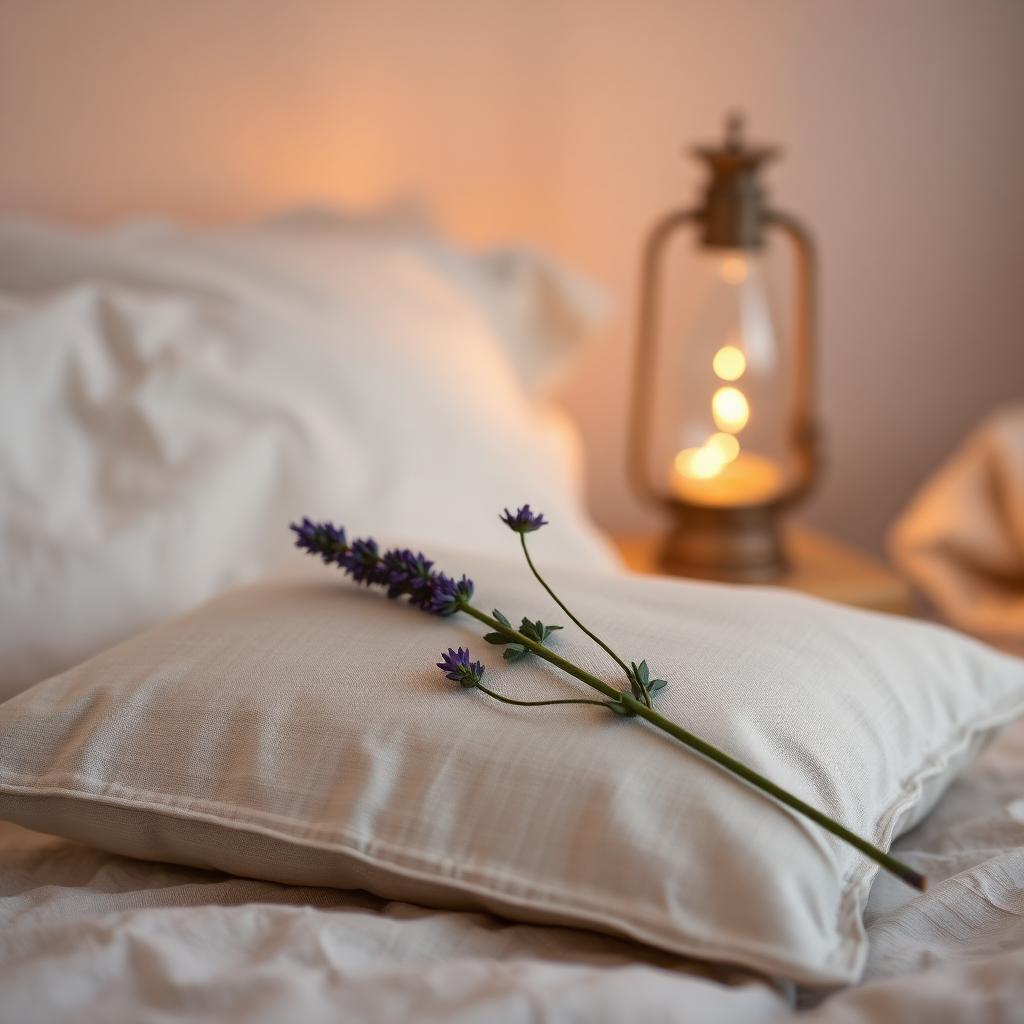
Aromatherapy inhalation and pillow sachets are the traditional entry point — no supplement required.
Skip concentrated essential-oil ingestion outside of clinician-guided Silexan-style products.
What Else to Know
Lavender — ostokhoddus in Persian — is the classic calming aromatic of Persian and Mediterranean medicine. You know the perfume before you know the plant: violet spikes carrying centuries of use for anxious nerves, difficult sleep, and tension headaches.
Known to botanists as Lavandula angustifolia.
Chapter 2 of 15
The Plant Itself
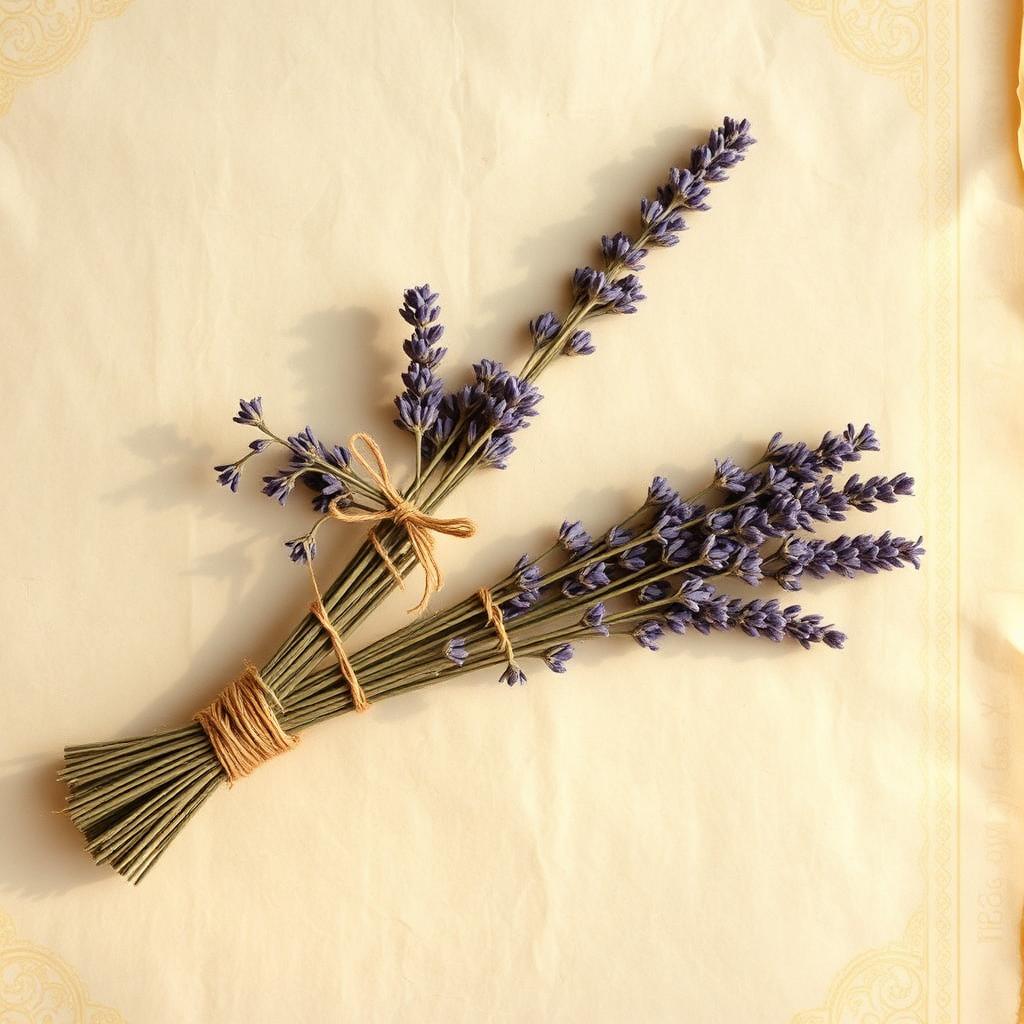
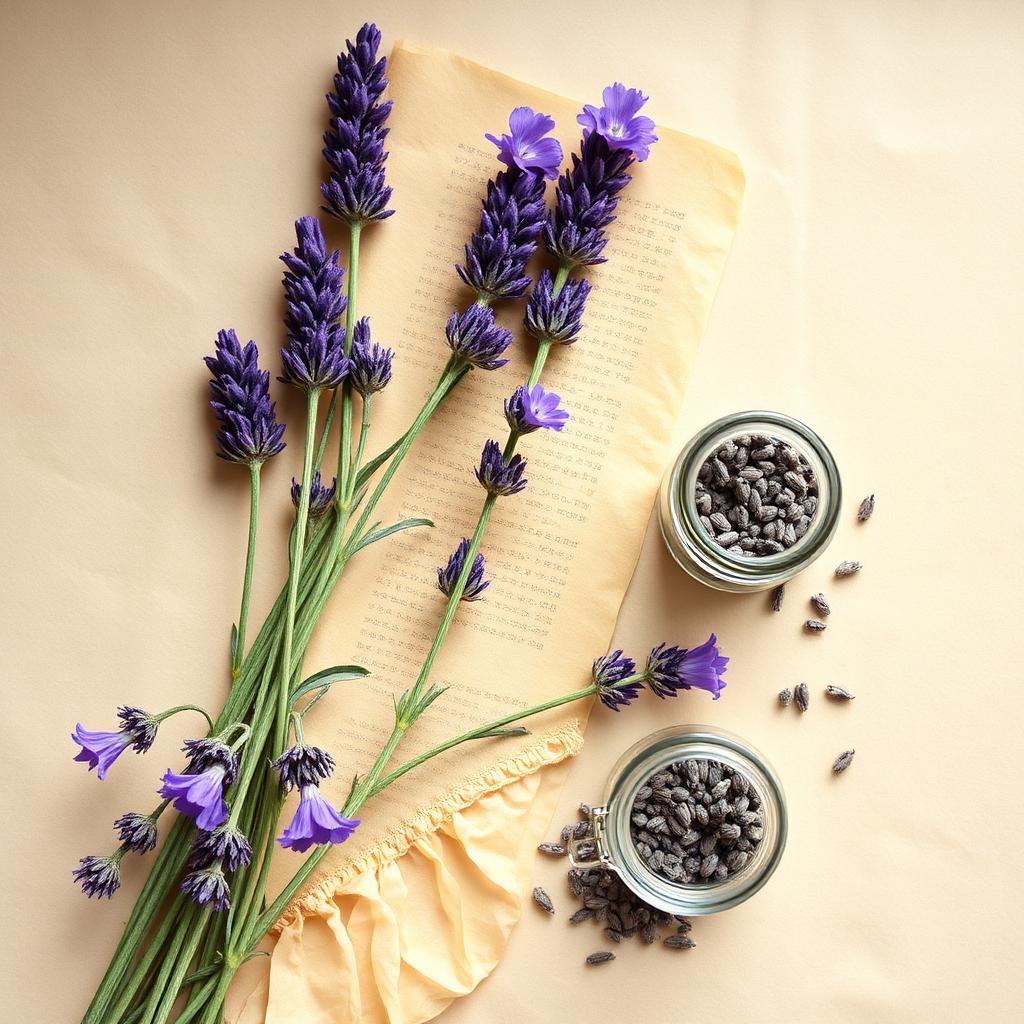
An aromatic perennial evergreen shrublet 30–60 cm tall with narrow silvery-green linear leaves and slender terminal spikes of small violet-purple two-lipped flowers. The dried flower buds are the principal medicinal portion. The essential oil (the concentrated aromatic oil of the plant) is expressed from freshly flowering tops.
Family: Lamiaceae (mint family).
Chapter 3 of 15
What Is In It
Primary compounds
Linalool: dominant monoterpene alcohol. Anxiolytic (calms anxiety) and sedative (medicines that make you sleepy) direction in animal work and in inhalation studies.
Linalyl acetate is the pear-drop ester behind the sweet lavender note. Sedative-synergist with linalool.
Rosmarinic acid is the Lamiaceae anti-inflammatory antioxidant polyphenol (protective plant compounds).
Beta-caryophyllene: sesquiterpene with CB2 receptor affinity in preclinical work.
Other notable constituents
Notable: Volatile essential oil
Chapter 4 of 15
What Studies in People Show
Moderate evidence
Silexan (standardised oral Lavandula angustifolia oil 80 mg/day) reduced generalised-anxiety-disorder scores comparably to low-dose lorazepam over 6–10 weeks in randomised trials.Moderate evidence
Early research
Inhaled lavender aromatherapy modestly reduces state anxiety in pre-procedural, post-operative, and labour settings across meta-analyses (a study that pools the results of many trials) of small clinical trials.Emerging evidence
Lavender aromatherapy improves subjective sleep quality (PSQI) in small trials of older adults, ICU patients, and post-partum women.Emerging evidence
Repeated topical (put on the skin) exposure to lavender and tea-tree oil products has been associated with reversible prepubertal gynecomastia in case reports — an endocrine-disruption signal for concentrated topical use in boys.Emerging evidence
Chapter 5 of 15
How It Is Prepared
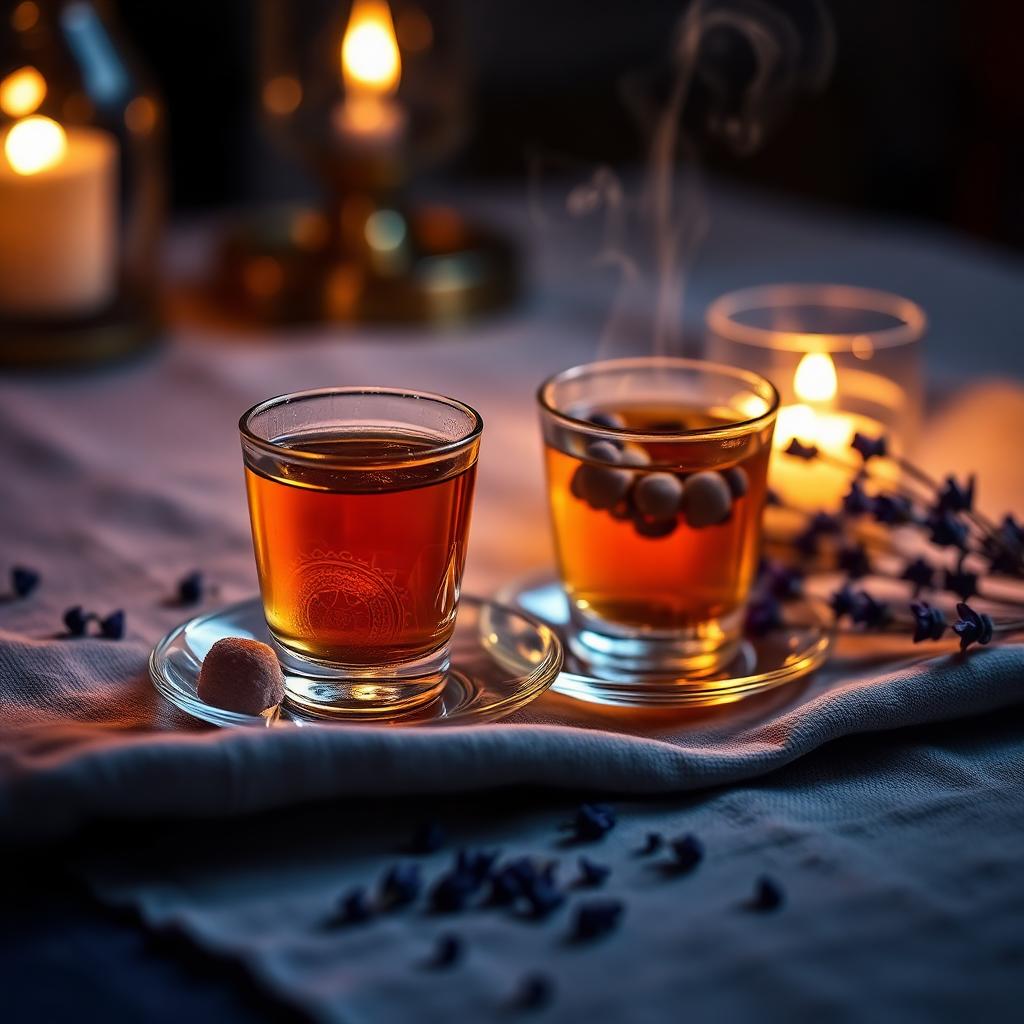
Damkardeh: 1 tsp dried buds in a covered cup, steeped 5–7 min · Warm bath: 1–2 handfuls of dried buds tied in cloth, dropped into the tub.
In the kitchen: sachet: 1 Tbsp buds in a linen pouch under the pillow and place a small sachet inside the pillowcase.
Chapter 6 of 15
Extracts, Capsules and Concentrates
Capsules and standardised extracts carry many times the amount you get from food, which is why the cautions below matter more here.
Standardised oral capsule: 80 mg Silexan-style daily under clinician oversight.
Add a few drops of essential oil to a warm bath.
Chapter 7 of 15
Medicines and Interactions
Medication interaction:
CNS depressants (benzodiazepines, opioids, alcohol, sedating antihistamines) — Silexan and lavender aromatherapy add mild sedation — layered CNS depression can compound; keep concurrent use clinician-supervised. (moderate concern)
Medication interaction:
Antihypertensives — Lavender aromatherapy modestly lowers blood pressure in short-term trials — usually additive-beneficial, but monitor for symptomatic hypotension when adding a therapeutic daily habit. (low concern)
Medication interaction:
Antidepressants (SSRIs, SNRIs) & anxiolytics — Silexan trials add-on to SSRI therapy show acceptable tolerability; layered anxiolytics should be introduced under prescriber oversight rather than self-titrated. (low concern)
Chapter 8 of 15
Who Should Be Careful
General caution:
Rare contact dermatitis in sensitive skin — patch test first.
Prepubertal boys — repeated topical exposure to lavender/tea-tree oil linked to reversible gynecomastia in case reports.
Allergy:
Confirmed Lamiaceae allergy.
General caution:
Combined heavy sedation without clinician oversight.
Chapter 9 of 15
Pregnancy, Children and Older Adults
Pregnancy and breastfeeding
Pregnancy and breastfeeding:
Culinary and aromatic use (evening damkardeh, pillow sachet, brief inhalation) is a traditional Persian household remedy through pregnancy — anxious sleep and tension headache. Hold concentrated essential-oil ingestion and Silexan-style standardised capsules for the non-pregnant window on limited pregnancy safety data.
Children
Children:
Half-strength flower infusion (a drink made by steeping the plant in hot water) lightly sweetened is a traditional Persian bedtime tea from around age 4; skip honey under age 1. Avoid repeated concentrated topical (put on the skin) essential oil in prepubertal boys given the case-report gynecomastia signal; brief diffuser use in shared rooms is fine.
Older adults
Medication interaction:
One of the most under-used calming aromatics for the sixth and seventh decade — evening damkardeh, pillow sachet, and warm lavender bath quietly support sleep architecture without the falls risk of sedative-hypnotics. Review antihypertensive lane before layering daily therapeutic doses of Silexan.
Chapter 10 of 15
What Persian Medicine Says
Persian temperament: Warm & Dry (1st degree). Ibn Sīnā (Canon, Book II) and Aghili Khorasani (Makhzan al-Adwiya) class ostokhoddus as warm and dry in the 1st degree — a cephalic aromatic that clears heavy vapours from the brain, lifts melancholy (sawdā'), and calms an over-alert nervous system. The classical Persian household aromatic for the anxious heart and the sleepless night.
In the Household
Persian medicine reads lavender as warm and dry and puts it among the cephalic remedies — the ones that act on the head. That gives it an unusual double use: it's given for an over-alert nervous system that won't switch off at night, and just as readily for the heavy, stagnant melancholy of a cold constitution, because in both cases the pattern is read as congestion in the head rather than excess heat.
Chapter 11 of 15
What Persian Medicine Says: Older Uses
The household forms follow the aim — a weak evening infusion (a drink made by steeping the plant in hot water) to settle sleep, dried flower in a pillow, diluted oil rubbed at the temples for a dull headache.
It was used: anxious tension and restless sleep. Anxious grief and difficulty unwinding. Cold-and-tense muscle stiffness (as bath and compress).
Dried ostokhoddus gets stitched into pillow sachets, steeped in the evening tea, and tucked into linen cupboards across Iranian and Levantine homes.
Chapter 12 of 15
Traditional Formulas
Anxious-heart trio: ostokhoddus + gol-e sork + a few threads of saffron in warm milk before bed. That makes it a mufarrih formula for tense, low-spirited evenings.
Chapter 13 of 15
Questions People Ask
Is lavender tea as effective as Silexan capsules?
The tea and pillow sachet carry centuries of traditional evidence for anxious tension and sleep. Silexan is a standardised oral essential-oil capsule backed by modern clinical trials for generalised anxiety at ~80 mg/day. The tea delivers a much smaller aromatic dose and is best used as the traditional daily entry point.
Can I drop essential oil directly into water and drink it?
No. Concentrated undiluted essential oils aren't for casual internal use. Use inhalation, bath, or topical (put on the skin) dilution for aromatherapy, or a standardised clinical product like Silexan under a clinician's guidance.
Is lavender safe every night long-term?
The traditional flower infusion and pillow sachet are gentle for daily long-term use. Standardised oral extracts are usually studied in 6–10 week windows. Longer daily use is a conversation with your clinician.
Chapter 14 of 15
Sources
Sad Giah Hezar Darman (صد گیاه و هزار درمان) — One Hundred Plants and One Thousand Remedies — Dr. Hossein Erfani, 4th edition (1375 / 1996–1997). Primary traditional Persian herbal reference cited throughout this platform. Presented as traditional knowledge, not as modern medical proof.
Office of Dietary Supplements: fact Sheets — US National Institutes of Health (NIH). https://ods.od.nih.gov/factsheets/list-all/.
Herbal Database: memorial Sloan Kettering Cancer Center. https://www.mskcc.org/cancer-care/diagnosis-treatment/symptom-management/integrative-medicine/herbs.
Herbs at a Glance: uS NIH National Center for Complementary and Integrative Health (NCCIH). https://www.nccih.nih.gov/health/herbsataglance.
FoodData Central: searchable nutrient database — US Department of Agriculture (USDA). https://fdc.nal.usda.gov/.
Chapter 15 of 15
Sources (continued)
The Nutrition Source: harvard T.H. Chan School of Public Health. https://www.hsph.harvard.edu/nutritionsource/.
PubMed — peer-reviewed biomedical literature — US National Library of Medicine. https://pubmed.ncbi.nlm.nih.gov/