One of the few plant foods with a complete essential-amino-acid profile in useful proportion.
Rare 1:3 ω3:ω6 ratio — the closest whole-food seed to the pattern the modern trials keep asking for.
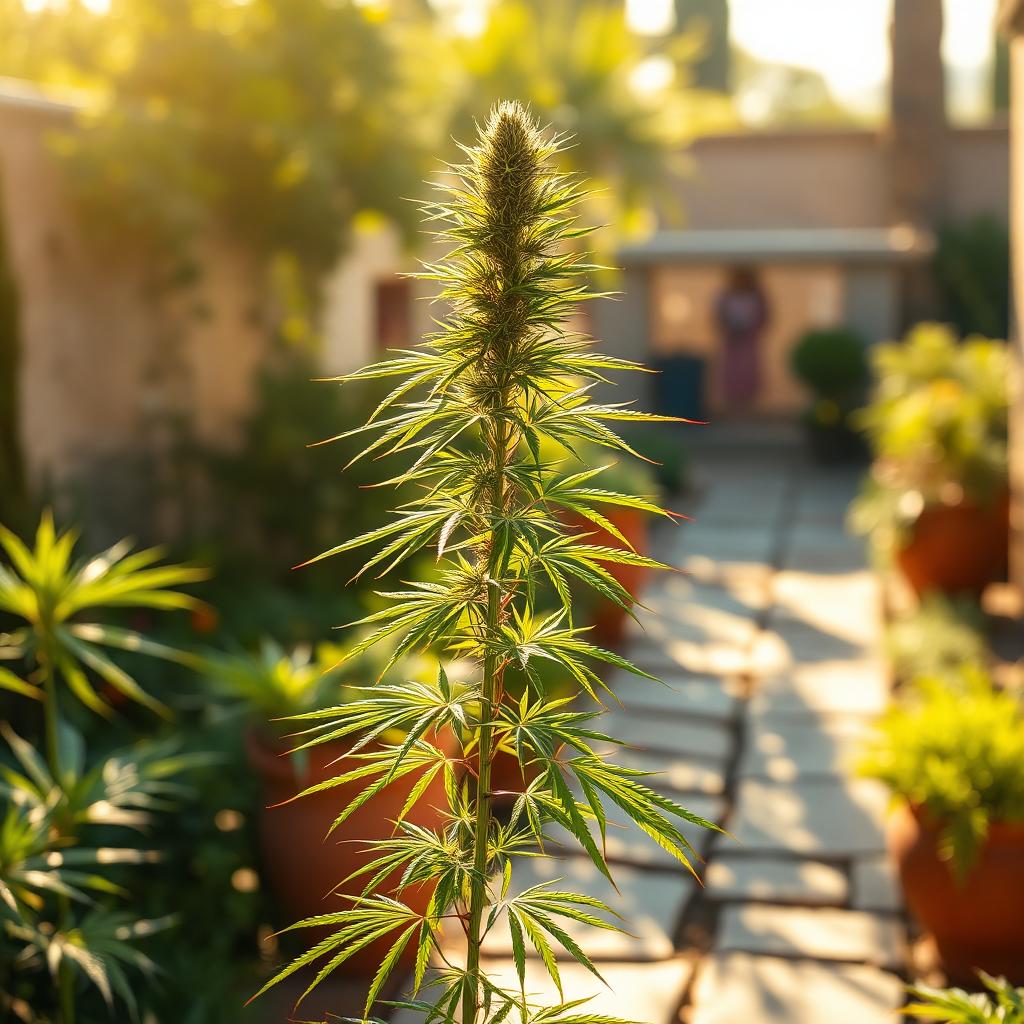
The seed carries no meaningful THC or CBD — those live in the flower resin.
Hemp seed gives the modern Persian shelf a practical answer to three nutritional needs at once: complete plant protein without soy, a favourable ω3:ω6 balance without fish, and magnesium and zinc in the same three-tablespoon serving. It's also one of the few seeds with its own classical Persian name, so it belongs to the tradition rather than feeling like a foreign import.
Chapter 2 of 16
If You Read Nothing Else: What Else to Know
Hemp seed lands at the intersection of the three levers that quietly slip after 65: complete plant protein for lean-mass maintenance, plant ω-3 without fish, and magnesium for vascular (relating to the blood vessels) tone and sleep. A daily 3-Tbsp scoop into the morning yogurt bowl covers a real fraction of all three, and the classical Persian classification (cool and moist, calmative) matches the modern longevity dietary pattern almost exactly.
The 1:3 ω3:ω6 ratio contributes to a favourable dietary fat pattern the trials keep rewarding.
Gamma-linolenic acid (GLA) is a scarce anti-inflammatory ω-6 lipid otherwise found mainly in supplements.
Cold-pressed hemp-seed oil is a nutty finishing oil rich in vitamin E — never heat it.
Chapter 3 of 16
What It Contains
Primary compounds
Complete plant protein (edestin + albumin, ~30% of seed weight) — all essential amino acids in useful ratio.
Alpha-linolenic acid (plant ω-3, ~3 g per 30 g) and linoleic acid (ω-6, ~8 g per 30 g) — the seed's distinctive 1:3 ratio.
Gamma-linolenic acid (GLA, ~200 mg per 30 g) — a scarce anti-inflammatory ω-6 also found in evening-primrose oil.
Magnesium (~200 mg per 30 g) and zinc (~3 mg per 30 g) — meaningful contributions on top of the protein.
Other Constituents
Vitamin E (gamma- and alpha-tocopherol): protects the seed's polyunsaturated oil in the pantry.
Polyphenols (protective plant compounds) and phytosterols — modest but present. Contribute to the seed's oxidative stability.
Effectively no THC or CBD in shelled fibre-type hemp seed — legal food ingredient in the US, EU, Canada, and UK.
Vitamins
Thiamin (B1), Riboflavin (B2), Folate
Chapter 4 of 16
What It Contains
Other notable constituents
Minerals: Iron, Phosphorus, Manganese, Copper
Notable: Complete essential-amino-acid profile: unusual among plant foods, Rare 1:3 ω3:ω6 ratio in a single whole food, Contains gamma-linolenic acid (GLA) — otherwise mostly a supplement lipid.
Chapter 5 of 16
What Studies in People Show
Moderate evidence
Hemp-seed protein contains all essential amino acids in useful proportion and shows digestibility (PDCAAS-adjusted) comparable to lentil or pea protein.Moderate evidence
Higher dietary intake of alpha-linolenic acid (plant ω-3) is linked to reduced heart and blood vessel mortality across pooled prospective cohorts.Moderate evidence
Shelled fibre-type hemp seed contains no pharmacologically meaningful THC or CBD. The cannabinoids reside in the flower resin, not the seed. Food-grade hemp seed is authorised in the US, EU, Canada, and UK.Moderate evidence
Early research
Hemp-seed oil supplementation (~2 g/day for 12 weeks) improved plasma alpha-linolenic-acid status and modestly favourable lipid parameters in adults in a randomised placebo-controlled (compared against a dummy treatment) trial (a placebo is a look-alike treatment with no active ingredient).Emerging evidence
Chapter 6 of 16
Preparation and Kitchen Use
Use shelled hemp hearts raw — cooking accelerates oxidation of the ALA and loses the seed's nutritional signature.
Store the bag in the refrigerator or freezer after opening. Use within 3–6 months.
Cold-press for oil. Keep the oil refrigerated in a dark bottle and use within 2–3 months of opening.
Don't heat hemp-seed oil above 165 °C (330 °F) — the polyunsaturated profile degrades.
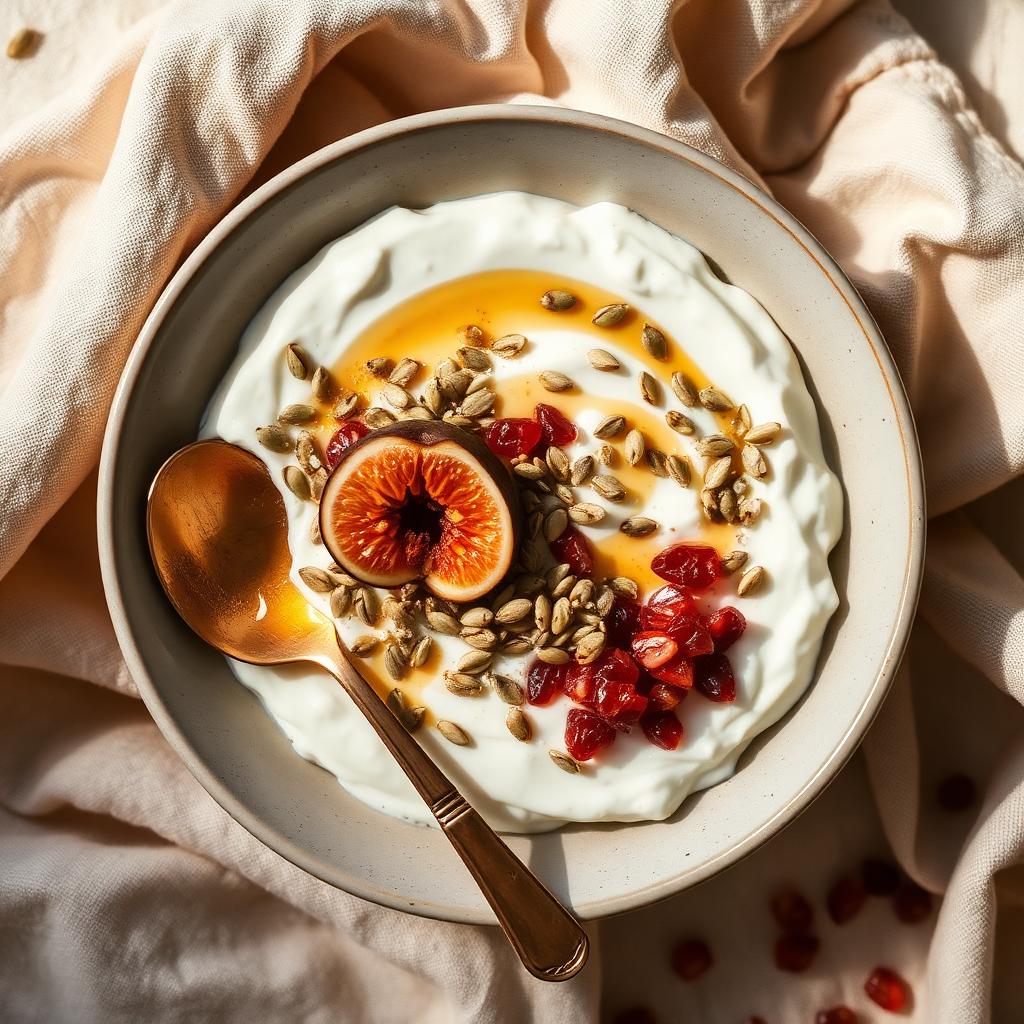
Sprinkle 2–3 Tbsp of shelled hemp hearts (unroasted) over strained yogurt, aash, or salads — no cooking needed.
Other Ways to Use It
Blend into smoothies for complete protein without soy.
Stir into overnight oats or chia pudding for the ω3 + protein layer.
Finish cooked polow, salads, or roasted vegetables with a teaspoon of cold-pressed hemp-seed oil — never heat it (the ALA oxidises).
Add to homemade energy bites with dates, walnut, and cardamom.
Chapter 7 of 16
Medicines and Interactions
General cautions
Medication interaction:
Shelled fibre-type hemp seed carries no meaningful THC or CBD — but concentrated hemp-seed oil supplements from some manufacturers can contain trace THC; choose food-grade certified product for households with regular drug testing.
Specific medicines
Medication interaction:
Warfarin (a blood-thinning medicine), DOACs, antiplatelet (medicines that stop blood cells sticking together, such as aspirin) therapy — Culinary hemp seed (2–3 Tbsp daily) carries a modest polyunsaturated load — mild antiplatelet direction but no clinically important INR (the blood test that shows how fast your blood clots) interaction at food doses. Concentrated hemp-seed oil supplements (5–15 g/day) may shift INR modestly — discuss with the prescribing clinician and discontinue 1–2 weeks before elective surgery. (low concern)
Chapter 8 of 16
Medicines and Interactions: More Interactions to Know
Medication interaction:
Antihypertensives (ACE inhibitors, ARBs, calcium-channel blockers, diuretics) — The magnesium and PUFA load of a daily 3-Tbsp serving is compatible with, and may gently support, existing blood-pressure therapy. Additive with supplemental magnesium — dose accordingly. (low concern)
Medication interaction:
Immunosuppressants (cyclosporine, tacrolimus) — No clinically meaningful interaction at culinary hemp-seed doses. Concentrated hemp-derived CBD (a separate product, not the seed) can raise tacrolimus and cyclosporine levels; the seed itself is a different pharmacology. (low concern)
Medication interaction:
Opiate / cannabinoid workplace drug screens — Shelled fibre-type hemp seed doesn't reliably produce positive urine THC screens at ordinary culinary intake. Some hemp-seed oils and unshelled seed products carry trace THC and have produced positive results in sensitive assays. In regulated screening households, use only certified-THC-free product and pause hemp foods for 3–7 days before testing. (moderate concern)
Chapter 9 of 16
Who Should Be Careful
General caution:
Hemp hearts and hemp oil oxidise quickly — refrigerate the bag after opening, discard if it smells rancid or bitter.
General caution:
Concentrated cold-pressed hemp oil should never be heated (the ALA oxidises) — finish onto the plate only.
General caution:
Very high daily intake (>4 Tbsp) can loosen stools in some people — start with 1–2 Tbsp and titrate.
Allergy:
Tree-nut or seed allergies are common — avoid if affected.
Allergy:
Confirmed hemp/cannabis-seed IgE allergy — rare but documented, sometimes cross-reactive with peach and other Rosaceae.
Chapter 10 of 16
Pregnancy, Children and Older Adults
Pregnancy and breastfeeding
Pregnancy and breastfeeding:
Culinary shelled hemp seed (2–3 Tbsp daily) is generally regarded as safe during pregnancy and breastfeeding — the seed is a complete-protein and plant-ω3 contribution the trimester tolerates well. Concentrated cold-pressed hemp-seed oil supplements at high dose aren't well studied in pregnancy — reserve for the non-pregnant window. Do not use any CBD or full-spectrum hemp extract during pregnancy or lactation; those are separate products, not the seed.
Children
Children:
Shelled hemp hearts are appropriate from ~12 months as a topping on yogurt, purée, or oatmeal — no choking risk in the shelled form. Start with ½ tsp and observe for tolerance (any seed can occasionally trigger allergic reaction). Concentrated cold-pressed hemp oil supplements aren't recommended for children under 12 outside of a paediatric nutritional workup. CBD is a fundamentally different product and doesn't belong on a child's plate.
Older adults
Older adults:
One of the quiet longevity foods on the modern Persian shelf for older adults: a daily 2–3 Tbsp serving delivers complete plant protein (usually a gap after 65), the favourable ω3:ω6 ratio (rare in a single food), magnesium (declines quietly), and gamma-linolenic acid (otherwise supplement-only). Cold-pressed hemp-seed oil finished onto steamed vegetables is a low-friction daily practice. The one caveat is drug-testing programmes — a wide category in older-adult pain management — where certified-THC-free product is the safer choice.
Chapter 11 of 16
Traditional Persian Perspective
Persian temperament: Cool & Moist (2nd degree seed. Cold-pressed oil similarly cool and moist). Persian medicine classifies shāh-dāneh as cold and moist (bārid raṭb) in the 2nd degree — musakkin (calming to nervous heat), mujaffif at higher doses in excess (drying to the moist temperaments), and traditionally used to clarify the mind and settle warm-constitution restlessness. Aghili Khorasani discusses the seed and the flower as pharmacologically distinct categories — the seed is a food, the flower a restricted medicine.
Ibn Sīnā, Aghili Khorasani, and Jorjani draw a clear line between shāh-dāneh (the seed — a food) and the flowering top of the plant (a restricted medicine). They class the seed as cold and moist, suited to warm and dry constitutions, calming for nervous restlessness, and — in traditional Persian dietetics — part of the clarifying-the-mind category. The classical texts don't confuse the two.
Chapter 12 of 16
Traditional Persian Perspective: In the Household
They recommend the seed for hot, dry, nervous constitutions and use it as everyday food — ground over yoghurt or bread — because its value is steady nourishment rather than an acute effect.
Shāh-dāneh cooling emulsion with rosewater and sugar for warm-constitution restlessness (classical Persian).
Calmative pre-sleep preparation with warm milk and cardamom (traditional Aghili Khorasani formulation).
Older Uses
Household seed rotation with sesame and flaxseed as one of the three canonical Persian oilseeds.
Hemp seed documented in Ibn Sīnā's Al-Qānūn fi'l-Ṭibb as a cool, moist calmative and clarifying-the-mind food, kept distinct from the medicinal flowering top of the plant. Rated: traditional observation.
USDA FoodData Central: hemp seed (hulled) nutrient reference: complete-protein amino-acid pattern, ~30% oil with 1:3 ω3:ω6 ratio, ~200 mg magnesium per 30 g serving. Rated: traditional observation.
Chapter 13 of 16
In Persian Life
shāh-dāneh — the 'king seed' — has been the Persian household name for hemp seed for centuries, appearing in classical dietary manuals beside sesame and flaxseed. Today, shelled hemp hearts have returned to Iranian diaspora kitchens as an easy topping for ājīl-e mast, salads, and the morning yogurt bowl. It's a food-first return that fits the classical framing exactly.
Chapter 14 of 16
Questions People Ask
Will hemp seed make me high or fail a drug test?
No. Shelled fibre-type hemp seed carries no meaningful THC — the cannabinoids sit in the flower resin, not the kernel. Certified food-grade shelled seed doesn't reliably produce positive urine THC screens at ordinary culinary intake. In regulated drug-testing households, buy certified-THC-free product and pause hemp foods for 3–7 days before testing.
How much hemp seed should I eat a day?
The everyday target is 2–3 Tbsp (20–30 g) of shelled hemp hearts, sprinkled on yogurt, salads, or aash. That delivers ~10 g of complete plant protein, ~3 g of plant ω-3, and a full daily dose of magnesium without cooking or preparation.
Chapter 15 of 16
Questions People Ask: More Questions
How does hemp seed compare to flaxseed and chia?
The three canonical Persian oilseeds each do something different. Flaxseed and chia are the highest in mucilage (a soft, slippery plant gel) and ALA per gram (but need soaking or grinding). Hemp seed is unique for its complete plant protein and gamma-linolenic acid. Rotating all three across the week gives fuller coverage than any single seed alone.
Is hemp seed safe in pregnancy?
Culinary hemp hearts (2–3 Tbsp daily) are generally regarded as safe in pregnancy and breastfeeding. Concentrated hemp-seed oil supplements at high dose are less well studied — reserve for the non-pregnant window. CBD and full-spectrum hemp extracts are entirely separate products and should not be used in pregnancy or lactation.
Chapter 16 of 16
Sources
Hemp-seed protein digestibility and amino-acid profile — J Agric Food Chem, PubMed 20718510. https://pubmed.ncbi.nlm.nih.gov/20718510/