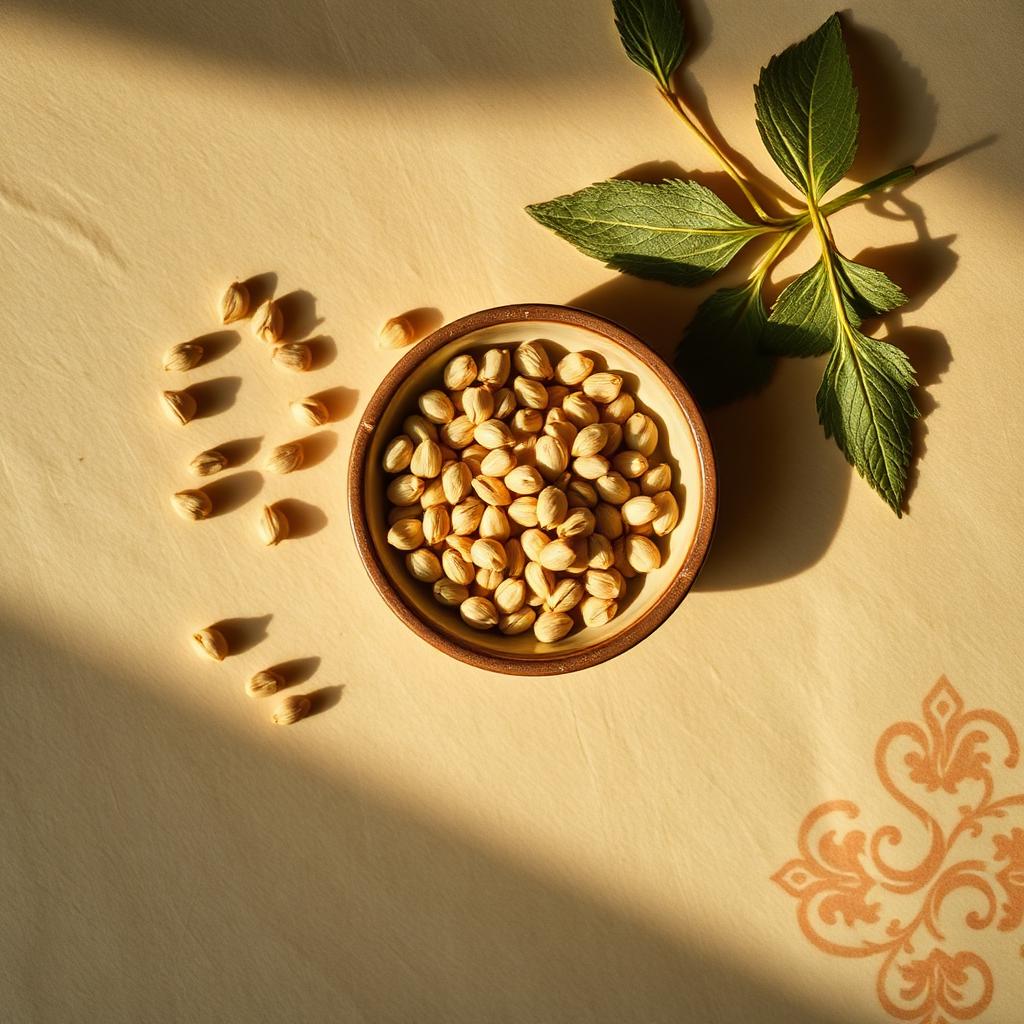
Two plants in one: aromatic seed for metabolism and nursing, bitter leaf for the Persian table.
5–10 g/day of powdered seed for 8+ weeks is the trial dose for blood sugar and lipids.
The maple-syrup body odor is harmless — the sotolon compound being metabolized.
Soaking softens the bitterness. Toasting tames it further.
Fenugreek seeds and leaves have flavored Persian and Indian kitchens for millennia. This little seed brings soluble fiber and unique amino acids to the table, which is why people value it for metabolic and lactation support.
Chapter 2 of 12
The Essentials: What Else to Know
Known to botanists as Trigonella foenum-graecum.
Metabolic health — stable blood sugar, healthy cholesterol, and a resilient gut — is foundational to healthy aging. Fenugreek's soluble fiber and 4-hydroxyisoleucine support post-meal glucose control, and its warming nature suits older adults with cold, sluggish constitutions.
An annual legume 30–60 cm tall with trifoliate clover-like leaves, small pale-yellow flowers, and long slender pods containing hard, golden-brown rhombic seeds. Both the aromatic seeds and the bitter-aromatic dried leaves are used medicinally and culinarily.
Family: Fabaceae (legume family).
Chapter 3 of 12
What Is In It
Primary compounds
4-Hydroxyisoleucine — a unique amino acid that stimulates insulin secretion in preclinical work.
Galactomannan soluble fiber is the source of fenugreek's post-meal glucose smoothing.
Steroidal saponins (diosgenin, fenugreekine) — traditional galactagogue and metabolic actions.
Other Constituents
Trigonelline and sotolon is the aromatic pyrazine responsible for the maple-syrup body odor.
Vitamins
Folate, Thiamin, Vitamin B6
Other notable constituents
Minerals: Iron, Magnesium, Manganese · Protein: ~3 g per Tbsp seeds · Notable: 4-Hydroxyisoleucine
Chapter 4 of 12
What Studies in People Show
Strong evidence
Fenugreek seed 5–10 g/day for ≥8 weeks improved fasting glucose, post-prandial glucose, and HbA1c (a blood test showing average blood sugar over about three months) in adults with type-2 diabetes (meta-analysis).Strong evidence
Moderate evidence
Fenugreek supplementation reduced total and LDL (the harmful type of cholesterol) cholesterol and triglycerides (a type of fat in the blood) across randomised trials (systematic review).Moderate evidence
Fenugreek tea/capsules increased breast-milk volume in nursing mothers (RCT).Moderate evidence
Early research
Fenugreek extract improved knee-joint stiffness and function in mild osteoarthritis (RCT).Emerging evidence
Chapter 5 of 12
How It Is Prepared
Overnight-soaked seed with the chewed softened seeds at wake, or a warm cup of shanbalileh + fennel + anise ninety minutes after dinner. Both anchor the day at digestion's slowest hinge.
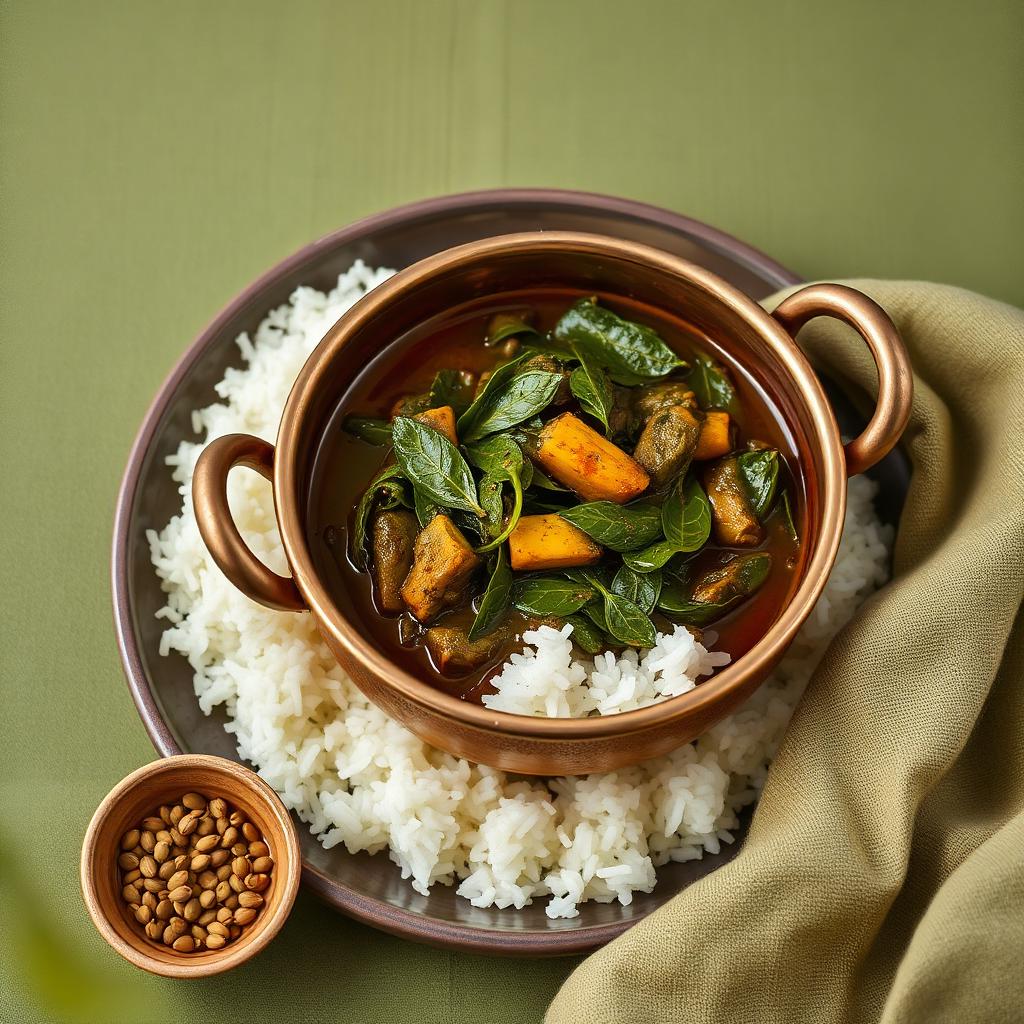
Ghormeh sabzi is dried leaves (shanbalileh) simmered in the iconic Persian herb stew.
Capsules and standardised extracts carry many times the amount you get from food, which is why the cautions below matter more here.
Capsules: 500–1,000 mg standardized seed extract twice daily with meals.
Chapter 6 of 12
Medicines and Interactions
Medication interaction:
Antidiabetic medication (metformin, sulfonylureas, insulin) — Meta-analyses (a study that pools the results of many trials) of 5–10 g/day seed for ≥8 weeks show meaningful glucose and HbA1c lowering — genuinely additive with medications and can cause hypoglycemia (blood sugar dropping too low) if unmonitored. (moderate concern)
Medication interaction:
Warfarin (a blood-thinning medicine) / DOACs — Mild antiplatelet (medicines that stop blood cells sticking together, such as aspirin) effect at concentrated seed extract doses; culinary shanbalileh in ghormeh sabzi is generally compatible. (low concern)
More Interactions to Know
Medication interaction:
MAO inhibitors — Traditional use records cases of headache and sedation in combination; theoretical concern with fenugreek's aromatic compounds. (low concern)
Medication interaction:
Thyroid medication (levothyroxine) — Mucilage-rich seeds may delay absorption — space by 2 hours. (low concern)
Chapter 7 of 12
Pregnancy, Children and Older Adults
Pregnancy and breastfeeding
Pregnancy and breastfeeding:
Medicinal seed doses (soaked seed, ≥5 g/day, capsules) are AVOIDED throughout pregnancy — fenugreek has documented uterine-stimulant activity. Culinary shanbalileh leaves in ghormeh sabzi are considered safe.
Children
Children:
Ghormeh sabzi is a Persian family food from toddlerhood. Medicinal seed doses and capsules aren't appropriate for children; very weak seed tea is used only under paediatric guidance.
Older adults
Medication interaction:
A traditional food-ally after 50 for cold, stiff joints, sluggish appetite, and creeping glucose. A daily overnight-soaked teaspoon of seed with chewing is the classical low-friction Persian dose.
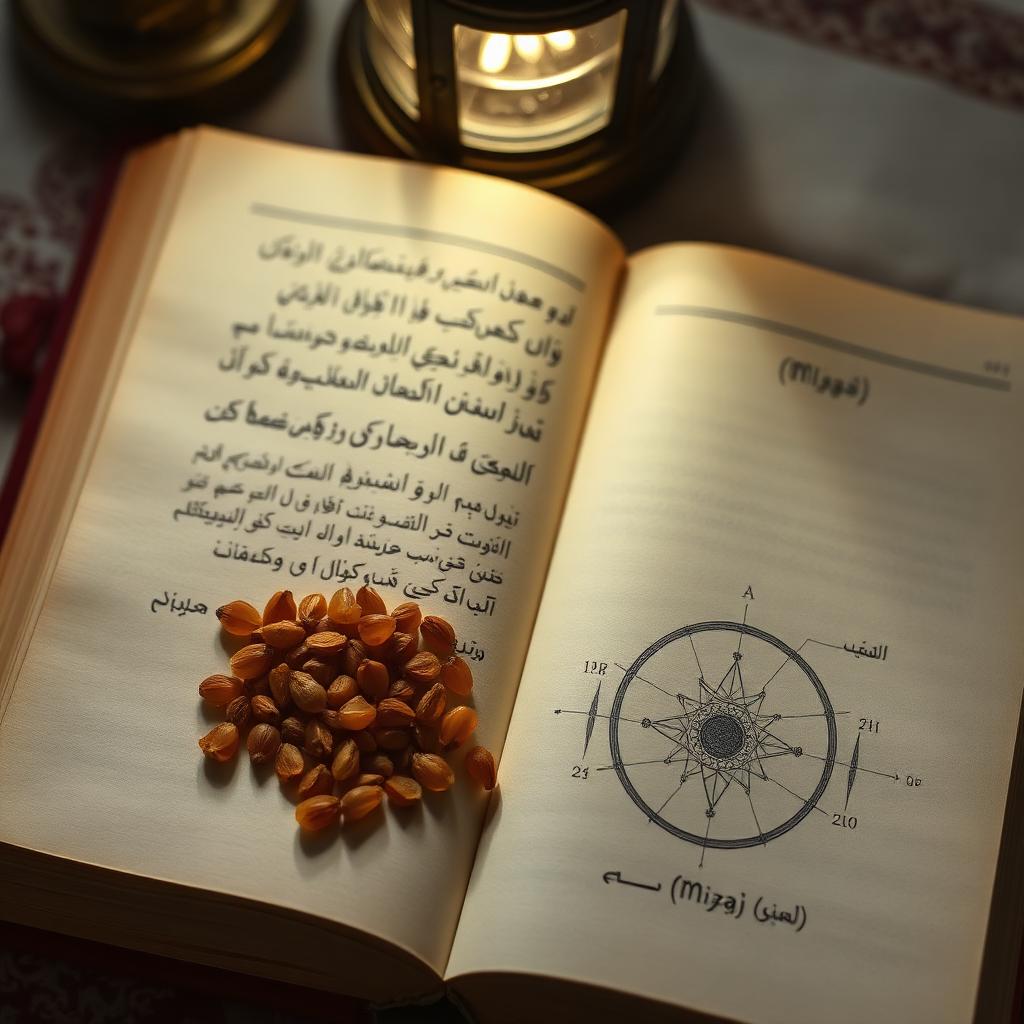
Persian temperament: Hot & Dry (2nd degree). Persian medicine reads fenugreek as warming and drying — nourishing blood, warming cold joints, and supporting weakness after fever. Avicenna prescribed it for lactation, cold-pattern indigestion, and convalescence.
In Persian medicine, fenugreek is seen as hot and dry. It's given when the body feels depleted and cold: after a long illness, for stiff joints that hurt more in damp weather, for nursing mothers whose milk is slow, and when appetite has gone thin. Its bitterness is part of the medicine, so people fold it into food instead of simply swallowing a dose.
In the Household
The leaf goes into ghormeh sabzi, while the seed is sprouted or soaked overnight to soften both the bitterness and the heat. Because it's strongly warming and moves the womb, classical practice keeps it away from pregnancy.
It was used: sluggish recovery after illness and depletion. Elevated blood sugar and morning glucose spikes. Cholesterol balance as part of a heart-healthy diet.
Chapter 9 of 12
Traditional Formulas
Ghormeh sabzi: dried fenugreek leaves simmered with parsley, cilantro, leek, kidney beans, and lamb, which is the national dish of Iran and a digestive masterpiece.
Halba (Yemeni): whipped fenugreek seed paste eaten with bread to support strength, lactation, and recovery.
Damkardeh-ye shanbalileh: 1 tsp seeds + 1 tsp fennel + 1 tsp anise, steeped 10 min, for new mothers.
Chapter 10 of 12
Questions People Ask
Why do I smell like maple syrup on fenugreek?
The aromatic compound sotolon is excreted in sweat and urine and smells like maple or curry. It's harmless — just a sign the seeds are being metabolized.
How much actually lowers blood sugar?
The trials that show real improvements in glucose and HbA1c use 5–10 g/day of powdered seed for at least 8 weeks, ideally split across meals. Smaller amounts still make a lovely culinary support.
Chapter 11 of 12
Sources
Fenugreek seed and glycemic control: systematic review and meta-analysis — Nutrition Journal (NIH PMC). https://www.ncbi.nlm.nih.gov/pmc/articles/PMC4488739/.
Trigonella foenum-graecum is a clinical review — Phytotherapy Research (PubMed). https://pubmed.ncbi.nlm.nih.gov/29230907/.
4-Hydroxyisoleucine: an insulinotropic amino acid from fenugreek — Diabetes (PubMed). https://pubmed.ncbi.nlm.nih.gov/9519740/
Fenugreek and breastmilk production: systematic review — Phytotherapy Research (PubMed). https://pubmed.ncbi.nlm.nih.gov/29193352/.
Sad Giah Hezar Darman (صد گیاه و هزار درمان) — One Hundred Plants and One Thousand Remedies — Dr. Hossein Erfani, 4th edition (1375 / 1996–1997). Primary traditional Persian herbal reference cited throughout this platform. Presented as traditional knowledge, not as modern medical proof.
Chapter 12 of 12
Sources (continued)
Office of Dietary Supplements: fact Sheets — US National Institutes of Health (NIH). https://ods.od.nih.gov/factsheets/list-all/.
Herbal Database: memorial Sloan Kettering Cancer Center. https://www.mskcc.org/cancer-care/diagnosis-treatment/symptom-management/integrative-medicine/herbs.
Herbs at a Glance: uS NIH National Center for Complementary and Integrative Health (NCCIH). https://www.nccih.nih.gov/health/herbsataglance.
FoodData Central: searchable nutrient database — US Department of Agriculture (USDA). https://fdc.nal.usda.gov/.
The Nutrition Source: harvard T.H. Chan School of Public Health. https://www.hsph.harvard.edu/nutritionsource/.
PubMed — peer-reviewed biomedical literature — US National Library of Medicine. https://pubmed.ncbi.nlm.nih.gov/