12 Foods That Genuinely Support Heart Health
A clear, evidence-based food list for protecting your heart — drawn from Mediterranean and traditional ways of eating that have stood the test of time.
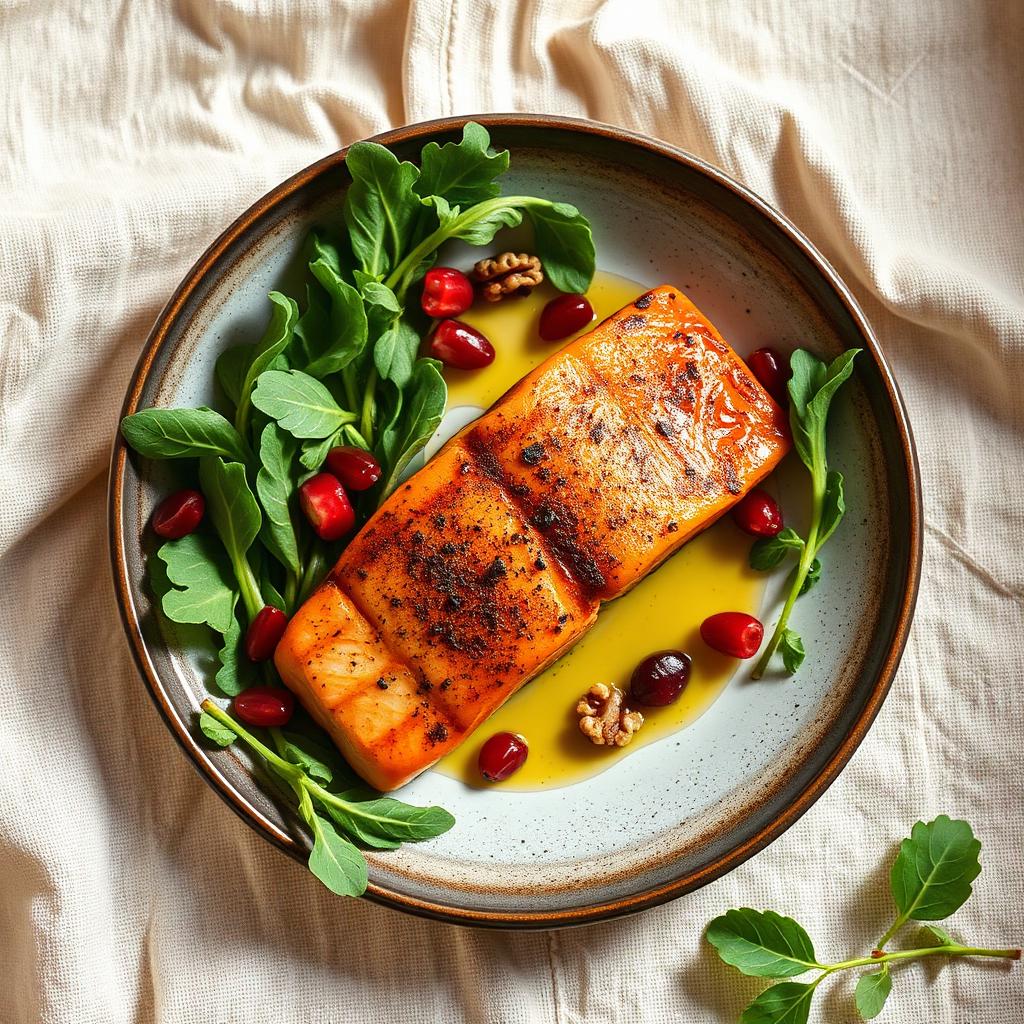
Here's the honest starting point: heart health comes from a pattern, not from any single food. That said, some foods show up again and again in the research as genuinely protective for the heart — so build your weeks around them.
Extra-virgin olive oil
This is the cornerstone of the Mediterranean diet. Aim for 2–4 Tbsp a day, drizzled over cooked vegetables and salads.
Fatty fish
Salmon, sardines and mackerel — 2 servings a week gives you omega-3 (EPA and DHA), which reduce triglycerides and inflammation.
Walnuts and almonds
A small daily handful (1 oz) is linked with lower LDL (the kind of cholesterol that can build up in artery walls) and fewer cardiovascular events.
Leafy greens
Spinach, arugula and watercress contain nitrates that support healthy blood pressure and stamina.
Berries
Blueberries and pomegranate bring polyphenols (natural plant compounds studied for antioxidant activity), which improve how well your blood vessels work.
Beans and lentils
Full of soluble fiber, which lowers LDL cholesterol — and they make an easy swap for refined grains.
Tomatoes
Lycopene — especially from cooked tomatoes with a little olive oil — supports heart and prostate health.
Avocado
Rich in monounsaturated fats and potassium. Half an avocado on toast instead of butter is an easy daily win.
Garlic
May modestly reduce blood pressure — aim for a clove or two a day, crushed and left to rest for 10 minutes.
Turmeric and ginger
Both are anti-inflammatory roots that support your blood vessels when you cook with them regularly.
Oats and whole grains
Their beta-glucan fiber reduces LDL when you eat 3 g or more a day.
Dark chocolate (70%+)
A small daily piece of dark chocolate gives you flavanols, which are linked to healthy blood vessels.
Frequently asked questions
+Should I avoid all saturated fat?
The evidence is more nuanced than a simple yes. Replacing saturated fat with whole-food sources of unsaturated fat (olives, nuts, fish) improves outcomes; replacing it with refined carbs does not.
Sources & references
Background reading
- The Nutrition Source — Harvard T.H. Chan School of Public Health
- Health Topics A–Z — US NIH National Center for Complementary and Integrative Health