What to Eat (and Drink) for Better Sleep
How food, timing, and sleep fit together — plus a Persian evening ritual that genuinely works.
Your sleep is regulated by neurotransmitters and hormones — and the building blocks for both come from your dinner plate.
Tryptophan-rich foods
Turkey, eggs, yogurt, dates and pumpkin seeds all supply tryptophan — the precursor your body uses to make serotonin and melatonin.
Magnesium
Spinach, almonds, pumpkin seeds and dark chocolate help calm the nervous system. A magnesium-rich snack in the evening can help you drift off more easily.
Warm milk with cardamom and saffron
A traditional Persian nightcap: warm milk steeped with a pinch of saffron and cardamom, sweetened with honey. The ritual itself is half the magic.
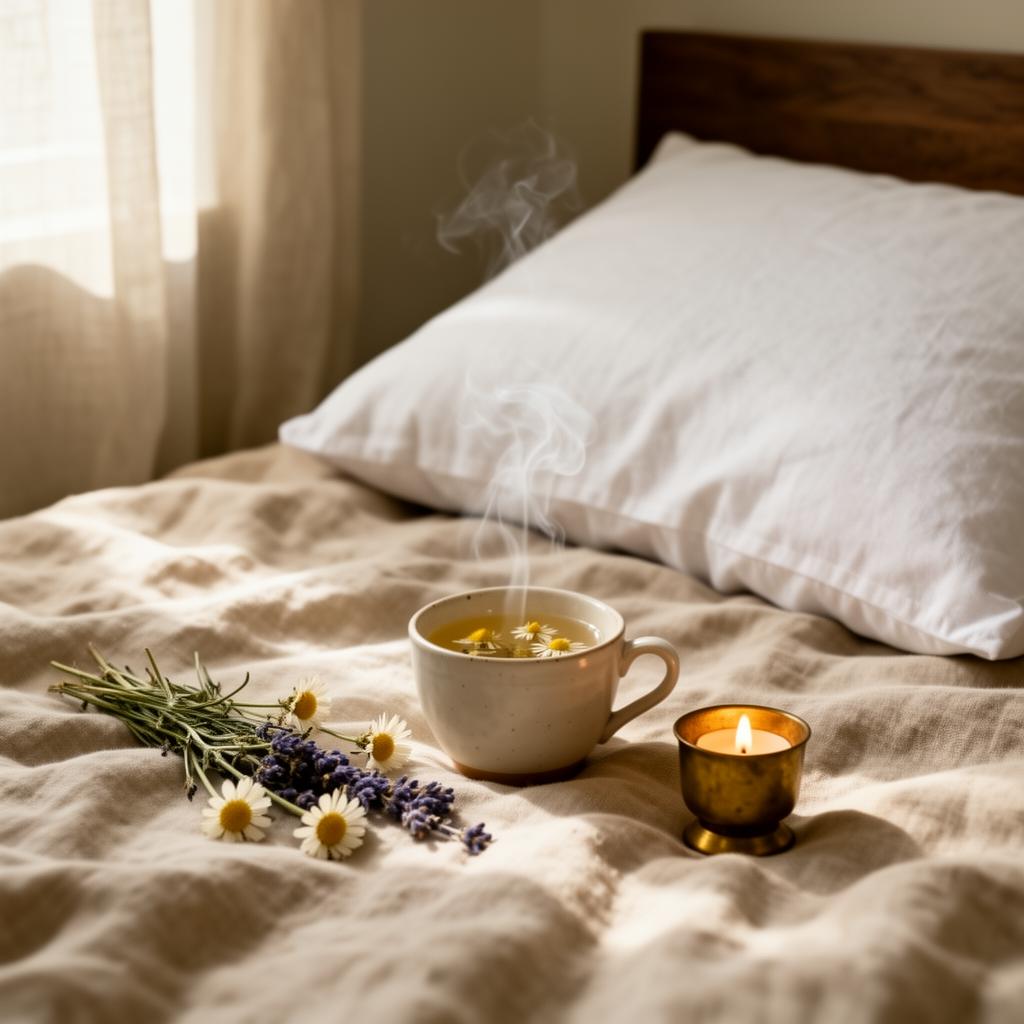
Chamomile tea
Chamomile contains apigenin, which binds to GABA receptors and gently eases the nervous system. Have a cup 30–60 minutes before bed.
Timing matters
Try to finish eating 2–3 hours before bed. Late, heavy meals break up your sleep — REM sleep especially.
Avoid
Skip caffeine after 2pm, alcohol within 3 hours of bed, and very spicy or fried foods at night.
Frequently asked questions
+Does melatonin from food do anything?
Yes, in small amounts — tart cherries, walnuts and olives all contain some dietary melatonin. It won't replace a supplement, but it adds to a broader 'sleep-friendly' way of eating.
Sources & references
Background reading
- The Nutrition Source — Harvard T.H. Chan School of Public Health
- Health Topics A–Z — US NIH National Center for Complementary and Integrative Health